
Upholstered Low Back Chairs
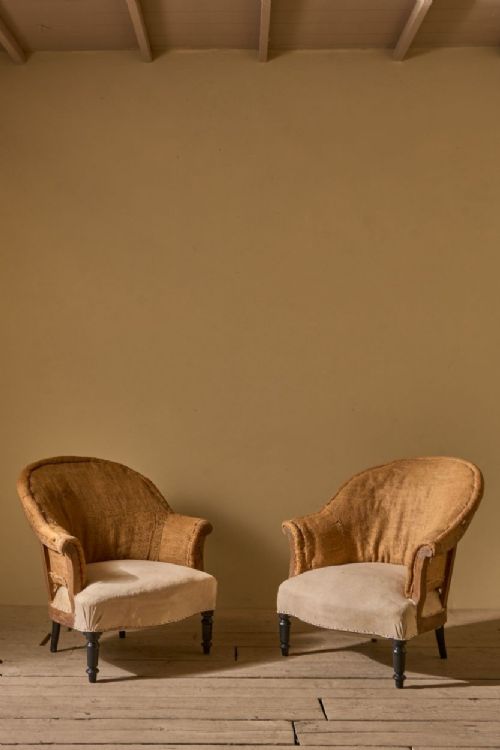
Upholstered low back chairs offer deep-seated comfort in compact forms, combining period woodwork with rich textiles.
Upholstered Low Back Chairs
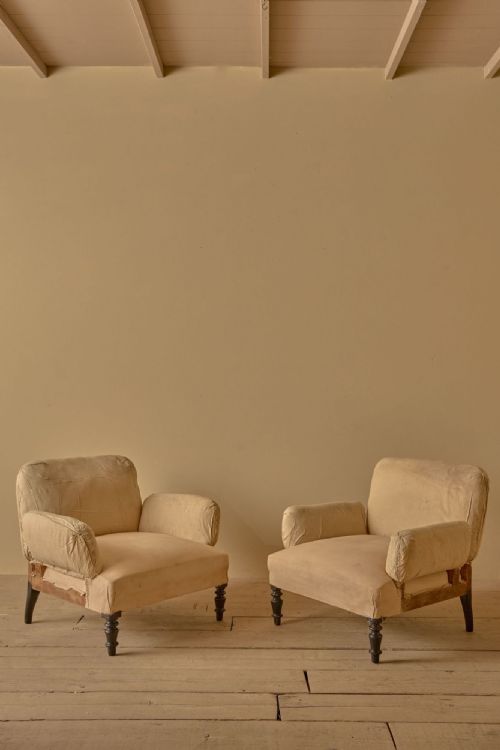
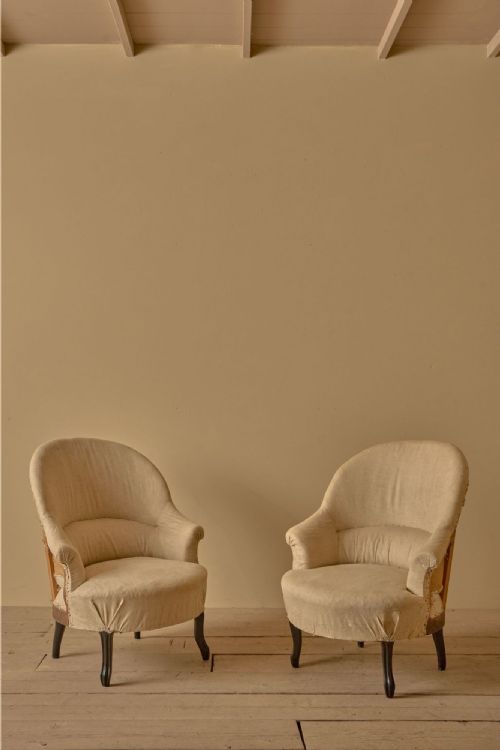
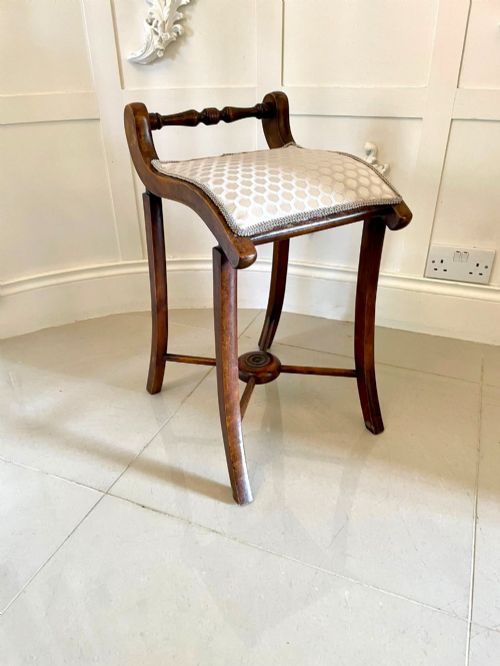
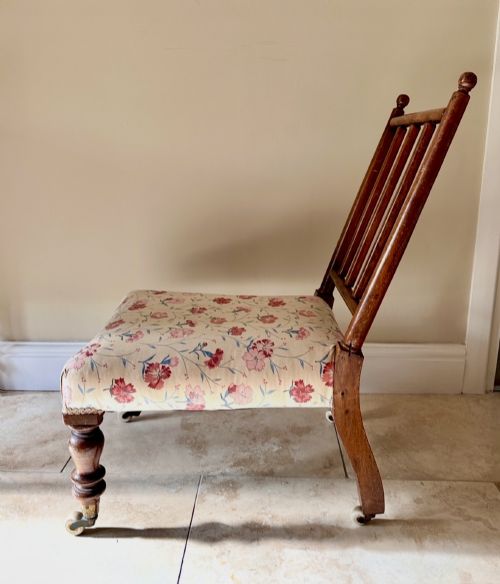
Upholstered low back chairs encompass a range of nineteenth-century and early twentieth-century seating, from nursing chairs to compact armchairs. Buyers seeking these pieces encounter varied forms designed for specific domestic spaces, including bedroom chairs, slipper chairs, and occasional seating.
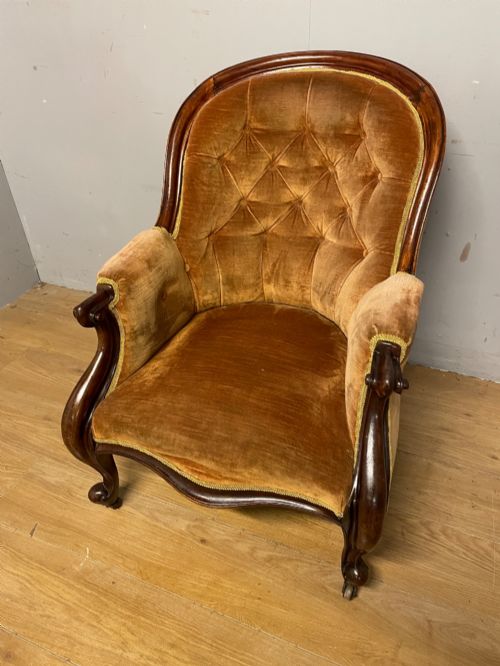
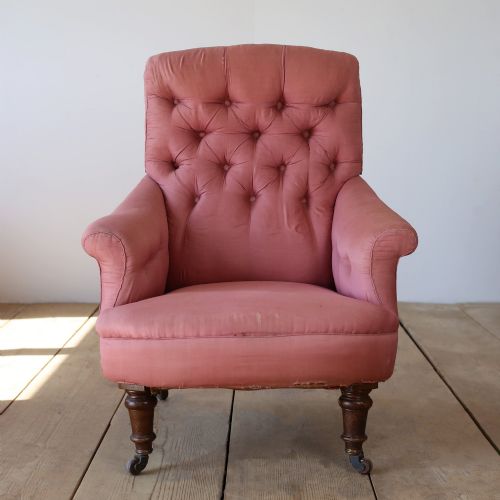
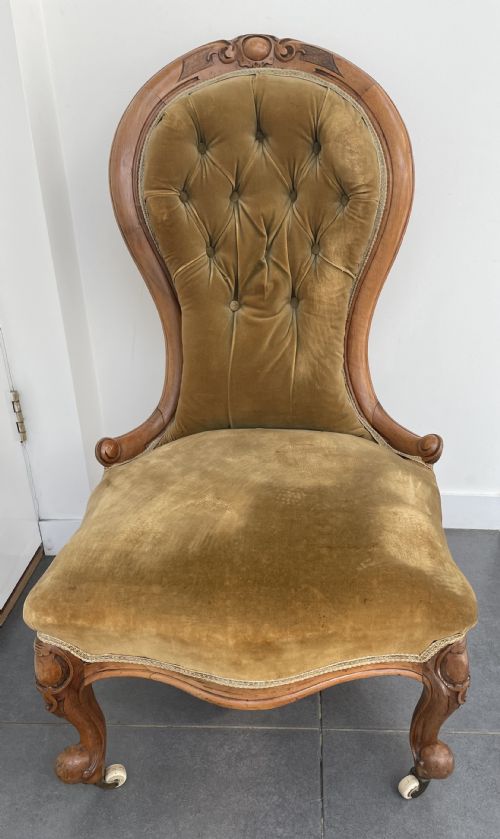
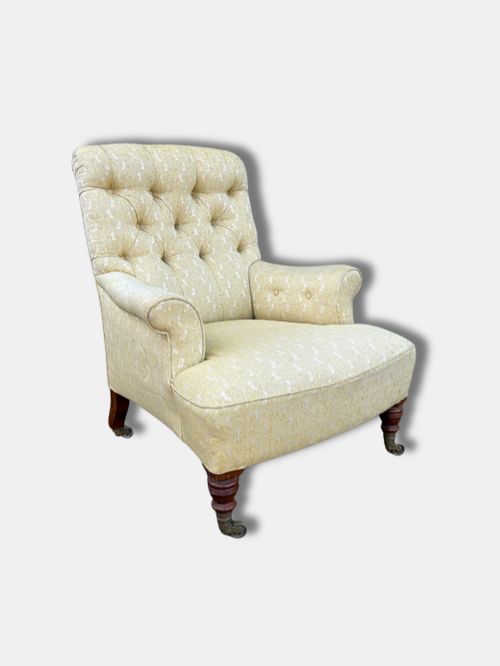
The Victorian and Edwardian periods dominate these selections, alongside nineteenth-century French and English Country House examples. Walnut and mahogany frames appear frequently, often paired with button backs, low seats, and turned wooden supports.
Makers such as Howard and Sons and Gillows define the upper tier of these listings, while vernacular nineteenth-century pieces offer alternative interpretations of low-slung comfort. Each piece relies on supportive upholstery and robust wooden foundations to achieve its domestic purpose.
Materials and construction methods
Makers built these frames using dense hardwoods like mahogany, walnut, and oak to ensure structural integrity beneath the padding. Turned legs, brass castors, and iron supports frequently reinforced the timber structures.
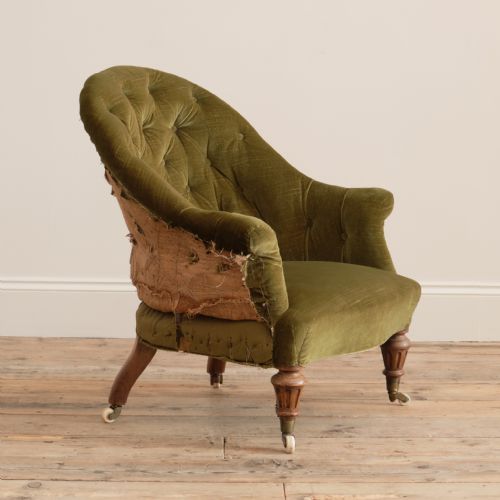
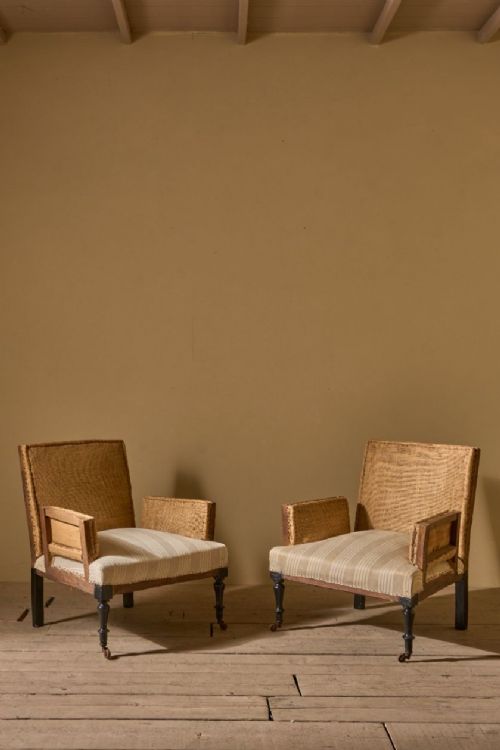
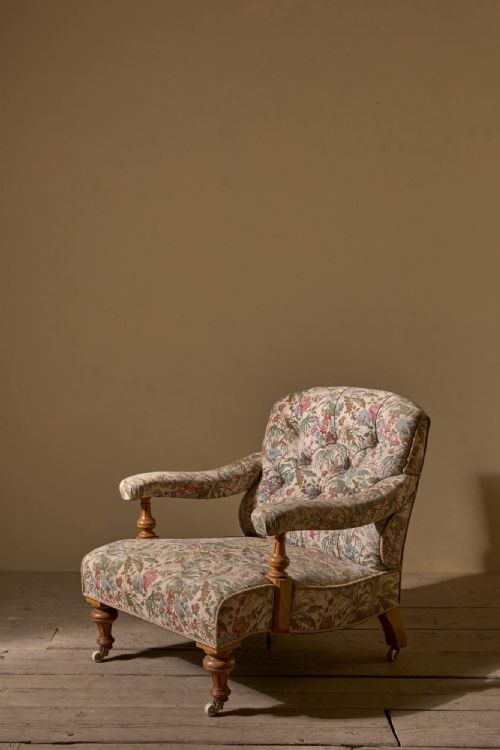
Upholstery layers relied on traditional stuffing materials enclosed in hessian and calico, finished with top covers of velvet, fabric, or decorative fringe. Button tufting and scroll backs demanded precise hand-stitching to secure the internal springs and horsehair stuffing.
Listings feature nineteenth-century and early twentieth-century pieces, spanning the Victorian, Edwardian, and Art Deco periods in wood, velvet, and mahogany.
Distinctions in quality
Superior examples reveal themselves through the integrity of the underlying timber frame and the precision of the joinery rather than surface appearance alone. Maker stamps, particularly from workshops like Howard and Sons or Gillows, elevate a piece through documented craftsmanship and superior frame proportions.
The refinement of the carving on walnut or mahogany legs and the fidelity of the upholstery work separate standard production from exceptional pieces. Original castors, balanced spring tension, and well-preserved internal stuffing distinguish the most desirable specimens.
Howard and Sons·Gillows·C. Hindley and Sons
The Upholstered Low Back Chairs Glossary
- Nursing chair
- A low-seated Victorian chair designed originally to allow women to nurse infants comfortably while seated near a fire. These pieces usually feature padded backs and short legs.
- Slipper chair
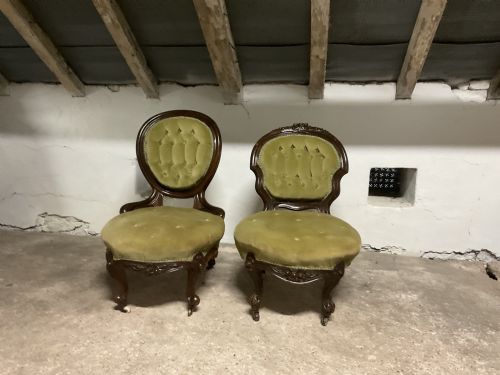
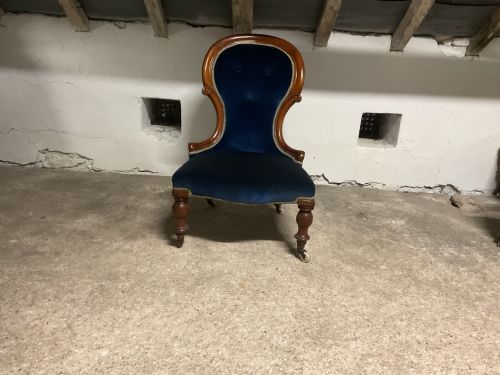
- An upholstered chair with low legs designed for bedrooms, historically used while putting on shoes or slippers. They typically lack arms to accommodate voluminous nineteenth-century garments.
- Button back
- An upholstery technique where deep buttons are pulled through the padding at regular intervals to create a diamond-patterned surface. This method secures the internal stuffing while adding decorative depth.
- Occasional chair
- A movable, decorative seat intended for sporadic use in reception rooms or parlours rather than primary seating. These pieces often showcase stylistic flourishes appropriate to the Aesthetic Movement or French Napoleon III periods.
- Tub chair
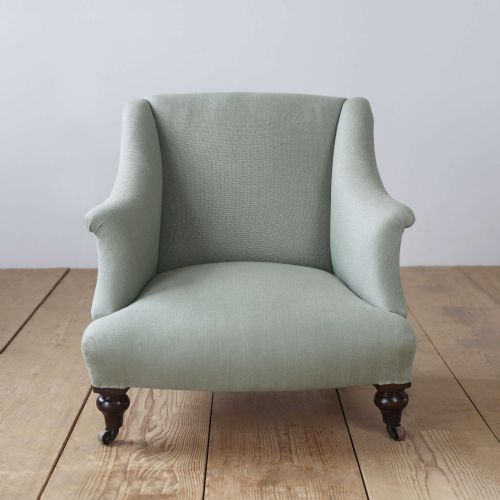
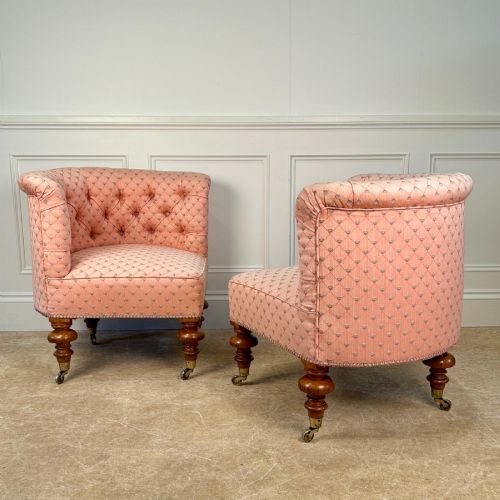
- An upholstered armchair with a rounded back that curves continuously into the arms, enclosing the sitter. The compact form provides draught-proof comfort.
Upholstered Low Back Chairs: Frequently Asked Questions
What is a nursing chair?
A nursing chair is a low-seated Victorian chair originally designed to allow women to tend to infants comfortably near a hearth. Their low profile made them practical for domestic chambers and private sitting rooms.
Over time, these chairs evolved into decorative bedroom seating. Their compact proportions continue to suit contemporary dressing rooms and smaller alcoves.
How do I identify a Howard and Sons chair?
Howard and Sons chairs are distinguished by sturdy frames, high-quality upholstery foundations, and stamped wooden legs or castors. Many bear paper labels or stamps identifying the maker.
Their designs prioritize deep comfort, often featuring rolled arms and robust internal webbing. The presence of original upholstery details further confirms attribution.
Where should I place a slipper chair?
Slipper chairs work well in bedrooms, dressing areas, and reading corners where space is restricted. Their armless design allows them to fit easily beside beds or writing desks.
They also function effectively as accent seating in living rooms, adding texture through velvet or patterned fabric covers without blocking sightlines.