






Upholstered Lounge Furniture
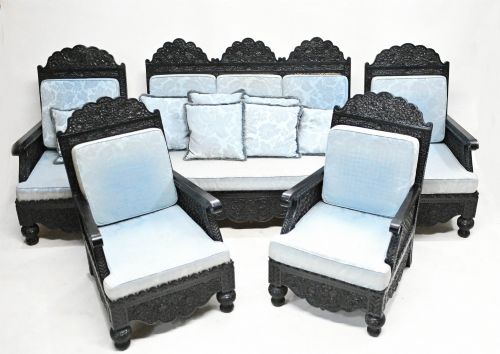
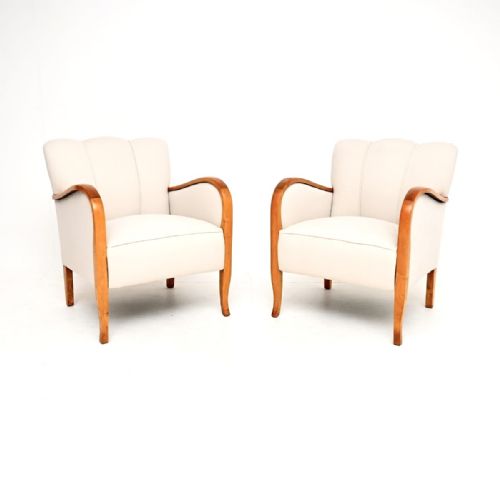
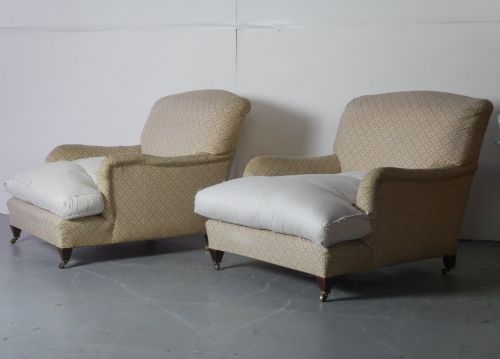
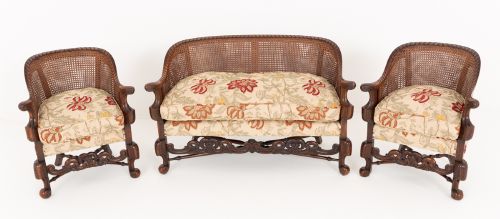
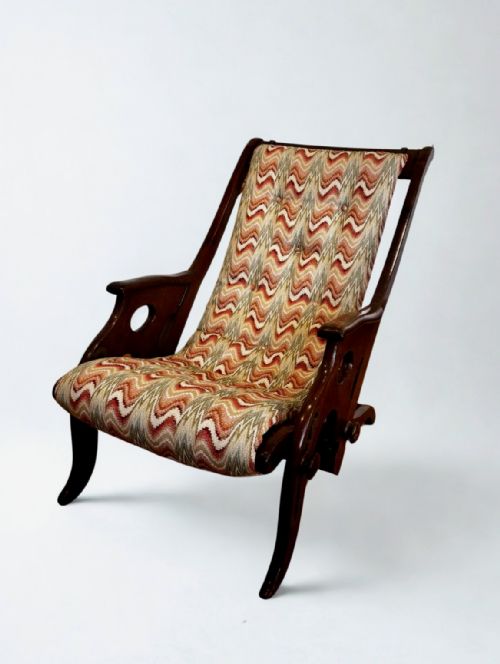
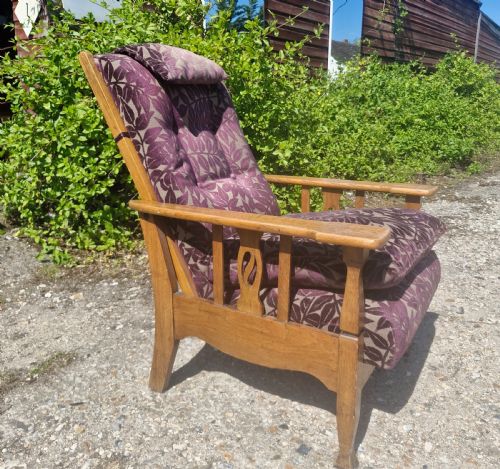
These pieces of upholstered lounge furniture bring comfort and historic design together, offering supportive seating crafted in various woods and covered in textiles from past centuries.
Upholstered Lounge Furniture
Upholstered lounge furniture encompasses a range of seating options designed for relaxation, including armchairs, chaise longues, daybeds, and multi-piece salon or lounge suites. Buyers seeking this category encounter forms that span the nineteenth century through the early twentieth century, reflecting shifting domestic habits and social spaces.
The pieces on this page lean heavily towards nineteenth-century Victorian designs and early twentieth-century interpretations, such as Edwardian frames and Art Deco forms. Single armchairs and matching suites appear frequently, often constructed to accommodate generous proportions and deep seating.
Origins vary from English country house seating to French Louis-style giltwood suites and Swedish birch armchairs. This geographical breadth provides buyers with diverse aesthetic choices while maintaining a focus on upholstered comfort.
How they were made
Makers built these frames using traditional timbers such as mahogany, walnut, oak, rosewood, and birch, sometimes turning to bentwood or giltwood depending on the period style. Structural integrity depended on sturdy joinery hidden beneath the padding and upholstery.
Textiles played a central role in the construction, utilising materials like velvet, silk, damask, and modern fabric replacements over traditional stuffing and springing. Frames frequently featured carved details, inlaid woods, or exposed polished timber surfaces that contrasted with the soft coverings.
Upholstered Lounge Furniture Retail Price Guide 2026
Typical asking prices for upholstered lounge furniture among the pieces listed under this phrase on Sellingantiques today, from the lower quarter to the upper quarter. They describe what is for sale here now, not the wider market.
Listings feature walnut, mahogany, and rosewood alongside textiles like velvet, silk, and damask.
What varies in quality
Quality in these pieces rests on the architectural harmony of the wooden frame and the precision of the joinery beneath the fabric. Superior examples exhibit robust timber construction that supports heavy use without shifting or sagging.
The standard of the carving, the choice of veneer or solid timber, and the fidelity of the period style dictate the upper tier of the range. Original or sympathetic upholstery choices that respect the integrity of the frame also separate standard items from exceptional ones.
Whytock & Reid·Hindley & Sons·Heals·Howard & Sons·J. Herbert McNair·Holland & Sons·Jas Shoolbred·William Birch·Hampton & Sons
The Upholstered Lounge Furniture Glossary
- Bergere
- An enclosed upholstered armchair with wooden framing around the sides and back. It often includes a cane or upholstered panel.
- Duchesse Brisee
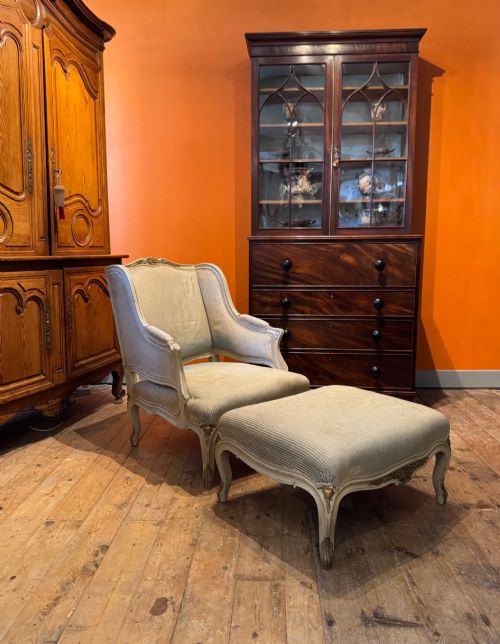
- A multi-part chaise longue comprising a chair and one or two footstools, or a segmented daybed designed for reclining. This French style offers extended leg support.
- Chesterfield
- A large sofa or daybed characterised by deep button tufting and rolled arms of equal height. It remains a staple of traditional British seating.
- Knowle Sofa
- A nineteenth-century sofa design featuring hinged or adjustable high arms tied with cords or braids. This form originates from Knole House in Kent.
- Chinoiserie
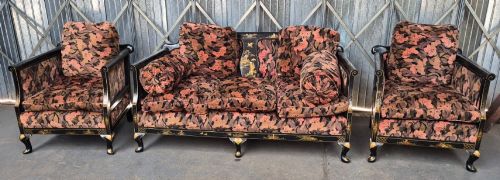
- A decorative style reflecting Chinese artistic motifs, applied to wooden frames and lacquerwork during the eighteenth and early twentieth centuries. It introduces painted landscapes and figures to the furniture.
Upholstered Lounge Furniture: Frequently Asked Questions
How do I identify a Victorian armchair?
Victorian armchairs typically feature dark hardwood frames, such as walnut or mahogany, combined with heavy carving and sprung upholstery. They prioritize deep comfort and often display robust proportions.
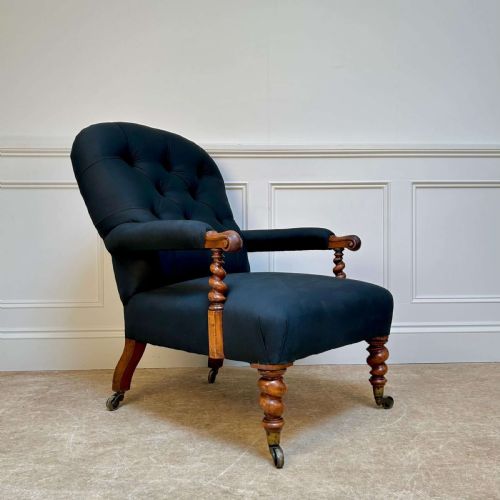
Later Victorian examples may incorporate button-backed upholstery and turned wooden legs fitted with castors for mobility. Examining the timber and the style of the carving helps distinguish these from earlier Regency or later Edwardian pieces.
What is a chaise longue used for?
A chaise longue is designed for reclining in a semi-seated position, functioning as a hybrid between a chair and a daybed. Historically placed in bedrooms, boudoirs, or large reception rooms, it allowed for daytime rest without retiring to a bed.
In modern spaces, these pieces serve as statement seating in living areas or studies. Their elongated form provides full leg support while maintaining an upright backrest at one end.
How do I care for antique upholstery?
Caring for antique upholstery involves regular, gentle vacuuming with a soft brush attachment to remove dust without damaging fragile fibres. Keeping pieces away from direct sunlight prevents the fading of velvet, silk, and damask coverings.
Professional cleaning is recommended for antique textiles to avoid water spotting or shrinkage. Ensuring stable room humidity also protects the underlying wooden frames from warping.
What distinguishes Edwardian seating from Victorian pieces?
Edwardian seating generally lighter in scale and brighter in timber choice, frequently utilising inlaid rosewood or satin birch rather than heavy carved mahogany. The designs often draw inspiration from earlier eighteenth-century revivals.
These pieces tend to feel less imposing than their Victorian predecessors, reflecting a shift toward airier domestic interiors. Upholstery patterns from the Edwardian era also lean towards lighter florals and delicate fabric choices.