

Upholstered Howard Sons Chair
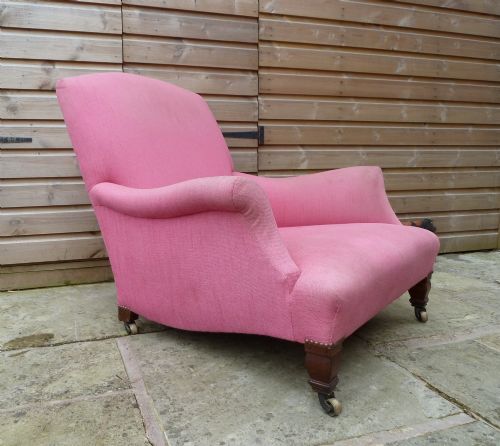
An upholstered howard sons chair brings structured comfort and English country house character into a room through deep seating and traditional sprung work.
Upholstered Howard Sons Chair
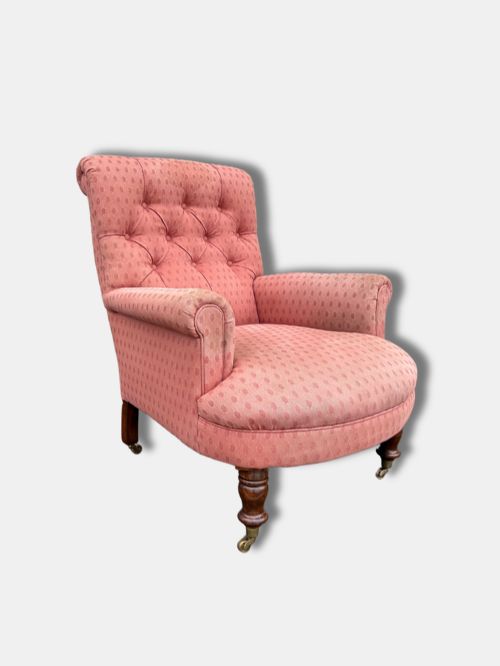
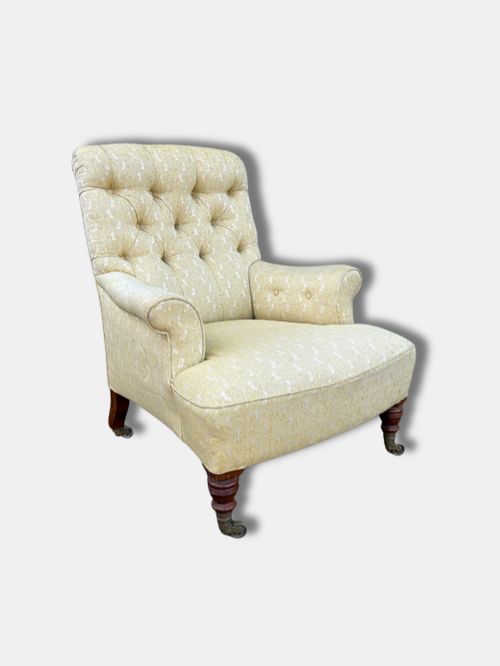
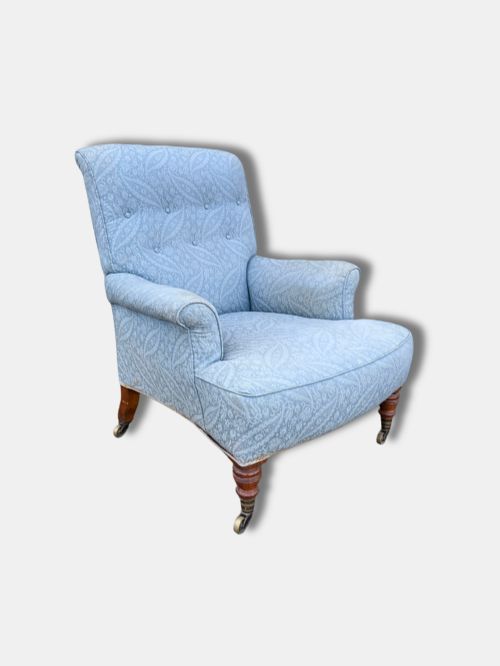
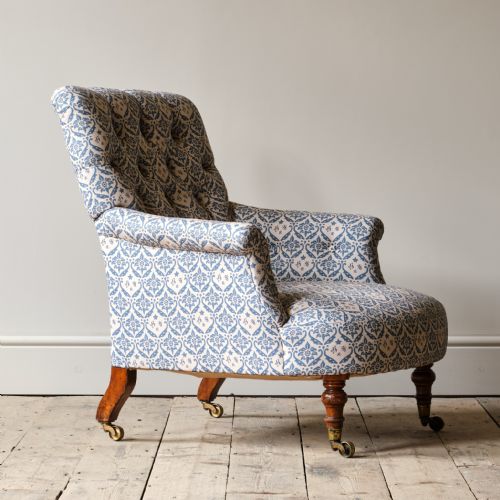
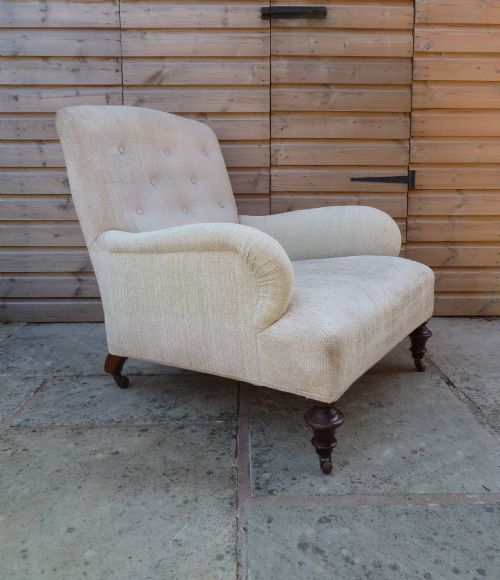
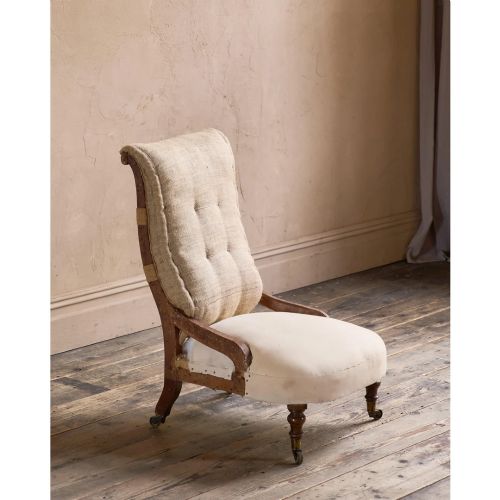
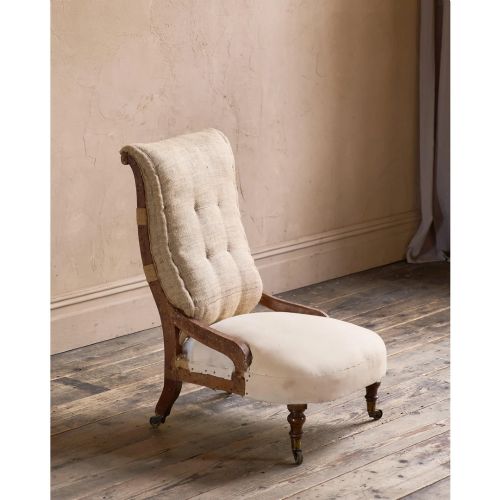
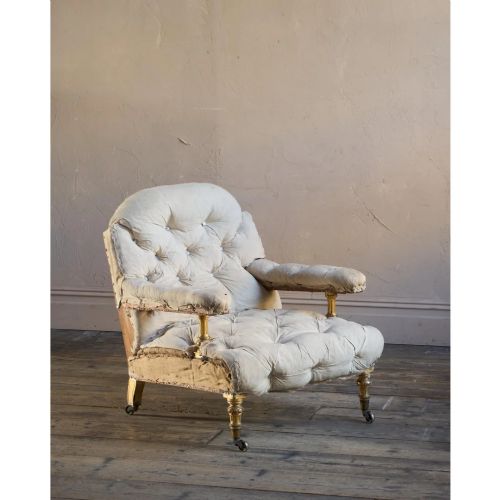
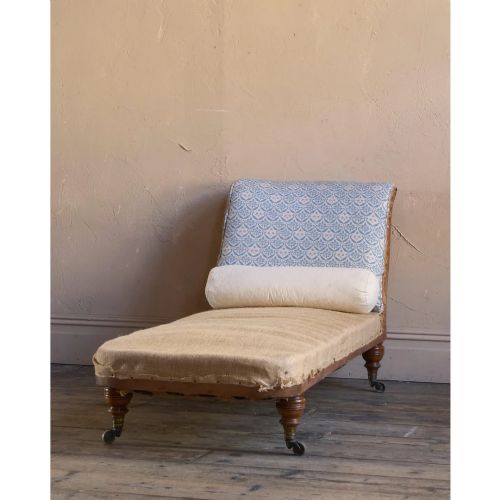
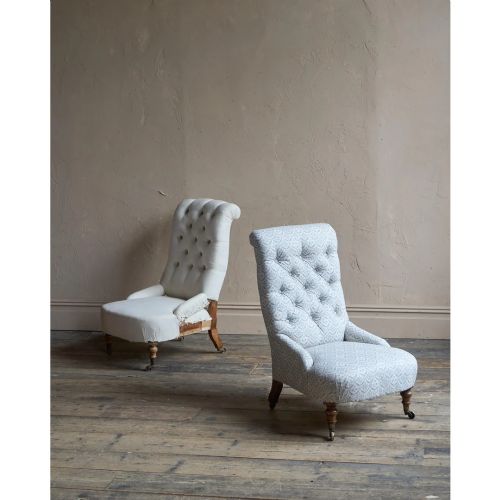
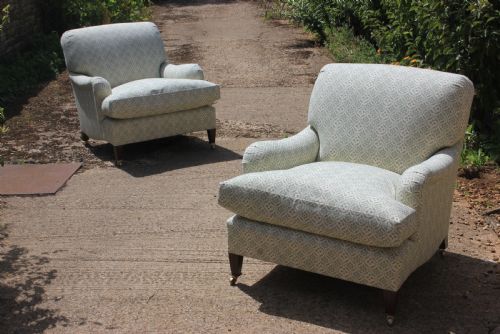
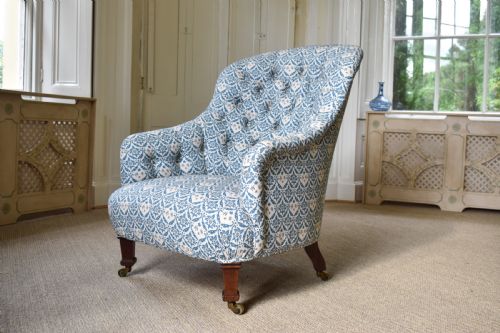
An upholstered howard sons chair encompasses comfortable seating forms built primarily during the Victorian and Edwardian eras, spanning armchair designs, club chairs, and low bedroom chairs. The selection centres heavily on nineteenth-century armchairs alongside slipper chairs, daybeds, and chaise longues.
Makers and workshops of the period produced various models such as the Bridgewater, Ingleby, and Grafton, often paired with matching footstools or found as pairs. Buyers encounter both stamped pieces bearing maker details and pieces created in the distinct Howard style.
What varies in quality
The integrity of the internal wooden frame and the originality of the upholstery build dictate the standing of an individual piece. Retaining maker stamps on the castors or legs elevates historical certainty.
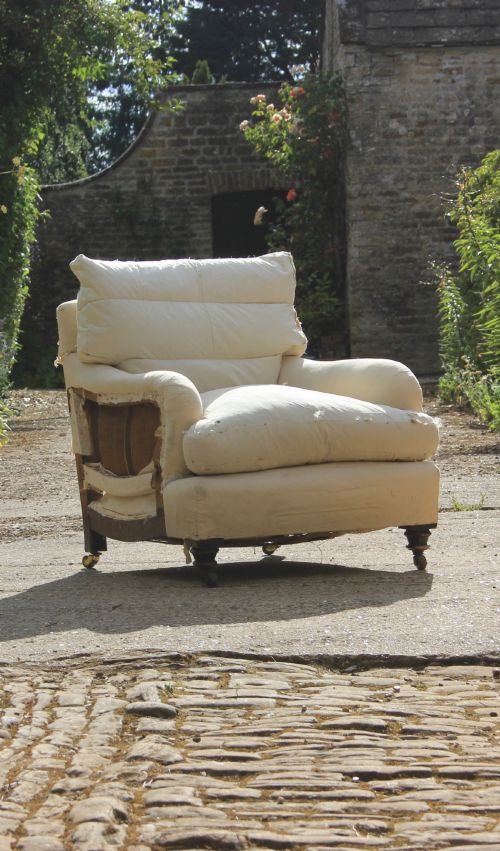
The choice of covering fabric, from standard calico lining to specific decorative cottons, influences the overall character and finish of the seating.
Some armchairs come with matching footstools designed for resting tired Victorian ankles.
Howard and Sons·James Shoolbred·Trollope and Sons·William Morris
The Upholstered Howard Sons Chair Glossary
- Bridgewater armchair
- A characteristic deep-seated armchair design associated with comfortable club seating. This model forms a staple of traditional English lounge furniture.
- Ticking
- A tightly woven heavy cotton or linen fabric traditionally used as a durable under-cover or outer cover. It protects the internal stuffing while providing a clean appearance.
- Calico
- A plain-woven cotton fabric utilised as an inner lining layer beneath decorative top covers. It holds the internal padding securely in place.
- Castor
- A small wheel mounted on a swivel attached to the foot of the chair. Brass versions are common on nineteenth-century upholstered seating.
- Button back
- An upholstery technique where depressions are formed in the padding using buttons pulled tight and secured to the frame. This method adds firmness and pattern to the backrest.
Upholstered Howard Sons Chair: Frequently Asked Questions
How do I spot an authentic piece?
Look for maker stamps impressed into the wooden frame or stamped directly onto the brass castors. Paper labels or specific ticking signatures also help confirm origin.
Compare the proportions and spring action against documented examples from the nineteenth century.
Where should I place an armchair?
These comfortable seats suit studies, drawing rooms, and bedrooms where deep seating is beneficial. Their classic profile works well alongside period wooden furniture.
Allow enough space around the chair to appreciate the profile of the arms and castors.
Can I reupholster the chair?
Traditional upholstery methods allow for new fabric covers while preserving the internal springs and webbing. Many pieces utilise calico beneath the main fabric layer for this exact purpose.
Consult a restorer familiar with period techniques to maintain the correct sit and shape.
What is the difference between styles?
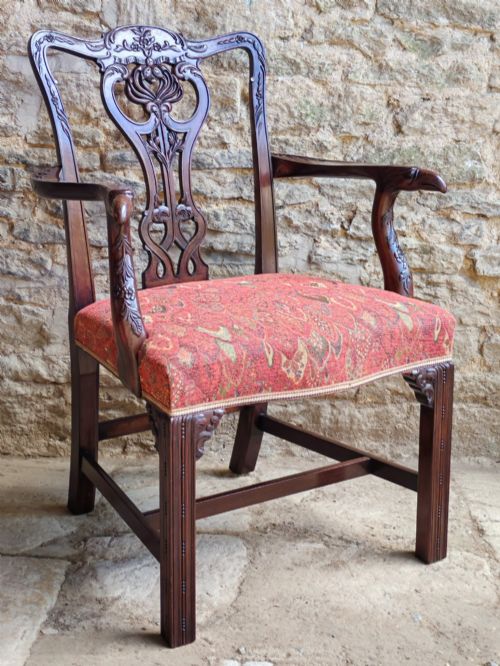
Different models such as the Bridgewater or Grafton offer variations in arm shape, depth, and back height. Some feature open wooden arms while others are fully upholstered.
Side chairs and slipper models provide smaller alternatives to the heavy club armchair.