


Upholstered Howard Armchair
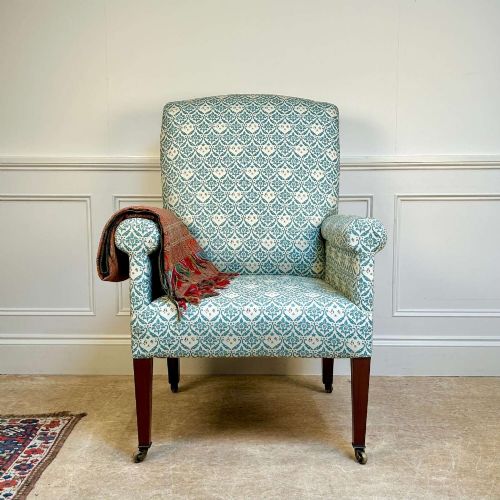
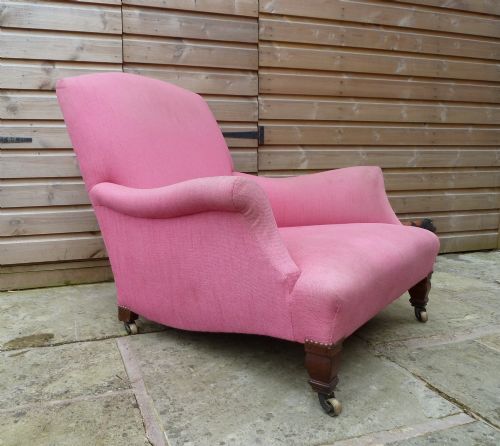
An upholstered howard armchair offers deep-seated comfort rooted in Victorian and Edwardian English country house style.
Upholstered Howard Armchair
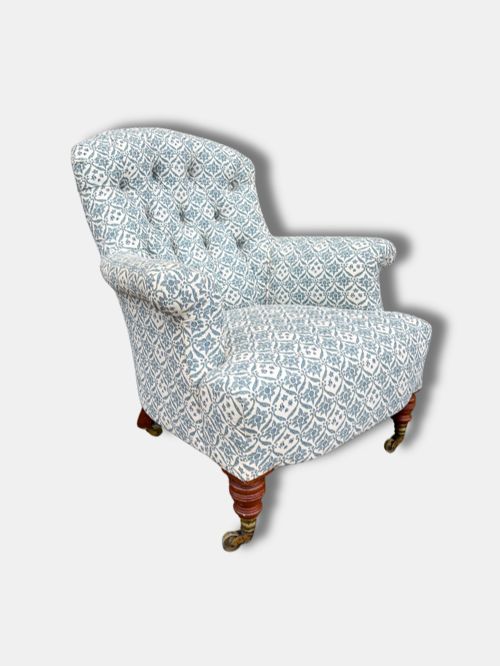
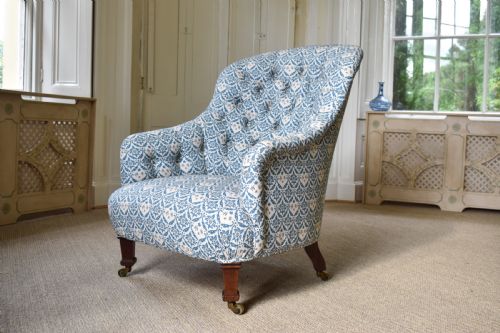
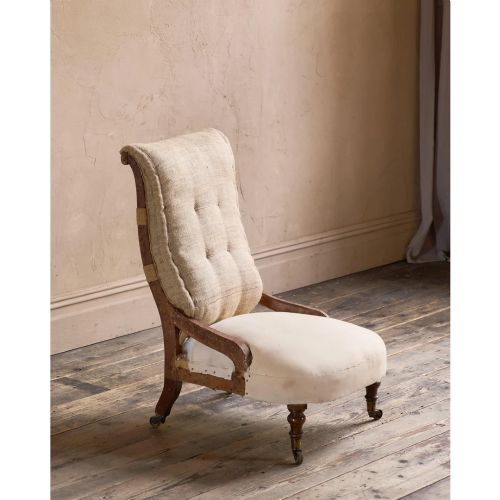
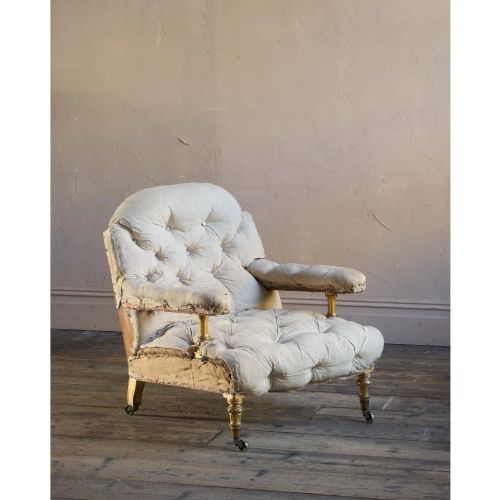
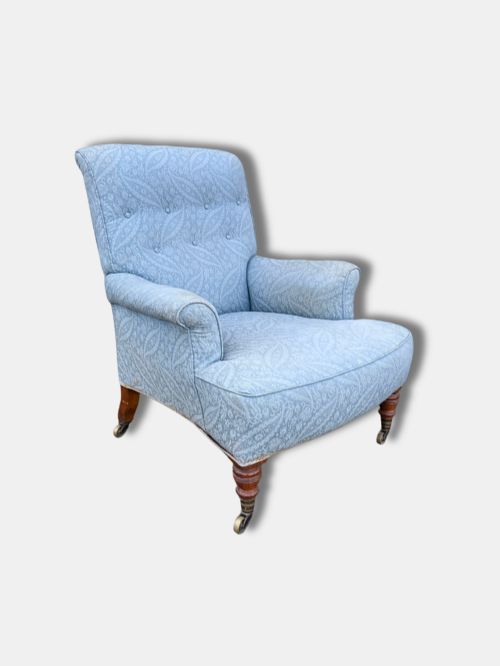
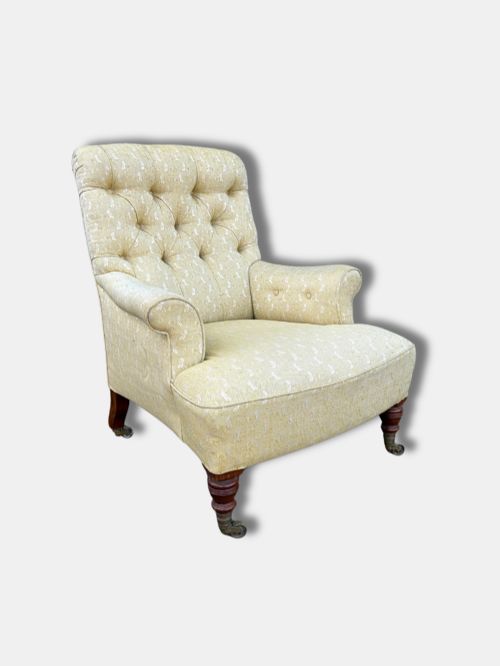
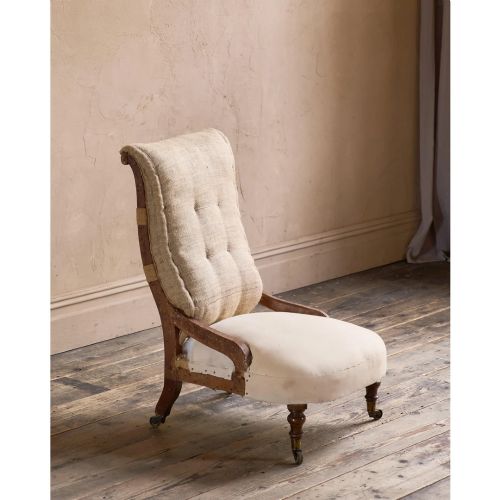
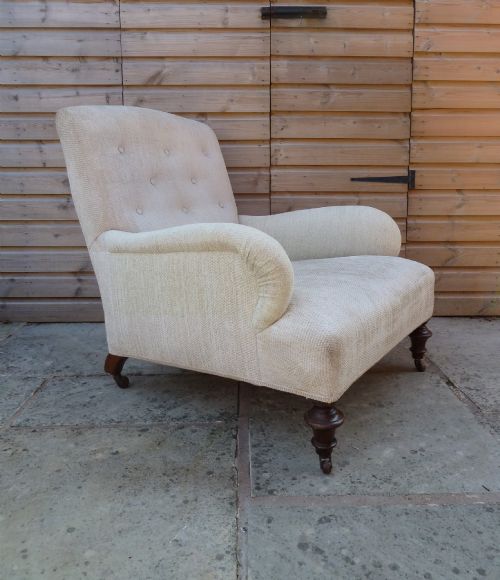
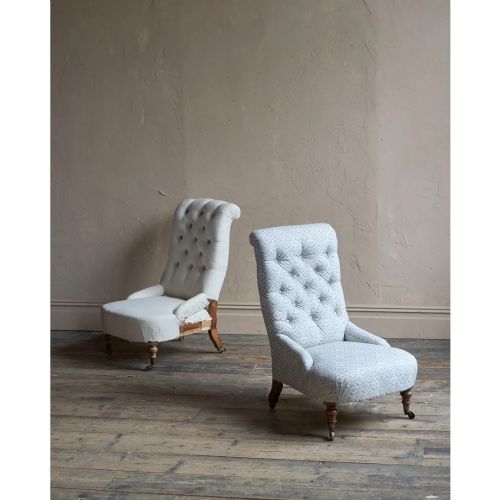
An upholstered howard armchair is a seating form defined by generous proportions and traditional English country house character. The pieces found here span the nineteenth century, the Edwardian era, and later periods, capturing distinct regional styles such as Woodstock and Grafton alongside maker-attributed pieces. Buyers searching for an upholstered howard armchair typically encounter large, deep-seated club chairs, button-back designs, and low bedroom chairs.
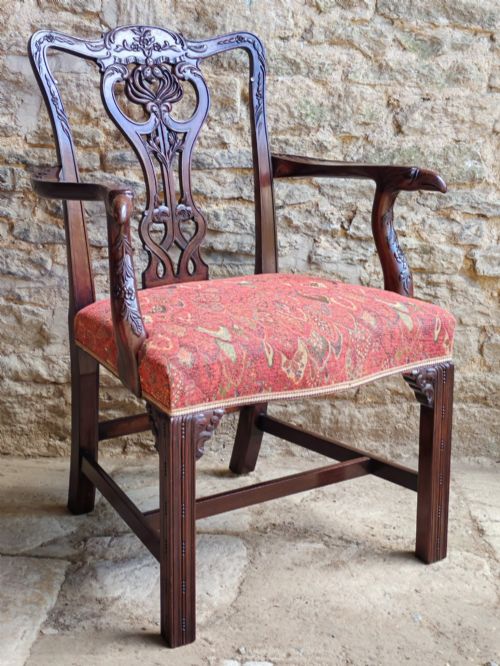
Many examples emerge from the Victorian and Edwardian periods, featuring distinctive model names like the Bridgewater, Ingleby, Ennismore, and Ivor. These chairs range from substantial armchairs with matching footstools to open armchairs with aesthetic movement legs. The selection demonstrates how makers adapted the form for drawing rooms, libraries, and bedrooms alike.
How they were made
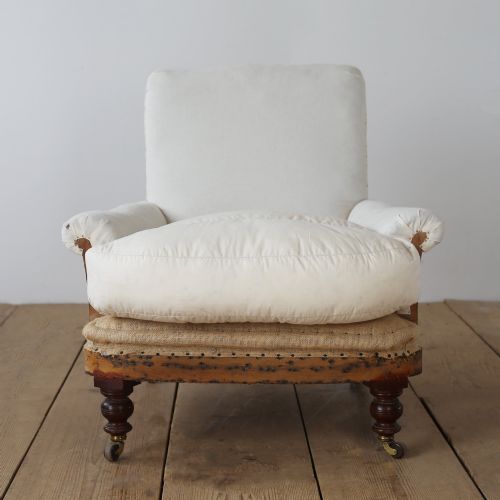
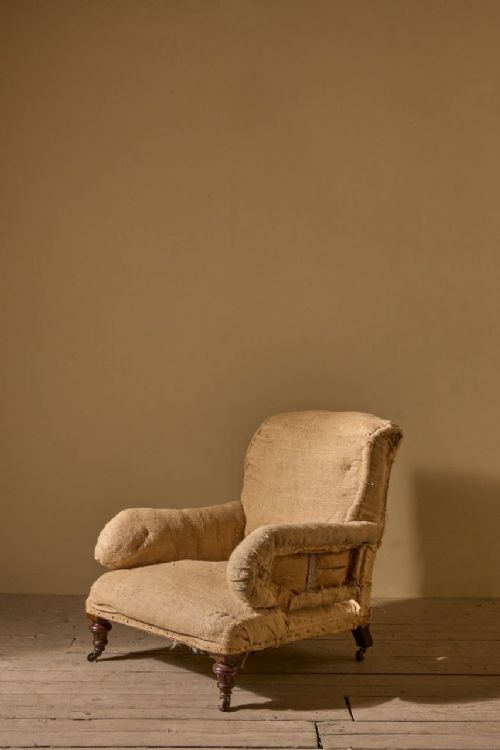
The foundational structure relies on sturdy hardwoods such as mahogany and walnut, providing a rigid skeleton for the deep seating. Traditional upholstery techniques utilise heavy support materials including hessian and calico beneath the outer fabric covering. Brass castors frequently finish the feet, allowing the heavy frames to move across wooden floors and carpets.
Makers shaped these chairs with sprung seats and deep padding designed for extended comfort. The visible woodwork on frames and open arms received careful turning and polishing, while exposed legs often incorporated brass fittings or ceramic castors to aid manoeuvrability.
Upholstered Howard Armchair Retail Price Guide 2026
Typical asking prices for upholstered howard armchair among the pieces listed under this phrase on Sellingantiques today, from the lower quarter to the upper quarter. They describe what is for sale here now, not the wider market.
Period examples span from mid-nineteenth-century Victorian designs through Edwardian models to pieces produced later than nineteen sixty.
What varies in quality
The distinction between standard production and top-tier execution lies in the integrity of the internal stuffing and the crispness of the frame's carpentry. Superior examples retain original tension in the springs and dense internal layering that maintains the characteristic low, deep profile over decades of use. Maker attribution also plays a role, with documented workshop pieces commanding particular attention for their construction standards.
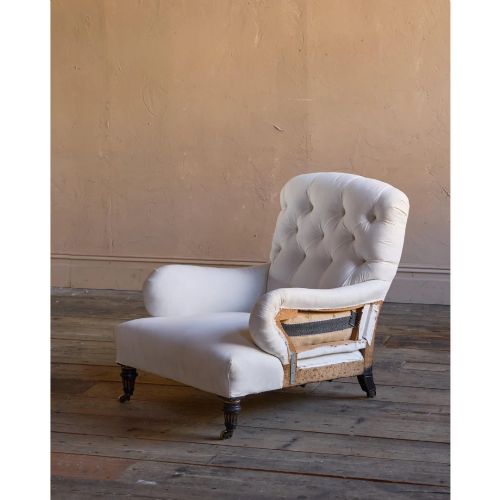
Fabric choice and upholstery finish reveal the level of craftsmanship invested in the piece, from tightly fitted ticking to hand-tufted button backs. The weight and stability of the hardwood frame, coupled with finely turned legs and quality brass castors, separate robust workshop output from simpler interpretations.
Howard and Sons·Robert Strahan Dublin
The Upholstered Howard Armchair Glossary
- Button back
- An upholstery style where depressions are formed in the padding by pulling buttons tight against the backrest. This technique creates a diamond pattern across the fabric surface.
- Hessian
- A coarse woven fabric utilised as a foundational support layer beneath the final upholstery covering. It provides underlying tension for the internal stuffing.
- Calico
- A plain-woven cotton fabric employed as an interim lining layer in traditional upholstery work. It encases the internal stuffing before the application of decorative top fabrics.
- Aesthetic movement
- A late nineteenth-century design style emphasising visual and compositional qualities over narrative content. In these chairs, it appears through specific leg turnings and structural details.
Upholstered Howard Armchair: Frequently Asked Questions
What defines a howard armchair?
A howard armchair is characterised by low, comfortable proportions, deep seating, and traditional English upholstery methods. These chairs were built for sustained relaxation in nineteenth and twentieth-century country houses.
Key identifiers include sturdy hardwood frames, sprung seats, and specific model names associated with maker workshops. Their design prioritises comfort without sacrificing structural elegance.
How do I identify a period piece?
Dating relies on examining the underlying construction materials, frame timbers, and upholstery techniques. Nineteenth-century examples often utilise heavy hardwoods, traditional hessian webbing, and hand-turned wooden legs.
Maker stamps, specific model names like Bridgewater or Ennismore, and stylistic cues such as aesthetic movement legs also help establish the date and origin of the chair.
How were these chairs used originally?
These armchairs served as principal seating in Victorian and Edwardian drawing rooms, libraries, and country house sitting rooms. Their deep proportions were engineered for long hours of reading and conversation.
Smaller variations, such as bedroom chairs or slipper chairs, were designed for dressing rooms and private chambers, matching the decorative scheme of the main residence.
How do I care for antique upholstery?
Maintaining fabric upholstery requires regular, gentle vacuuming using a low-suction attachment to remove dust from deep buttoning and crevices. Avoiding direct sunlight prevents the fading of delicate textiles and ticking.
Wooden legs and exposed frames benefit from occasional dusting with a dry cloth and sparing application of appropriate wax polish to preserve the finish.