
Upholstered French Seat
An upholstered French seat brings classic continental proportion and tactile textile layers into a room, offering both sculptural presence and deep comfort.
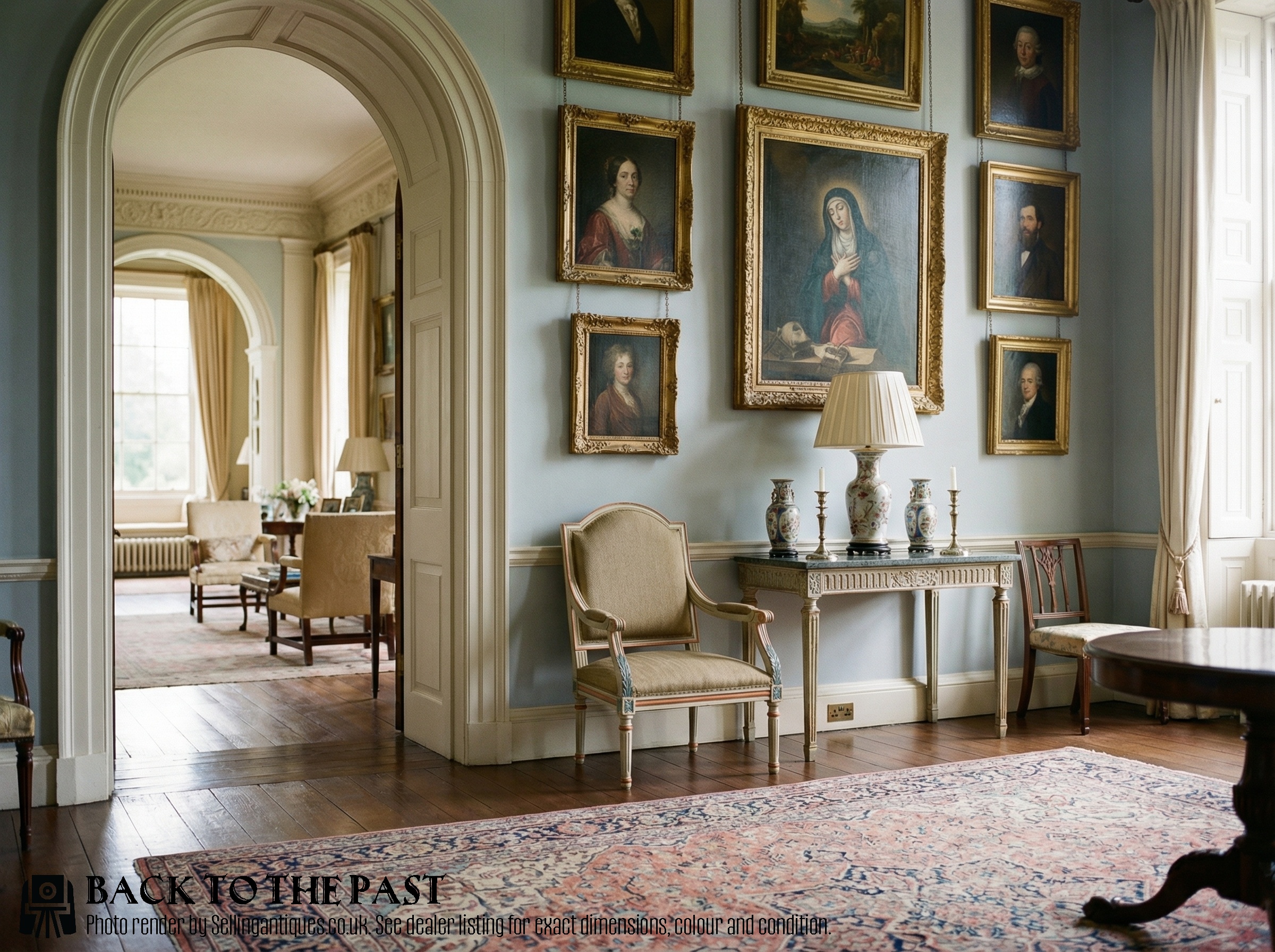
Upholstered French Seat
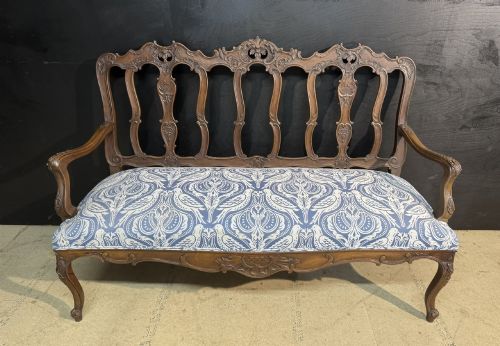
When searching for an upholstered French seat, a buyer encounters a diverse range of seating forms including armchairs, bergères, window seats, daybeds, and sofas. The selection spans compact footstools to expansive three-seater couches, reflecting various periods from the eighteenth century through to the twentieth century.
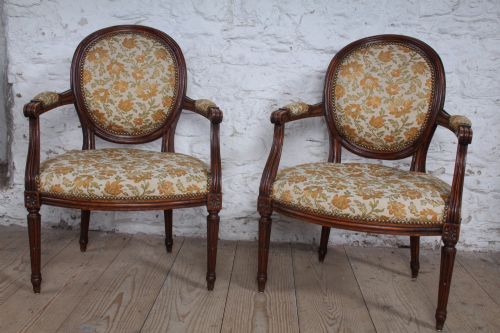
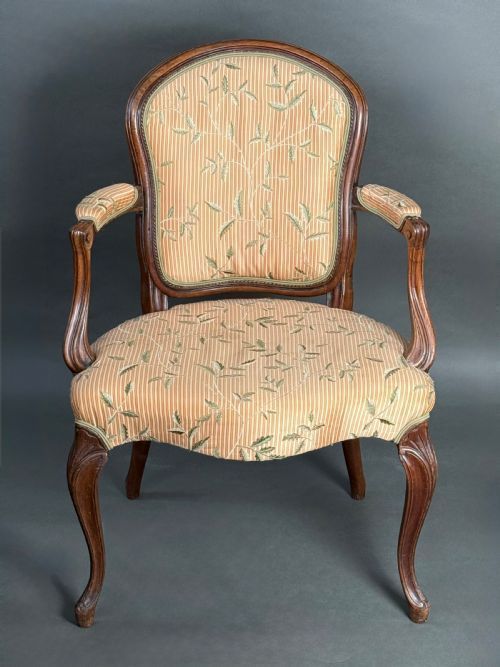
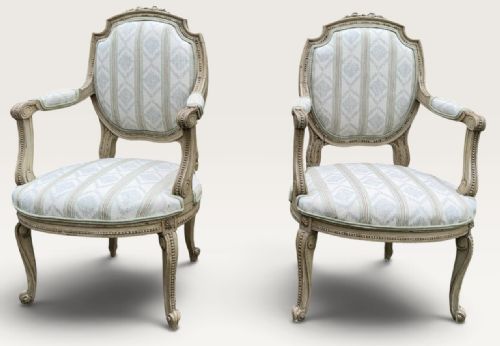
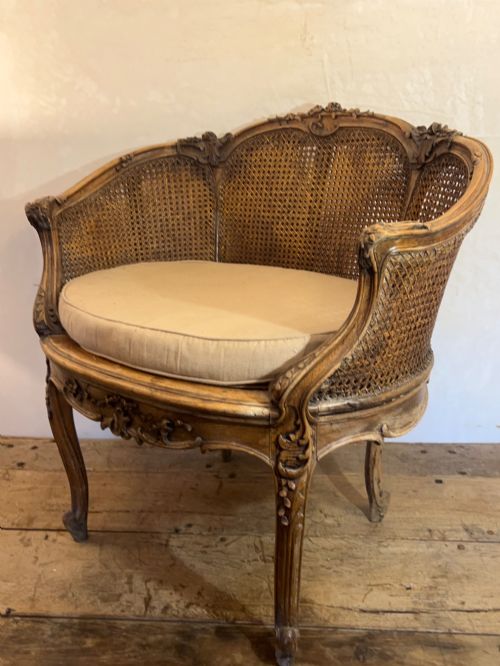
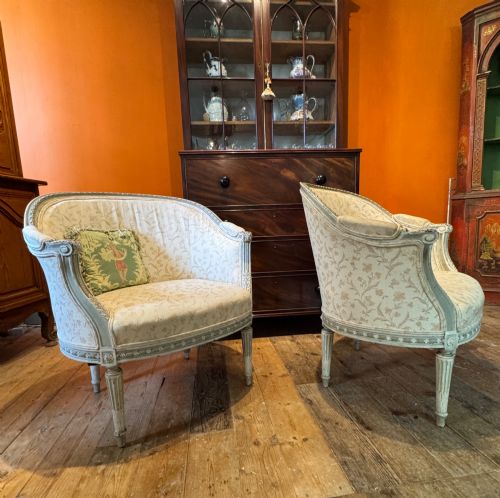
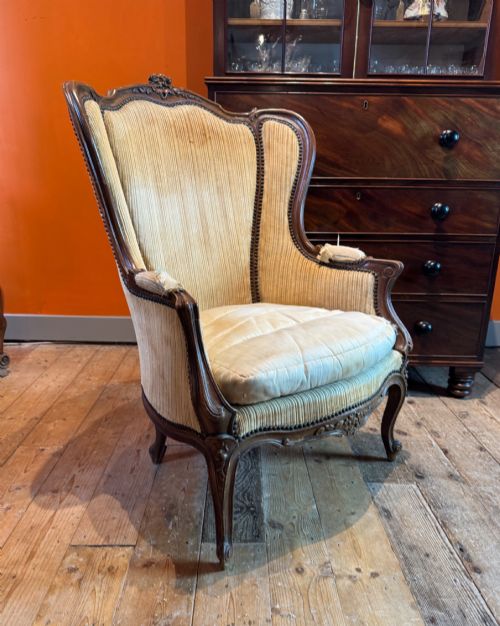
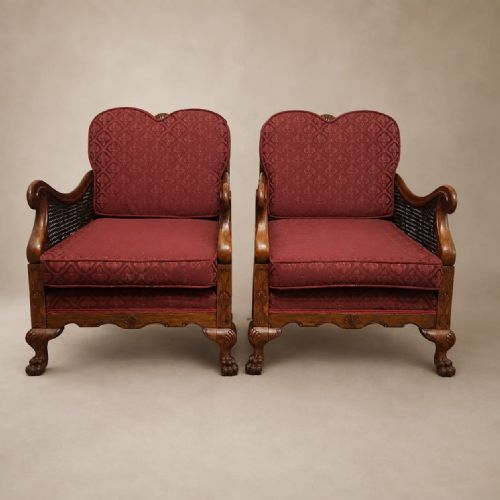
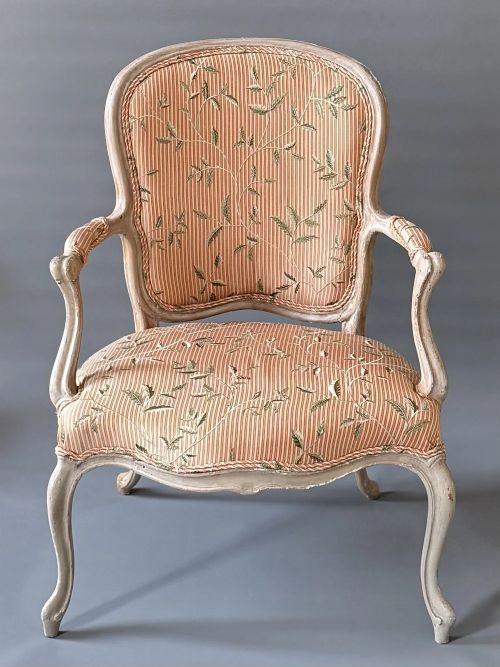
Armchairs and bergères dominate the listings, frequently rendered in styles such as Louis XV, Louis XVI, and Rococo Revival. These pieces often feature exposed wooden frames combined with padded seats, backs, and armrests upholstered in textiles like silk, velvet, tapestry, and toile de Jouy.
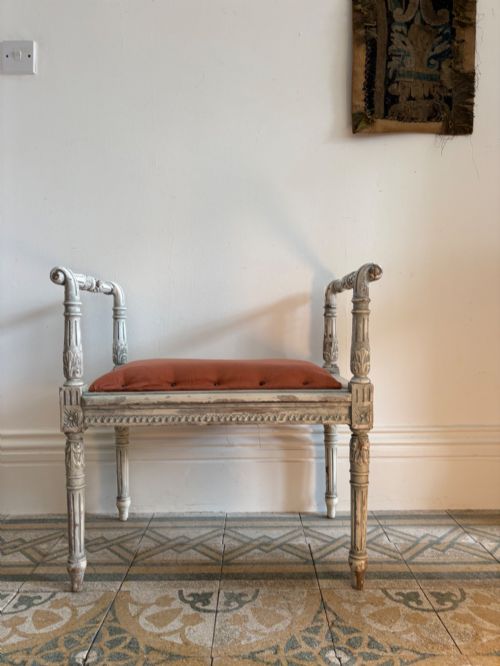
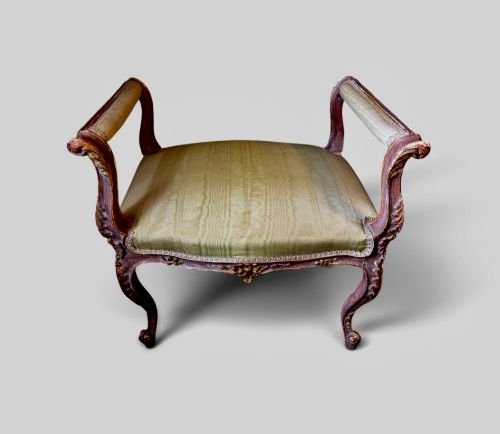
Smaller forms like window seats, duet music stools, and ottomans provide versatile options for hallways and bedrooms. Many examples display regional character under headings like French Provincial or French Chateau, alongside later revivals from the nineteenth and early twentieth centuries.
Materials and construction methods
Frame construction relies heavily on native timbers such as walnut, beech, oak, and mahogany, chosen for their strength in carved load-bearing structures. Giltwood, painted finishes, and parcel gilding frequently adorn these wooden skeletons, particularly on pieces adhering to formal court styles.
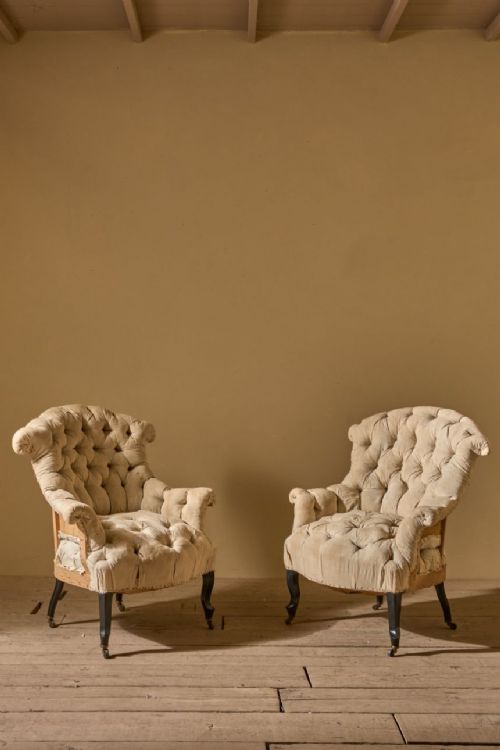
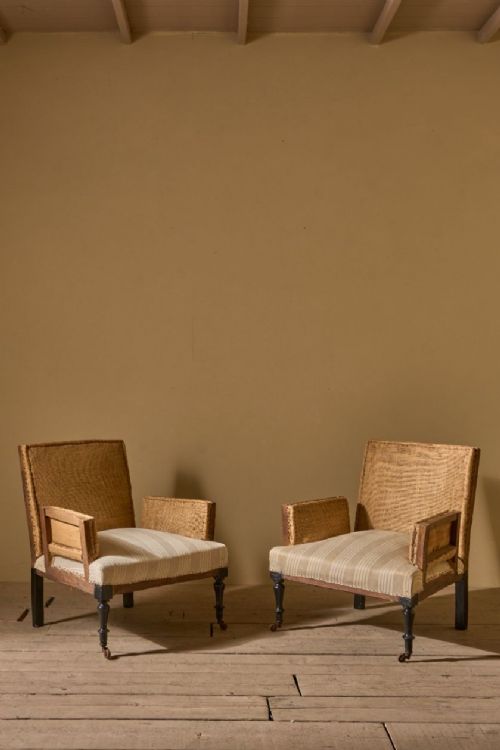
Upholstery techniques incorporate traditional stuffing and springing methods, finished with textiles including silk, wool tapestry, cotton, and leather. Caning appears on specific bergère forms, while details like brass tacks and feather cushions secure the padding within the wooden armatures.
Listings feature traditional seating frames constructed from solid walnut, beech, and oak, alongside giltwood and painted finishes.
Evaluating craftsmanship and condition
Quality in these seats resides in the crispness of the hand-carved woodwork and the structural integrity of the frame joints. Superior examples exhibit fluid lines on walnut or giltwood frames, whereas lesser pieces show blunt carving or replacement sections.
The choice and execution of the upholstery also dictate value, with hand-woven tapestries, silks, and original paint finishes holding distinct advantages over modern replacement textiles. The harmony between the decorative textile and the underlying period style governs the overall success of the piece.
The Upholstered French Seat Glossary
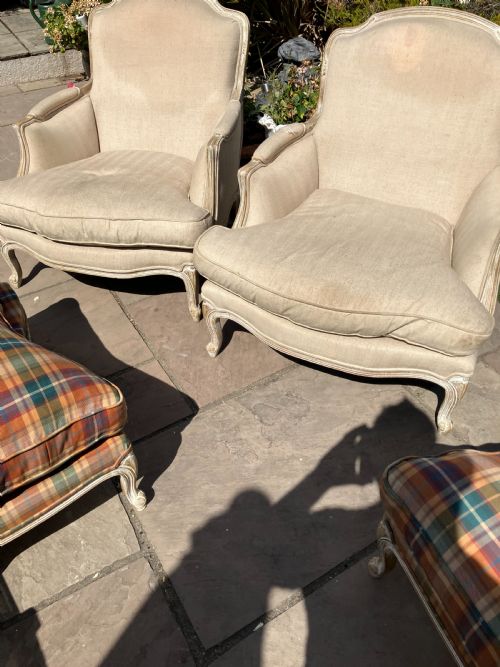
- Bergère
- An enclosed upholstered armchair with wooden sides and a built-in upholstered back and seat. It often includes a loose seat cushion filled with feathers or down.
- Canapé
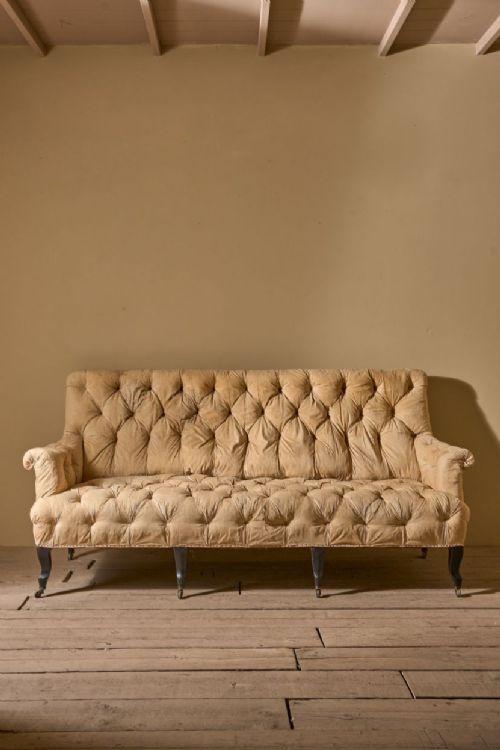
- A traditional French term for a small sofa or settee, usually accommodating two or three people. These pieces share stylistic traits with contemporary armchairs.
- Giltwood
- Timber that has been coated with a thin layer of gold leaf or gold paint for decorative effect. It is common on formal eighteenth-century and revival seating.
- Toile de Jouy
- A traditional cotton or linen textile featuring printed pastoral scenes in a single colour on a light background. It frequently appears on French seating upholstery.
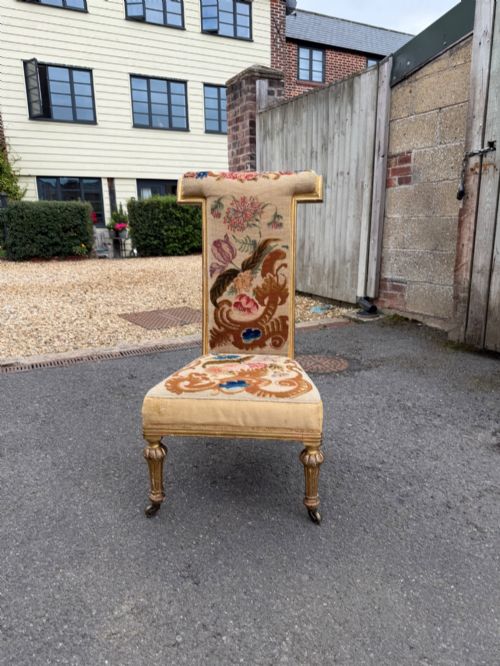
- Prie Dieu
- A devotional chair designed for kneeling during prayer, featuring a low seat and a padded upper rest for the arms. Nineteenth-century interpretations are common.
- Ormolu
- Gilded bronze mounts applied to furniture for decorative accent during various periods. It enhances the visual richness of the wooden frame.
Upholstered French Seat: Frequently Asked Questions
How do I identify a Louis XV style seat?
A Louis XV style seat is characterised by asymmetric curves, cabriole legs, and carved floral motifs. The woodwork often flows continuously without sharp corners.
Look for serpentine rails and cartouche-shaped backs that soften the overall silhouette of the armchair or sofa.
Can I use a window seat in a hallway?
Window seats and low benches adapt well to narrow hallways or entryways due to their compact depth. They provide a practical surface for putting on shoes while introducing period character to transitional spaces.
Ensure the upholstery fabric is robust enough to handle higher traffic areas if placed near an entrance.
How do I care for antique silk upholstery?
Antique silk upholstery requires protection from direct sunlight to prevent the fibres from weakening and fading. Gentle vacuuming with a soft brush attachment helps remove surface dust without pulling the weave.
Professional textile conservators should handle any deep cleaning or repairs required for fragile historic fabrics.