

Upholstered Country Armchair
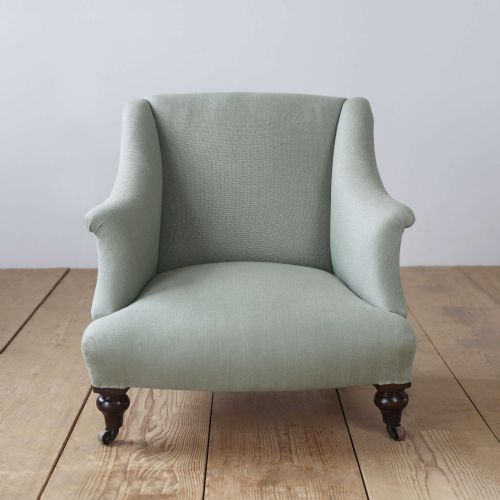
An upholstered country armchair offers deep, slouching comfort rooted in rural English and French traditions.
Upholstered Country Armchair
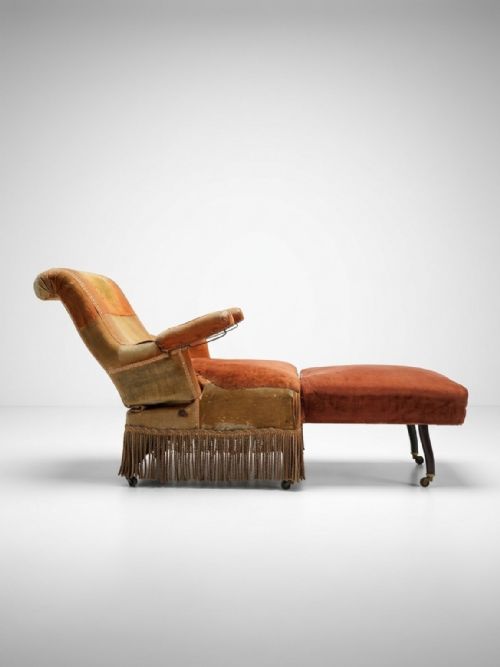
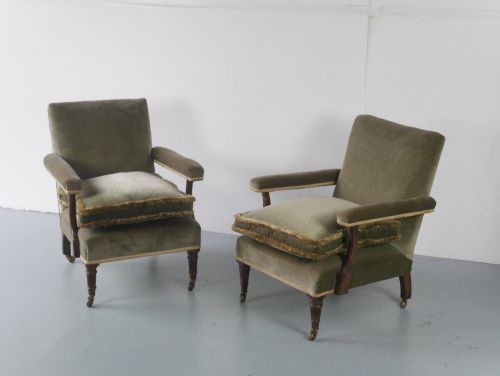
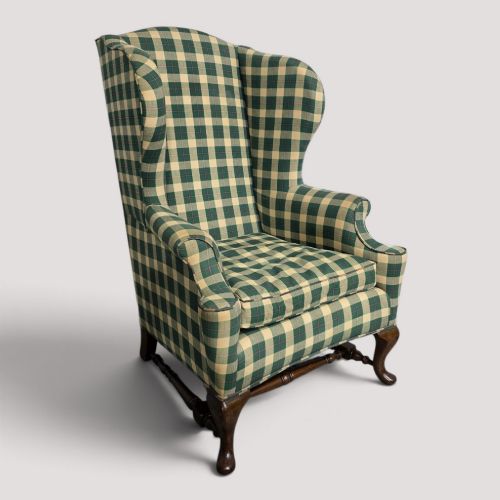
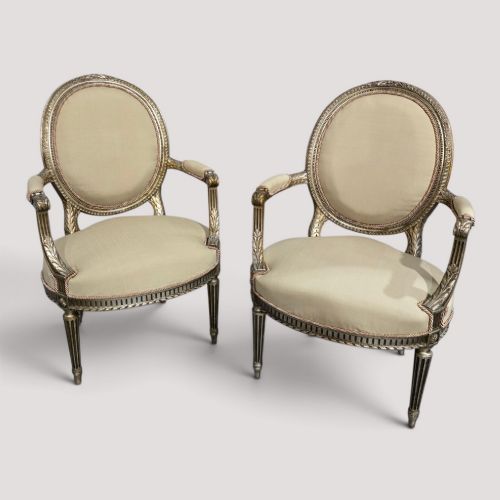
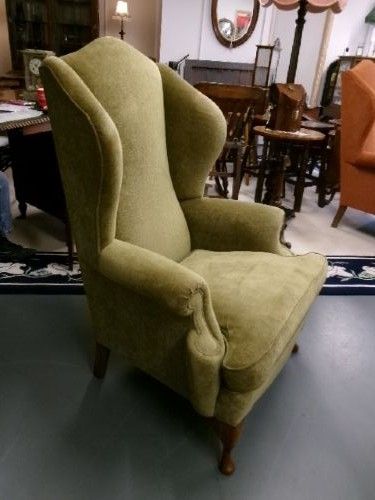
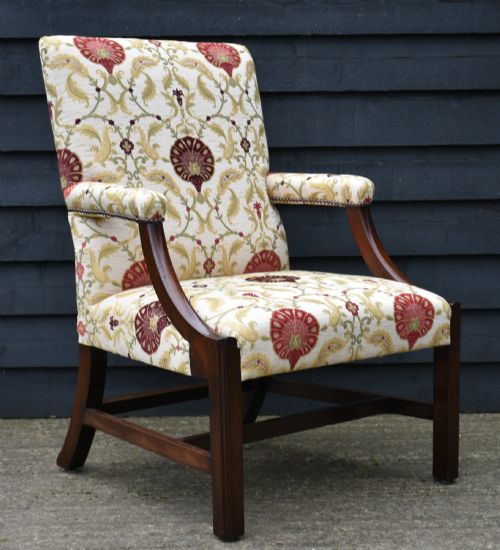
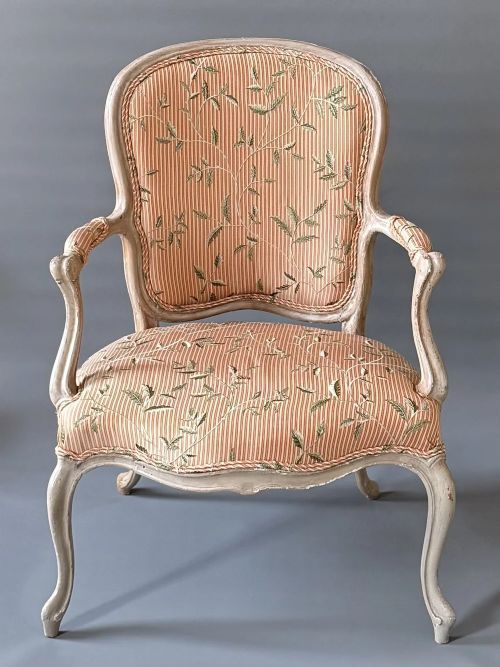
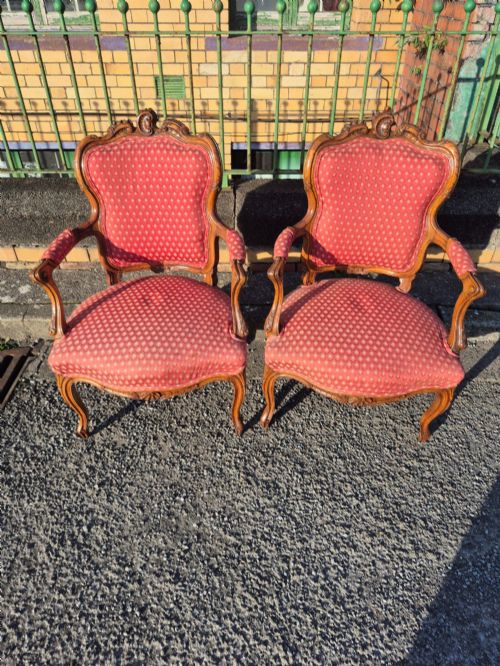
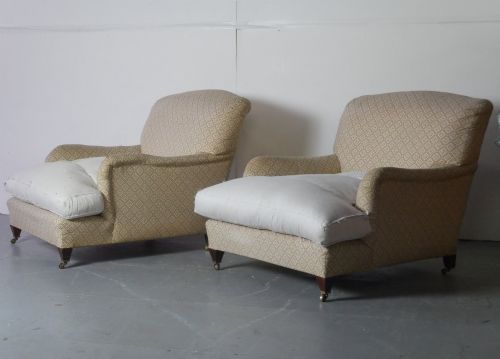
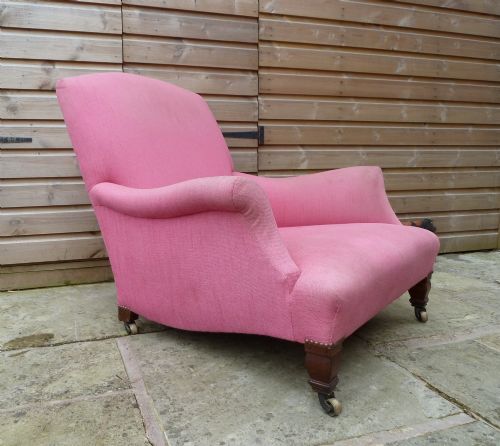
When you search for an upholstered country armchair, you look for generous seating designed for relaxed domestic interiors rather than formal formal parlours. The pieces gathered here span from the eighteenth century through to the nineteen-thirties, taking in English country house models, scroll backs, and generous open armchairs.
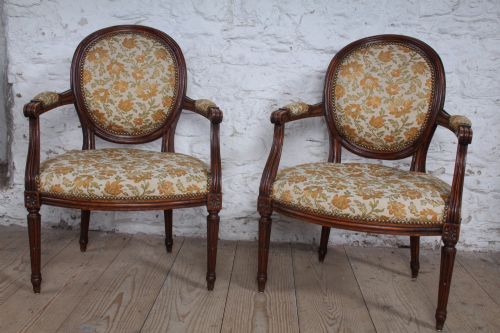
The selection on this page relies heavily on nineteenth-century examples alongside eighteenth-century Georgian and provincial French pieces. You will frequently encounter low-slung profiles, scrolled arms, and deep seats intended for long hours of reading or fireside rest.
Makers such as Howard and Sons and Gillows appear alongside unattributed vernacular pieces built for regional estates. Whether styled with French walnut frames or sturdy mahogany, these chairs prioritise ease and domestic utility.
How they were made
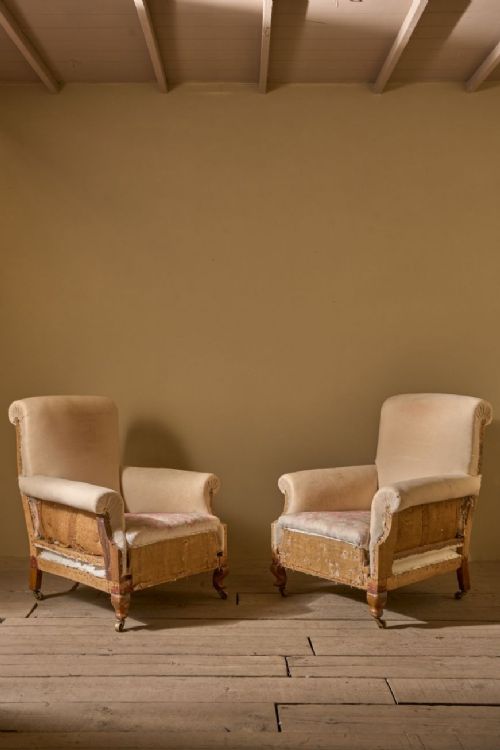
Makers constructed the exposed frames of these armchairs from dense hardwoods, predominantly mahogany, walnut, and oak, carved or turned by hand. These timber skeletons provided the rigid architectural support necessary to withstand decades of heavy daily use.
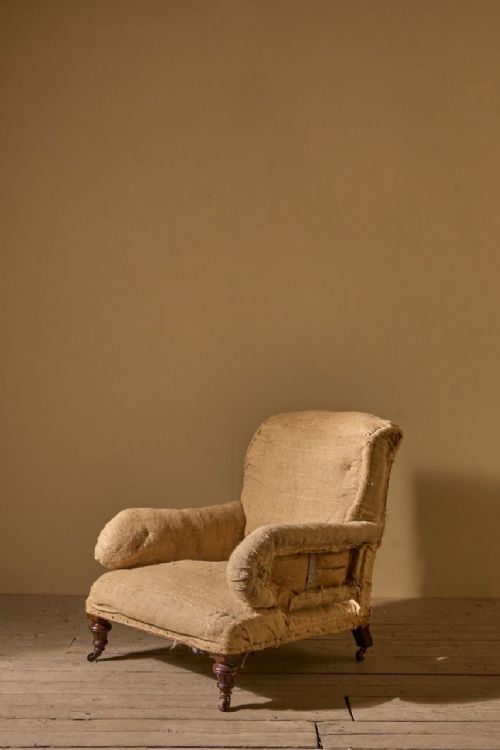
Traditional upholstery techniques involved webbing, coil springs in later iterations, and generous stuffing layered beneath outer textiles like calico, Hessian, and decorative printed fabrics. Feather filling often provided the soft cushioning characteristic of high-comfort country house seating.
Many a nineteenth-century reader dozed so soundly in these deep seats that several show distinct elbow indents.
What varies in quality
Quality rests primarily in the integrity of the underlying timber frame and the retention of original structural lines. Chairs retaining their original upholstery stuffing schemes and uncompromised wood joints command greater respect from collectors.
The refinement of the carving on the arms and legs distinguishes standard provincial workshop output from pieces attributed to premier cabinet makers. Proportions also dictate desirability, with oversized or particularly deep proportions marking the most sought-after domestic seating.
Howard and Sons·Gillows·Whytock and Reid·Morison and Co·Mellier and Co
The Upholstered Country Armchair Glossary
- Calico
- A plain-woven cotton fabric used as the traditional inner lining and base layer beneath decorative top upholstery.
- Hessian
- A coarse woven fabric, usually made from jute fibres, utilised for internal webbing and stuffing support.
- Scroll back
- An armchair design featuring a backrest that curves gracefully backward at the top rail, often seen in nineteenth-century country house seating.
- Wingback
- An armchair with high sides and flanking panels designed to shield the sitter from draughts and trap fireplace heat.
Upholstered Country Armchair: Frequently Asked Questions
What defines an upholstered country armchair?
An upholstered country armchair is characterised by generous proportions, comfortable padding, and robust wooden frames designed for relaxed domestic settings. They often feature exposed timber legs and arms paired with deep, inviting seats.
Unlike formal parlour chairs, these pieces prioritise comfort and utility. They draw on vernacular English and French provincial design traditions.
How do I care for antique upholstery?
Protect antique textiles by keeping chairs away from direct sunlight, which fades delicate fabrics and dries out internal stuffings. Gentle vacuuming through a mesh screen helps remove surface dust without disturbing fragile fibres.
Consult a specialist restorer experienced in traditional stuffing methods when repairs are necessary. Avoid modern synthetic cleaning agents on historic calico or Hessian.
How can I tell a Georgian chair from a Victorian one?
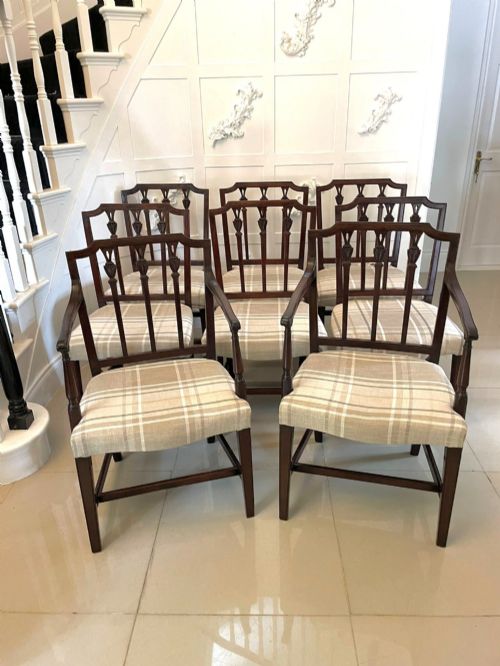
Georgian frames, dating from the eighteenth century, typically display lighter, more elegant proportions and fine mahogany or walnut carving. They often reflect strict classical design influences such as Chippendale or Hepplewhite.
Victorian chairs from the nineteenth century are generally heavier and more robust, accommodating larger upholstered surfaces and deep buttoning. They frequently utilise sprung seats and eclectic revival styles.
Were these chairs used only in drawing rooms?
While grand reception rooms housed many fine examples, these armchairs saw service across bedrooms, libraries, and quiet studies. Provincial country houses utilised them wherever informal comfort mattered most.
Smaller bedroom chairs and reading seats served intimate private spaces. Their placement depended entirely on the domestic layout of the estate.