
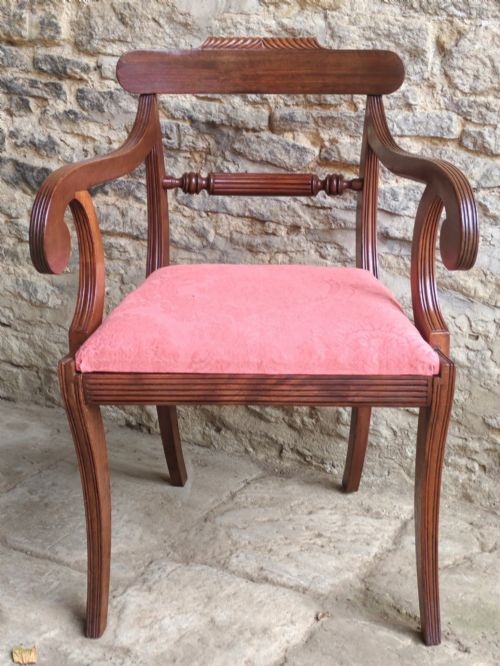
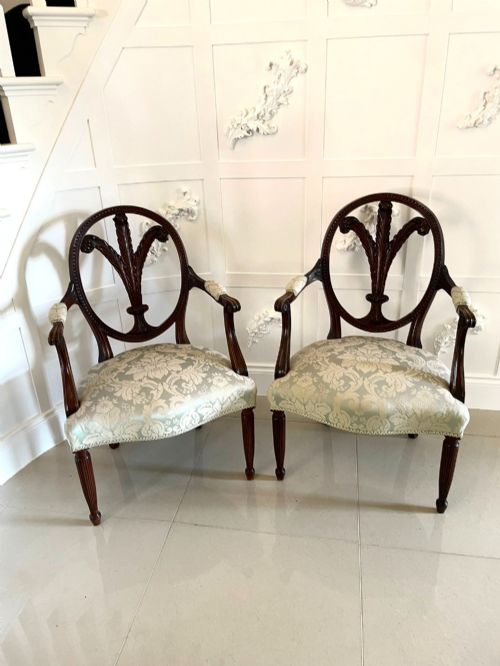
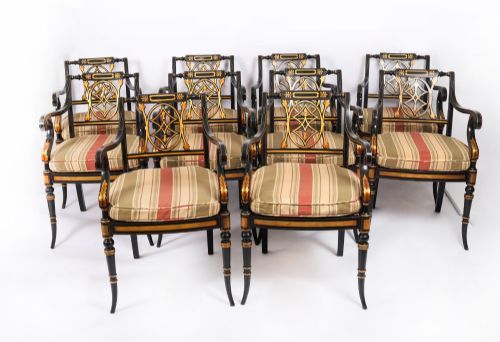
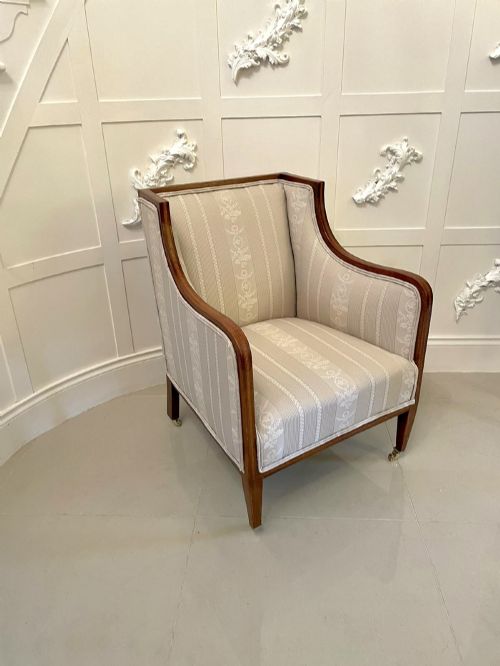
Upholstered Armchairs
Upholstered armchairs bring comfort and historical presence to a room, spanning periods from the eighteenth century to the art deco era.
Upholstered Armchairs
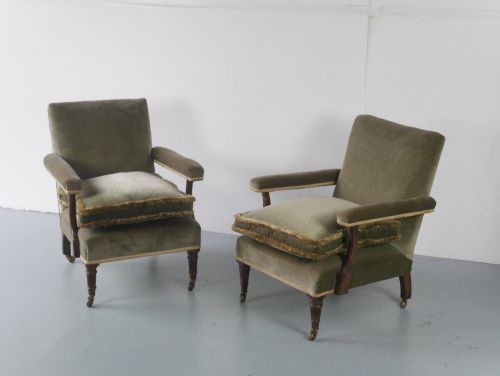
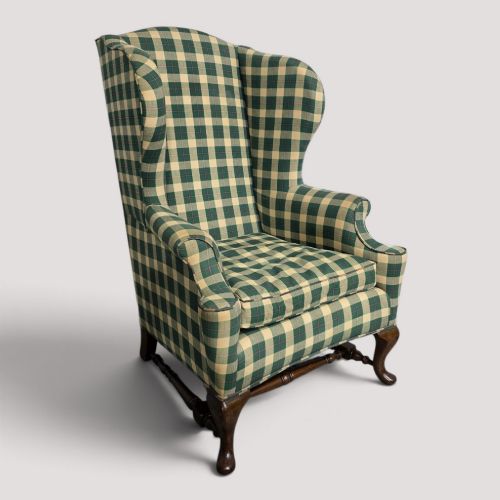
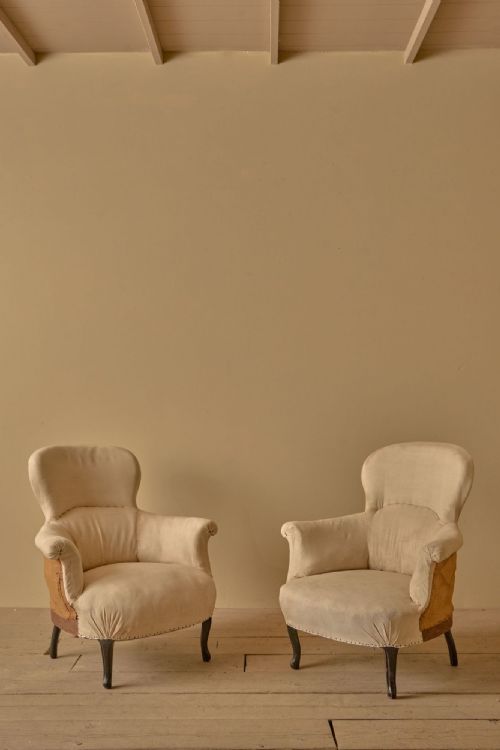
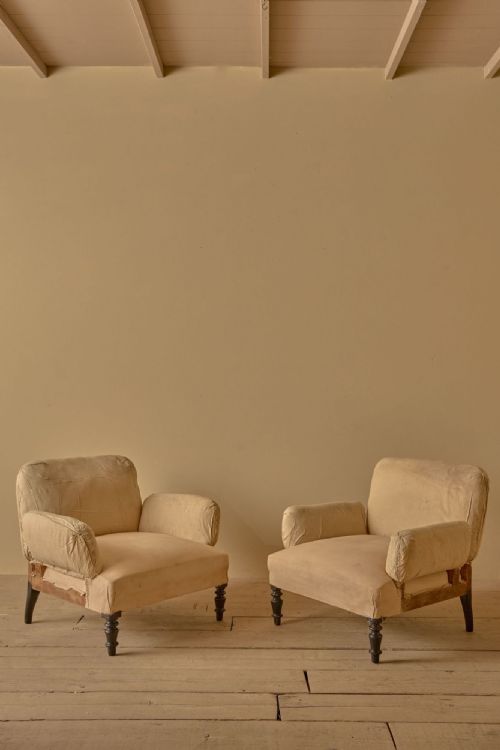
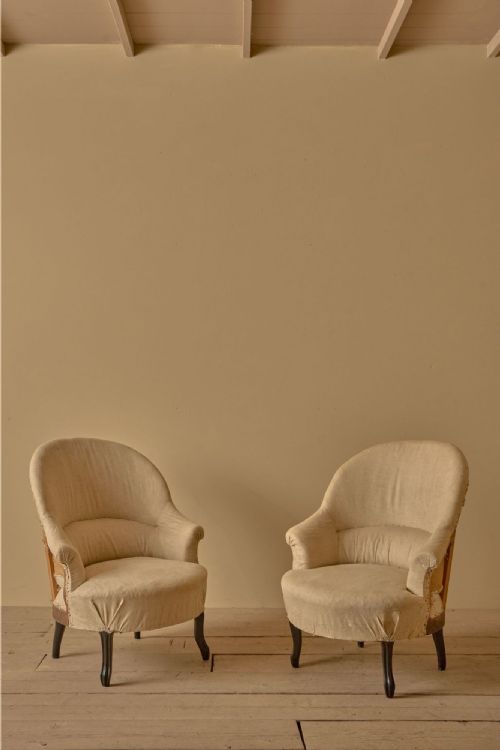
Upholstered armchairs encompass a wide variety of seating forms designed for comfort and reception across multiple centuries. Buyers searching for upholstered armchairs encounter diverse styles ranging from Georgian wing backs to Victorian button-back library chairs and French club chairs.
Victorian and nineteenth-century examples appear frequently alongside eighteenth-century Georgian pieces and early twentieth-century French designs. These seats served various domestic functions, from bedroom chairs and salon seating to heavy library and gentleman's armchairs.
How they were made
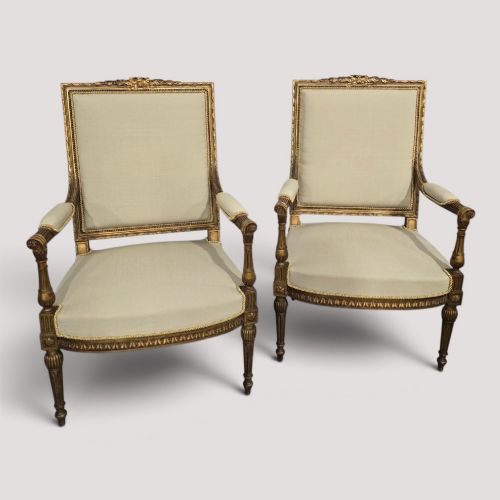
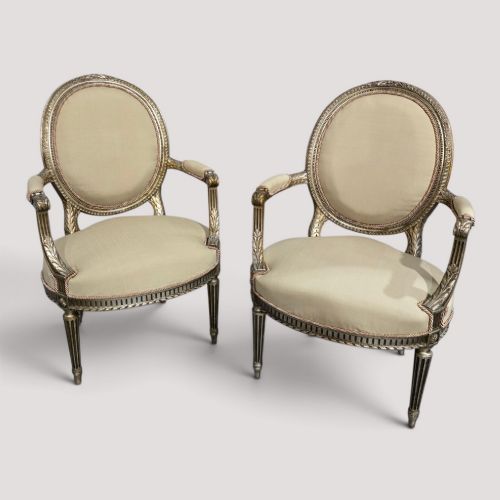
Makers constructed the frames of these armchairs using hardwoods such as mahogany, walnut, oak, and general timber, often applying carved details or bone and boxwood inlay. Gilded finishes and black lacquer also appear on specific French and Victorian frames.
Upholstery techniques relied on traditional textiles including velvet, damask, fabric, and Aubusson tapestry covers, sometimes accented with button-back padding or brass detailing. Structural engineering accommodated mechanical innovations such as the Daws patent reclining mechanism.
Period styles span Georgian, Regency, Victorian, and Art Deco, including specialised forms like spoon backs and library chairs.
What varies in quality
Quality differences emerge in the execution of the timber frame carving, the precision of inlay work, and the original integrity of the woodwork. Pieces displaying refined proportions and detailed craftsmanship by known makers differentiate themselves from standard workshop productions.
The grade and authenticity of the textile covering, whether damask, velvet, or Aubusson tapestry, impact the overall character of the piece. The complexity of the armchair form, such as specialised wing backs, reclining actions, or matched pairs, also influences distinction.
Howard And Sons·Charles Hindley And Sons·Daws Patent
The Upholstered Armchairs Glossary
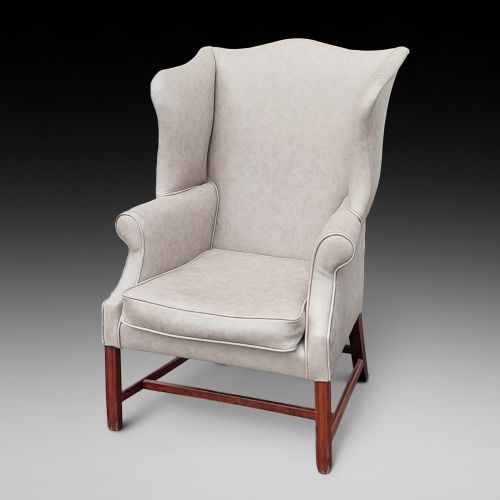
- Wing armchair
- An upholstered seat featuring protective side panels designed to shield the sitter from drafts. These chairs date across Georgian and later nineteenth-century periods.
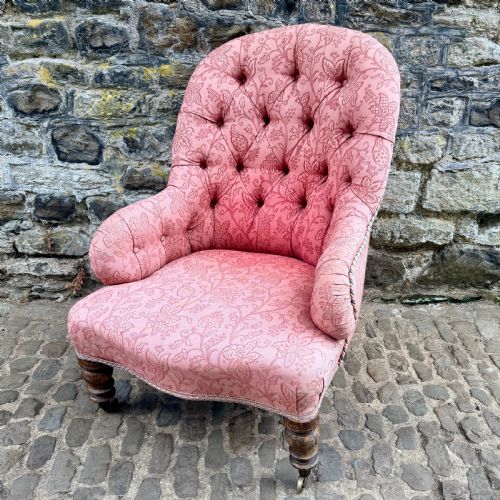
- Button back
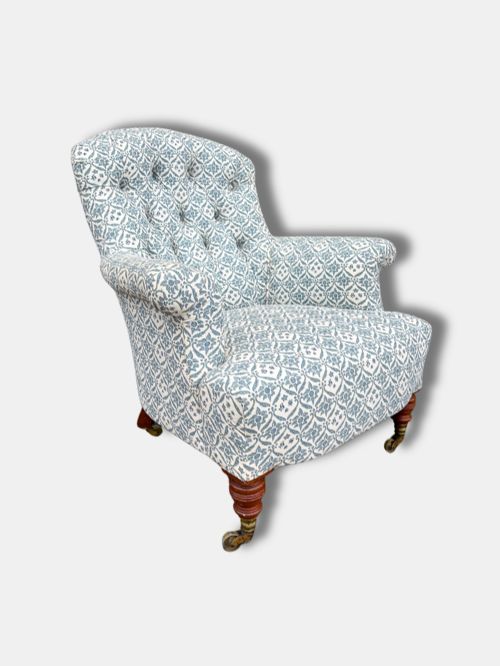
- An upholstery method where the fabric is pulled tight and secured with recessed buttons in a geometric pattern. This technique creates deep tufting characteristic of Victorian seating.
- Slipper chair
- A low-seated upholstered chair originally designed for bedrooms to assist with putting on footwear. They typically lack arms to accommodate voluminous period dresses.
- Club chair
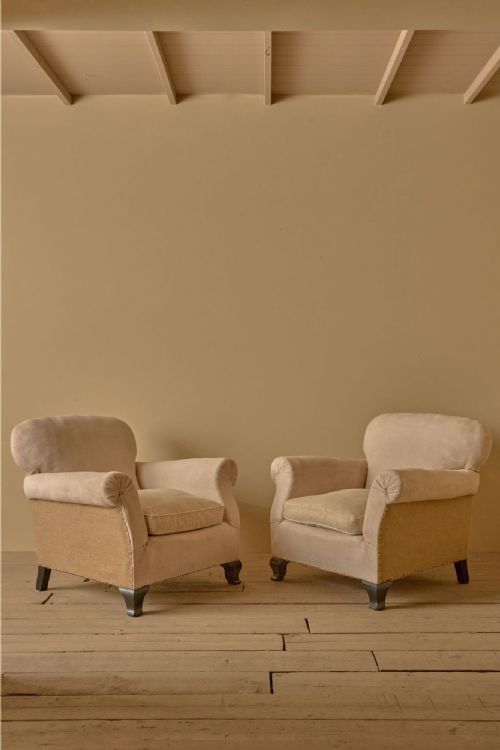
- A deep, heavily upholstered armchair originating in France during the early twentieth century. These chairs prioritize substantial cushioned comfort.
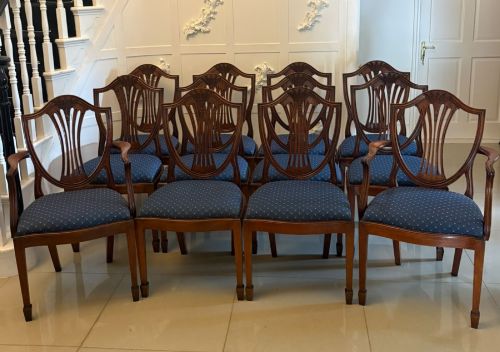
- Carver
- An armchair designed to match a set of dining chairs, usually placed at the head of the table. They feature supportive armrests alongside the standard dining height.
Upholstered Armchairs: Frequently Asked Questions
How do I identify a Victorian button back chair?
Victorian button back chairs utilise deep tufted upholstery secured with fabric or leather buttons across the backrest. The wooden frames are commonly constructed from mahogany or walnut.
Such seating was designed for formal reception rooms and gentleman's studies during the nineteenth century.
What is a French club chair?
French club chairs are heavily upholstered low armchairs that emerged in the early twentieth century. They focus on deep, rounded seating comfort.
These chairs suit relaxed living spaces and studies as durable, deep-seated lounging furniture.
Where were slipper chairs used?
Slipper chairs are low-profile upholstered seats traditionally placed in bedrooms. Their low height and lack of arms assisted individuals with dressing.
In modern interiors, they function well as accent seating in bedrooms or smaller dressing rooms.