

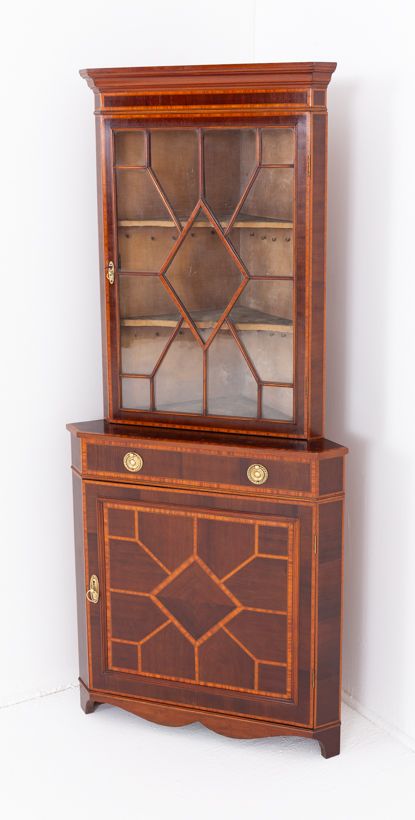
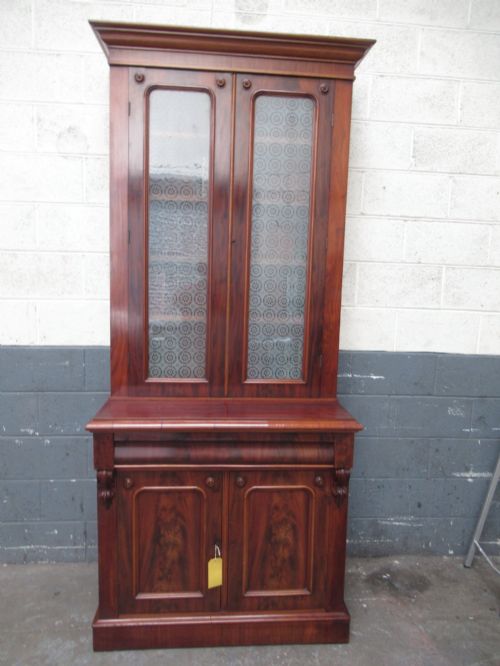
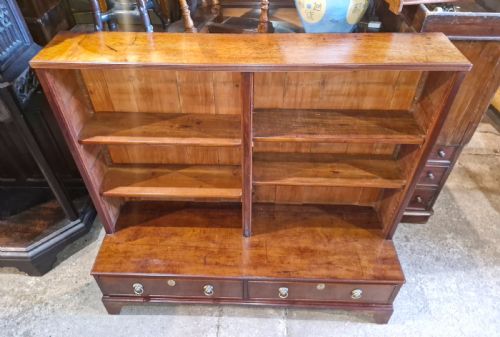

Two Tier Mahogany Cabinet
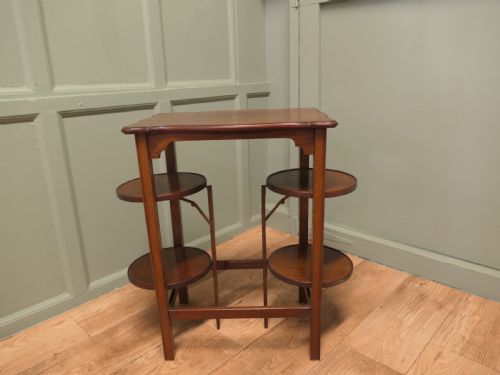
A two tier mahogany cabinet brings useful surface space and rich timber grain to a room, appearing in forms from occasional tables to music cabinets.
Two Tier Mahogany Cabinet
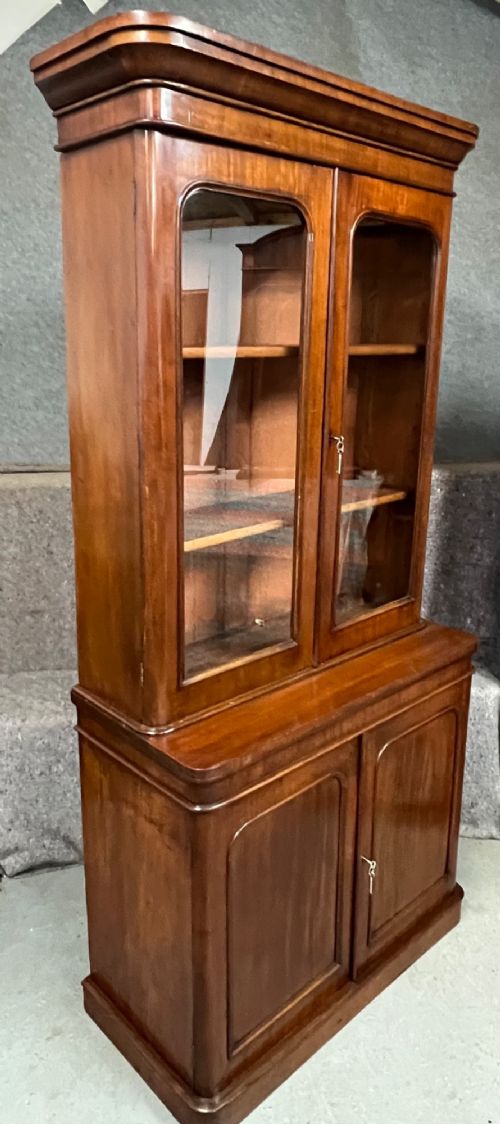
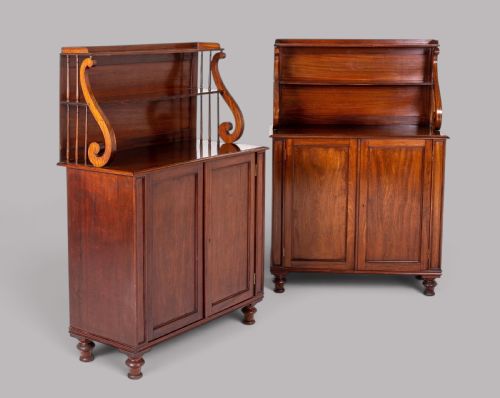
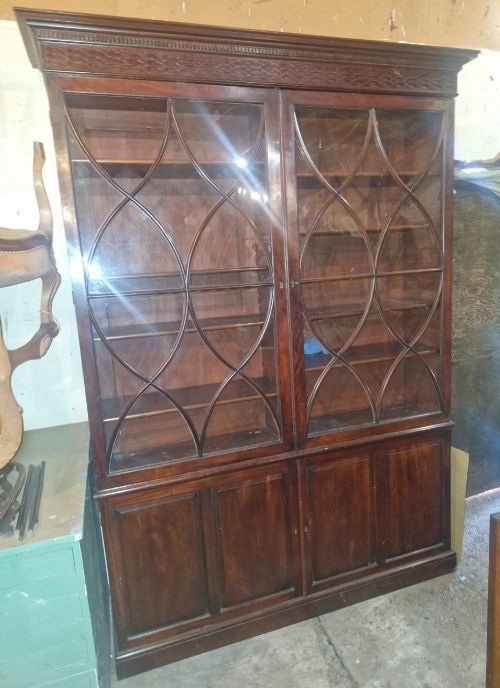
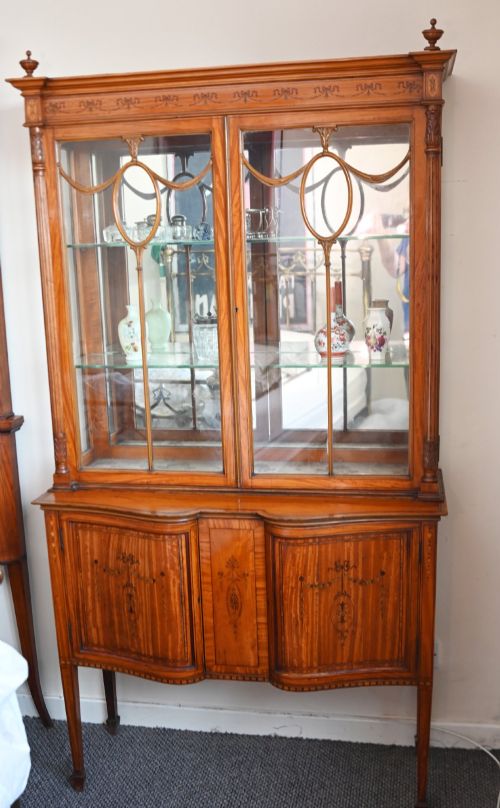
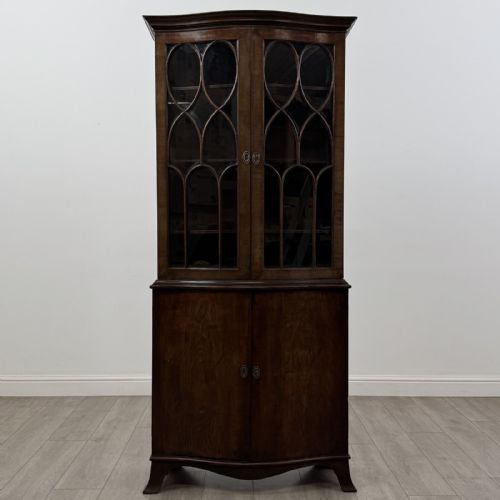
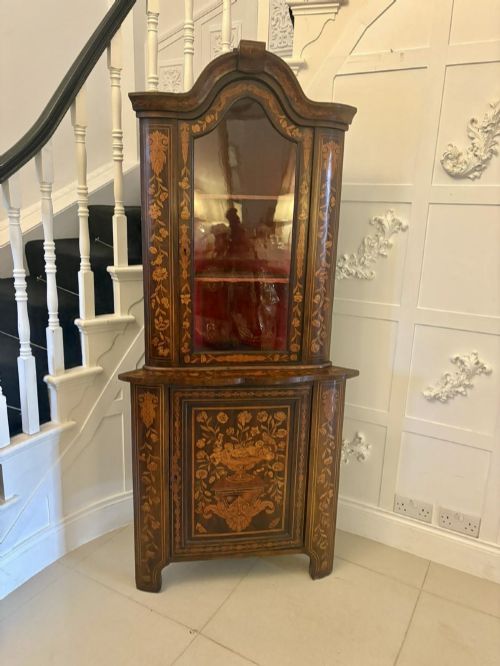
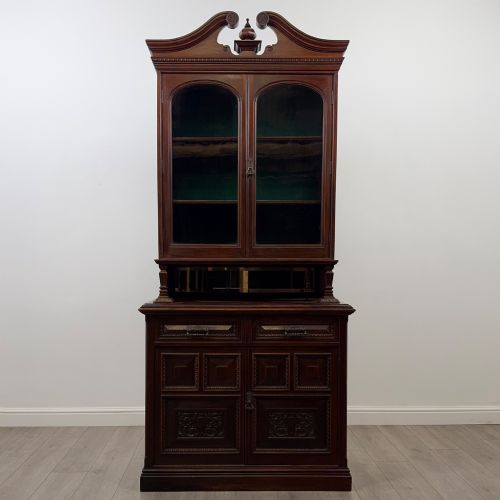
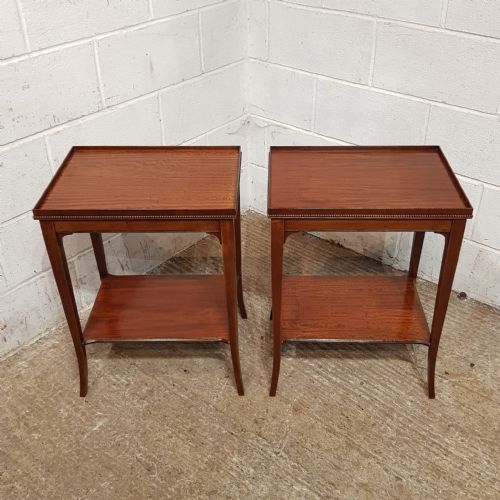
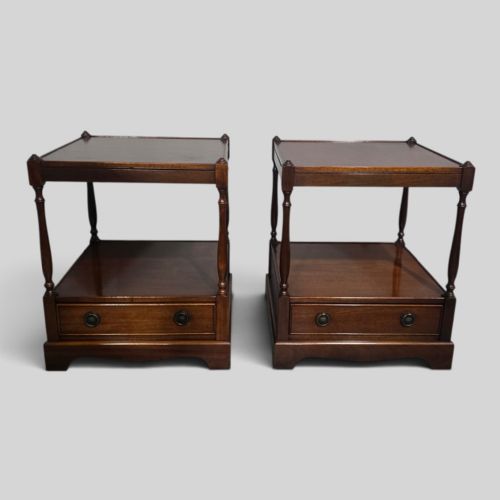
When you search for a two tier mahogany cabinet, you encounter versatile multi-level furniture designed for display or storage across several historical periods. The listings here include Edwardian occasional pieces, music cabinets, and similar tiered items made to utilise vertical room efficiently.
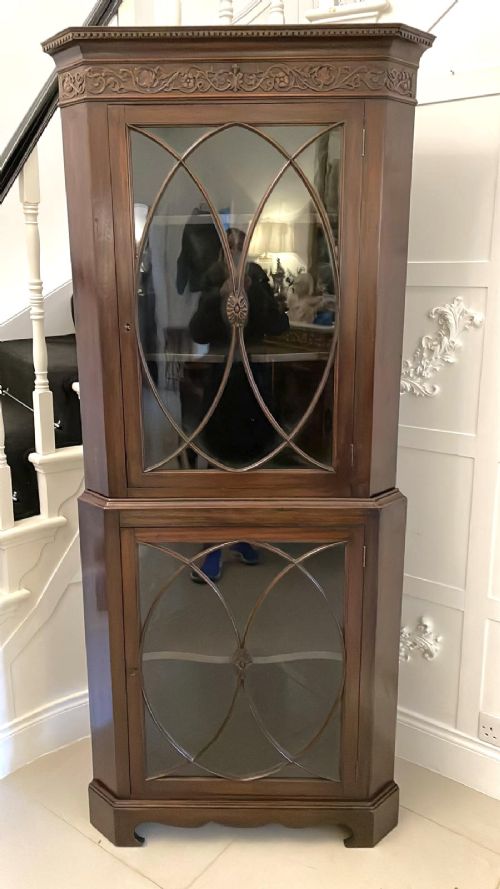
The most frequent examples on this page date from the Edwardian era and the nineteenth century, often featuring open lower shelves or glazed cupboards above. These pieces serve well beside seating or against walls where a smaller footprint matters.
Makers ranged from large firms like Liberty and Co to provincial cabinet makers, producing tiered occasional tables and corner cabinets that suit modern domestic interiors just as well as they suited period homes.
How they were made
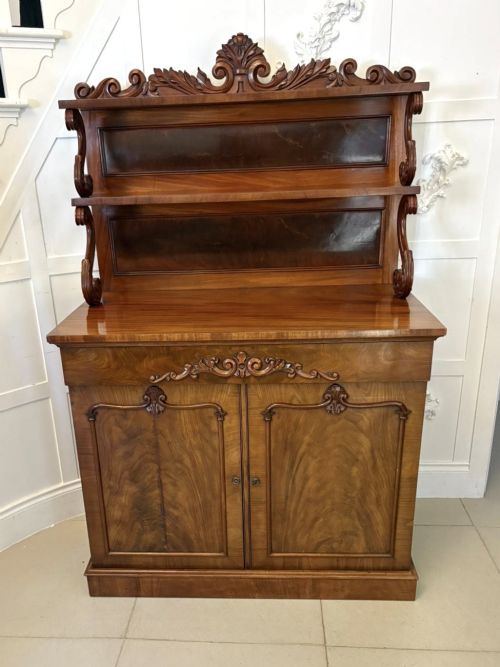
Makers utilised solid mahogany and flame mahogany veneer laid over secondary timbers such as oak, building sturdy frames designed to endure decades of daily use. Cabinet makers applied these veneers carefully to flat surfaces and drawer fronts to highlight the natural grain patterns of the wood.
Brass fittings, glass panes, and occasional satinwood inlay or ormolu mounts appear across the pieces on this page, adding functional detail and decorative contrast. Joinery methods relied on traditional hand-cut joints suited to each period, from Georgian workshop standards to Edwardian production methods.
Two Tier Mahogany Cabinet Retail Price Guide 2026
Typical asking prices for two tier mahogany cabinet among the pieces listed under this phrase on Sellingantiques today, from the lower quarter to the upper quarter. They describe what is for sale here now, not the wider market.
Listings on this site span the Georgian, Victorian, and Edwardian periods, showcasing mahogany alongside brass, glass, and satinwood.
What varies in quality
The distinction between ordinary and superior pieces rests on the choice of timber and the precision of the construction. Cabinets featuring highly figured flame mahogany veneer and refined inlay show a higher grade of craftsmanship than those built with plain timber.
Proportion and the handling of secondary details, such as the neatness of glazing bars on cabinets and the tightness of joints on tiered tables, separate standard utility items from pieces commissioned from finer workshops.
Liberty and Co
The Two Tier Mahogany Cabinet Glossary
- Mahogany
- A durable tropical hardwood known for its rich reddish-brown colour and stable working properties. Cabinet makers favoured it extensively throughout the Georgian and Victorian periods.
- Veneer
- A thin layer of superior wood applied to the surface of a cheaper secondary timber. Flame mahogany veneer displays a dramatic, flickering grain pattern.
- Inlay
- A technique where pieces of contrasting wood, such as satinwood, are inserted into recessed portions of the primary surface to form decorative motifs.
- Tiered
- A descriptive term for furniture built with multiple open shelves or levels placed one above another. This design provides extra display space without increasing the floor area required.
- Ormolu
- Gilded bronze mounts applied to furniture for decorative effect. This finish appears more frequently on pieces influenced by French design.
Two Tier Mahogany Cabinet: Frequently Asked Questions
What is a two tier cabinet used for?
These cabinets provide dual surfaces for holding lamps, books, or decorative objects while occupying minimal floor space in a hallway or living room.
Depending on the specific form, such as an occasional table or music cabinet, the tiers offer practical separation of stored items.
How do I date a mahogany cabinet?
Dating relies on examining the construction methods, handle types, and secondary woods visible inside drawers and at the back of the piece. Georgian and Victorian pieces show hand-finished joinery, whereas Edwardian examples often incorporate lighter frames and standardised fittings.
Stylistic cues such as Sheraton Revival inlay or Arts and Crafts fretwork also point toward specific decades around nineteen hundred.
Will a mahogany cabinet fit in a modern room?
The compact proportions of tiered cabinets and occasional tables make them straightforward to integrate alongside contemporary furnishings. Their warm timber tones complement neutral colour schemes and add character to modern spaces.
Placing them away from direct sunlight and heat sources helps protect the mahogany polish and veneer over time.
What is the difference between Edwardian and Victorian pieces?
Victorian mahogany furniture generally tends toward heavier proportions, darker finishes, and robust construction suited to formal nineteenth-century interiors. Edwardian pieces often appear lighter in scale, sometimes featuring delicate satinwood inlay or Sheraton Revival influences.
Both periods utilised quality mahogany, but the overall aesthetic shifted toward greater simplicity and brighter interiors by nineteen hundred.