





Twisted Column Lamp
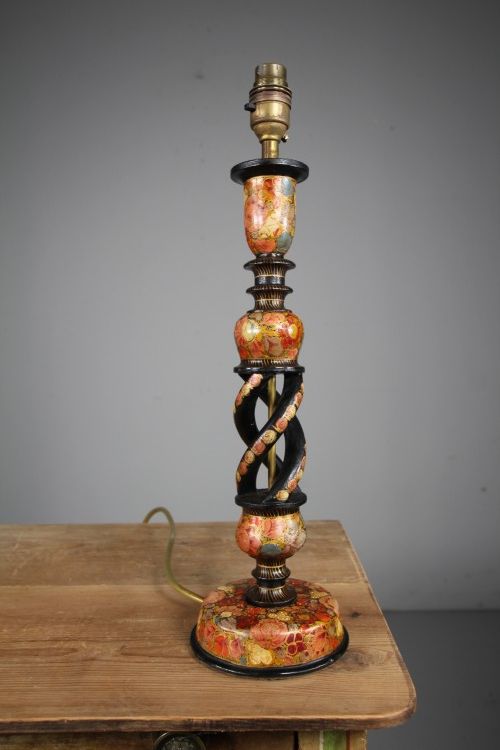
These twisted column lamp pieces bring sculptural turned timber and gleaming metal into a room to catch the eye.
Twisted Column Lamp
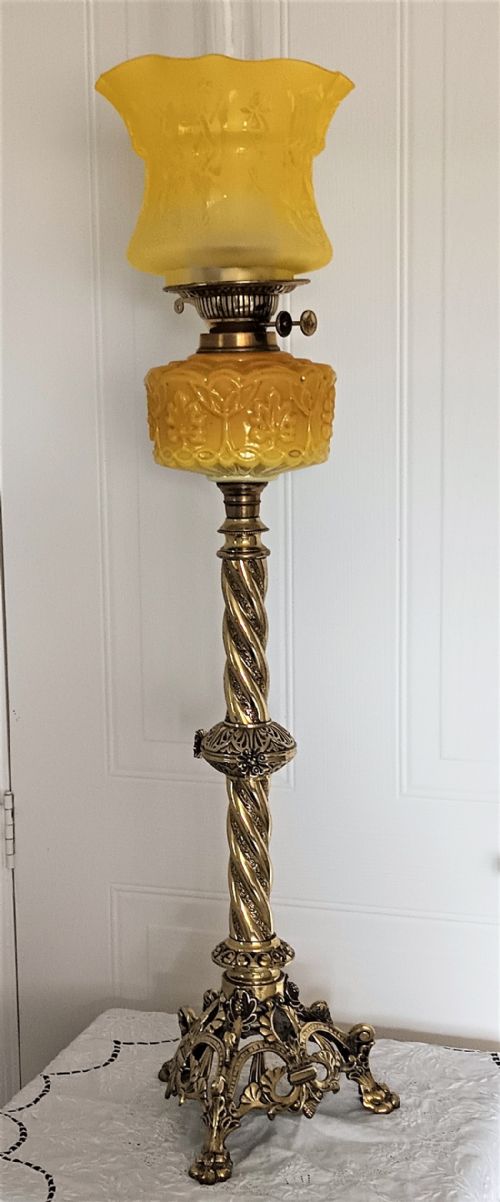
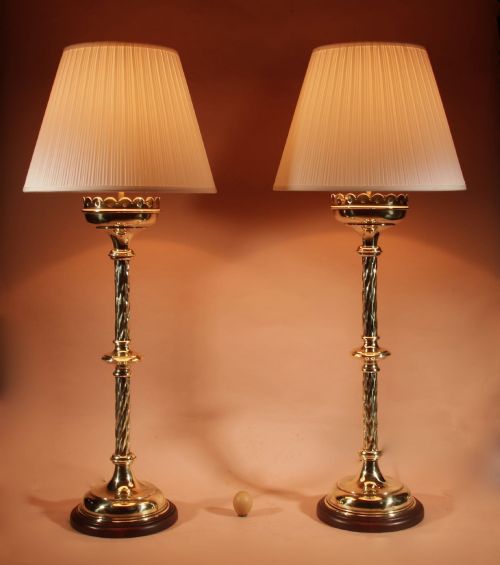
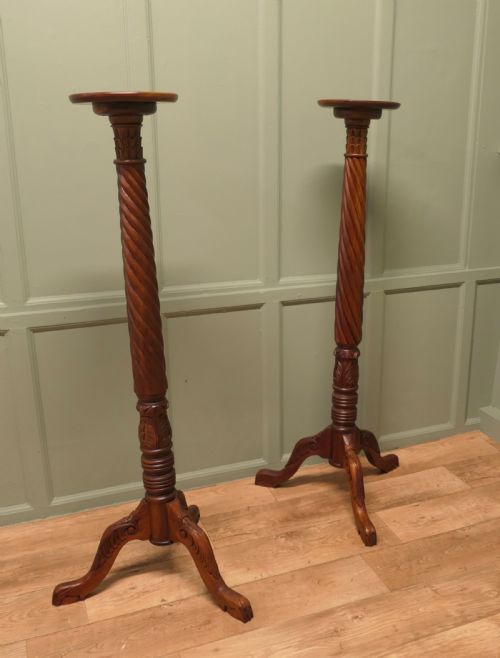
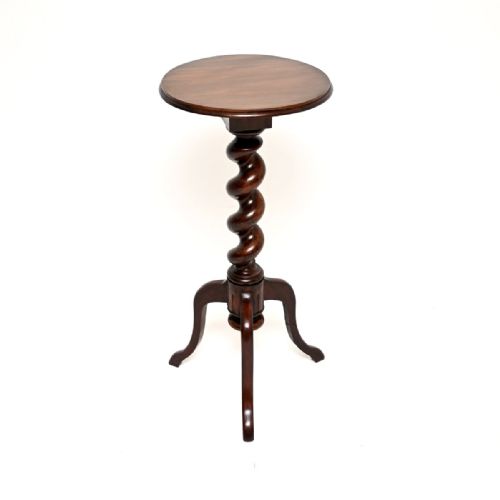
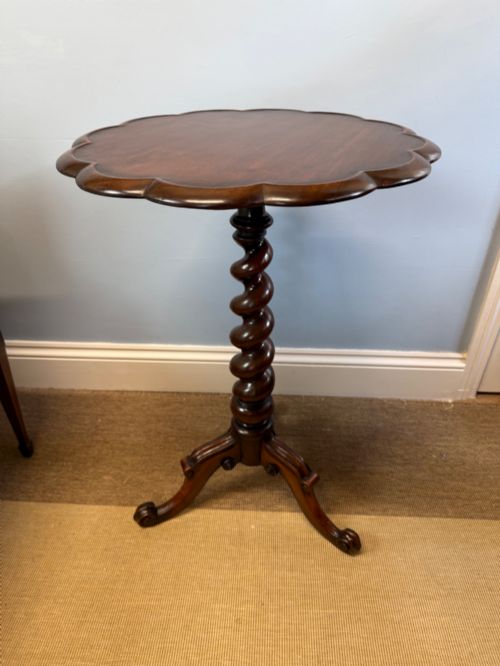
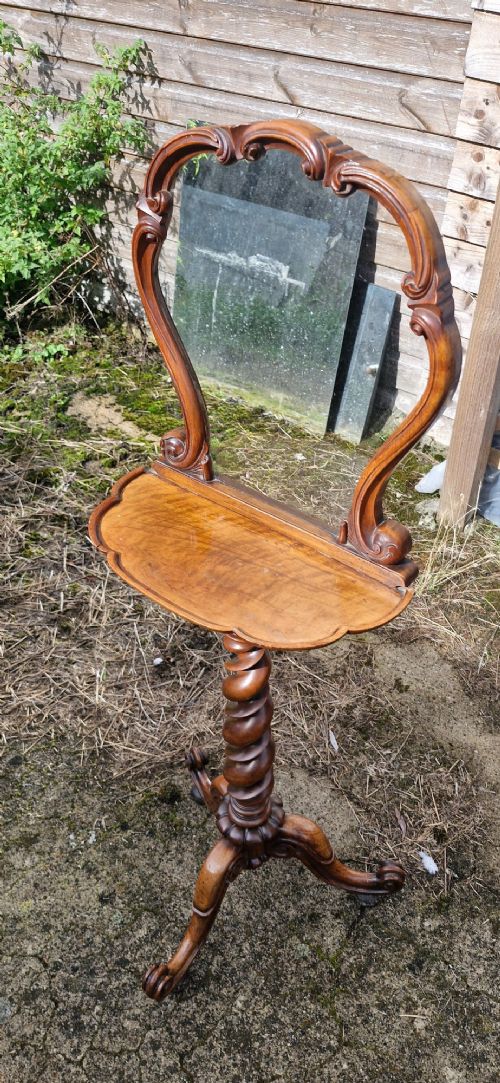
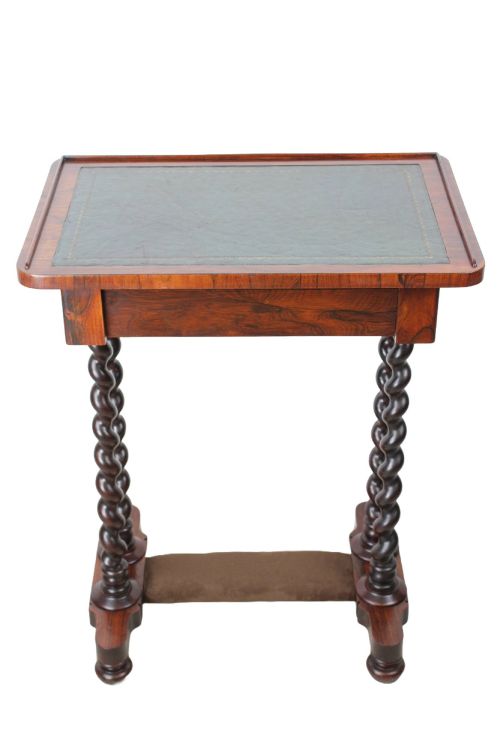
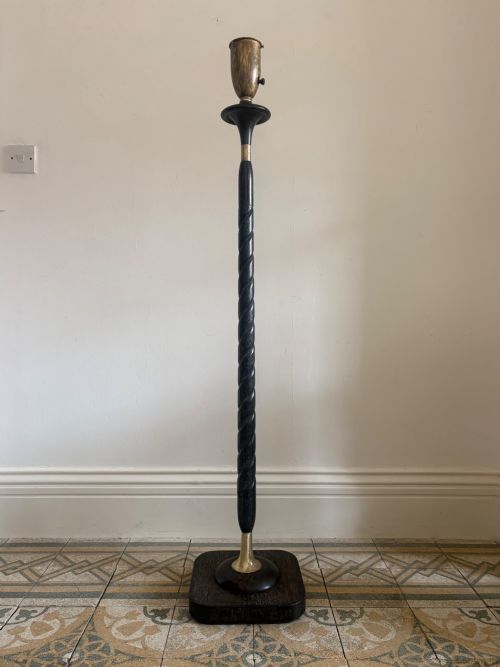
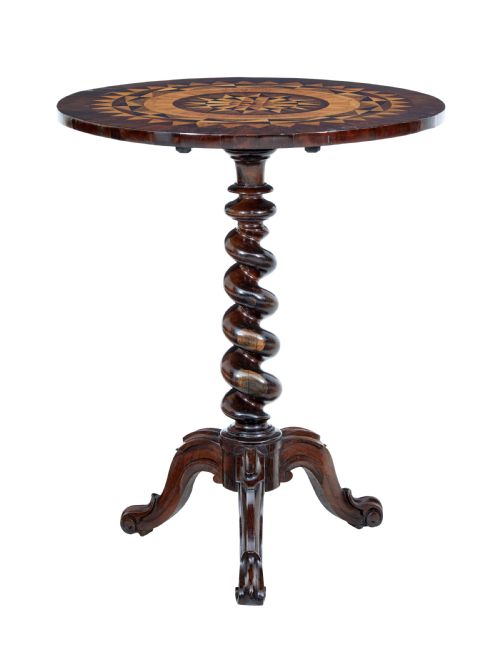
A twisted column lamp brings height and vertical interest to a space through spiral turned shafts of timber or cast metal. When you search for a twisted column lamp, you find floor standing torches, converted oil burners, and occasional tables featuring similar turned pedestals.
The selections span the nineteenth century and the early twentieth century, taking in Victorian mahogany and walnut alongside 1920s French ebonised designs. Many examples originate as utilitarian items such as oil lamps or candlesticks, later adapted safely for modern electric lighting.
The dominant forms are table lamps and taller floor stands, often accompanied by occasional tables that share the same spiral turned architecture. These diverse objects share a fascination with turned woodwork and structural metal columns.
How they were made
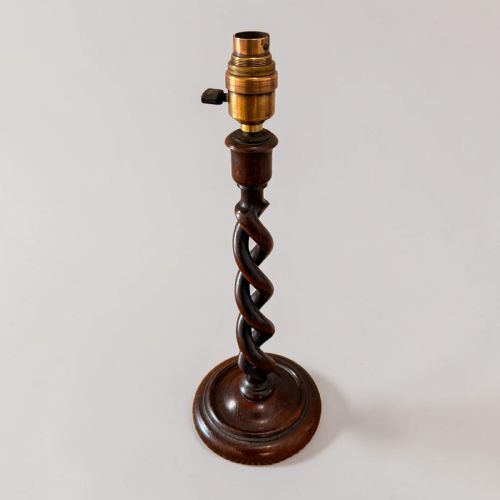
Makers shaped timber such as mahogany, walnut, rosewood and burr elm on a lathe to create the characteristic spiral turns, known historically as barley twist. Selected woods display rich grain patterns, particularly flame grain mahogany and burr walnut.
Twisted Column Lamp Retail Price Guide 2026
Typical asking prices for twisted column lamp among the pieces listed under this phrase on Sellingantiques today, from the lower quarter to the upper quarter. They describe what is for sale here now, not the wider market.
Listings span the nineteenth century through the 1920s, featuring timber, brass, glass, and fabric materials across table and floor forms.
What varies in quality
Quality rests upon the crispness of the turning and the choice of primary timber, with richly figured burr woods and dense mahogany standing apart from plain alternatives. The proportional balance between the narrow spiral column and the supporting base dictates the visual harmony of the piece.
Subtle details such as brass embossing, original glass components, and stable tripod or pedestal feet separate standard utilitarian items from finer examples. Structural integrity in the turned joints ensures the tall column remains straight and secure over decades of use.
The Twisted Column Lamp Glossary
- Barley twist
- A spiral turned column resembling a stalk of barley, popular in furniture and lighting from the seventeenth century onwards. This decorative turning method creates deep diagonal grooves that catch the light.
- Torchere
- A tall freestanding stand designed to hold a light source or candle. These slender pedestals provide significant vertical presence without occupying much floor space.
- Occasional table
- A small movable table used for specific tasks or display purposes. Many examples in this category share turned pedestal supports with contemporary lamp stands.
- Oil lamp
- A lighting device that burns liquid fuel via a wick, frequently converted to electricity in later periods. Surviving brass reservoirs and tinted glass shades often remain intact on these pieces.
- Tripod base
- A three-legged support structure providing stability for tall lamp stands and tilt-top wine tables. This configuration sits firmly on uneven floor surfaces.
Twisted Column Lamp: Frequently Asked Questions
Are these lamps safe to use today?
Many older pieces arrive newly rewired to meet modern electrical standards, allowing safe daily use in any room.
It remains wise to have a qualified electrician inspect older wiring before plugging in any antique lighting fixture.
How do I date a turned timber lamp?
Dating relies upon timber selection, tool marks left by the lathe, and the style of the base or feet. Victorian examples frequently employ solid mahogany or walnut with deep hand-cut spirals.
Later pieces from the 1920s often introduce ebonised finishes or different structural proportions associated with twentieth-century interiors.
What is the difference between a table lamp and a torchere?
Table lamps are proportioned to sit upon side tables, chests, or desks to provide task or ambient illumination.
Torcheres are tall floor-standing columns originally designed to elevate a light source or decorative object well above floor level.
Where should I place a column lamp in a room?
Tall floor lamps suit dark corners or spaces beside seating where they can cast light downwards without obstructing pathways.
Smaller table versions add warmth and height when placed on side tables, cabinets, or occasional furniture.