



Turned Wood Piano Stool
A turned wood piano stool brings practical height adjustment and rich timber character straight to the music room or fireside.
Turned Wood Piano Stool
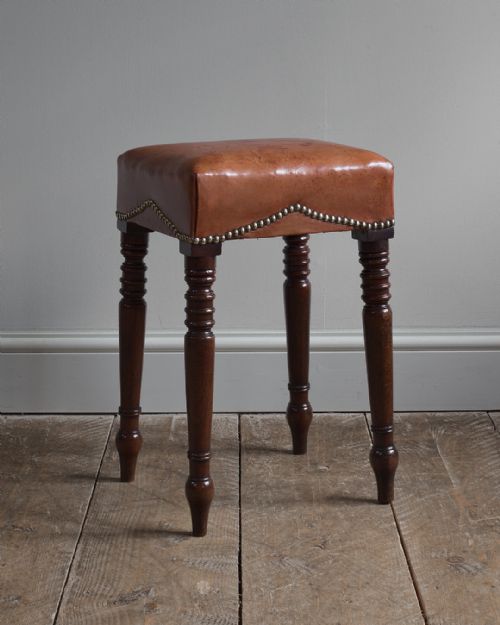
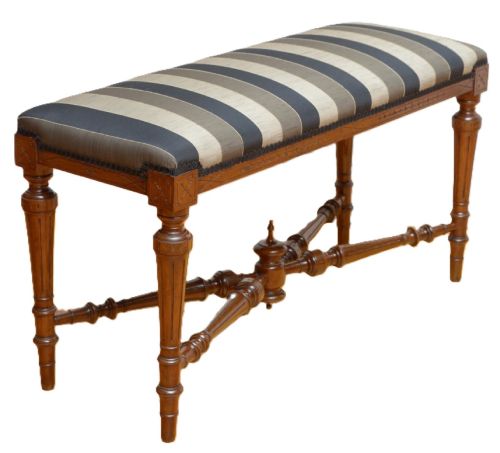
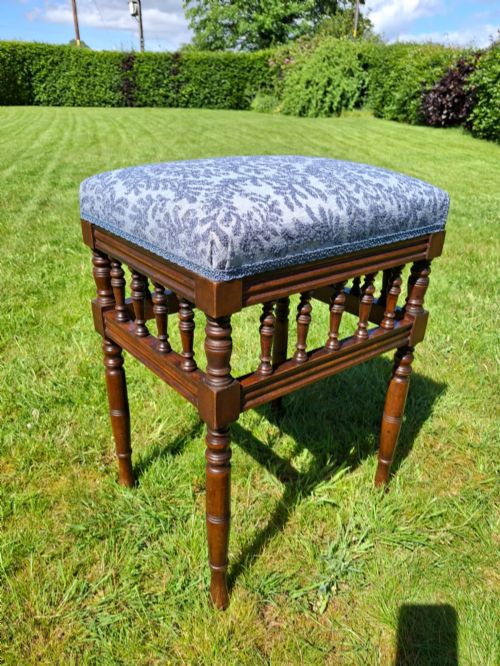
A turned wood piano stool provides a sturdy, adjustable seat designed specifically for keyboard players across the Victorian, Edwardian, and Regency eras. These pieces appear in forms ranging from simple round swivel tops to square frames fitted with turned and tapered legs.
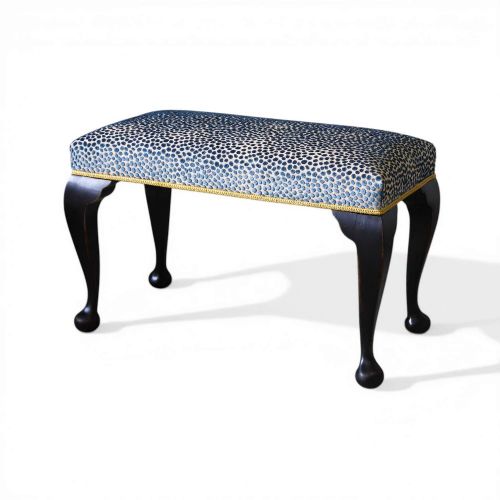
The materials span rich timbers like mahogany and rosewood alongside ebonised wood, paired with upholstered or fabric seats. Many examples integrate clever mechanical height mechanisms, letting players adjust their seating position with ease.
How they were made
Cabinet makers utilised dense hardwoods such as mahogany and rosewood, turning the timber on lathes to shape slender legs and central columns. Ebonised finishes provided a dramatic dark surface that imitated more costly exotic woods.
Makers integrated brass hardware for swivel mechanisms and height adjustment screws, ensuring the wooden seats moved smoothly. Upholstery added textile and fabric cushioning to the tops, secured over firm padding.
Turned Wood Piano Stool Retail Price Guide 2026
Typical asking prices for turned wood piano stool among the pieces listed under this phrase on Sellingantiques today, from the lower quarter to the upper quarter. They describe what is for sale here now, not the wider market.
The listings show mahogany as the predominant timber, spanning Victorian, Edwardian, and Regency periods alongside rosewood and ebonised wood.
What varies in quality
The fineness of the woodturning dictates the visual appeal, with crisp lines and balanced proportions separating superior items from simpler workshop pieces. Dense grain and rich natural colour in the mahogany or rosewood enhance the overall presence.
The precision of the mechanical swivel or adjustment action marks the difference between standard production and top-tier maker output. Robust joinery and well-fitted brass components ensure the stool remains stable during daily use.
Gillows·James Shoolbred·H Brooks and Co
The Turned Wood Piano Stool Glossary
- Ebonised wood
- Timber treated to resemble ebony, creating a dense black finish popular in nineteenth-century seating. This technique provided a uniform dark surface while using more accessible underlying woods.
- Swivel base
- A rotating mechanism that allows the seat top to spin freely for height adjustment. This feature is commonly found on piano stools from the nineteenth century.
- Aesthetic Movement
- A late nineteenth-century style focusing on art for art's sake and distinctive design. Pieces from this movement often display refined simplicity and dark finishes.
Turned Wood Piano Stool: Frequently Asked Questions
How do I adjust the height?
Many of these pieces feature a central screw mechanism operated by rotating the upholstered seat top clockwise or anti-clockwise. This allows the player to raise or lower the seating position smoothly.
Other variants rely on fixed heights with turned legs, so check the mechanism type in the description if adjustability is essential for your piano.
Are these suitable for daily piano practice?
These historical seats were built specifically for musicians, offering sturdy frames and durable mahogany or rosewood construction. They handle regular sitting and adjusting quite comfortably.
Consider the seat diameter and padding condition if you plan to sit for extended periods during daily practice sessions.
How do I identify a Regency period piece?
Regency items typically display clean classical lines, often utilising solid mahogany and carefully turned and tapered legs. The overall aesthetic feels restrained compared to later Victorian ornamentation.
Look for proportion and timber quality, as makers during this period focused heavily on clean architectural forms.
What is ebonised wood?
Ebonised wood is timber that has been stained, painted, or chemically treated to mimic expensive ebony. This finish became particularly fashionable during the Victorian and Aesthetic Movement eras.
The dark, uniform surface contrasts sharply with brass hardware and brightly coloured fabric upholstery.