

Turned Wood Leg Stool
A turned wood leg stool brings sturdy seating and rich timber grain into a room, spanning rustic country forms to refined parlour designs.
Turned Wood Leg Stool
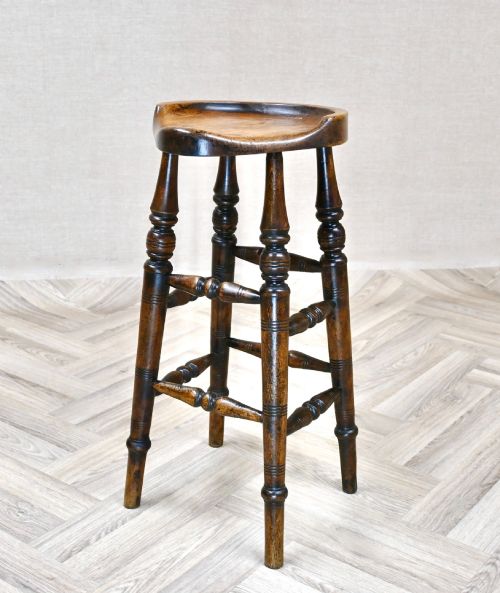
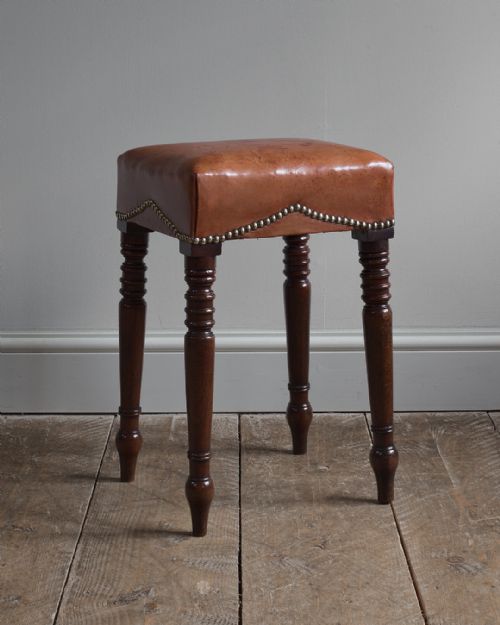
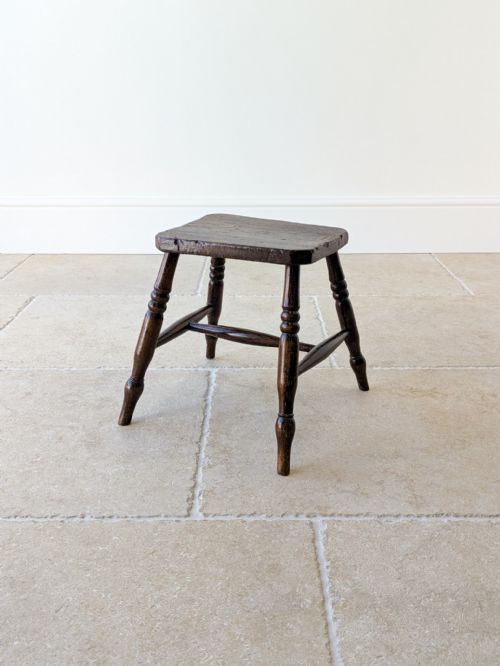
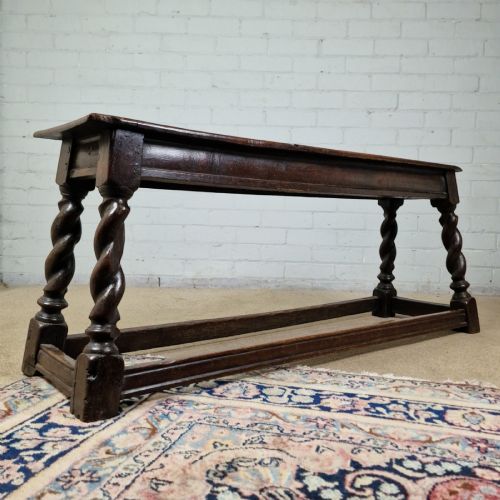
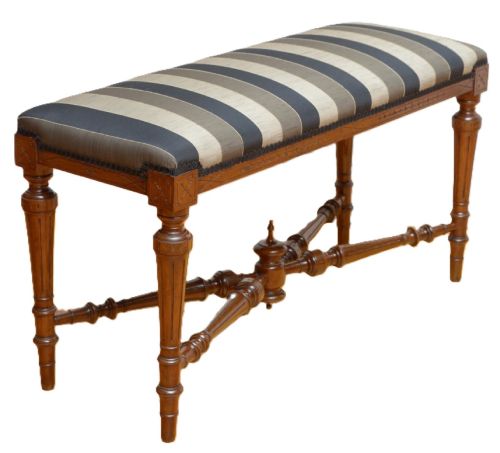
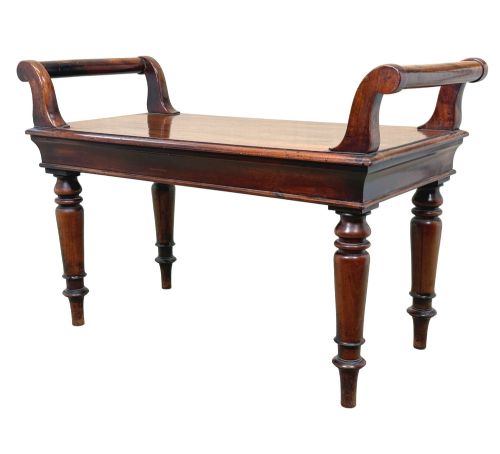
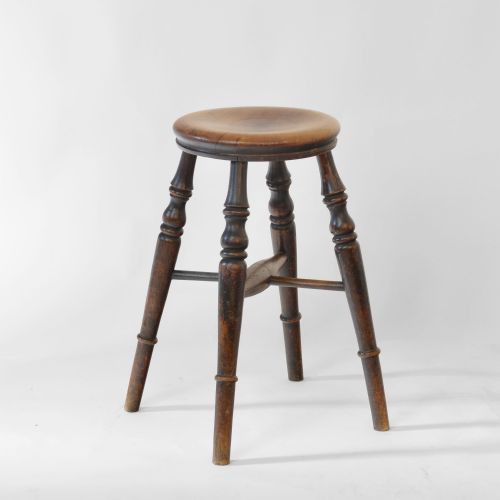
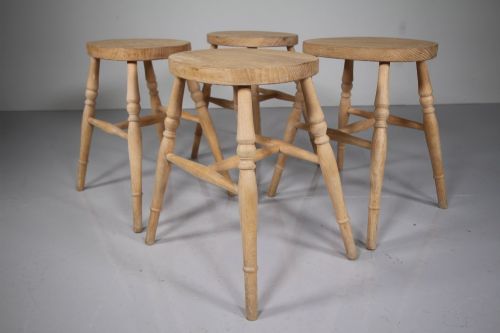
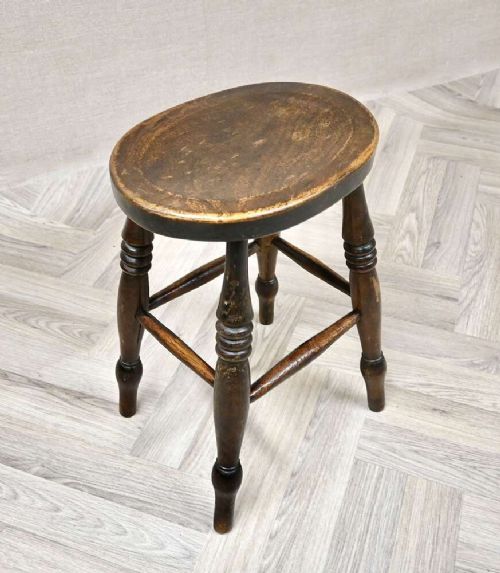
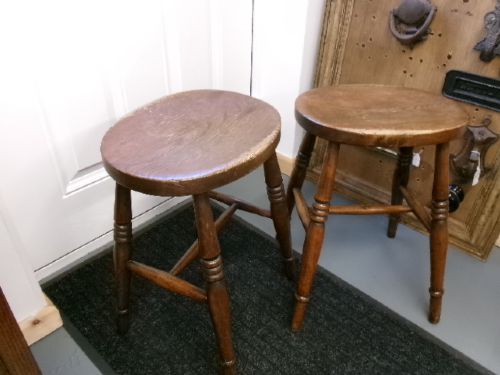
A turned wood leg stool is a low seat supported by turned legs, appearing across various forms including piano stools, tavern seats, joint stools, and window benches. Buyers searching for a turned wood leg stool will encounter pieces ranging from simple elm and beech country examples to polished mahogany and rosewood creations.
The selection on this page draws from the nineteenth century, the Victorian and Edwardian eras, and the early twentieth century. Common stylistic expressions include English country, Victorian country, Arts and Crafts, and Regency designs, alongside utilitarian tavern and pub seating.
How they were made
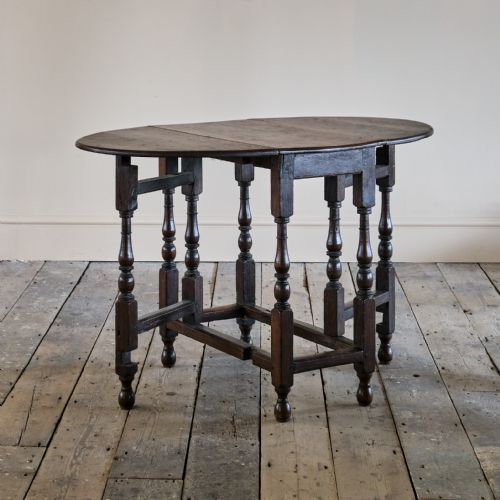
Craftsmen shaped these pieces using native and imported timbers, pairing elm, oak, beech, and sycamore with finer woods such as mahogany, rosewood, and yew. Turned legs were produced on a lathe to create balanced spindles, bobbin profiles, or tapered columns.
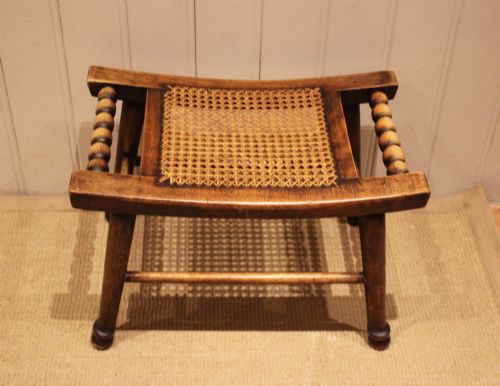
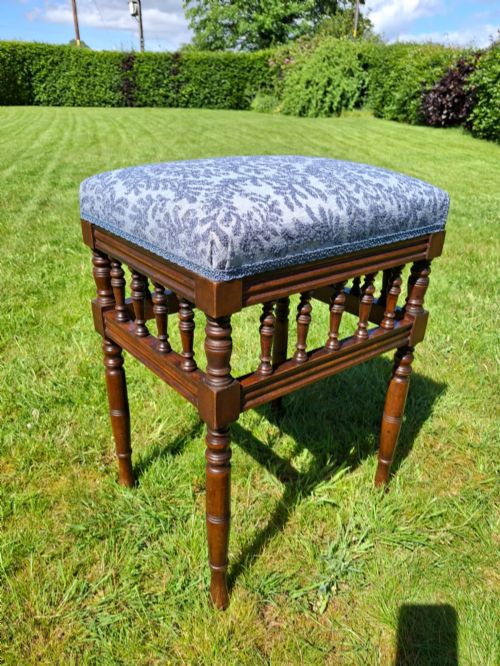
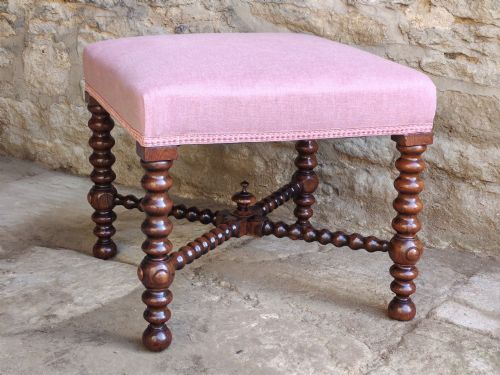
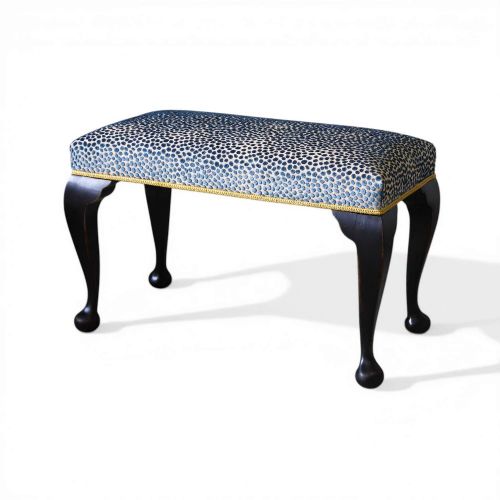
Seats vary from solid turned timber boards and dished wooden tops to cane panels and upholstered pads covered in fabric or textile. Construction methods relied upon traditional joinery, including pegged joints for joint stools and sturdy frame assemblies for piano and duet seats.
Turned Wood Leg Stool Retail Price Guide 2026
Typical asking prices for turned wood leg stool among the pieces listed under this phrase on Sellingantiques today, from the lower quarter to the upper quarter. They describe what is for sale here now, not the wider market.
What varies in quality
Quality rests upon the selection of timber and the precision of the turning work on the legs. Dense, beautifully figured woods such as burr yew or rich mahogany elevate a piece far above utilitarian pine or basic beech variants.
The integrity of the construction dictates the distinction between standard utilitarian seating and finer parlour pieces. Tighter joinery, well-executed swivel or adjustable mechanisms on piano stools, and balanced proportions signal superior craftsmanship.
Gillows·Liberty & Co
The Turned Wood Leg Stool Glossary
- Joint stool
- A sturdy wooden stool constructed with mortise and tenon joints, commonly originating from the seventeenth and eighteenth centuries but frequently imitated later. These pieces rely on pegged frames rather than glued joints.
- Bobbin leg
- A style of leg turned on a lathe to resemble a series of rounded spheres or bobbins stacked end to end. This decorative turning appears frequently on mid-nineteenth century seating.
- Windsor stool
- A traditional form featuring turned legs wedged directly into a thick, shaped wooden seat. They are celebrated for their rustic strength and straightforward country utility.
- Duet stool
- An elongated seat designed for two people, often utilised at a piano or placed in a window bay. These larger forms typically showcase more elaborate timber frames and upholstered tops.
Turned Wood Leg Stool: Frequently Asked Questions
What is a turned wood leg stool used for?
These pieces function primarily as movable seats, piano benches, footrests, or decorative window seats within a home. Their compact size allows them to sit easily beside tables, desks, or in narrow hallways.
Historically, specific variants served dedicated tasks, such as tall tavern stools for taprooms or adjustable swivel seats for musicians practising at a keyboard.
How do I date an antique wooden stool?
Dating relies on observing the timber species, tool marks, joinery techniques, and the specific style of the leg turning. For instance, bobbin legs and rosewood point towards mid-nineteenth century manufacture, whilst heavy oak frames often suggest earlier vernacular traditions.
Examining the wear patterns on the seat and feet also provides clear clues regarding the age and frequency of use of the object.
Are these stools comfortable for daily seating?
Upholstered variants and padded piano stools offer soft cushioning suitable for extended sitting periods. Wooden-topped country stools provide firm, upright support suited for shorter tasks or casual gatherings.
Many period examples feature contoured or dished wooden seats designed to distribute weight comfortably without requiring fabric padding.
How do I care for antique wooden stools?
Preserve the timber by keeping the stool away from direct heat sources and sudden humidity changes that can cause wood to split. Regular dusting with a dry cloth maintains the surface sheen.
Applying a traditional beeswax polish periodically helps nourish dry hardwoods and protects the finish from minor scuffs and marks.