



Turned Wood Ladderback Chairs
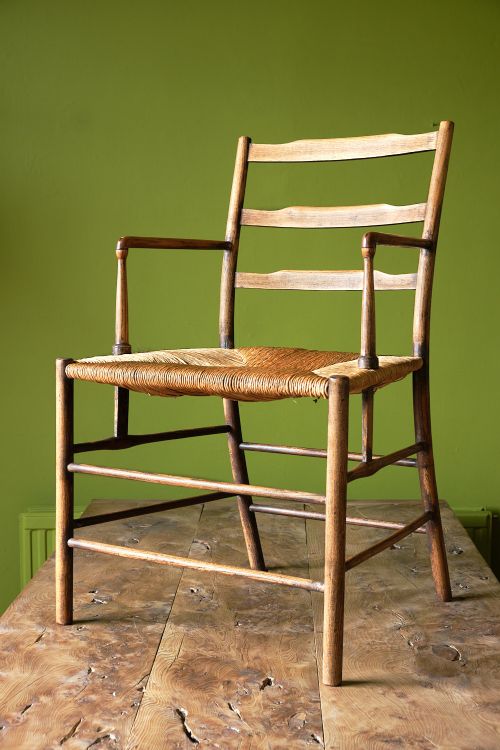
These turned wood ladderback chairs bring honest vernacular seating into a room, offering simple construction and rush or seagrass seats.
Turned Wood Ladderback Chairs
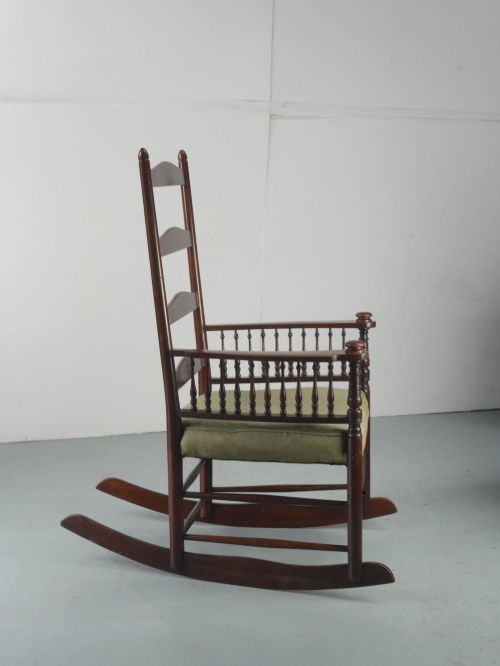
When you search for turned wood ladderback chairs, you encounter domestic seating rooted in traditional rural craftsmanship. The selection spans the eighteenth, nineteenth, and early twentieth centuries, drawing on English country, Victorian, Shaker, and folk art traditions.
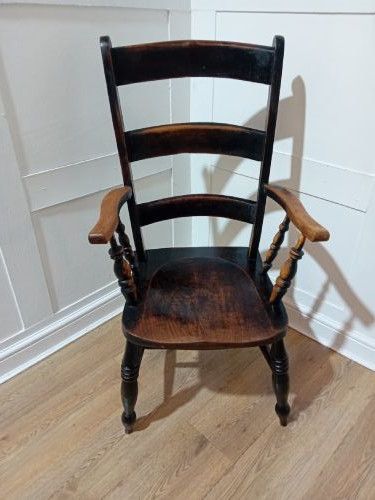
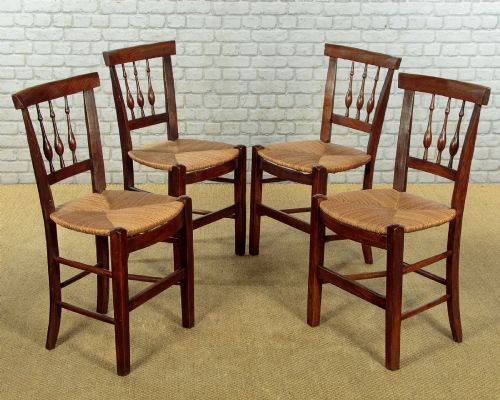
Most examples you meet here take the form of armchairs, rocking chairs, and dining chairs. Makers built these forms for everyday utility in kitchens, country houses, and simple dwellings, resulting in honest lines and practical proportions.
Regional variations appear across the collection, ranging from Thames Valley Windsor forms and Sussex designs to Anglo-Indian colonial pieces. Each regional variation uses local timber traditions to shape the uprights, rungs, and horizontal slats.
How they were made
The construction relies on native hardwoods turned on a lathe to shape spindles, legs, and back posts. Elm, ash, beech, and oak form the structural frameworks, providing durable support for daily use.
Seats utilise woven rush or seagrass, wound tightly around the seat rails to create a resilient platform. Some regional or later iterations incorporate fabric upholstery or simple wooden boards instead of traditional cordage.
Turned Wood Ladderback Chairs Retail Price Guide 2026
Typical asking prices for turned wood ladderback chairs among the pieces listed under this phrase on Sellingantiques today, from the lower quarter to the upper quarter. They describe what is for sale here now, not the wider market.
The listings show rush, elm, oak, ash, beech, and teak used across nineteenth and twentieth-century vernacular forms.
What varies in quality
Quality rests in the balance of the turning and the integrity of the timber framing. Crisp lathe work on the spindles and substantial thickness in the elm seats distinguish finer pieces from standard utilitarian production.
The survival of original surface finishes and the tightness of the joinery define the standing of an individual chair. Untouched patinas and minimal replacement to the rush seating elevate the character of these vernacular survivors.
The Turned Wood Ladderback Chairs Glossary
- Ladderback
- A chair back featuring horizontal slats set between two vertical rear posts. This structural arrangement provides simple lumbar support.
- Rush
- Dried marsh grass twisted into cord and woven tightly to form seats. It offers a resilient and traditional surface.
- Vernacular
- Everyday objects made by local tradesmen rather than high-style cabinetmakers. These pieces follow regional traditions and functional needs.
- Spindle
- A slender turned wooden rod shaped on a lathe. Spindles form the rungs and structural supports of country chairs.
- Patina
- The surface sheen and colour developed through age, handling, and use. A good patina reflects the history of the wood.
Turned Wood Ladderback Chairs: Frequently Asked Questions
How do I date an old ladderback chair?
Dating relies on examining the tool marks, timber species, and construction methods used in the frame. Eighteenth-century examples often display hand-split components and deeper patination compared to later nineteenth-century factory turns.
Changes in turning profiles and seat weaving materials also offer clues to the period. Comparing the joinery style to known regional traditions helps narrow down the decade of manufacture.
Are these chairs comfortable for daily use?
Most turned wood ladderback chairs offer an upright seated posture intended for dining or kitchen tasks. The woven rush or seagrass seats provide a firm yet yielding surface that conforms slightly with use.
Armchairs and rocking variants provide a more relaxed seat for sitting by a hearth or in a study. Adding a simple loose cushion can increase comfort without altering the historic frame.
How should I clean a rush seat?
Remove dust from the woven rush regularly using a soft brush or a vacuum attachment on low suction. Avoid excess moisture, as water can weaken and rot the dried plant fibres over time.
Treat spills immediately by blotting with a dry cloth rather than rubbing. Keeping the room humidity stable prevents the rush from becoming brittle.
What is the difference between regional styles?
Regional styles reflect the local timbers available to country turners and the specific demands of rural communities. Sussex chairs use slender ash frames, while Thames Valley versions incorporate heavier elm seats and refined turnings.
Shaker designs focus on extreme simplicity and lightness of form for communal living. Anglo-Indian pieces combine traditional ladderback principles with exotic woods like teak.