
Turned Wood Furniture
Turned wood furniture brings warmth and architectural detail to a room through lathe-shaped structural supports and rich timber grains.
Turned Wood Furniture
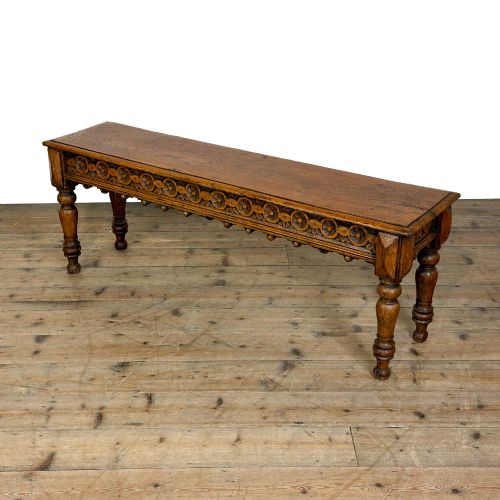
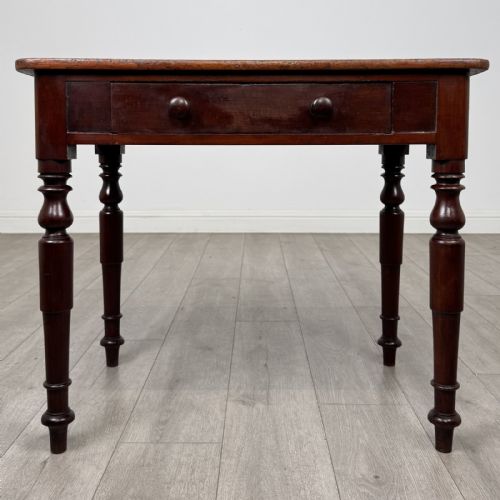
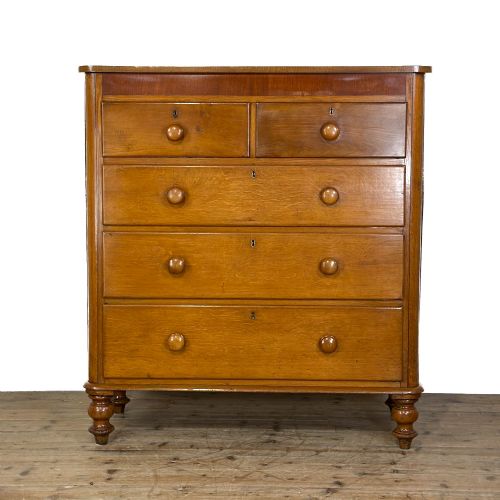
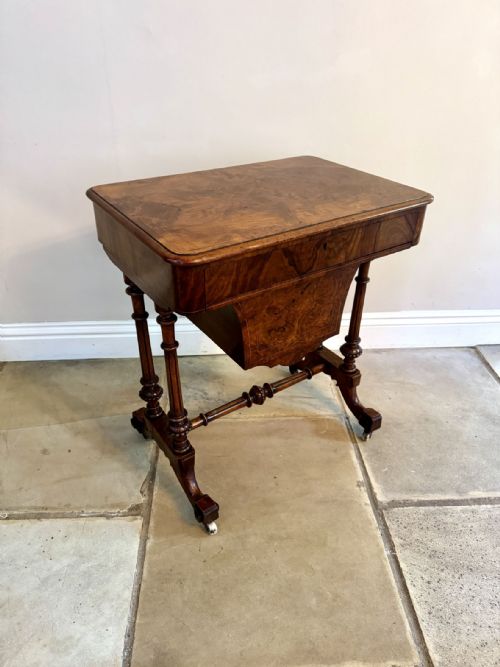
Turned wood furniture encompasses practical household forms shaped on a lathe, including tables, chairs, benches, chests of drawers, and display stands. When searching for turned wood furniture, buyers encounter pieces dating from the nineteenth and twentieth centuries alongside earlier Georgian and Regency survivals.
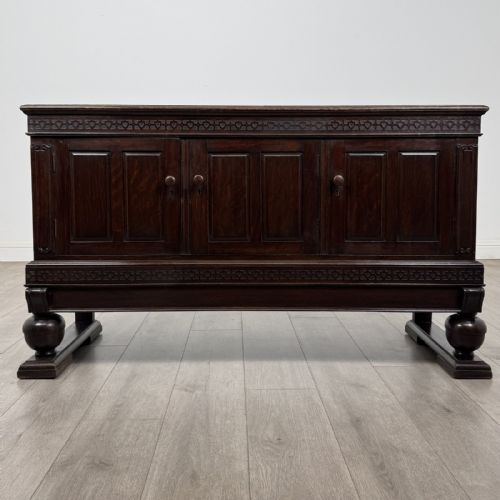
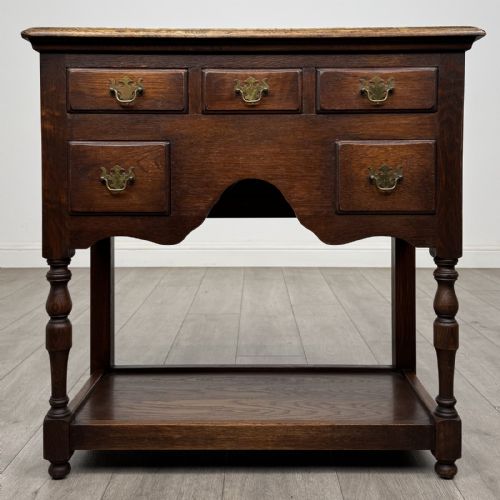
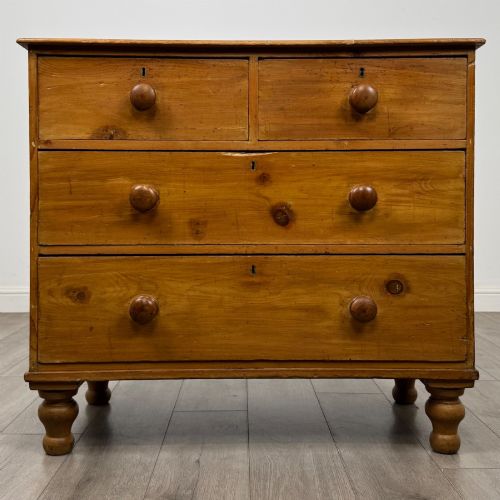
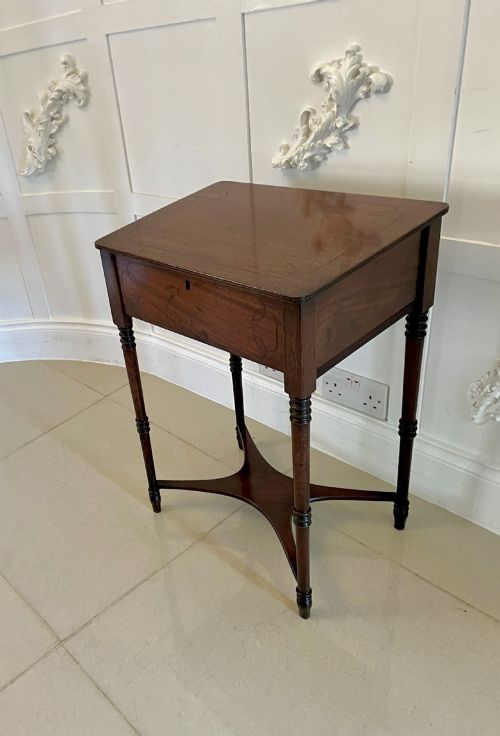
The selection ranges from robust oak cupboards and pine chests of drawers to refined mahogany writing tables, occasional tables, and side chairs. Oak and mahogany dominate the offerings, appearing alongside walnut, pine, ash, elm, and laburnum.
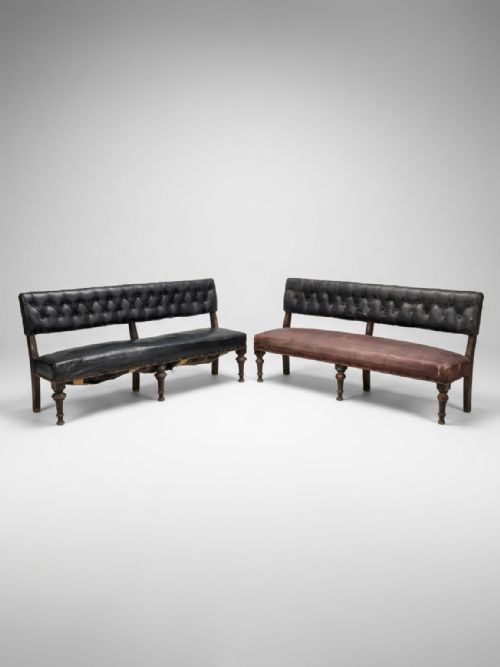
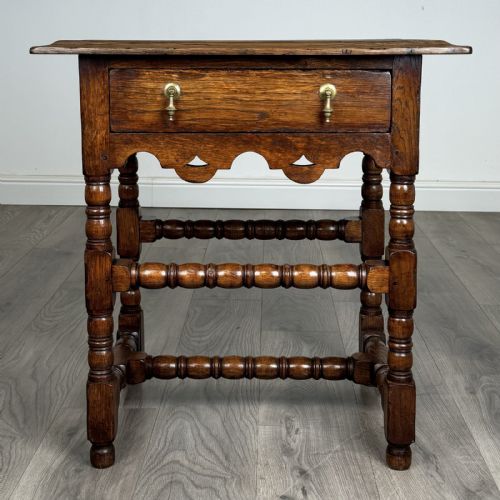
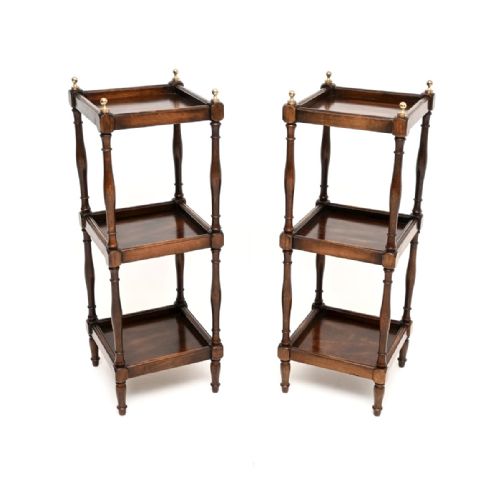
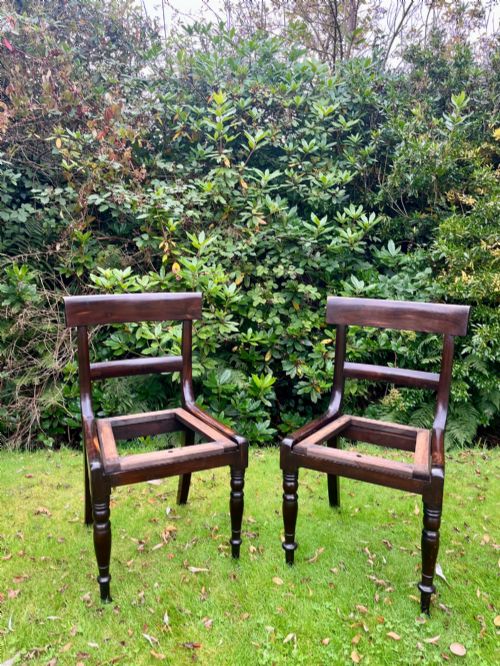
Stylistic influences span Victorian country, Edwardian, Jacobean Revival, Arts and Crafts, and the French Aesthetic Movement. Many examples integrate structural turnings such as bobbin legs, spindle backs, and turned feet to accent utilitarian forms.
Materials and Construction
Joiners and cabinet makers shaped dense hardwoods like mahogany, oak, walnut, and exotic laburnum alongside softer timbers such as pine, ash, and elm using traditional hand tools and lathes. Turning involved mounting timber on a lathe to carve symmetrical spindles, legs, and pillars with chisels and gouges.
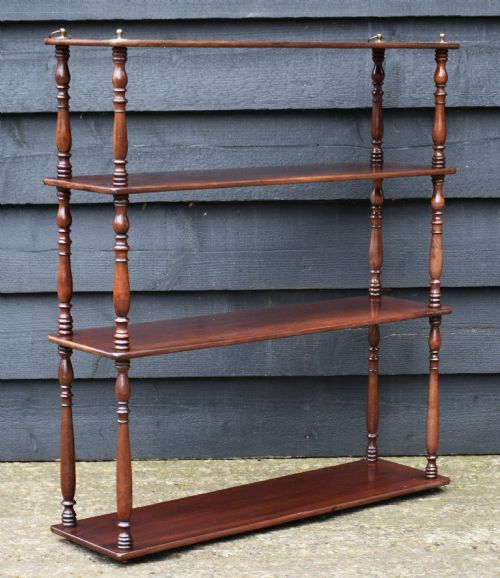
Secondary materials such as brass fittings, glass panels, fabric, and velvet appear on specific pieces like display cabinets, writing tables, and wall-hanging shelves. Construction relied on pegged joints, dovetailing for drawers, and sturdy frame assemblies designed to withstand heavy domestic use.
Factors of Quality
Quality rests upon the selection of timber figures, such as figured mahogany or figured walnut, and the crispness of the lathe work on legs, stretchers, and plinths. Heavier construction and thoughtful proportions distinguish formal reception furniture from simpler utilitarian items like tavern stools or pine chests.
The integrity of original turnings, uncompromised timber patination, and the retention of period brass hardware or glazed doors elevate certain examples. Pieces originating from documented workshops or exhibiting uncommon timber choices display superior craftsmanship compared to standard production items.
Liberty & Co.·Druce and Co·Holland & Sons·T & G Seddon
The Turned Wood Furniture Glossary
- Bobbin turned
- A style of furniture leg or stretcher shaped to resemble a series of wooden reels or bobbins linked end to end. This decorative turning technique appears frequently on seventeenth-century revivals and nineteenth-century ebonised seating.
- Spindle back
- A chair back constructed with a series of slender, turned vertical wooden rods placed between the top rail and the seat. These lightweight elements provide structural support while maintaining an open visual profile.
- Canterbury
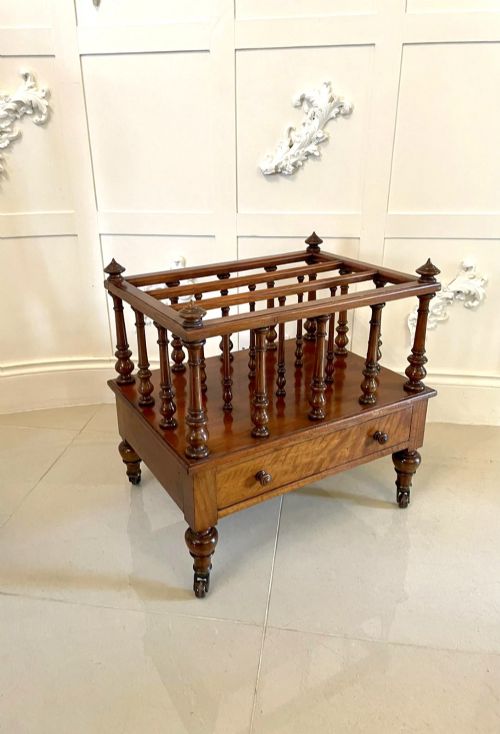
- A small multi-tiered stand traditionally fitted with vertical partitions to hold sheet music, folios, or books. Victorian makers often mounted these on turned legs fitted with castors.
- Torchere
- A tall, slender freestanding stand designed to support a candlestick, lamp, or decorative plant specimen. They frequently feature turned central columns supported by tripod bases.
- Figured wood
- Timber exhibiting an attractive, natural grain pattern such as flame, curl, or fiddleback caused by irregularities in tree growth. Cabinet makers reserved these choice sections for prominent surfaces like table tops and drawer fronts.
Turned Wood Furniture: Frequently Asked Questions
What is turned wood furniture?
Turned wood furniture refers to items featuring structural or decorative wooden components shaped on a lathe. This category includes tables, chairs, stands, and storage pieces adorned with rounded legs, spindles, and pillars.
Craftsmen utilised this technique across multiple centuries to add architectural detail and textural contrast to everyday household objects.
How do I identify Victorian pieces?
Victorian items often display heavier proportions, darker timber tones, and robust ornamentation ranging from carved oak to ebonised finishes. Common forms include chests of drawers, writing tables, and hall benches.
Examining the construction methods, drawer linings, and secondary woods helps confirm the nineteenth-century origin of an individual piece.
Where should I place these tables?
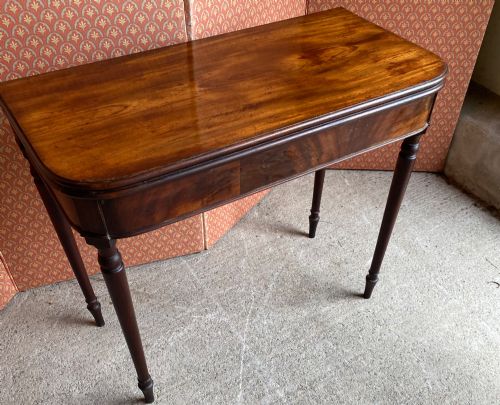
Occasional tables, side tables, and nests of tables function effectively beside seating areas or along hallways as display surfaces. Their compact footprints allow them to fit into corners and narrow spaces.
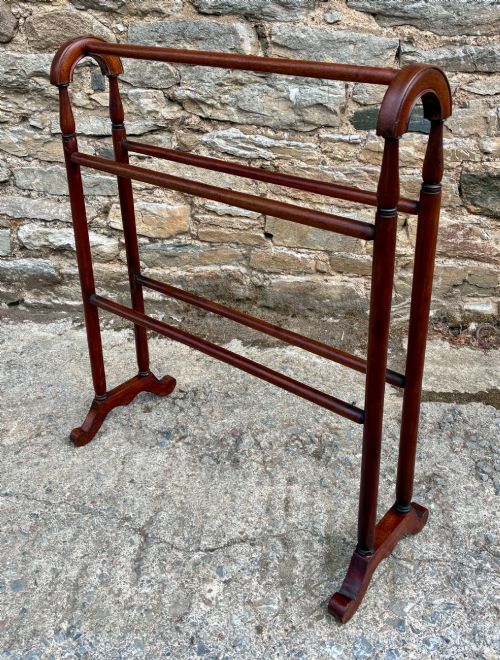
Pairing a turned stand with lamps or plant specimens highlights the carved grain and lathe work.
How do I care for timber surfaces?
Maintain timber surfaces by dusting regularly with a soft dry cloth and avoiding placement near direct heat sources or strong sunlight. These precautions protect the polish and prevent the wood from drying out.
Applying high-quality beeswax periodically preserves the natural lustre and patina of older hardwoods.