





Turned Wood Bed
A turned wood bed brings robust joinery and tactile grain directly into a bedroom through enduring historical forms.
Turned Wood Bed
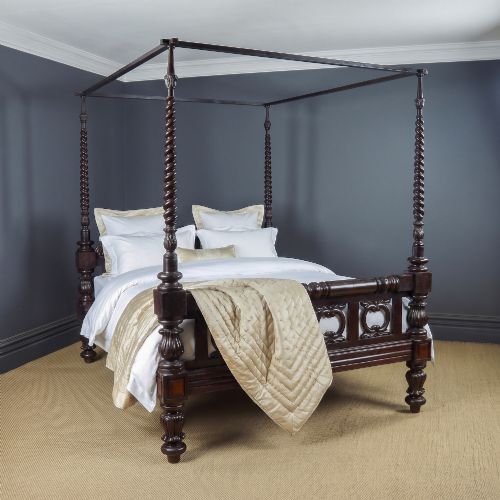
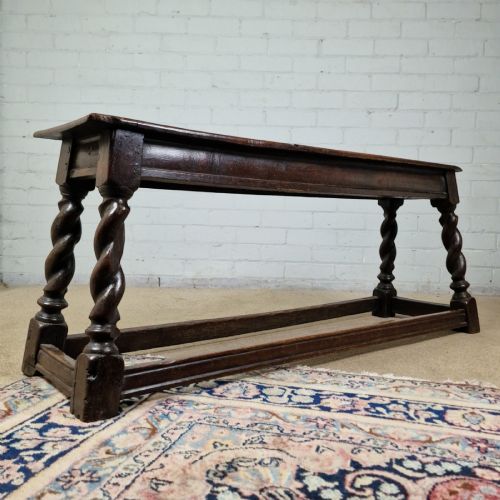
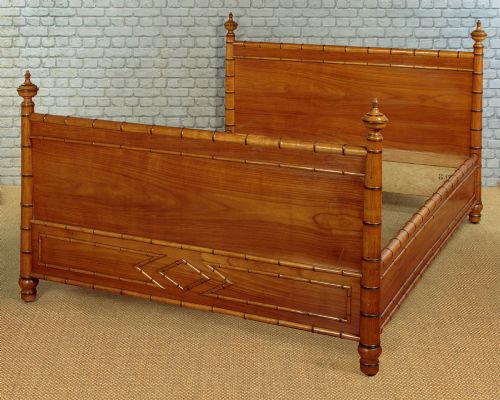
A turned wood bed comprises structural timber components shaped on a lathe, creating repeating decorative profiles like spools, bobbins, and spiral twists. Buyers browsing this selection encounter robust single and king-size frames alongside daybeds and miniature doll furniture originating from the eighteenth and nineteenth centuries.
The material vocabulary spans native timbers such as oak, mahogany, pine, and teak, alongside exotic hardwoods styled across Victorian, Georgian, and Anglo-Indian traditions. Many examples incorporate turned bedposts or detailed headboards reflecting distinct regional joinery methods from periods including the Victorian era and the eighteenth century.
Materials and construction methods
Cabinetmakers shaped these frames using solid hardwoods, teak, oak, and mahogany, often mounting timber blanks on a lathe to cut crisp bobbin, spiral, or spool turnings by hand. Structural joints relied on traditional pegged mortise and tenon construction to withstand daily weight and movement.
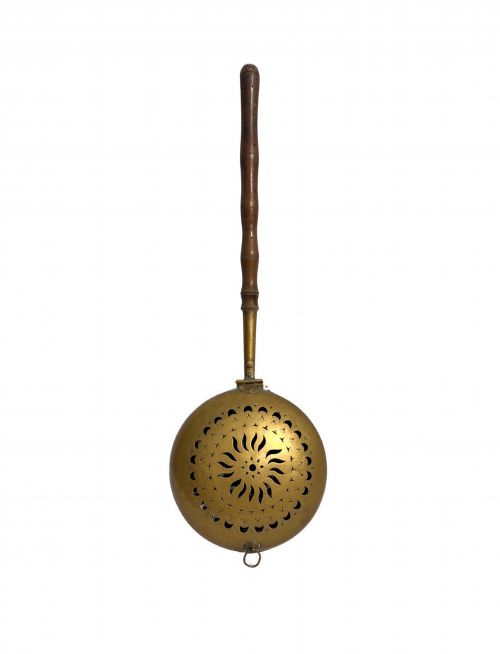
Secondary elements sometimes utilised pine or tiger maple, while decorative accents incorporated turned brass fittings, copper components, and painted finishes. Artisans carefully selected timber with strong grain patterns to highlight the rhythmic profiles of the turned posts and rails.
Turned Wood Bed Retail Price Guide 2026
Typical asking prices for turned wood bed among the pieces listed under this phrase on Sellingantiques today, from the lower quarter to the upper quarter. They describe what is for sale here now, not the wider market.
Assessing craftsmanship and proportion
Quality rests in the crispness of the lathe work and the selection of stable, well-seasoned timber that has retained its structural integrity over centuries. Finer pieces demonstrate meticulous attention to proportion, where the weight of the turned posts balances harmoniously with the scale of the headboard and footboard.
The sophistication of the joinery and the purity of period styling further separate standard utility frames from exceptional examples. Finer execution is evident in tight joints and rich, undisturbed surface patination developed through decades of careful maintenance.
The Turned Wood Bed Glossary
- Bobbin turning
- A type of lathe work characterised by a succession of rounded, bead-like shapes resembling wooden bobbins strung together. This decorative profile gained particular popularity during the Victorian era.
- Four poster bed
- A large bed frame featuring four vertical columns at each corner that support an upper canopy framework. These monumental pieces often showcase elaborate wood turning along the main posts.
- Daybed
- A multipurpose piece of furniture functioning as both a seat and a bed for resting during daytime hours. Many historical iterations feature turned wooden frames and decorative end panels.
- Tiger maple
- A distinct variety of maple wood exhibiting a natural, highly figured stripe pattern resembling tiger stripes. Cabinetmakers prized this timber for its decorative impact on furniture facades and posts.
- Patina
- The deep, lustrous surface sheen and softening of edges developed by timber over years of handling, exposure, and polishing. It serves as a visual indicator of age and genuine historical use.
Turned Wood Bed: Frequently Asked Questions
How do I date a turned bed?
Dating relies on examining the timber species, joinery techniques, and the specific style of the lathe turnings against known historical periods. Eighteenth-century examples typically show hand-cut peg joinery and dense native hardwoods, whereas late Victorian pieces often display machine-assisted precision.
Secondary characteristics like tool marks on concealed surfaces and the presence of period hardware provide further clues to the decade of manufacture. Comparing the stylistic motifs, such as Gothic revival elements or Anglo-Indian influences, helps narrow down the origin.
Are antique beds standard sizes?
Historical bed frames rarely conform to modern mattress dimensions, often requiring custom-made mattresses to fit the interior space correctly. Eighteenth and nineteenth-century sleeping quarters utilised varied sizing conventions, meaning single, double, and king proportions differ from today's standards.
Buyers should carefully measure the internal rails and platform supports before purchasing bedding. Many collectors adapt historical frames using discreet modern slats or internal support systems to accommodate contemporary mattresses safely.
How do I care for antique wood?
Maintaining wooden furniture involves keeping pieces away from direct heat sources and dramatic humidity fluctuations that cause timber to warp or split. Regular dusting with a soft, dry cloth prevents particulate accumulation without introducing moisture to the historical finish.
Applying microcrystalline wax occasionally helps nourish the wood and protect the surface patination from minor abrasions. Avoid silicone-based sprays or harsh chemical cleaners that can permanently degrade old polish.
What is bobbin turning?
Bobbin turning is a decorative woodworking technique where a lathe cuts a series of identical spherical or cylindrical shapes along the length of a wooden spindle. This rhythmic profile creates a tactile, highly textured surface popular in seventeenth-century and nineteenth-century revival furniture.
The style offers both visual lightness and structural strength to bedposts, stretcher rails, and daybed frames. Each individual bobbin requires precise chisel work to maintain uniformity across the entire length of timber.