


Turned Leg Display Cabinet
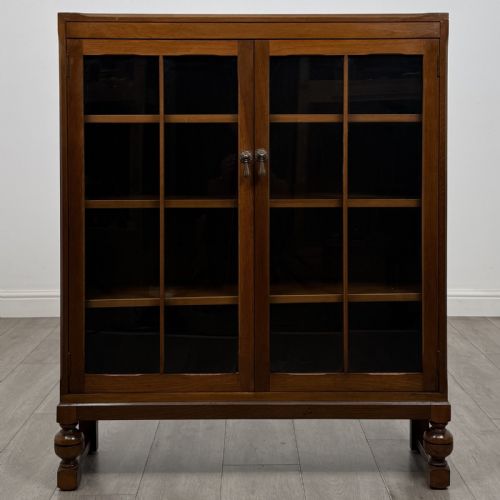
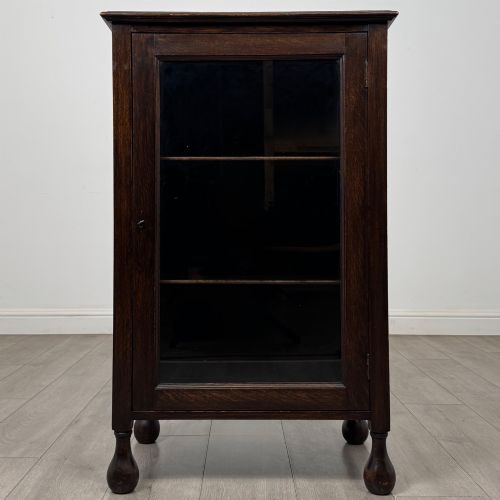
These turned leg display cabinet items combine practical storage with upright timber frames, offering a sturdy platform to showcase ceramics and books.
Turned Leg Display Cabinet
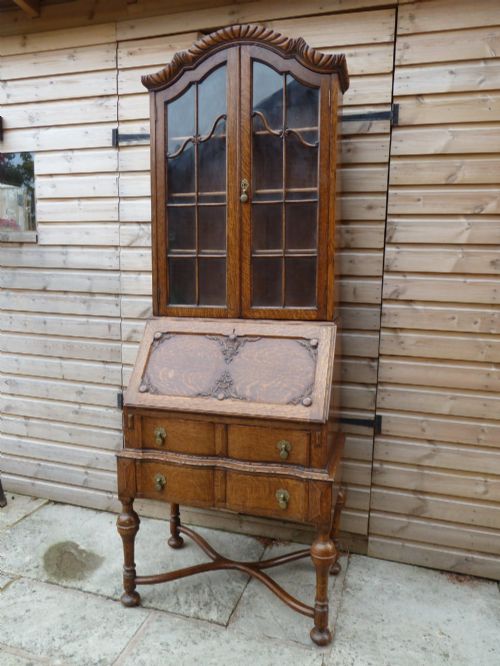
When you search for a turned leg display cabinet, you encounter sturdy timber furniture designed to hold china, books, and curiosities behind glass or open shelving. These forms span several decades and stylistic revivals, offering practical storage with elevated structural framing.
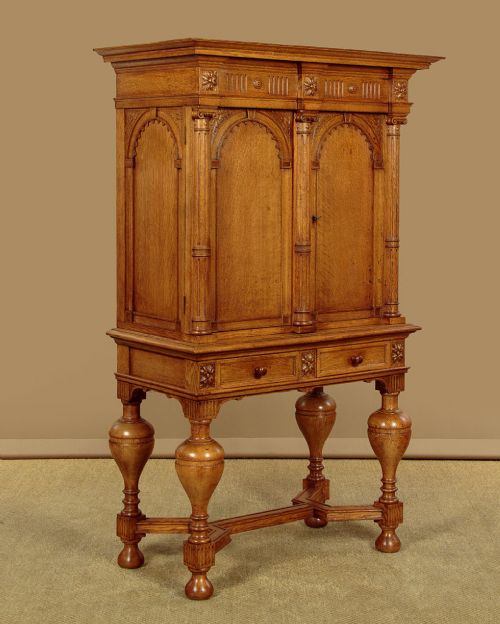
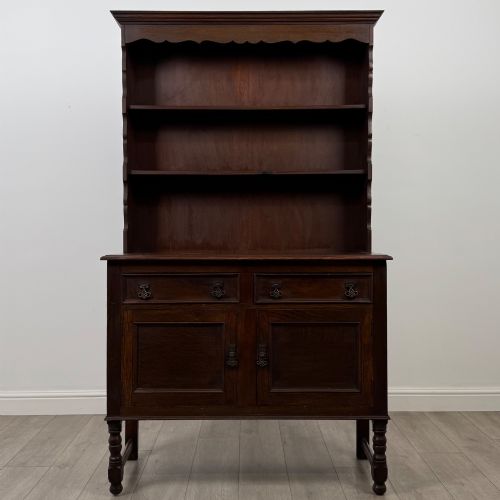
The pieces on this page are most commonly constructed from oak or mahogany, frequently aligning with Edwardian, Victorian, and 1920s periods. You will frequently meet glazed china cabinets, cabinets on stands, and larger Welsh dressers that incorporate distinct turned supports.
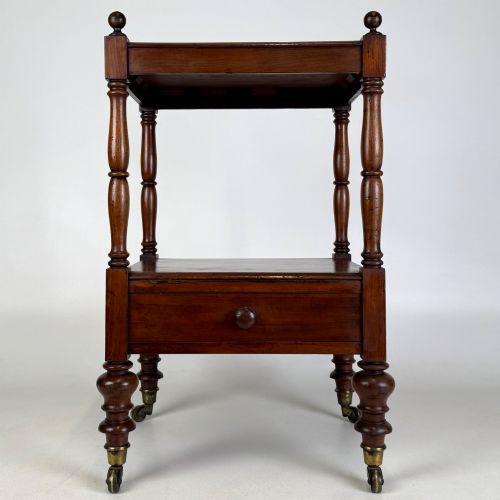
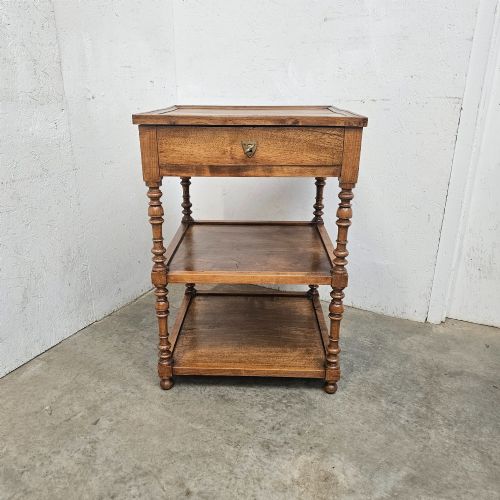
Makers drew on historic motifs, leading to Jacobean Revival and Dutch Renaissance Revival influences alongside simpler French Provincial designs. Each variation provides a distinct profile, whether you select a tall bureau bookcase or a lower side table with shelving.
How they were made
Construction relies heavily on solid oak and mahogany timbers, paired with glass panels for cabinet doors and display sections. Workshops utilised brass for hardware details and metal fastenings to secure internal shelving and doors.
Turning lathes shaped the wooden legs and supports, creating balanced vertical members that bear the weight of the upper cabinets. Joinery techniques from the Victorian and Edwardian eras ensure rigid frames that support heavy book collections and crockery.
The turning lathe turned simple blocks of oak into grand architectural columns that bravely pretend they belong in a seventeenth-century manor.
What varies in quality
The refinement of the wood turning on the legs and supports distinguishes standard production from finer cabinet work. Crisp detailing in the timber moulding and well-fitted glass doors elevate the overall presence of the piece.
Selection of timber grain and depth of colour in the oak or walnut surfaces create visual distinction across different examples. Heavier construction and thoughtful proportions separate robust architectural items from simpler utility furniture.
The Turned Leg Display Cabinet Glossary
- Turned leg
- A wooden support shaped on a lathe to create decorative cylindrical profiles. This technique appears frequently across Victorian and Edwardian cabinet supports.
- Display cabinet
- A piece of furniture featuring glass panels designed to exhibit china, books, and ornaments. These items keep dust away while keeping contents visible.
- Whatnot
- An open set of tiered shelves supported by slender turned columns, used for displaying small objects. This form gained popularity during the Victorian period.
- Cabinet on stand
- An enclosed storage box elevated on a separate framework of legs. This configuration lightens the visual weight of heavy oak and walnut bodies.
Turned Leg Display Cabinet: Frequently Asked Questions
What fits inside these cabinets?
These cabinets suit china collections, glassware, and books behind their glazed doors.
Open shelving variants and whatnots hold smaller decorative items and daily accessories within easy reach.
How do I date these cabinets?
Dating relies on timber choice, hardware styles, and the specific Revival movement influencing the design.
Edwardian and Victorian examples show distinct joinery methods and turning profiles compared to pieces from the 1920s and 1930s.
Where should I place a cabinet?
These pieces anchor dining rooms, hallways, and living spaces where vertical storage is useful.
Their turned supports and glass fronts add architectural interest without overwhelming smaller floor plans.
Are these pieces solid wood?
The listed items utilise substantial timbers such as oak, mahogany, and walnut across their main structures.
Construction methods reflect the period standards of nineteenth and early twentieth-century workshops.