



Turn of Century Cane
Turn of century cane encompasses seating and walking aids spanning various periods, offering traditional craftsmanship and tactile materials suited to period interiors.
Turn of Century Cane
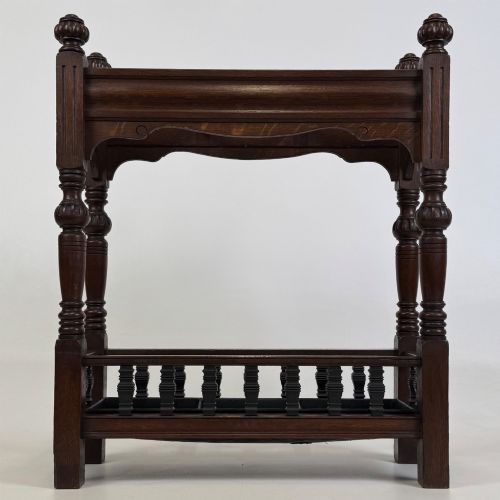
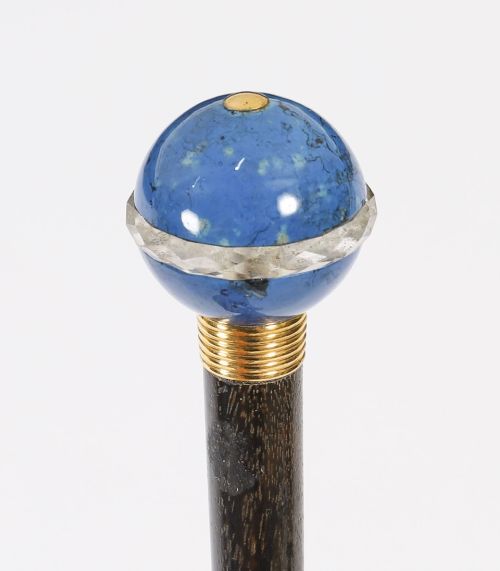
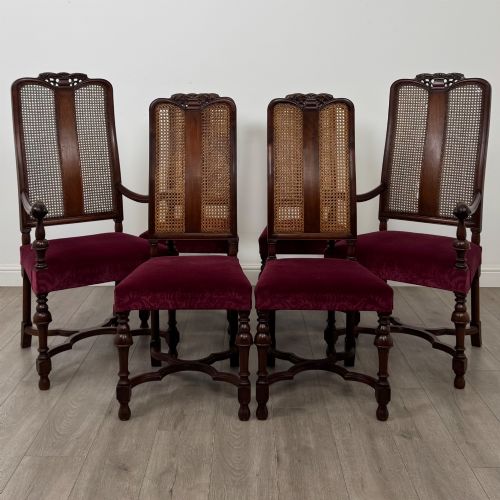
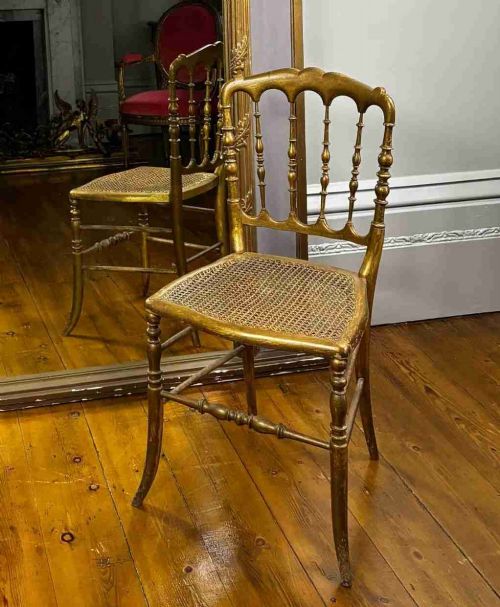
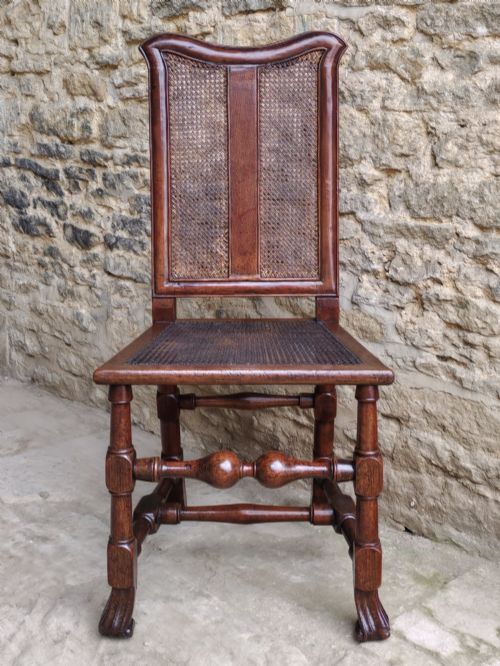
When buyers search for turn of century cane, they encounter items ranging from Edwardian umbrella stands and dining chairs to walking sticks and nineteenth-century seating with woven panels. The selection spans distinct periods including the Edwardian era, nineteen-hundred, and the nineteenth century, reflecting diverse historical influences.
Origin and form vary widely, incorporating regional pieces such as Anglo-Indian daybeds, Ceylonese hall chairs, and English bergere armchairs. The primary unifying characteristic across these disparate objects is the integration of cane work or the use of cane materials in their construction.
Materials and Construction
Makers utilised a variety of hard and soft timbers such as oak, walnut, mahogany, satinwood, ebony, and rosewood to build the structural frames of chairs, stools, and stands. These woods were often turned, carved, or painted to achieve specific period aesthetics.
Caning techniques involved weaving processed rattan cane through drilled holes in wooden frames to create flexible, supportive seats and backs for bergere chairs and side chairs. Additional materials like brass, leather, and glass appeared in handles, mounts, and decorative elements.
Listings feature items built from oak, mahogany, walnut, satinwood, ebony, and rosewood, spanning periods from the seventeenth century to nineteen-twenty.
Distinctions in Quality
The integrity of the woven cane work and the precision of the timber framing separate standard examples from finer pieces. Tight, uniform weaving and solid wood construction indicate superior workshop standards.
Design complexity and originality of finish also determine standing within the range. Pieces retaining untouched period paint, intricate carvings, or unusual metamorphic mechanisms command greater interest.
Briggs·Wedgwood
The Turn of Century Cane Glossary
- Bergere
- An upholstered enclosed armchair with wooden frames and cane side panels. This seating style gained popularity during the Regency and Edwardian periods.
- Bobbin turned
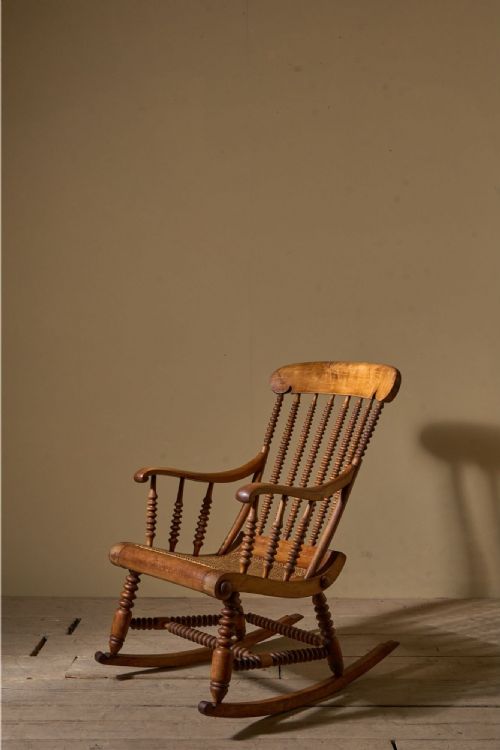
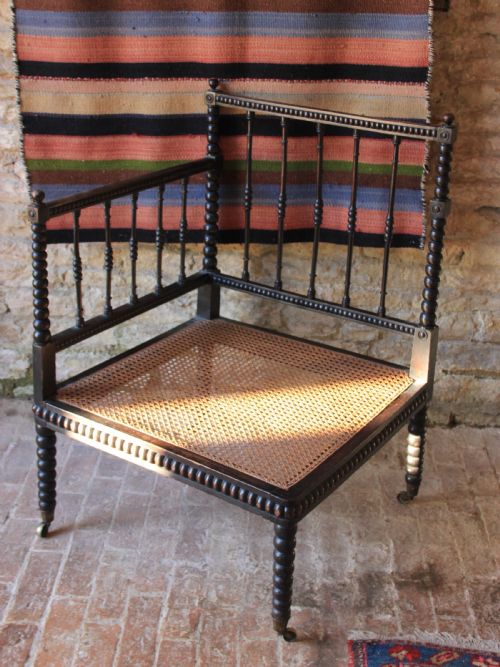
- A method of turning wood on a lathe to create a series of rounded, spool-like shapes. This decorative technique appears frequently on seventeenth and nineteenth-century frames.
- Caning
- The practice of weaving rattan or reed material to form panels for chair seats and backs. It provides a resilient, breathable surface.
- Giltwood
- Timber treated with a thin layer of gold leaf or gilt paint for decorative effect. It is typically found on formal salon and display furniture.
Turn of Century Cane: Frequently Asked Questions
What is a turn of century cane chair?
A turn of century cane chair is a seat featuring woven rattan panels produced around nineteen hundred. These pieces draw on earlier Regency and Victorian traditions.
They combine wooden frames in mahogany, oak, or walnut with flexible woven cane seats and backs designed for comfort.
How do I care for antique caning?
Antique caning requires gentle cleaning with a damp cloth and occasional light conditioning to prevent the natural fibres from drying out and snapping. Avoid placing these items near direct heat sources.
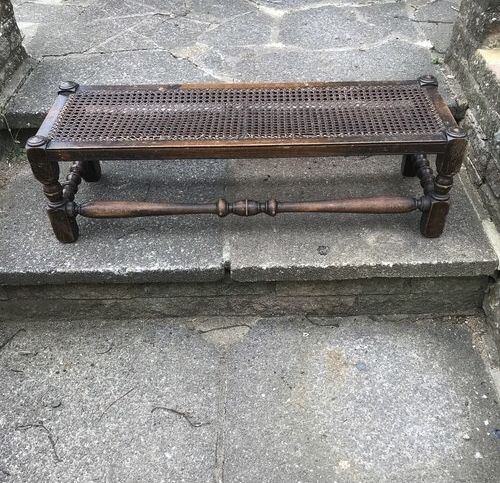
Weight distribution matters greatly with old cane, so avoid kneeling on caned seats or overloading footstools.
Are umbrella stands made of cane?
Umbrella stands from this period are typically constructed from solid timbers like oak or turned walnut rather than woven plant material. The term cane in this context may also refer to walking sticks and canes displayed within the stand.
These hallway accessories combined structural wood framing with metal drip pans to hold wet umbrellas safely.
What is a bergere armchair?
A bergere is a French-style armchair with closed upholstered sides and a cane back and seat panel. Regency and Edwardian makers adapted this form using mahogany, satinwood, and simulated rosewood.
They were designed for formal parlours and libraries, often accompanied by loose cushions for added comfort.