


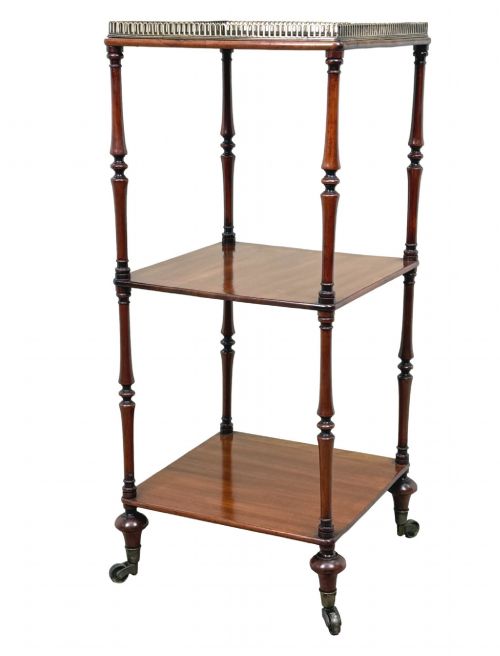


Turn of Century Book
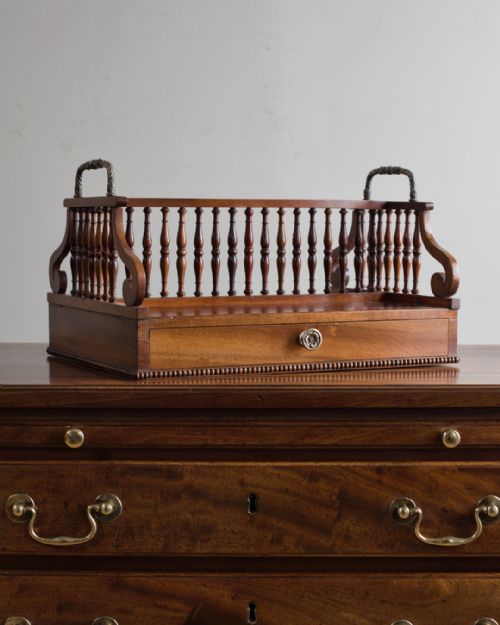
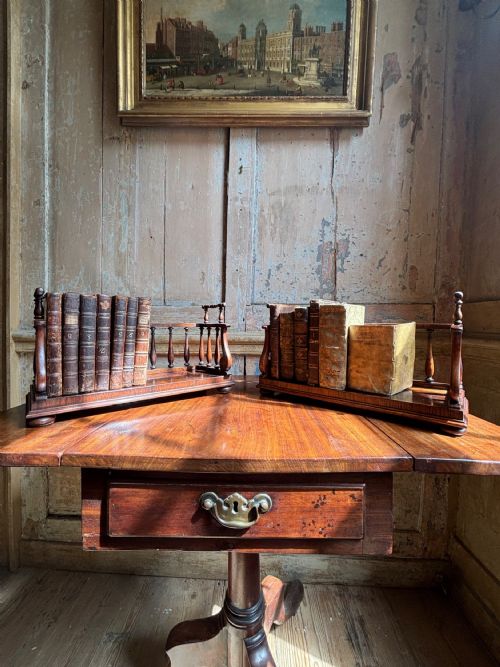
A turn of century book piece brings period timber and shelf space together, offering a practical way to display volumes in a traditional room.
Turn of Century Book
A turn of century book search brings up a varied selection of bookcases, open shelving units, and reading tables designed for domestic libraries and studies. These items date from multiple periods, including the Edwardian era, the Victorian period, and earlier Georgian times.
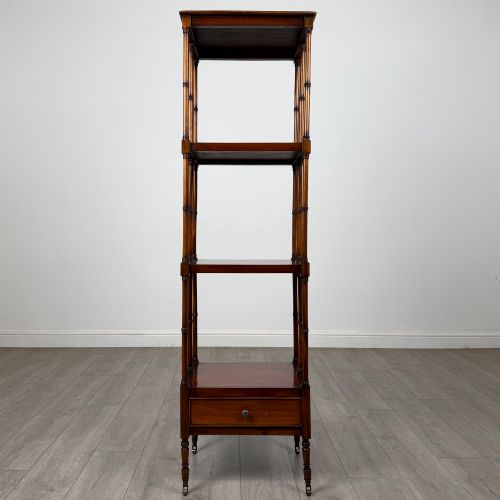
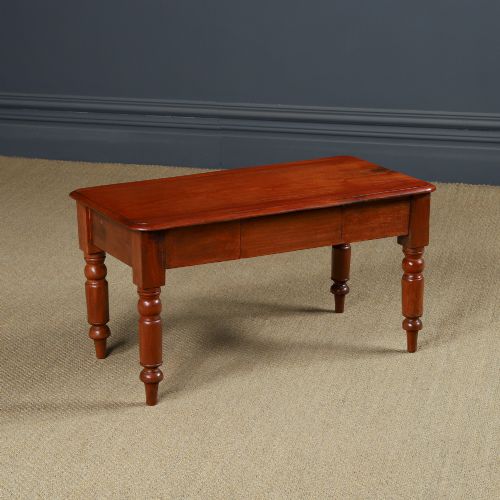
The most common forms you will encounter on this page are multi-tiered whatnots, side tables, and open bookcases constructed from timber. Makers of these pieces utilised traditional forms that served both display and storage purposes in period homes.
Origins span standard British cabinet-making traditions, incorporating styles ranging from Arts and Crafts to Regency Revival and William IV. Each piece reflects the functional requirements of its original era, whether for holding folio volumes or everyday reading matter.
Materials and construction
Construction relies heavily on dense hardwoods such as mahogany, rosewood, and oak, often selected for strength and deep natural grain. Selected items also feature lighter timbers like birdseye maple and yew wood to create contrast in surface pattern.
Joinery methods follow traditional cabinet-making practices appropriate to each period, utilising solid timber construction alongside carefully applied veneers. Brass details appear on specific items as hinges, castors, or structural supports.
Turn of Century Book Retail Price Guide 2026
Typical asking prices for turn of century book among the pieces listed under this phrase on Sellingantiques today, from the lower quarter to the upper quarter. They describe what is for sale here now, not the wider market.
Listings feature mahogany, oak, rosewood, birdseye maple, and yew wood across Victorian, Edwardian, Georgian, and Regency periods.
Distinctions in quality
Quality across these pieces depends on the selection of timber figures, the precision of the joinery, and the integrity of the original structure. Superior examples display careful matching of grain patterns on prominent surfaces and sturdy tier supports.
The presence of maker attribution or distinct stylistic execution, such as work associated with Liberty & Co or Gillows, separates standard utility pieces from finer cabinet-maker output. Condition of the timber polish and retention of original brass elements also influence the standing of an individual piece.
Gillows·Leonard Wyburd·Liberty & Co
The Turn of Century Book Glossary
- Whatnot
- An open set of multi-tiered shelves used for displaying books, ornaments, or small household objects. These items typically feature three or four levels supported by turned uprights.
- Étagère
- A French term used interchangeably with whatnot for a piece of furniture consisting of open shelves for display. They gained popularity during the nineteenth century for drawing room use.
- Birdseye maple
- A figure in maple wood that resembles tiny swirling eyes, created by local disruptions in the wood grain's growth. Cabinet-makers used this decorative veneer on select furniture surfaces.
- Bobbin shelves
- Shelving units featuring turned wooden turnings shaped like bobbins or spools along their upright supports. This decorative turning technique appears on nineteenth-century pieces.
Turn of Century Book: Frequently Asked Questions
What is a whatnot shelf used for?
A whatnot is an open shelving unit designed to hold books, small objects, and decorative pieces within sitting rooms or libraries. The tiered structure allowed easy access to volumes while keeping them off the floor.
These pieces served a practical function in nineteenth-century homes where surface space was at a premium. Their open design distinguished them from enclosed bookcases by prioritising visibility and casual access.
How do I identify an Edwardian bookcase?
Edwardian bookcases often feature lighter timbers and simpler proportions compared to their heavy Victorian predecessors. They frequently incorporate open shelving arrangements suited to domestic reading habits of the early twentieth century.
Construction methods from this period show machine assistance alongside traditional hand finishing. The styling often looks back to earlier Georgian or Regency forms while maintaining a lighter physical presence.
Where should I place a reading table?
Reading tables suit placement beside armchairs or sofas where current books and writing materials need to be close at hand. Their two-tier or multi-level formats provide a surface for an open volume alongside space for storage underneath.
Placing these tables away from direct heat sources helps protect the mahogany or rosewood surfaces from timber shrinkage. Regular positioning in ambient indoor conditions preserves the original polish and joint stability.
How do I care for antique mahogany?
Antique mahogany requires simple dusting with a dry lint-free cloth to prevent surface grime from accumulating on the timber. Avoiding direct sunlight stops the natural reddish-brown colour from fading unevenly over time.
Occasional application of appropriate wax polish maintains the moisture and sheen of the wood without building up a heavy residue. Gentle maintenance preserves the historical patina developed over generations of use.