

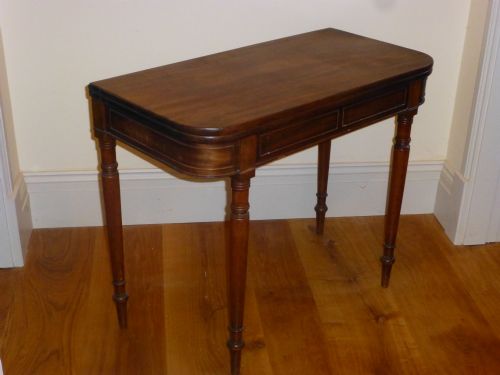
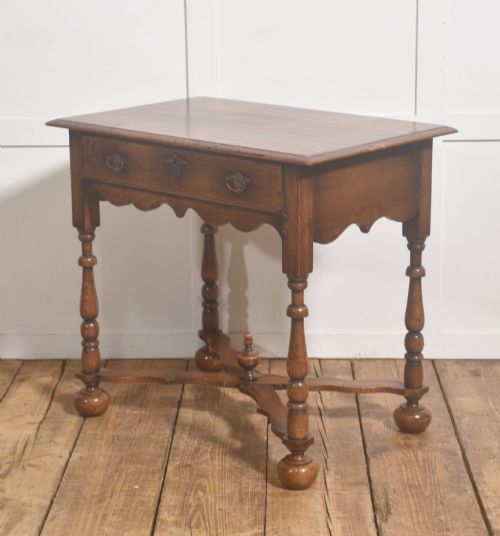
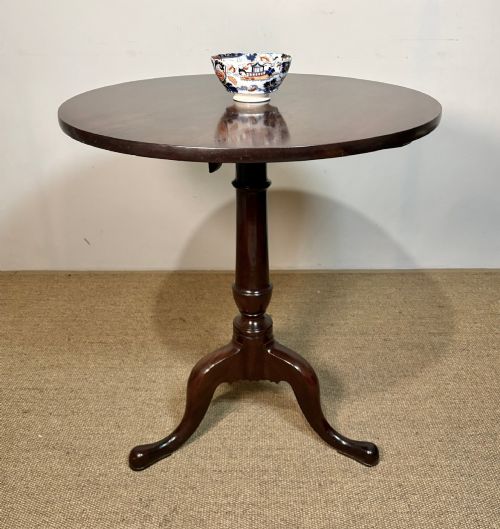
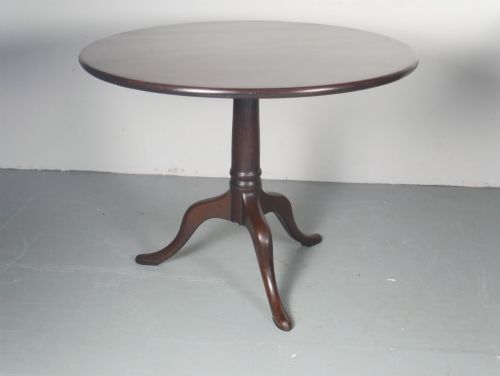
Turn Leg Side Table
These turn leg side table examples bring sturdy timber construction and useful surfaces into daily domestic life.
Turn Leg Side Table
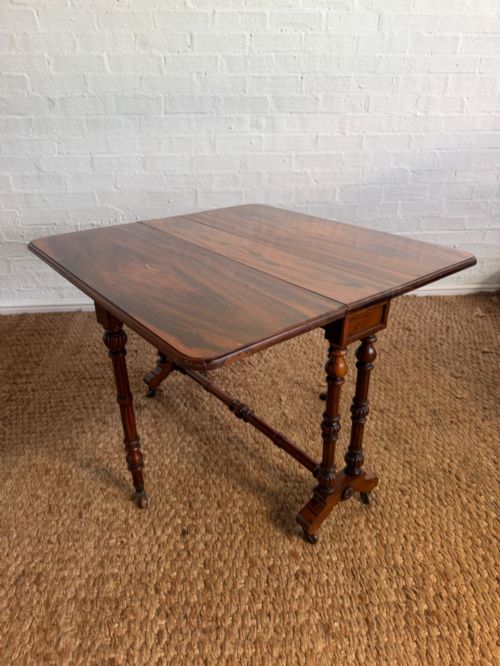
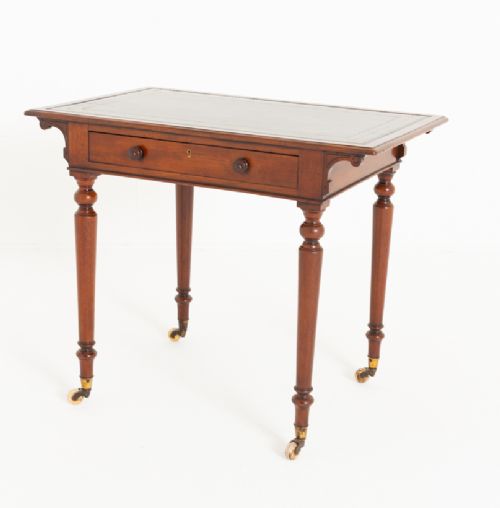
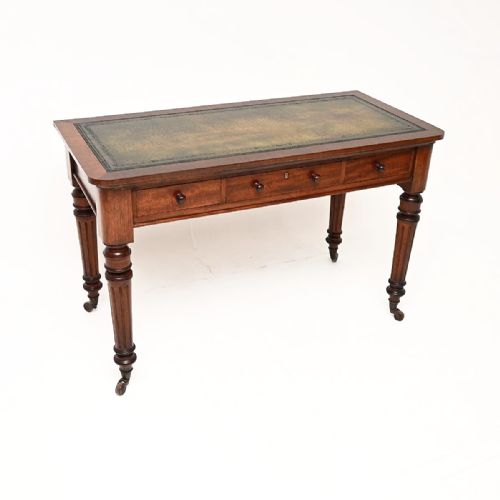
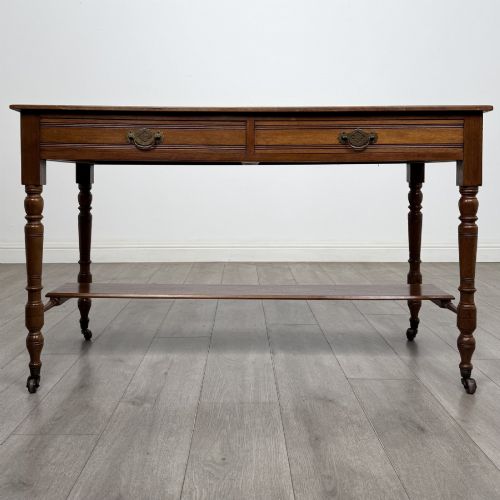
A turn leg side table encompasses a practical range of timber furnishings designed for regular use in domestic rooms. The selection includes occasional tables, writing desks, and dropleaf forms suited to compact spaces.
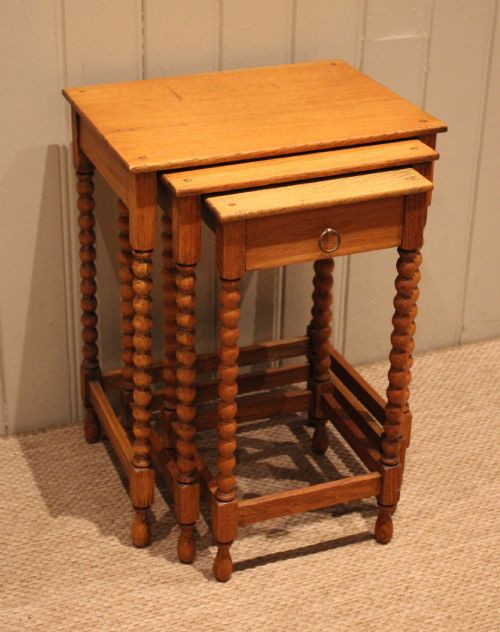
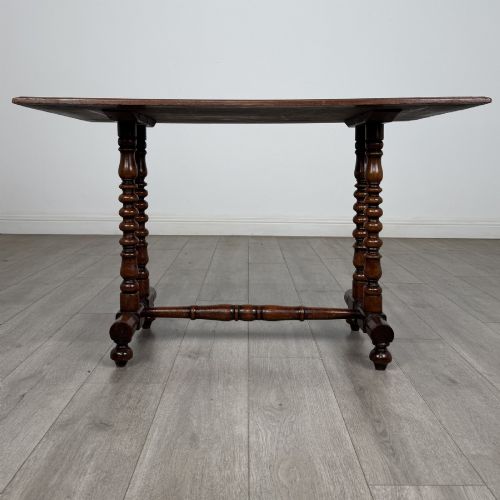
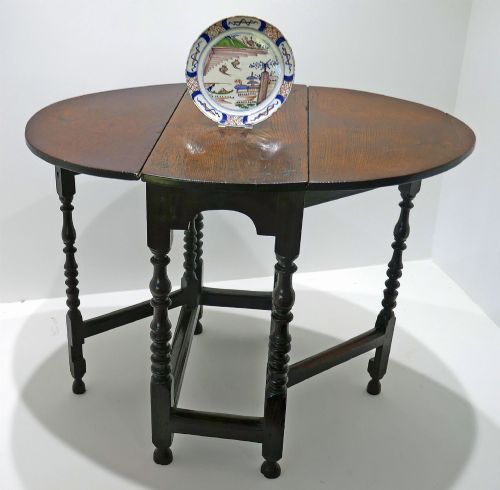
The material record spans multiple eras, with Victorian and Regency pieces appearing alongside earlier 17th century oak examples featuring bobbin-turned supports. Mahogany and walnut dominate the forms, supplemented by fruitwood, oak, and pine.
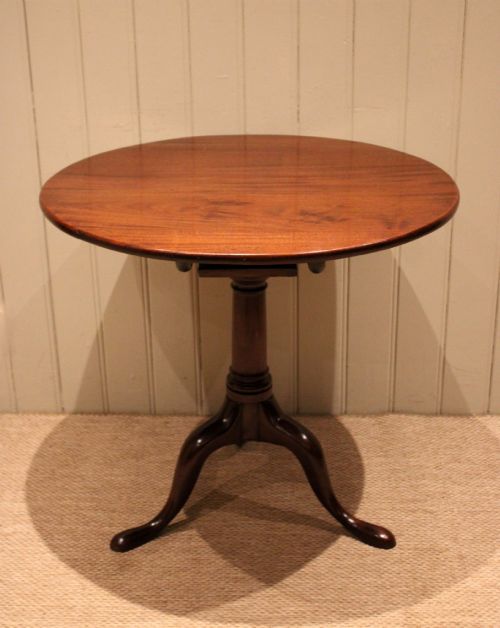
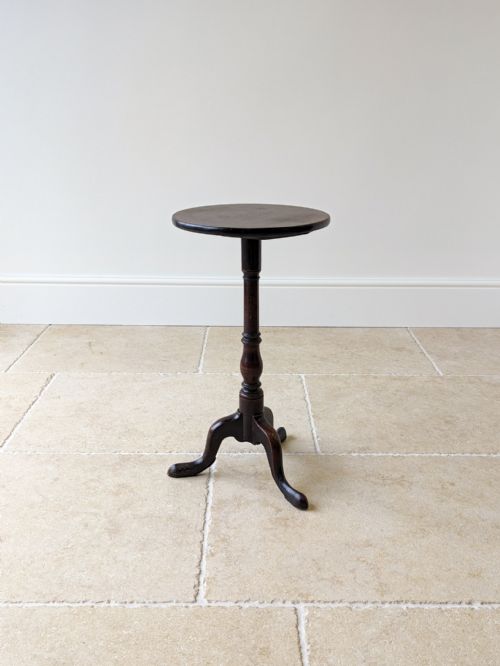
Buyers will encounter various formats on this page, from tilt-top tripod tables to nests of tables and compact work tables. These items serve easily as lamp tables or home office desks within modern interiors.
How they were made
Carpenters relied on dense hardwoods such as mahogany, walnut, and oak to construct these practical household items. Grain patterns on burr walnut and mahogany tops received careful attention from makers to highlight the natural timber.
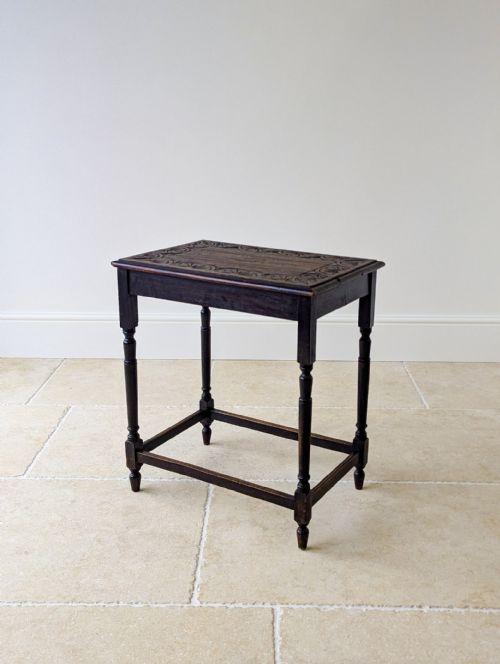
Turning techniques shaped the structural supports, producing distinctive bobbin legs, reeded turned legs, and pad feet. Brass inlay and drop leaves added function and decoration to writing tables and work tables.
Turn Leg Side Table Retail Price Guide 2026
Typical asking prices for turn leg side table among the pieces listed under this phrase on Sellingantiques today, from the lower quarter to the upper quarter. They describe what is for sale here now, not the wider market.
Listings feature turn leg side table designs spanning from the 17th century through the Victorian era in mahogany, oak, walnut, and fruitwood.
What varies in quality
Construction methods determine the structural integrity of each piece, distinguishing utilitarian items from finer parlor furniture. The crispness of turned legs and the selection of figured mahogany or burr walnut veneers indicate the maker's initial skill.
Original hardware, such as brass inlays and working drawer mechanisms, preserves the integrity of desks and writing tables. The choice of secondary timbers and the tightness of joints reveal the underlying standard of workshop production.
The Turn Leg Side Table Glossary
- Bobbin leg
- A turned furniture leg shaped like a series of rounded bobbins or spools, seen frequently on 17th century oak pieces.
- Tilt-top
- A tabletop hinged to a central pillar, allowing the surface to fold vertically when not in use to save space.
- Dropleaf
- A table design featuring hinged flaps on one or both sides that drop down to reduce the overall footprint.
- Pediment
- A decorative architectural raised back attached to the rear of a side table or washstand.
- Tripod table
- A small occasional table supported by a central turned pillar standing on three individual feet.
Turn Leg Side Table: Frequently Asked Questions
Where do I put a turn leg side table?
These compact tables fit readily beside armchairs, sofas, or beds to hold lamps and books. They also serve as small writing desks in home office spaces.
Their varied footprints allow them to occupy awkward corners or hallways without cluttering the room.
How do I care for mahogany tables?
Dust the timber regularly with a dry cloth and avoid placing the surface near direct heat sources or strong sunlight. Proper humidity control protects the polish and natural grain.
Applying a traditional wax polish occasionally maintains the lustre of the wood.
What is a tilt-top table used for?
The folding mechanism allowed makers and owners to store the table flat against a wall when floor space was needed. It functioned primarily as an occasional or tea table.
In daily use, the top remained locked horizontal for serving items.
How do I identify a Regency table?
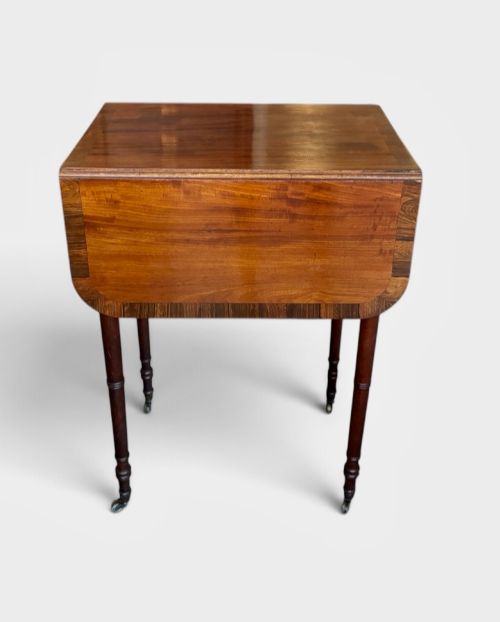
Regency pieces often display rich mahogany surfaces, sometimes accented with brass inlay or distinct geometric forms like octagonal tops. The overall proportion follows classical revival lines.
Construction details reflect early 19th century cabinet-making practices.