


Turkmenistan Wool Carpet
A turkmenistan wool carpet brings rich tribal geometry into a room, offering dense natural dyes and historic nomadic craftsmanship.
Turkmenistan Wool Carpet
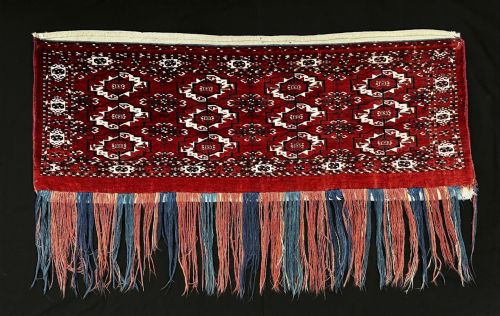
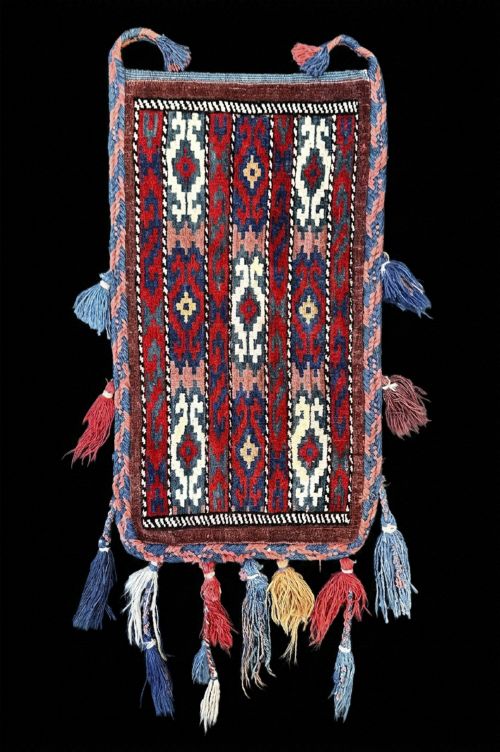
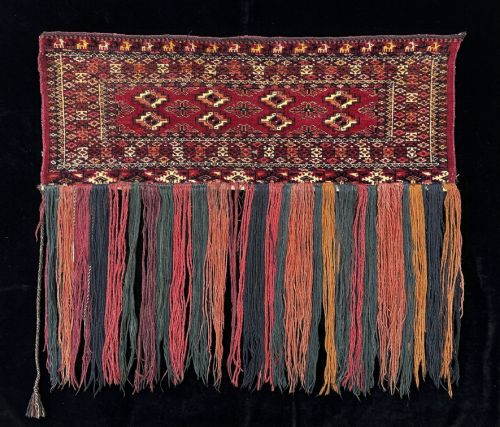
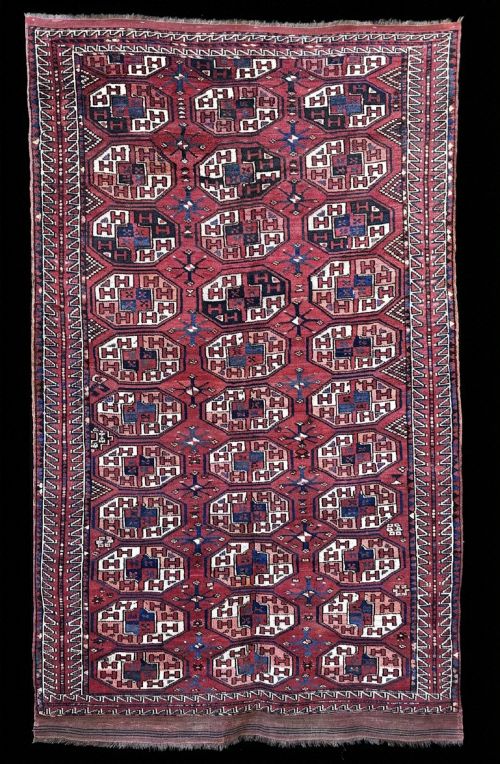
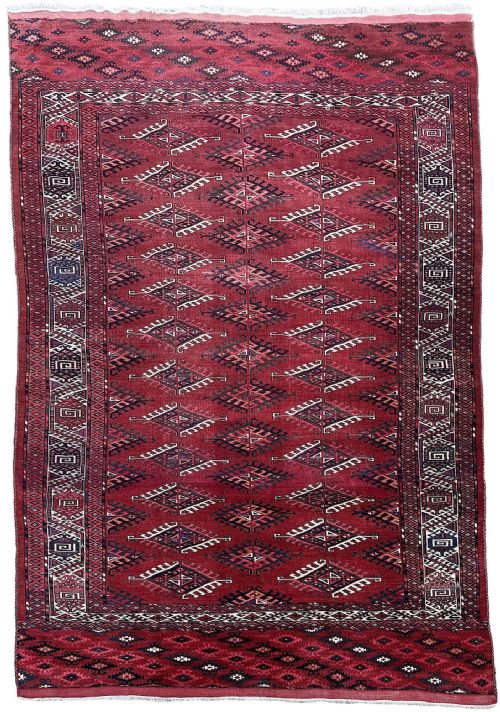
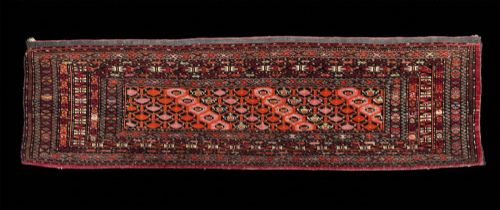
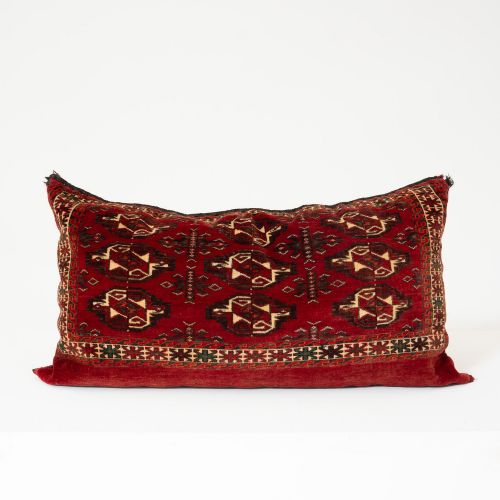
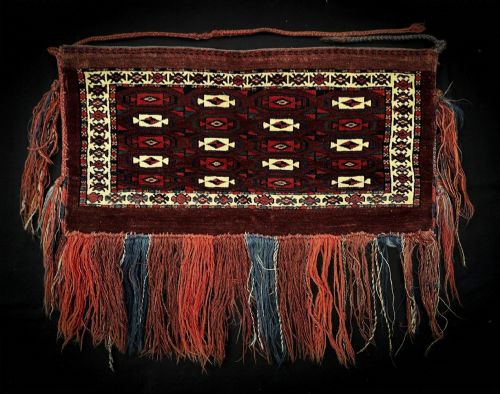
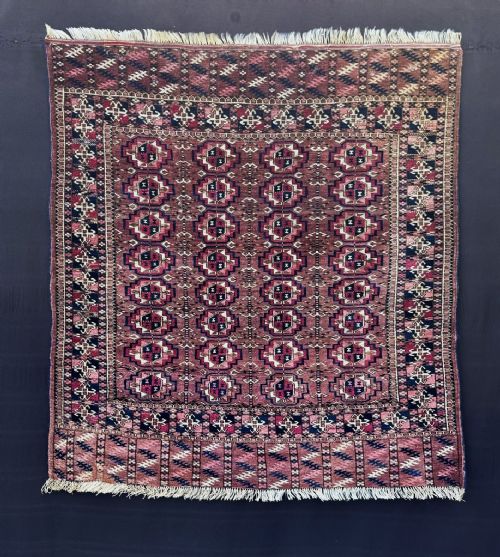
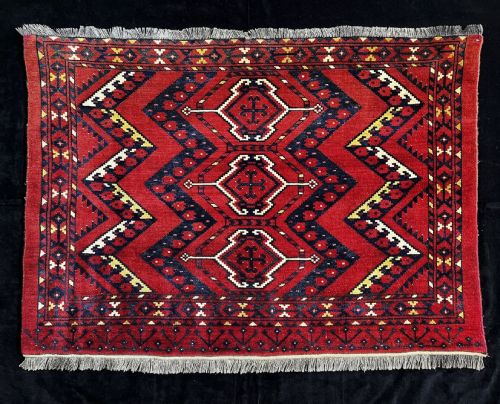
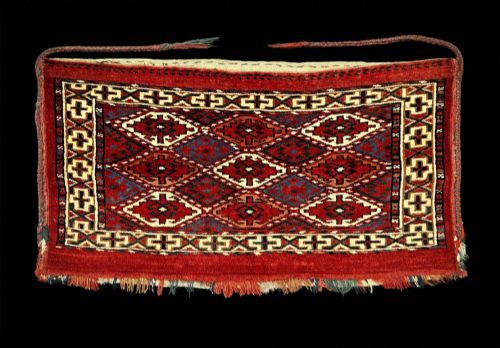
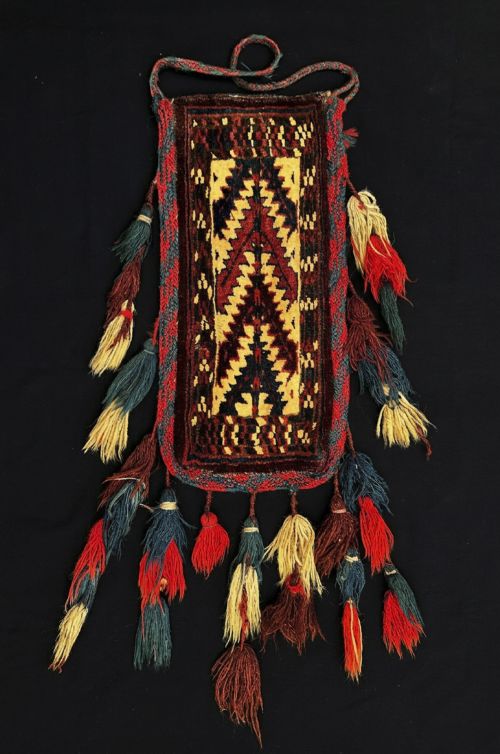
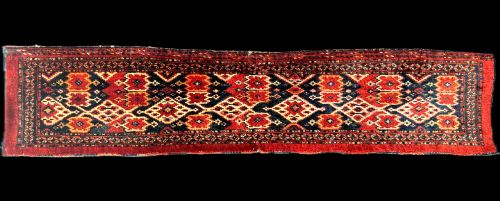
When searching for a turkmenistan wool carpet, buyers encounter woven artefacts originating from Central Asian steppes and oases created by specific tribal groups. These items range from large carpets and main carpets to smaller utilitarian objects including tent bands, wedding rugs, and storage bags.
The selections available here heavily represent nineteenth-century production alongside examples from the early twentieth century and the eighteenth century. Regional variations reflect the distinct aesthetic traditions of Yomut, Teke, Sariq, Ersary, Kizyl Ayak, and Karadashli weavers.
Most pieces function as tribal textiles, rugs, area rugs, cushions, pillows, wall hangings, and saddle rugs. Each format served specific nomadic domestic functions before entering the decorative sphere.
Materials and construction
Weavers utilised hand-spun wool, cotton, and linen as the foundational materials for these textiles. Natural dyes provide the deep colour palettes characteristic of Central Asian weaving traditions.
Construction techniques include pile weaving, flatweaving, and soumak methods depending on whether the object served as a floor covering, a ceremonial trapping, or a storage bag. Artisans integrated these materials to withstand nomadic movement while maintaining intricate geometric precision.
Turkmenistan Wool Carpet Retail Price Guide 2026
Typical asking prices for turkmenistan wool carpet among the pieces listed under this phrase on Sellingantiques today, from the lower quarter to the upper quarter. They describe what is for sale here now, not the wider market.
The inventory spans multiple decades of the nineteenth century alongside eighteenth-century fragments and early twentieth-century tent bands.
Distinguishing quality
Quality in these textiles rests upon the fineness of the knotting and the handling of natural dye saturation. Tighter structural density and balanced proportions separate utilitarian household items from finer ceremonial trappings.
The complexity of the tribal motifs, such as guls and primary design fields, indicates the artisan's skill and local tradition. Well-preserved structural integrity across fringes, borders, and pile length determines the overall standing of an individual piece.
The Turkmenistan Wool Carpet Glossary
- Gul
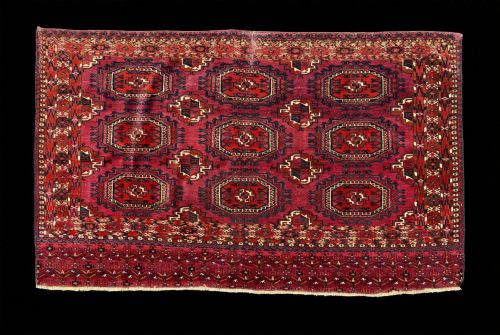
- A primary octagonal medallion motif repeated across Central Asian carpets. This device identifies specific tribal lineages and design origins.
- Chuval
- A large nomadic storage bag face utilised within the yurt. These items display dense secondary field patterns.
- Ensi
- A tribal door rug hung at the entrance of a nomadic tent. They typically feature a cross-shaped division of the central field.
- Asmalyk
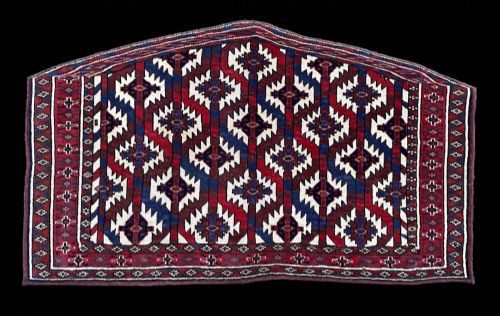
- A ceremonial camel trapping hung on the flanks of an animal during wedding processions. These pentagonal pieces represent high artistic expression.
- Soumak
- A flatweave technique involving wrapping supplementary weft threads over warp threads. This method creates a textured surface distinct from standard pile carpets.
Turkmenistan Wool Carpet: Frequently Asked Questions
How were these carpets used?
Nomadic families utilised these textiles inside circular dwellings known as yurts for floor coverings, bedding storage, and doorway hangings. Many items functioned as practical containers for household possessions.
Other formats served ceremonial purposes during weddings and tribal gatherings. Animal trappings adorned camels during festive processions across the steppes.
How do I live with a tribal rug?
These textiles integrate well into modern interiors as floor coverings, wall hangings, or surface accents on furniture. Placing them in low-traffic zones preserves the historical wool pile.
Pairing these items with simple contemporary furnishings allows the geometric motifs to remain prominent. Natural light brings out the variation within the natural dye palette.
How do I identify different tribal groups?
Tribal attribution relies on specific design structures, colour choices, and repeat motifs like guls. Weavers from the Yomut, Teke, and Ersary groups utilised distinct regional palettes and border arrangements.
Examining the structural format, such as whether a piece is an ensi, chuval, or main carpet, narrows down the probable origin within Turkmenistan.
What dates are common for these items?
The available selection primarily spans the nineteenth century, including pieces from the 1850s, 1870s, and 1900. Earlier examples from the eighteenth century appear alongside early twentieth-century items.
Dating relies on stylistic markers, dye analysis, and structural characteristics typical of specific decades in Central Asian production.