



Tufted Velvet Daybed
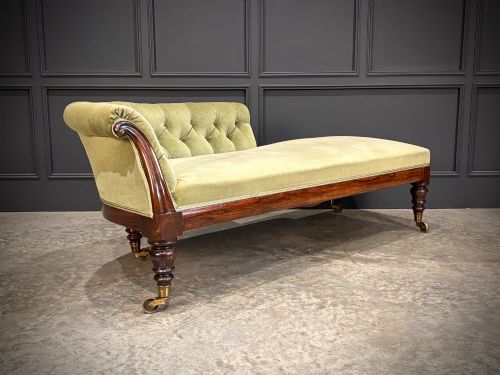
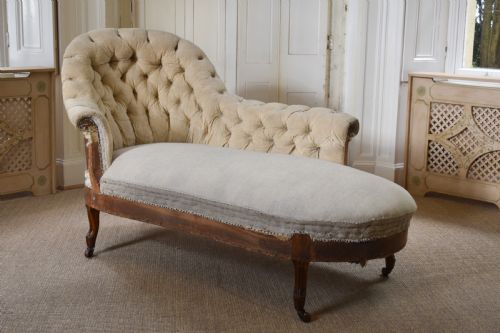
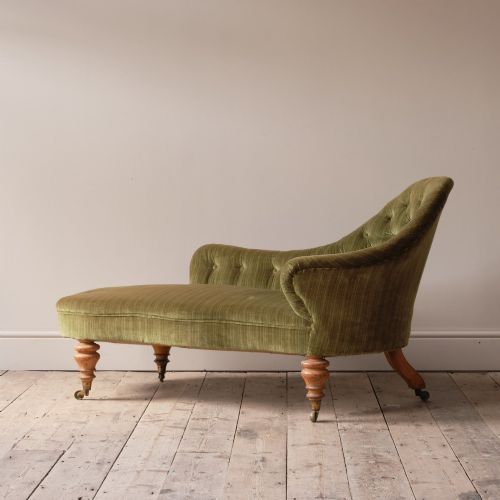
A tufted velvet daybed brings nineteenth-century drawing-room elegance into a modern interior with deep buttoning and generous lounging space.
Tufted Velvet Daybed
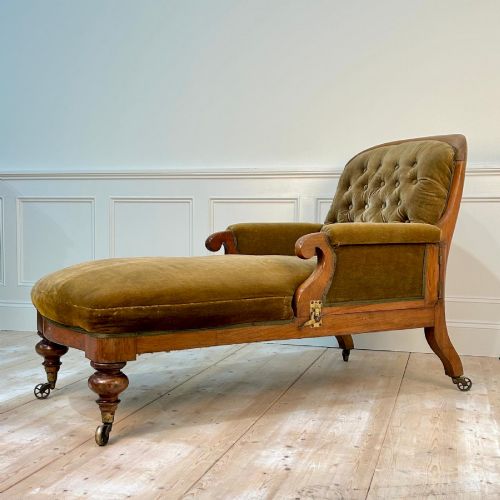
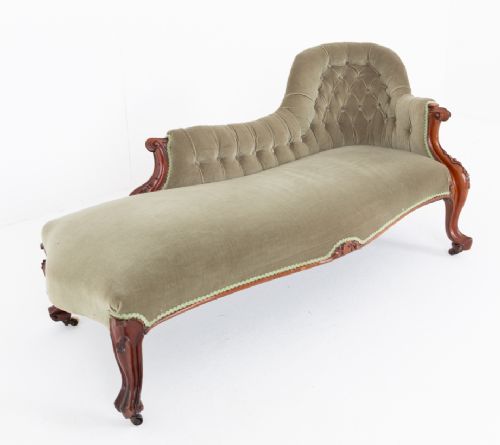
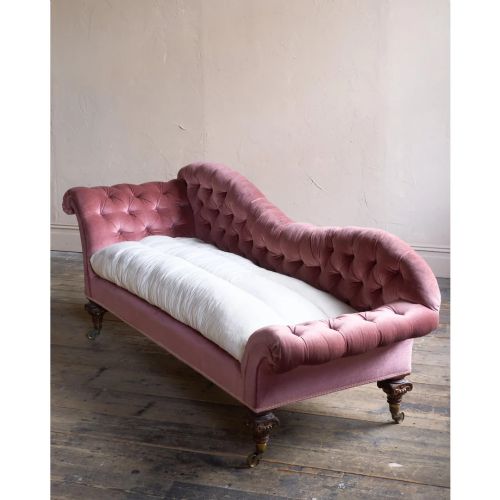
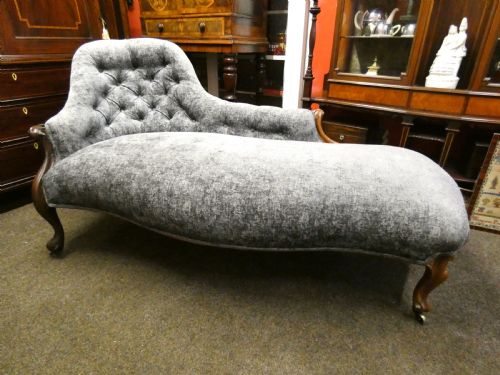
A tufted velvet daybed takes the form of nineteenth-century chaise longues, kidney sofas, and reclining day beds designed for seated relaxation. These pieces span the Regency and Victorian periods, offering single-ended lounging silhouettes.
Victorian examples dominate the selection, featuring button-backed upholstery and rich timber frames. Buyers encounter both early Victorian country house pieces and grand Regency designs with classical columns.
Mahogany and rosewood feature heavily in the wooden framework, supporting plush velvet textiles in various tones. These forms serve as statement seating and functional daytime resting places in traditional and eclectic rooms.
How they were made
Frames are constructed from dense hardwoods like mahogany and rosewood, carved with classical details such as Ionic columns or ornate scroll ends. Artisans shaped these timbers to support long, sweeping seating platforms.
Upholstery relies on traditional buttoning techniques, pulling velvet tight over deep padding to create the characteristic tufted surface. Fabric is secured to sturdy internal foundations using period joinery and metal fixings including brass elements.
Tufted Velvet Daybed Retail Price Guide 2026
Typical asking prices for tufted velvet daybed among the pieces listed under this phrase on Sellingantiques today, from the lower quarter to the upper quarter. They describe what is for sale here now, not the wider market.
Listings feature pieces spanning the Regency period through to the late Victorian era, constructed in mahogany, rosewood, and iron.
What varies in quality
The refinement of the timber carving dictates the grade of the piece, moving from simple country house carpentry to elaborate grand Regency and Victorian ornamentation. Frame stability and the depth of the rosewood or mahogany grain set the better examples apart.
The execution of the buttoning and the choice of velvet textile determine visual depth and tactile richness. Superior pieces maintain tight, even tufting that preserves the sculptural silhouette of the daybed.
Howard and Sons
The Tufted Velvet Daybed Glossary
- Chaise longue
- A long seated piece of furniture for reclining, combining the characteristics of a chair and a sofa. These items feature a single raised end for head support.
- Button back
- An upholstery style where buttons are pulled deep into the padding in a diamond pattern. This technique secures the stuffing and creates the signature tufted texture.
- Ionic column
- A classical architectural feature used as a decorative leg or support on Regency and Victorian furniture. It is characterised by spiral scroll shapes on the capital.
- Rosewood
- A heavy, dark timber with distinct figuring utilised in fine nineteenth-century frames. It provides a rich red-brown tone beneath the velvet upholstery.
Tufted Velvet Daybed: Frequently Asked Questions
What is a tufted velvet daybed?
A tufted velvet daybed is a nineteenth-century lounging form, often catalogued as a chaise longue or kidney sofa. It combines a timber frame with deep buttoned velvet upholstery.
These pieces provide a single-ended backrest designed for reclining in drawing rooms and parlours. They survive primarily from the Regency and Victorian eras.
How do I date a daybed?
Dating relies on examining the timber species and stylistic details of the frame. Regency pieces often show classical elements like Ionic columns, while Victorian versions favour rosewood and mahogany.
Early nineteenth-century examples tend to display heavier carving and specific country house proportions. Comparing the woodwork style to established period markers clarifies the age.
Where should I place a daybed?
These pieces suit living rooms, large hallways, or studies where they can be viewed from multiple angles. Their asymmetric shape works well floating in a room rather than pushed against a wall.
Ensure there is adequate floor space to appreciate the scroll end and carved wooden frame. They function as both accent seating and a comfortable spot for reading.
What woods were used?
Cabinet makers utilised dense hardwoods including mahogany and rosewood for the exposed frames and legs. These dark timbers were chosen for their strength and polished finishes.
Iron and general hardwood components also form the internal structures and support systems. The quality of the timber often reflects the ambition of the original design.