




Tudor Carved Wood
Tudor carved wood brings heavy timber, deep relief work, and centuries of domestic history straight into modern rooms.
Tudor Carved Wood
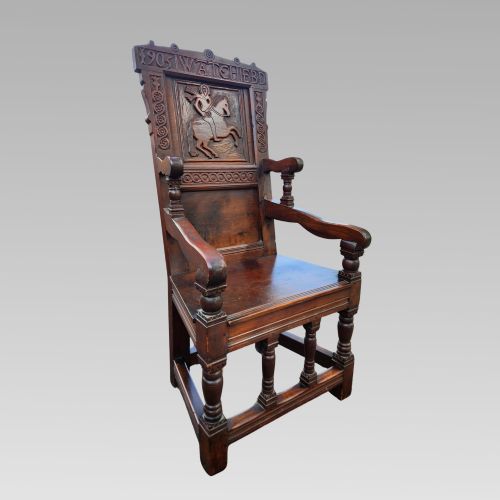
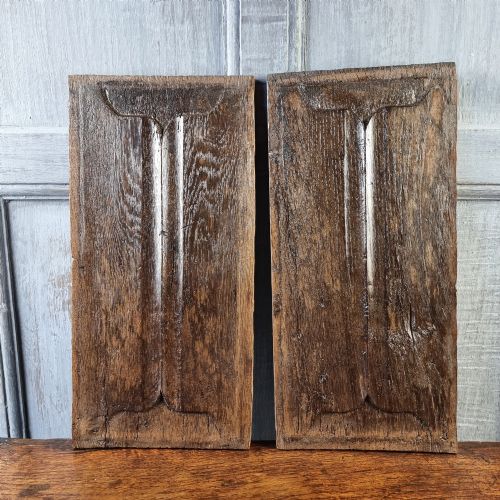
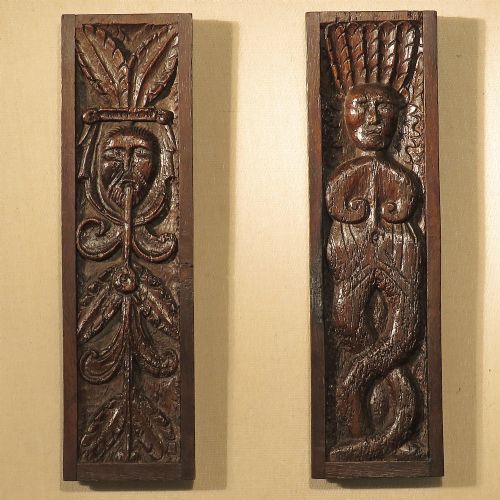
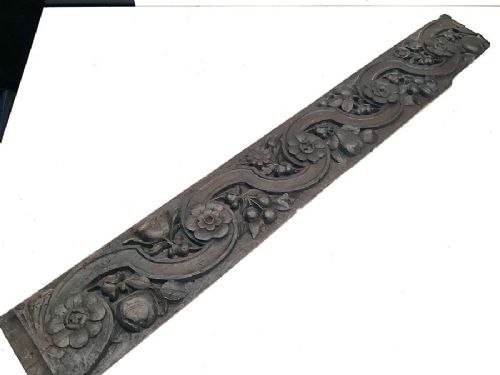
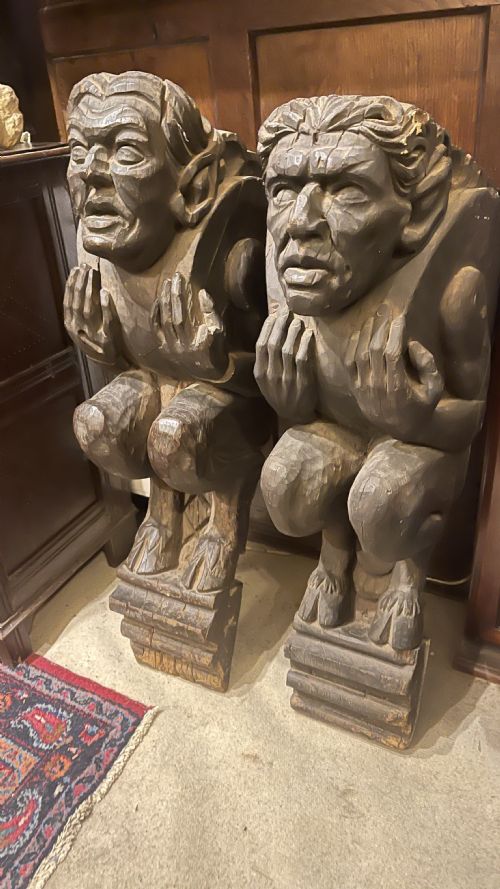
Tudor carved wood encompasses architectural fragments, wall panels, armchairs, and storage pieces originating primarily from the sixteenth century alongside later revival movements. Buyers exploring tudor carved wood encounter authentic early works featuring linenfold motifs and figurative reliefs, together with nineteenth- and twentieth-century interpretations.
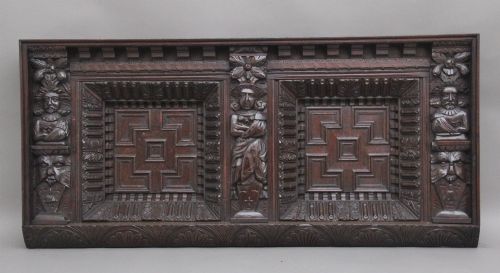
The material record spans centuries from pre-sixteenth elements up to nineteen-thirties revival furniture. Common forms include coffer fronts, joint stools, court cupboards, and overmantles constructed from solid timber.
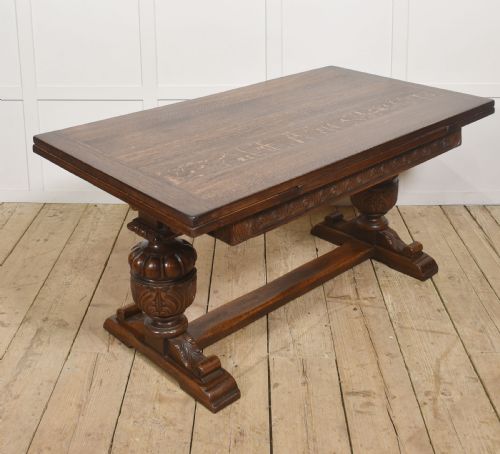
Original sixteenth-century panels and saints sit alongside revival sideboards and refectory tables. This mix reflects both surviving domestic fabric and later periods that valued sixteenth-century styling.
Assessing quality in carved timber
Quality separates genuine sixteenth-century hand-carved elements from later revival production through the crispness of the chisel work and the depth of the relief. Early panels and architectural fragments show distinct tool marks and patination earned through centuries of handling.
The integrity of the timber framing dictates structural success, particularly in larger forms like refectory tables, court cupboards, and wainscot armchairs. Pieces retaining their original surface finish and unaltered joinery command greater appreciation among collectors.
Tudor Carved Wood Retail Price Guide 2026
Typical asking prices for tudor carved wood among the pieces listed under this phrase on Sellingantiques today, from the lower quarter to the upper quarter. They describe what is for sale here now, not the wider market.
Listings span from pre-sixteenth century elements through to the nineteen-thirties, dominated by solid oak panels, furniture, and architectural salvage.
The Tudor Carved Wood Glossary
- Linenfold
- A style of wood carving representing vertical folds of fabric, commonly seen on sixteenth-century panels.
- Wainscot
- A heavy wooden armchair or panelling style typical of early English domestic interiors.
- Court cupboard
- An antique enclosed storage piece with tiers, used for displaying plate and storing household goods.
- Refectory table
- A long dining table traditionally utilised in communal halls and constructed from solid oak timber.
- Ceiling boss
- A decorative projecting block of carved wood placed at the intersection of ceiling ribs.
Tudor Carved Wood: Frequently Asked Questions
How do I date Tudor carved wood?
Dating relies on examining the joinery methods, tool marks, and wood patination visible across the piece. Early examples show hand-chamfered edges and pegged joints rather than modern fasteners.
Style provides another indicator, though revival periods closely copied sixteenth-century motifs like linenfold and Tudor roses. Comparing the timber shrinkage and surface wear helps distinguish period originals from nineteen-thirties reproductions.
Where were these carved panels placed?
Original panels and friezes formed part of interior wall panelling, overmantles, or furniture fronts within substantial homes. They decorated the principal rooms and private chambers of Tudor buildings.
Smaller fragments and architectural brackets often decorated structural timber frames or ecclesiastical interiors before entering the salvage market.
How do I care for antique oak furniture?
Keep solid oak pieces away from direct heat sources and sudden humidity changes to prevent the timber from splitting. Regular dusting with a dry cloth maintains the surface without stripping the natural wax.
Avoid modern liquid polishes that build up a residue on historic finishes. Feed the dry wood occasionally with a traditional beeswax polish to protect the grain.
What is a joint stool?
A joint stool is a sturdy wooden seat constructed using pegged mortise and tenon joints rather than turned legs glued together. These pieces served as versatile seating around Tudor dining tables.
Their heavy oak construction allowed them to double as small side tables or steps when needed in domestic spaces.