



Trophy Mount Taxidermy
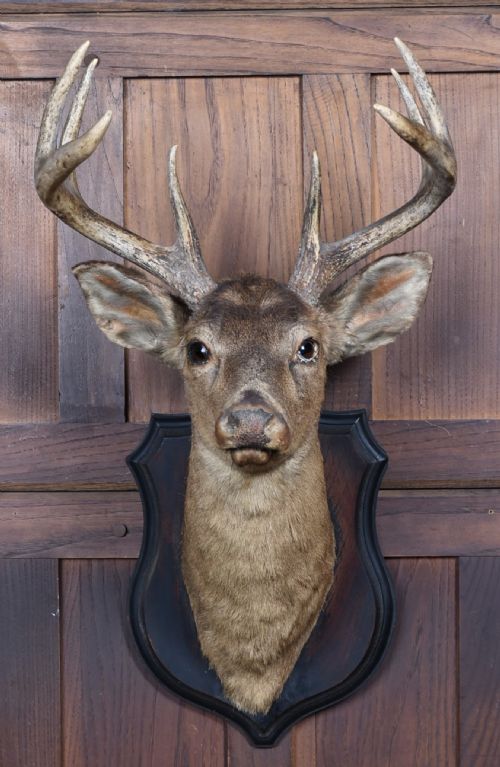
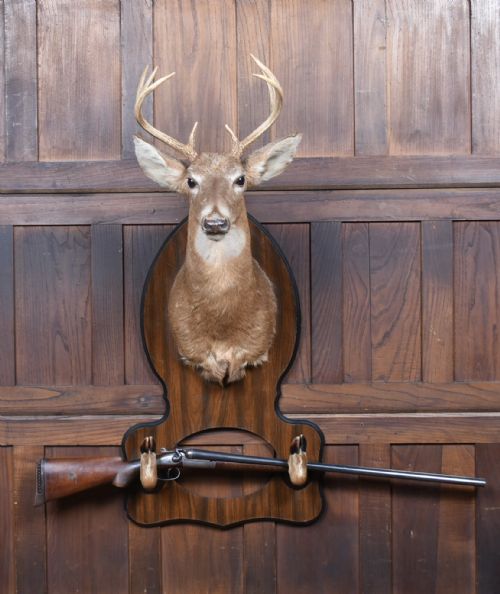
These trophy mount taxidermy pieces bring historical wildlife specimens and natural history subjects directly into interior spaces.
Trophy Mount Taxidermy
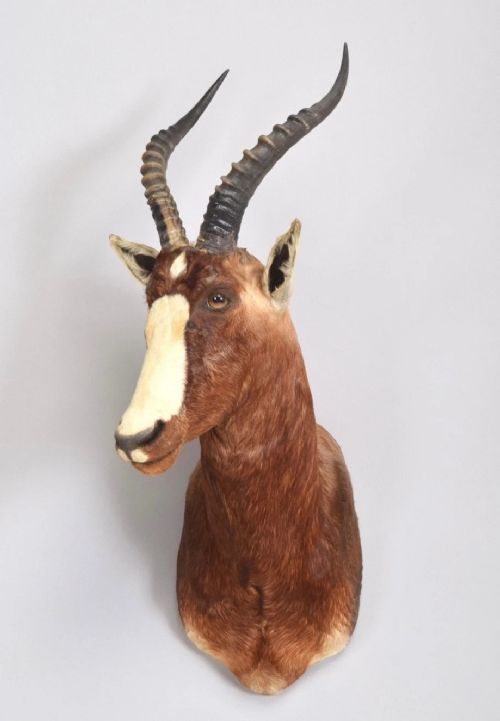
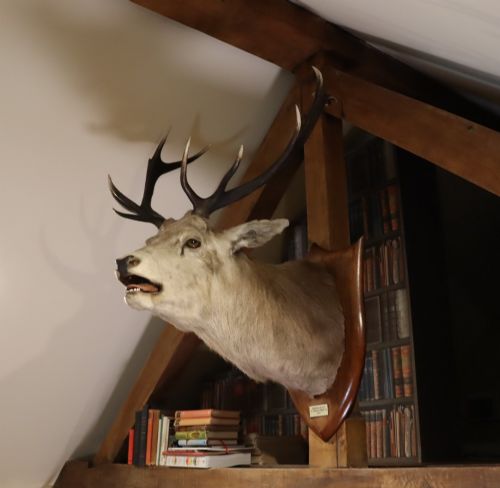
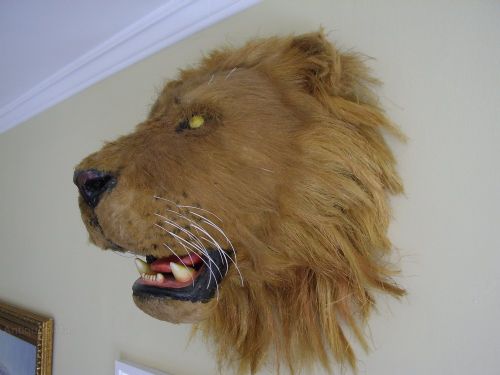
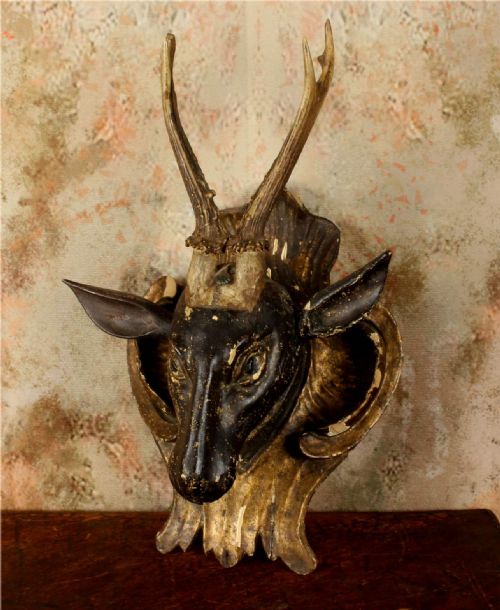
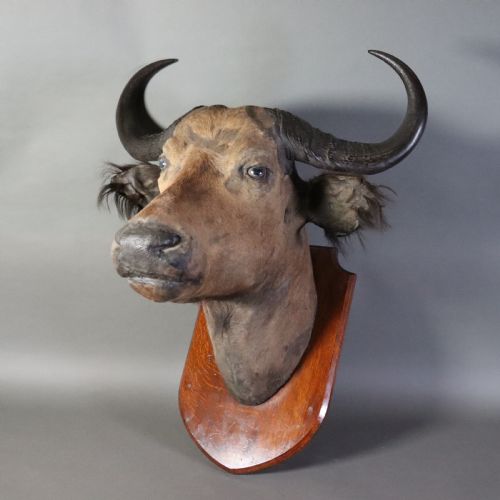
Trophy mount taxidermy encompasses historical animal heads, horns, antlers, and preserved specimens designed for wall display or interior placement. These objects emerge from periods spanning the nineteenth century through the early twentieth century, reflecting Victorian and Edwardian collecting habits. A buyer examining this selection will frequently encounter red deer stags, roe deer, and various antelope species mounted upon wooden shields.
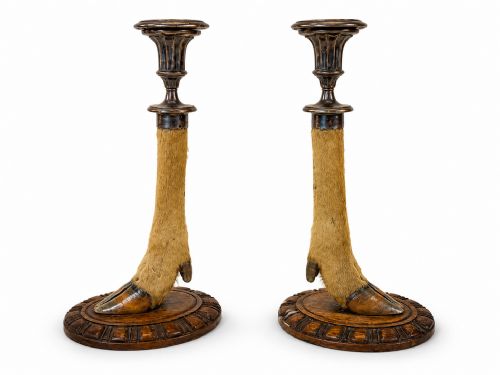
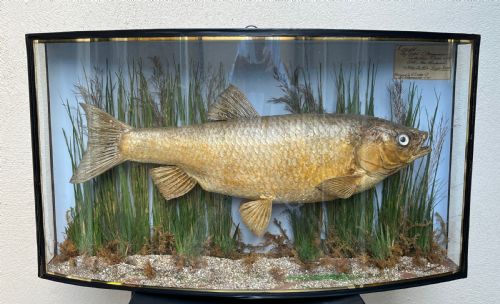
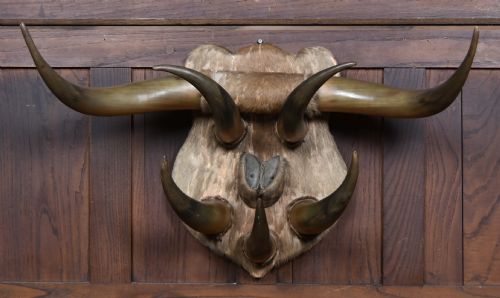
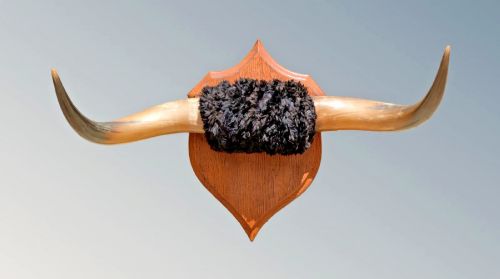
The regional origins of these specimens trace through British country houses, Scottish Highland lodges, and continental Black Forest workshops. Alongside mammalian heads, the category includes fish preserved within glass display cases, cattle horn arrangements, and utilitarian items incorporating animal hooves or feet. Each form demonstrates the historical practice of preserving hunting achievements and natural specimens for domestic decoration.
How they were made
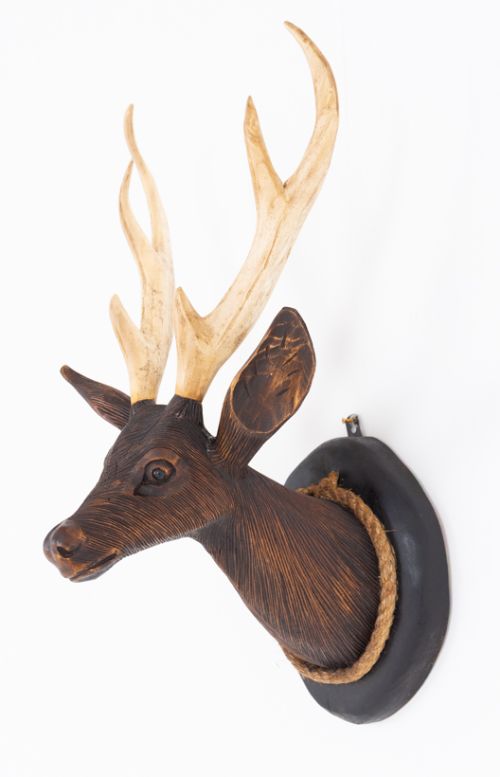
Taxidermists utilised preserved animal hides fitted over sculpted forms constructed from materials such as plaster, paper, or wire, mounted upon supportive wooden shields made of oak or pine. Antlers, horns, and bones were cleaned, treated, and secured to carved backing boards, frequently incorporating applied foliage or carved wooden detailing in the Black Forest style. Fish specimens required careful preservation within sealed glass cases alongside painted aquatic backgrounds.
Specialised workshops employed tanning agents and arsenic-based compounds to preserve hides and prevent degradation over decades of display. Metal fixings, including brackets and screws, secured heavy mammals like stags, buffalo, and antelopes safely to wooden mounts for wall hanging.
Trophy Mount Taxidermy Retail Price Guide 2026
Typical asking prices for trophy mount taxidermy among the pieces listed under this phrase on Sellingantiques today, from the lower quarter to the upper quarter. They describe what is for sale here now, not the wider market.
Object types include wall sculptures, taxidermy mounts, display cases, and functional items like deer hoof table lamps.
What varies in quality
The craftsmanship of the supporting woodwork heavily influences the overall standard, distinguishing simple timber planks from elaborately carved oak shields featuring foliate motifs. Furthermore, documented provenance linking a piece to established practitioners elevates the historical standing of the mounting.
Peter Spicer & Sons·Little & Co·Gerrard & Sons London·Edward Gerrard & Sons·Cooper and Sons
The Trophy Mount Taxidermy Glossary
- Taxidermy hide
- The preserved skin of an animal treated with chemical agents and mounted over an artificial form to simulate life. This material forms the exterior surface of mammalian heads and masks.
- Black Forest style
- A nineteenth-century carving tradition originating in Switzerland and Germany characterised by highly detailed, naturalistic wood foliage and animal carvings. Pieces in this style often feature intricately carved oak shields or deer heads.
- Shield
- A shaped wooden board, frequently made of oak, used as a secure backing plate for mounting animal heads, horns, or antlers onto walls. They often incorporate carved borders or hanging loops.
- Fox mask
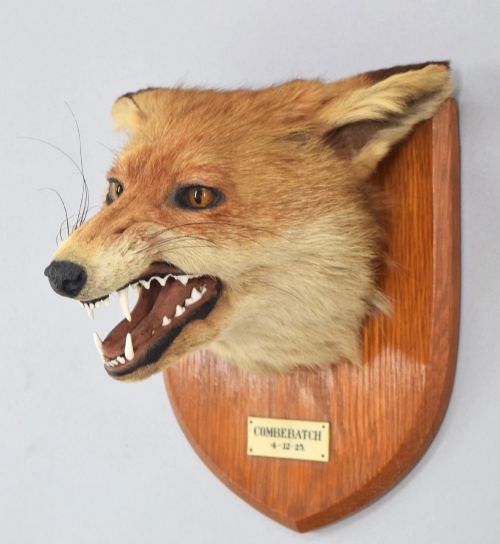
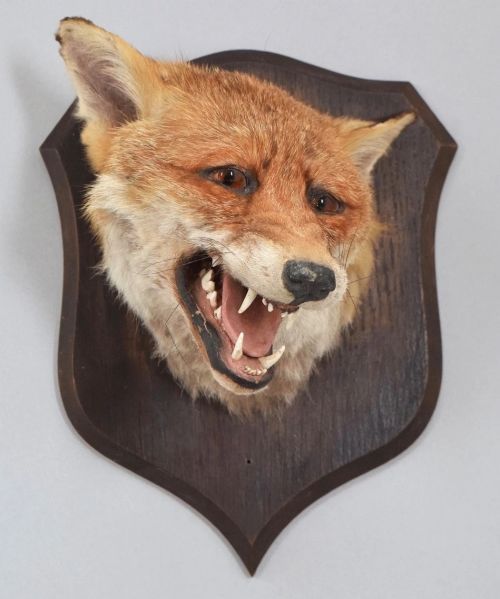
- The preserved head and facial skin of a fox, traditionally mounted on a small wooden shield as a hunting trophy. These items frequently record the date and location of the hunt.
- Antler
- A bony growth shed and regrown annually by members of the deer family, used here as a wall display element. Antlers are measured by point counts, such as a twelve-point royal set.
Trophy Mount Taxidermy: Frequently Asked Questions
How should I hang a heavy taxidermy head?
Wall mounting requires locating structural wall studs or using heavy-duty cavity fixings capable of supporting substantial weight. The wooden shield must be firmly secured using appropriate screws through the pre-existing mounting points.
Ensuring the bracket and wire specifications match the mass of the specific mammal head prevents accidental displacement from the wall.
What is the difference between an antler and a horn?
Antlers consist of solid bone grown and shed annually by members of the deer family, frequently featuring branching tines. Horns are permanent, hollow sheaths composed of keratin grown over a bony core found on animals such as antelopes, cattle, and sheep.
Recognising this distinction helps identify whether a mounted trophy originates from a cervid or a bovid species.
How do I care for historical taxidermy hide?
Maintaining these specimens requires keeping them away from direct sunlight, high humidity, and temperature fluctuations that dry out historical materials. Gentle dusting with a soft brush helps remove surface particles without damaging delicate hairs.
Avoiding liquid cleaners preserves the historical preservation compounds utilised during the initial mounting process.
What does a royal set of antlers mean?
A royal set refers to red deer antlers possessing twelve distinct points along the beams. This terminology derives from traditional hunting classification systems used in Scotland and England.
Such specifications denote mature specimens highly sought after by historical collectors and country house decorators.