



Trinket Box Set
These a trinket box set brings together matching or graduated small containers in silver, enamel, and wood for the dressing table or desk.
Trinket Box Set
A trinket box set gathers matched small containers, jars, or trays intended for the dressing table, desk, or cabinet. When you search for a trinket box set, you encounter groupings that range from Victorian silver dressing table accessories to Art Deco ceramic vanity collections and stacked Kashmiri painted boxes.
The pieces within these collections often serve specific functions, such as holding pins, pills, or cosmetics, while sharing a unified material, maker, or decorative theme. Materials span sterling silver, brass, porcelain, lacquer, and wood across periods from the Georgian era through to the mid-twentieth century.
How they were made
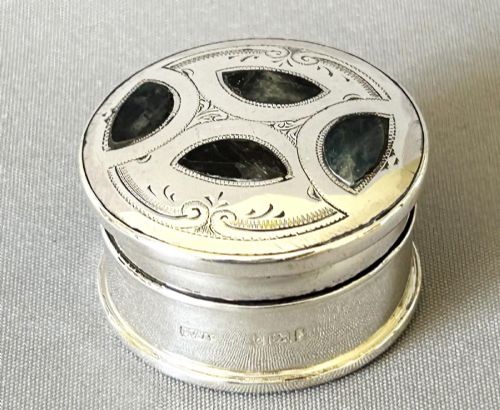
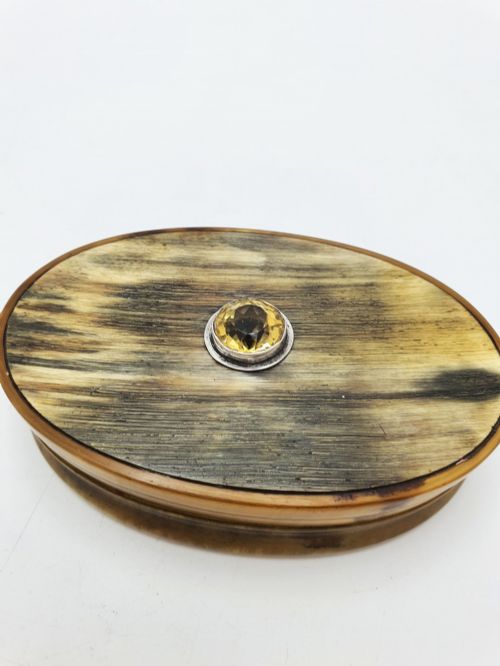
Many sets combine metalwork with decorative inlays, utilising sterling silver, brass, or gilt frames fitted with enamel, porcelain plaques, or faceted gemstones like citrine and agate. Silver pieces frequently display hallmarks indicating specific assay offices and dates, while wooden examples employ fruitwood, mahogany, or specialised techniques like Tunbridge Ware whitewood stacking.
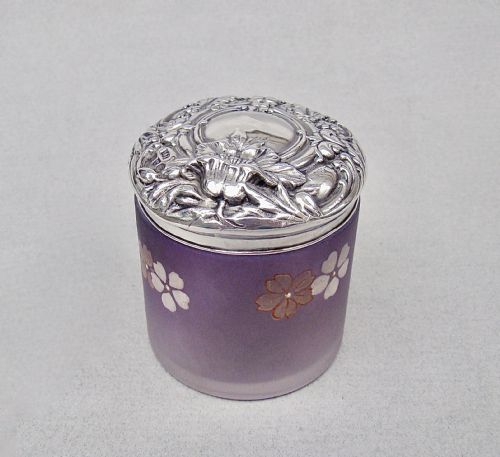
Lacquered and painted surfaces involve layered finishes, particularly visible in Chinese export silver and enamel items or traditional Indian Kashmiri stacking containers. Ceramic and glass elements are moulded, glazed, or frosted, often paired with matching metal lids or mounts.
Trinket Box Set Retail Price Guide 2026
Typical asking prices for trinket box set among the pieces listed under this phrase on Sellingantiques today, from the lower quarter to the upper quarter. They describe what is for sale here now, not the wider market.
Card players kept their stakes secure in specialised Italian silver and black lacquer poker game boxes.
What varies in quality
The standard of a set rests upon the integrity of its components remaining together as originally conceived, alongside the fineness of the materials employed. Sterling silver mounts with crisp hallmarks and intact enamel or hand-painted porcelain sections command greater regard than unmarked base metals.
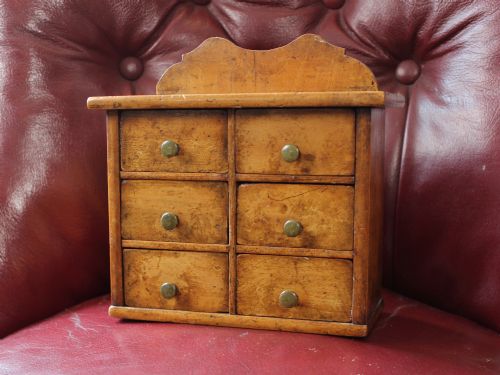
Execution of detail defines the superior examples, such as tightly fitted wooden drawers, precise joinery in multi-piece desk sets, and the preservation of delicate surface decoration across every individual container within the grouping.
Jonathan Douglas·Robb Ballater
The Trinket Box Set Glossary
- Hallmark
- Official stamps applied to precious metals indicating the standard of purity, the assay office, and the date of manufacture. These markings provide reliable dating for silver items.
- Enamel
- A glassy substance fused to the surface of metal through firing, used for decorative colour. It appears on various boxes and bowls from the Edwardian period onwards.
- Tunbridge Ware
- A form of decorative woodwork characterised by tiny mosaic tiles assembled from different coloured woods to form pictorial or geometric designs. It is particularly associated with stacking pots.
- Dressing table set
- A coordinated group of accessories for the vanity, which can include jars, brushes, trays, and smaller boxes. They are often matched in metal or ceramic materials.
Trinket Box Set: Frequently Asked Questions
What is a trinket box set used for?
These sets hold small personal items such as rings, pins, pills, or cufflinks upon a dressing table or desk. The inclusion of multiple matching pieces allows for the organised separation of different items.
Historically, they formed part of a gentleman's or lady's daily grooming and correspondence routine. Today, they serve both a decorative and practical function in storing small treasures.
How do I date a silver trinket set?
Dating relies heavily upon the metal hallmarks stamped into the silver components, which indicate the specific year and assay office. Stylistic indicators, such as the geometric lines of Art Deco or the flowing motifs of Art Nouveau, also point toward specific decades.
The presence of maker marks further helps narrow down the period of production when compared against historical records.
Are all pieces in a set original to each other?
Many sets survive intact from their period of manufacture, sharing identical materials, makers, and decorative motifs. Some groupings represent assembled collections of complementary items brought together over time.
Examining the wear patterns, material consistency, and stylistic harmony helps determine whether the pieces share a common origin.
What materials are common in antique sets?
Sterling silver and brass provide durable frames for many dressing table and desk sets, often complemented by enamel or porcelain inserts. Wood variants utilise mahogany, fruitwood, and specialised mosaic techniques.
Other examples incorporate glass, horn, and lacquer, reflecting the diverse manufacturing centres of Europe and Asia.