



Traditional Wooden Fiddle
These traditional wooden fiddle pieces combine centuries of timber craftsmanship with practical form, offering genuine character for your home.
Traditional Wooden Fiddle
When you search for traditional wooden fiddle, you encounter a varied selection of items ranging from musical instruments and their cases to seating with distinct regional backs and maritime hardware. The listings on this page span the eighteenth century, the nineteenth century, and nineteen sixty, showing how different makers shaped timber for music, seating, and shipping.
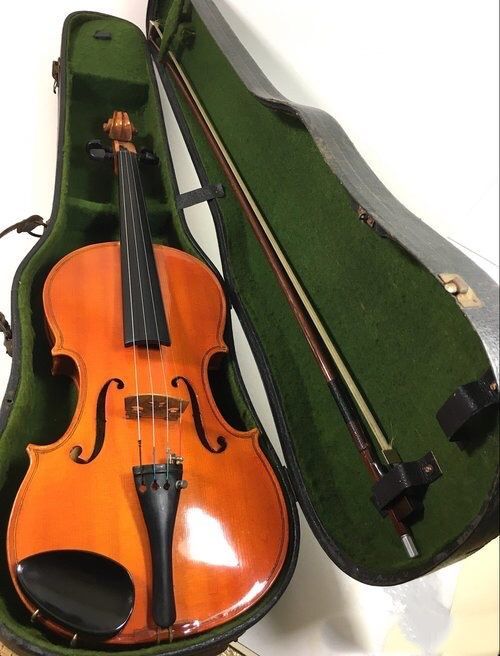
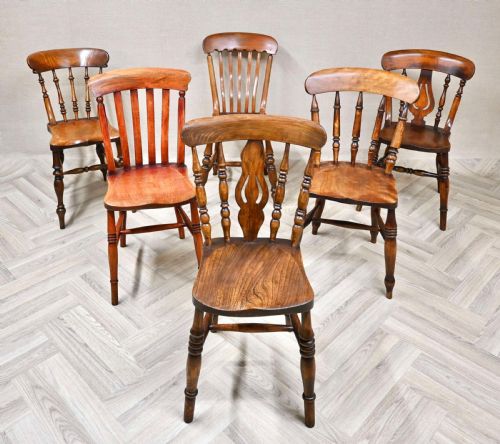
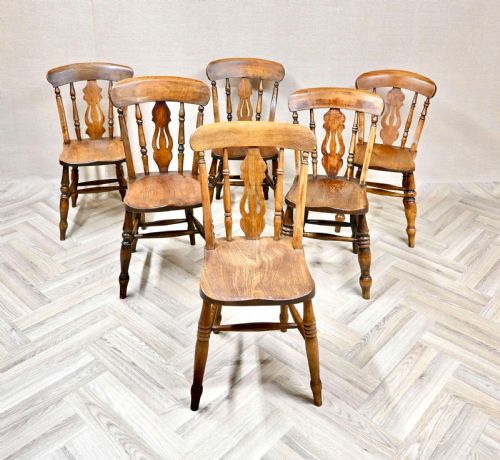
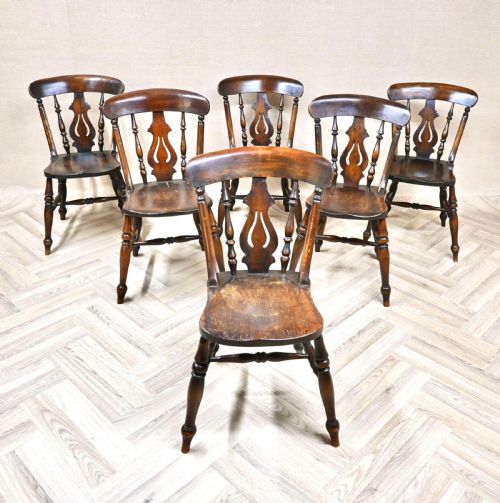
Musical instruments form a central part of this search, including three-quarter size violins complete with cases and bows, alongside Victorian examples with alligator skin cases. Alongside these instruments, you find specific chair forms such as the Georgian low fiddle back Windsor chair and kitchen chairs featuring double stretchers.
Domestic seating heavily represents the category, with sets of farmhouse country kitchen Windsor chairs appearing frequently in nineteenth-century styles. Additionally, the evidence records specialised nautical items such as an eighteenth-century ship's oak pulley fiddle block, demonstrating the diverse applications of the term.
How they were made
Wood selection defines these pieces, with makers utilising elm, beech, spruce, maple, oak, ash, and ebony depending on whether they were building a musical instrument, a kitchen chair, or a ship's block. Spruce and maple provided the necessary acoustic properties for violins, while tougher hardwoods like elm, beech, and ash supported the structural demands of farmhouse Windsor chairs.
Construction techniques varied by function, joining curved timbers for chair backs and hollow bodies for musical instruments with precision. Interior fittings incorporated velvet linings in cases, while structural joints utilised traditional stretchers and turned components to ensure daily utility.
One violin survives inside a genuine alligator skin case, proving that nineteenth-century musicians travelled with serious protection.
What varies in quality
Quality in these pieces rests upon the precision of timber selection and the integrity of the original construction. Instruments attributed to the Cremonese school tradition or labeled after makers like Nicolaus Amatus show an ambition toward acoustic refinement distinct from utilitarian kitchen seating.
The degree of preservation in structural elements, such as double stretchers on kitchen chairs or the intact condition of violin bows and cases, distinguishes finer survivals. Harmony between the timber choice and the intended function dictates the overall standard of each piece.
The Traditional Wooden Fiddle Glossary
- Fiddle back
- A chair back featuring a splat shaped somewhat like a violin. This design became popular in vernacular seating during the eighteenth and nineteenth centuries.
- Windsor chair
- A chair built with a solid wooden seat into which the legs and back spindles are directement inserted. They often appear in farmhouse and country settings.
- Double stretcher
- An underframe configuration connecting chair legs for added stability using two parallel or paired rungs. This feature reinforces vernacular kitchen seating.
- Cremonese school
- A historical tradition of violin making originating in Italy. Instruments associated with this style reflect classical European luthier methods.
- Pulley block
- A nautical device containing one or more sheaves for hoisting rigging. Ship's examples utilised durable hardwoods like oak.
Traditional Wooden Fiddle: Frequently Asked Questions
What is a traditional wooden fiddle chair?
A traditional wooden fiddle chair is typically a Windsor-style seat featuring a splat shaped like a violin, common in nineteenth-century and Georgian domestic settings.
These chairs combined local hardwoods like elm and beech to provide sturdy seating for farmhouses and kitchens.
How do I date a wooden fiddle item?
Dating relies on construction methods, timber choice, and stylistic cues found within periods like the Georgian era, the nineteenth century, or nineteen sixty.
Examining joinery and labeling inside violin cases or beneath chair seats helps establish the historical context.
What woods were used for these instruments?
Makers utilised spruce and maple for violins to achieve proper resonance and tone, paired with ebony for fingerboards.
Cases often added protective linings like velvet to safeguard the instrument during storage and transport.
Are ship fiddle blocks the same thing?
Ship fiddle blocks are nautical items sharing the name due to their curved, figure-eight profile resembling a violin body.
These eighteenth-century oak blocks served a functional role in rigging rather than music or domestic seating.