

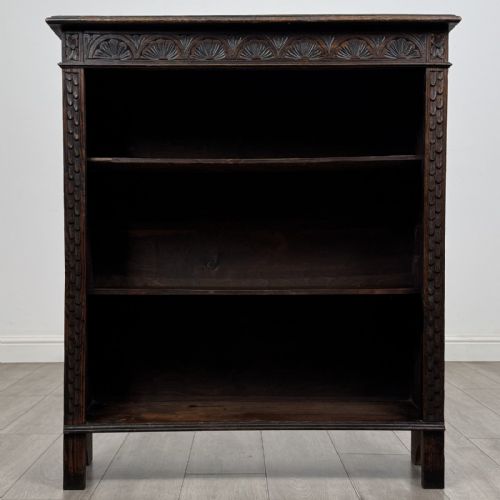
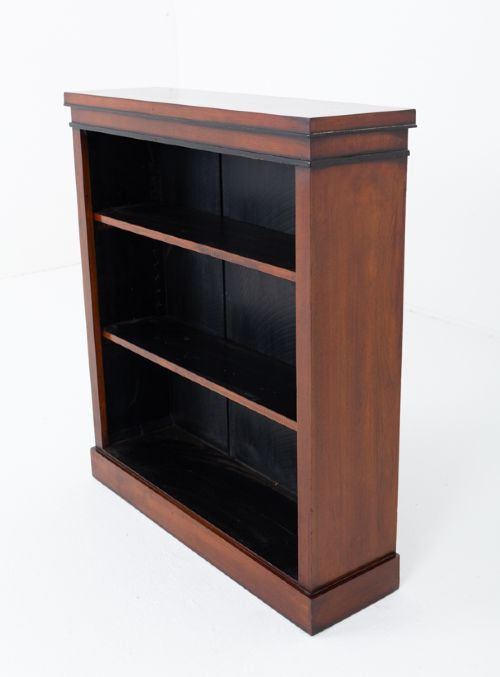
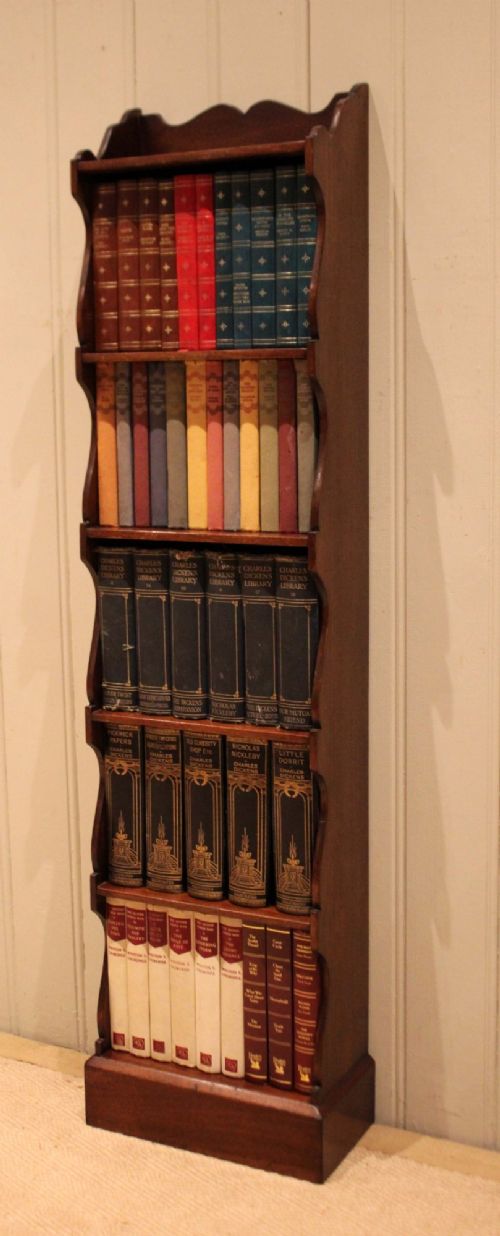
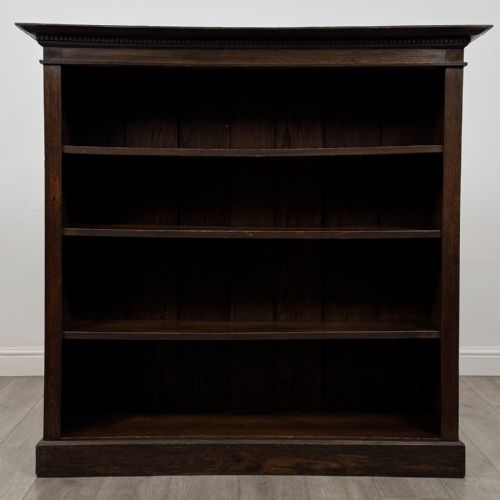
Traditional Wood Shelves
Traditional wood shelves bring straightforward utility and warmth to a room, offering open storage built from timbers like oak and mahogany.
Traditional Wood Shelves
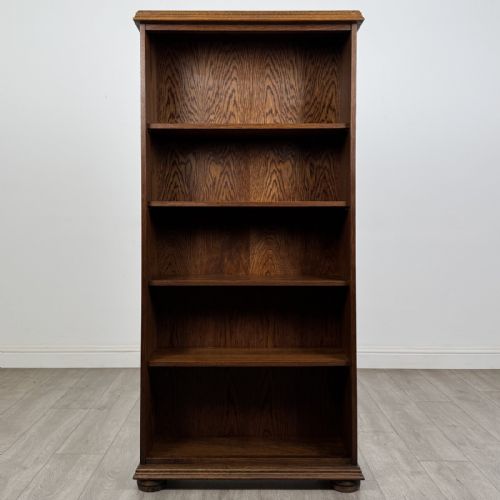
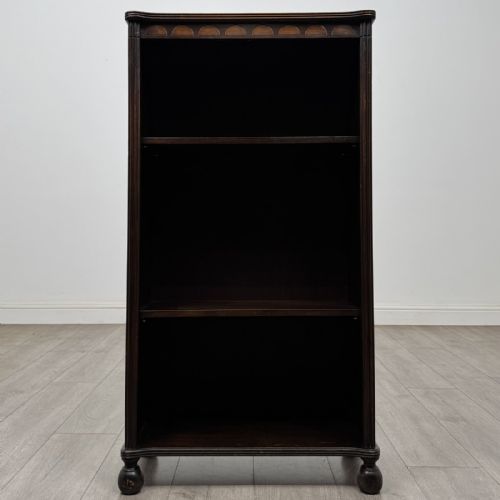
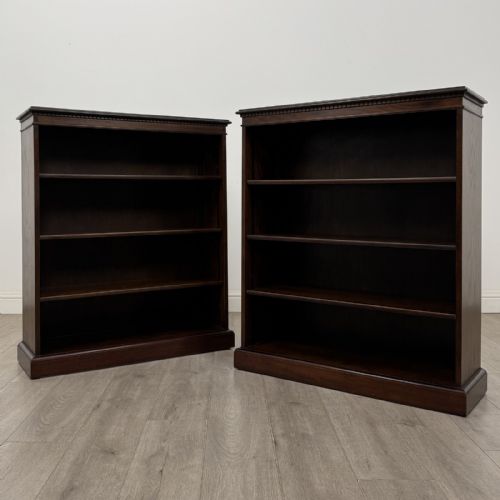
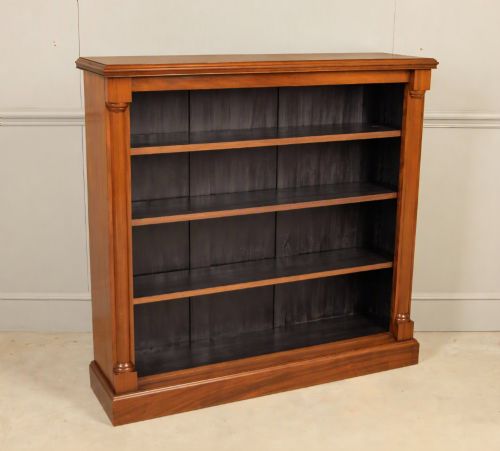
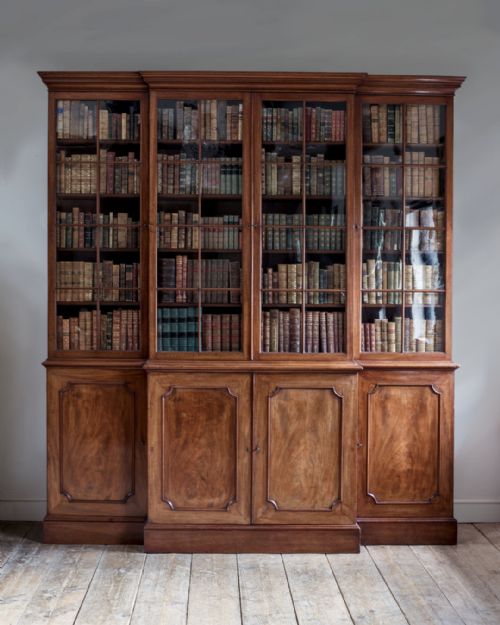
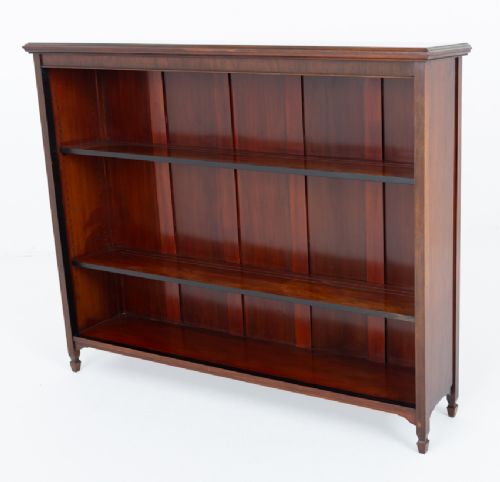
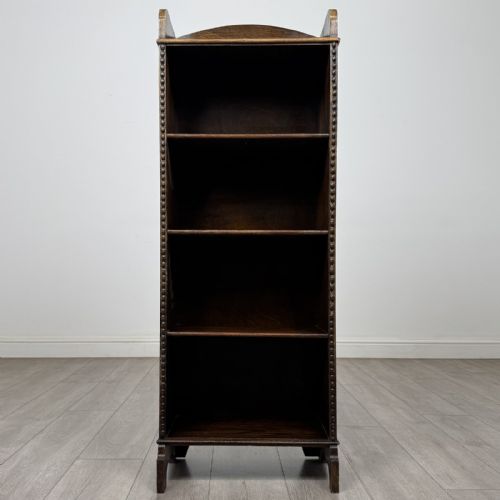
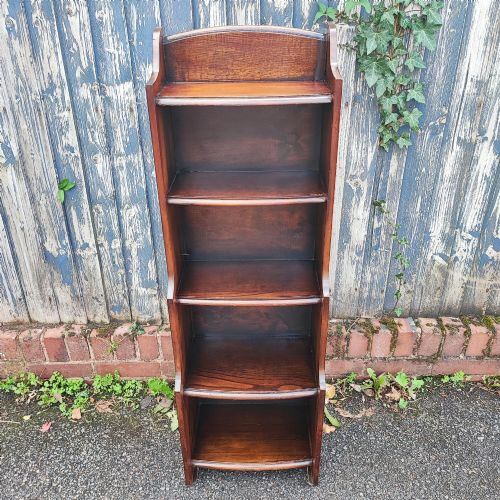
Traditional wood shelves encompass open bookcases, wall shelves, and dressers constructed from timbers such as oak, mahogany, walnut, and pine. These pieces span the Georgian, Victorian, Edwardian, and early twentieth-century periods, reflecting domestic storage needs across generations.
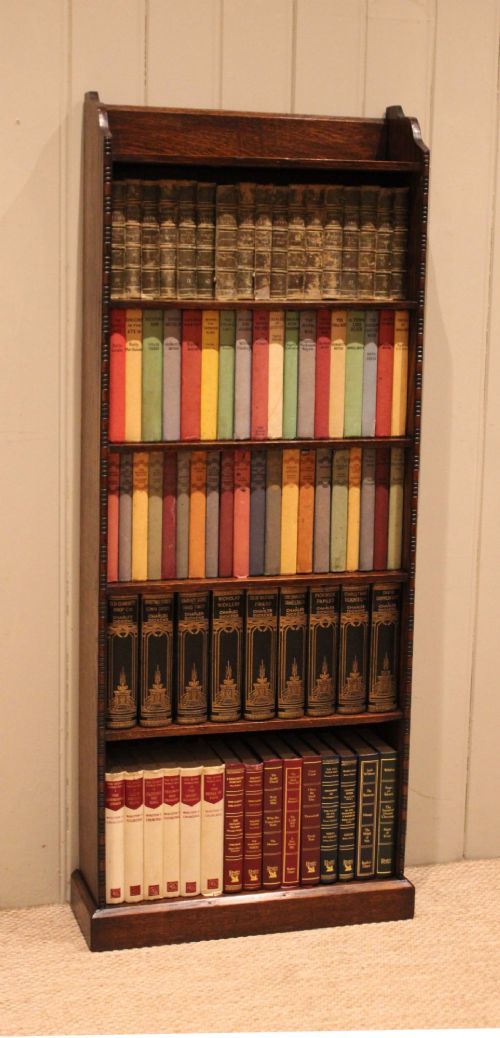
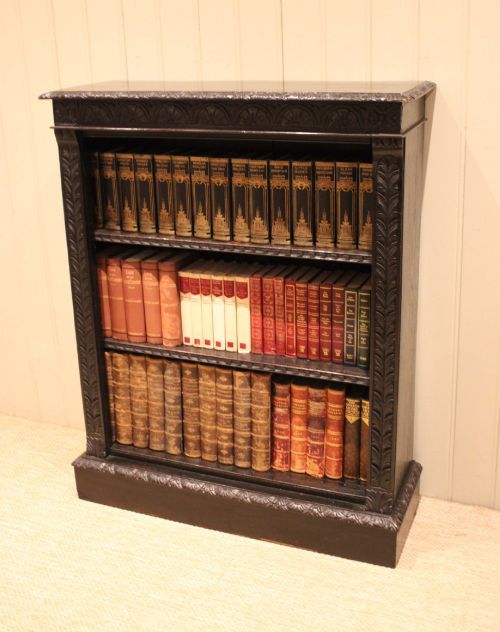
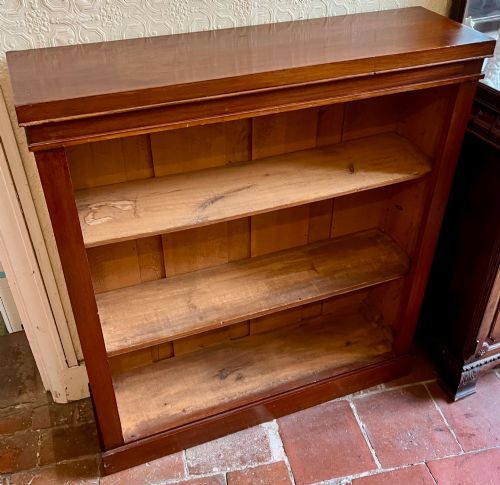
The most common formats on this page are open bookcases and wall-mounted shelving units, often featuring straightforward uprights and fixed or adjustable tiers. They appear in styles ranging from Georgian breakfront proportions to simpler English country designs.
Originating primarily from domestic and library settings, these items serve to display books and decorative objects while maintaining an accessible, open structure. Their forms prioritize practical storage alongside the natural grain of the wood.
What varies in quality
Quality rests upon the selection of timber and the precision of the joinery, distinguishing sturdily framed pieces from simpler utilitarian builds. Dense mahogany and quarter-sawn oak provide greater durability and finer grain than softer utility woods.
The refinement of decorative elements, such as beaded edges, inlaid stringing, and well-fitted adjustable shelf mechanisms, separates standard workshop production from finer cabinet work. Proportion and balance in the overarching design further define the tier of craftsmanship.
Traditional Wood Shelves Retail Price Guide 2026
Typical asking prices for traditional wood shelves among the pieces listed under this phrase on Sellingantiques today, from the lower quarter to the upper quarter. They describe what is for sale here now, not the wider market.
Listings feature pieces from the Georgian, Victorian, and Edwardian periods, constructed in mahogany, oak, walnut, and pine.
Waring and Gillows·Brockbanks and Atkins·German H.A.C.
The Traditional Wood Shelves Glossary
- Breakfront
- A piece of furniture where the central section projects forward from the flanking wings. This configuration creates architectural depth in larger bookcases.
- Quarter-sawn
- A method of milling logs that produces a stable board with prominent growth rings. This cut enhances the decorative figuring in oak.
- Gallery
- A raised wooden border running along the top edge of a shelf or piece of furniture. It prevents items from sliding off the surface.
Traditional Wood Shelves: Frequently Asked Questions
What are traditional wood shelves?
Traditional wood shelves are open storage units built from timbers like oak, mahogany, and pine during periods spanning the Georgian era to the early twentieth century. They provide accessible display space for books and household items.
These pieces range from tall library bookcases to narrow wall-mounted shelves, reflecting the domestic carpentry styles of their respective decades.
How do I date a wooden bookcase?
Dating relies on observing construction methods, timber choices, and stylistic details such as cornices, brackets, and feet. Georgian and Victorian pieces often show denser hardwoods and hand-cut joinery.
Later Edwardian and early twentieth-century examples may incorporate simpler framing or factory-produced adjustable shelf brackets while retaining traditional wood finishes.
Where should I place wall shelves?
Wall shelves suit living rooms, studies, and kitchens where open access to books or display items is desired. They mount securely to walls to support the weight of timber and loaded shelves.
Ensure the wall material can bear the combined weight of the wooden structure and its contents before installation.
How do I care for antique wood?
Care involves maintaining stable indoor humidity and avoiding direct sunlight to prevent the timber from drying out or warping. Dusting with a dry, soft cloth preserves the polished surface.
Occasional application of traditional wax helps nourish the wood and maintain its natural lustre over time.