
Traditional Wood Furniture
Traditional wood furniture spans centuries of timber working, offering solid oak, mahogany, and yew pieces built for daily use.
Traditional Wood Furniture
Traditional wood furniture covers centuries of domestic pieces built from solid timbers such as oak, mahogany, pine, and yew. Buyers seeking traditional wood furniture will encounter utilitarian storage, seating, and dining items originating from the Georgian, Victorian, and Edwardian eras.
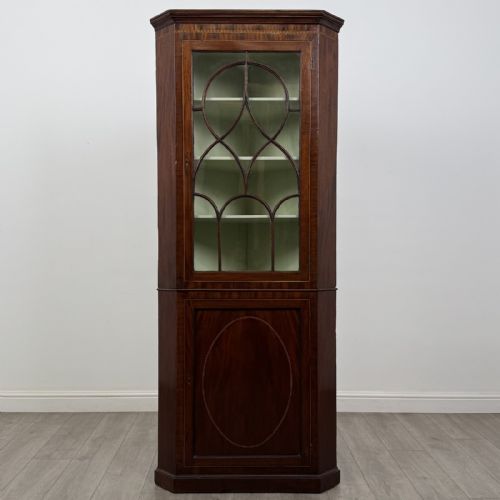
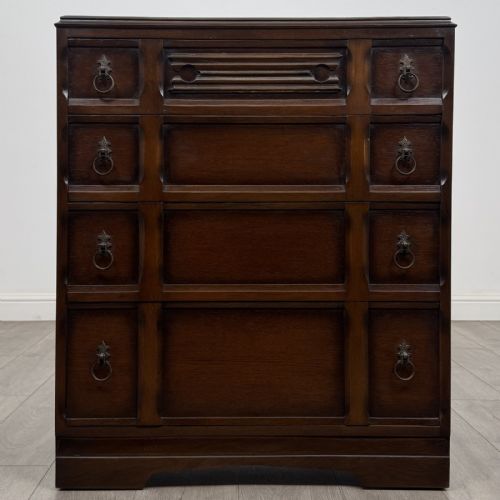
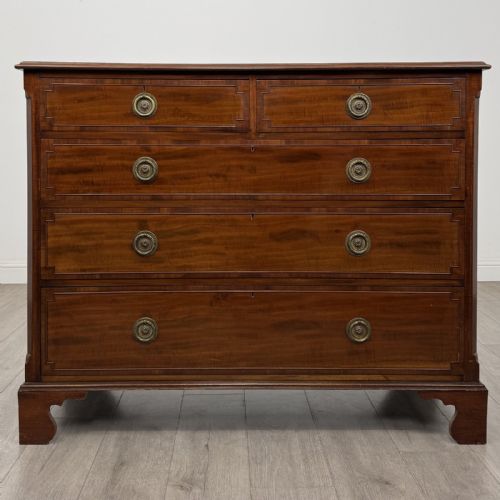
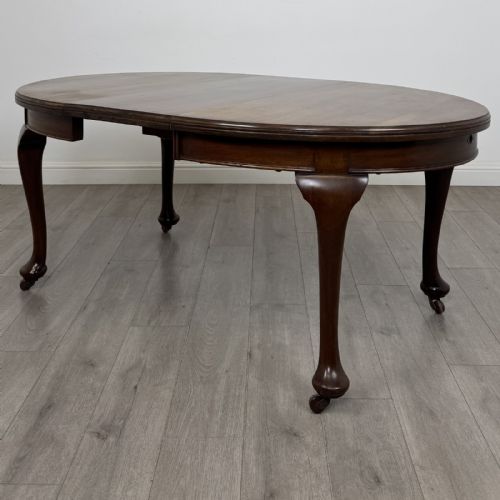
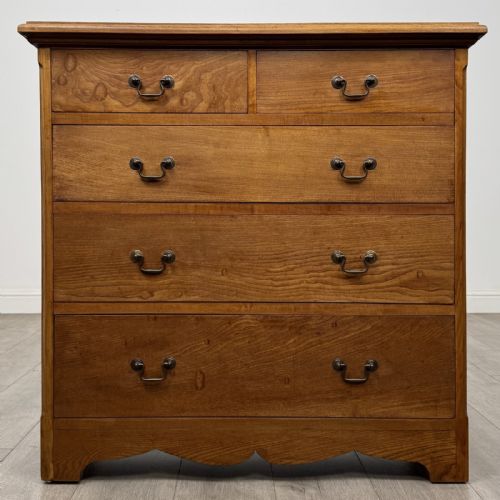
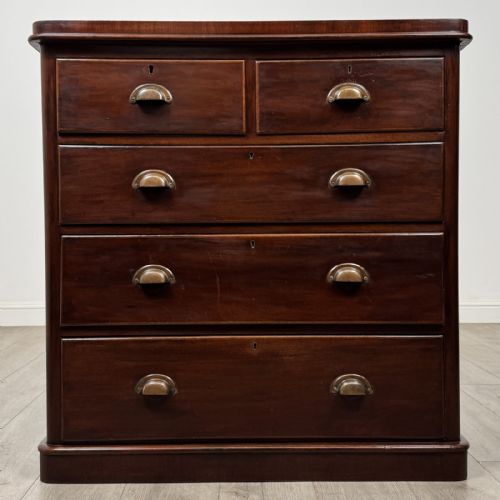
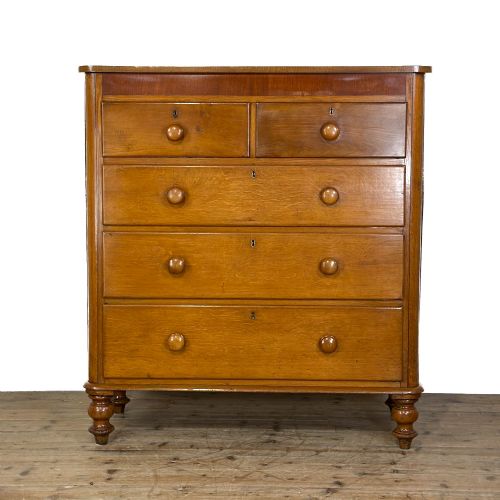
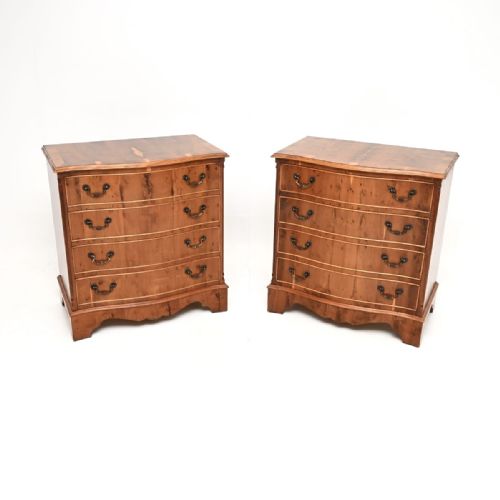
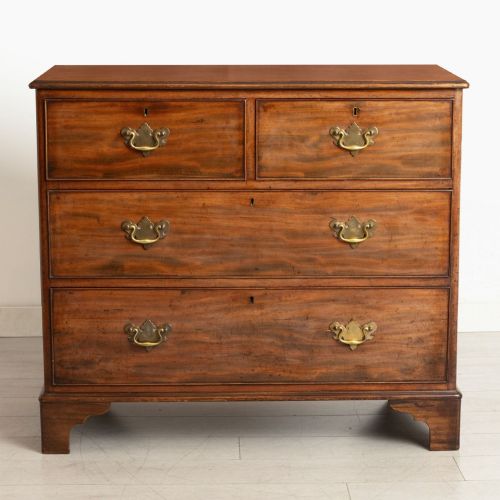
The selection on this page relies heavily on storage items, particularly chests of drawers arranged in various drawer configurations alongside tables, desks, and seating. Pieces span formal urban forms to rustic country designs.
Origins range from English workshops to French and Chinese production, utilising native and imported hardwoods shaped by regional cabinet makers.
How traditional wood furniture was made
Construction relies upon native and imported timbers, primarily mahogany, oak, pine, and yew, often supplemented by brass handles, cup fittings, and inlay work. Cabinet makers joined planks using traditional joinery methods suited to the specific weight and grain of each timber.
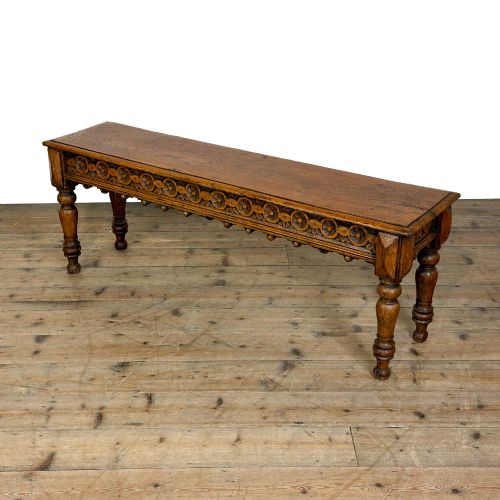
Turned legs, carved pillars, and raised galleries appear across desks, tables, and chests, demonstrating the mechanical proficiency of period workshops. Timber selection dictated whether a piece received a polished mahogany finish or a rustic, painted surface.
Listings feature woods including oak, mahogany, pine, yew, elm, rosewood, walnut, and ash alongside brass hardware.
What varies in quality
Quality rests in timber selection and the integrity of the construction, distinguishing standard utilitarian pieces from workshop items built with finer hardwoods and deliberate decorative carving. Dense timbers like Cuban mahogany or figured yew wood indicate higher workshop standards.
Proportion and execution separate utilitarian items from bespoke commissions, where secondary woods and secondary linings reveal the honesty of the construction. Hardware choices, such as fitted brass handles or campaign mounts, further signal the tier of the piece.
Gabbitass of Worksop·Hille
The Traditional Wood Furniture Glossary
- Chest of drawers
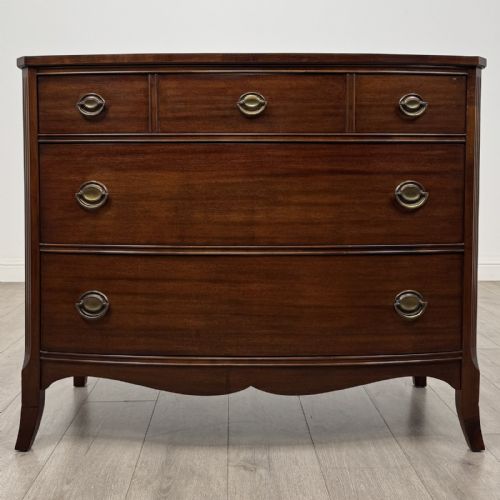
- A primary storage item containing multiple horizontal drawers stacked vertically. These units vary in drawer count and handle style.
- Windsor chair
- A wooden seating form featuring a solid saddle seat into which legs and spindles are wedged directly. These often combine yew and elm.
- Pedestal desk
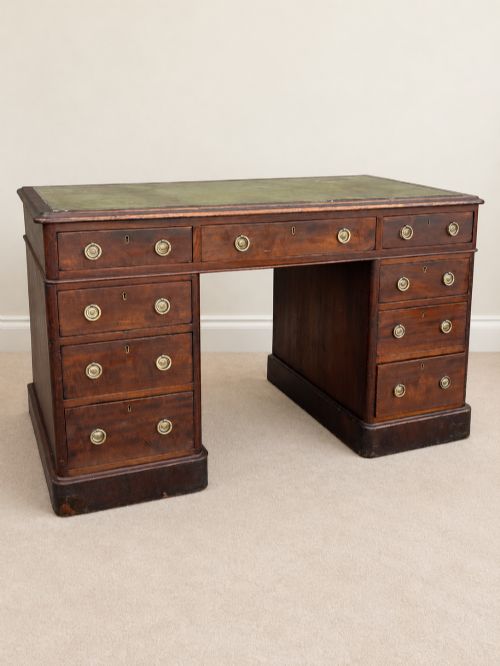
- A flat-topped writing table supported by two separate stacks of drawers forming the piers. They frequently incorporate carved pillars or leather inserts.
- Breakfront
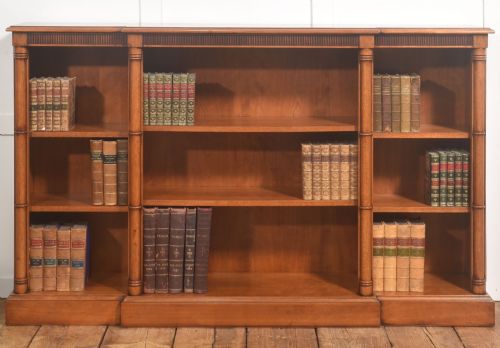
- A cabinet or bookcase whose central section projects forward from the flanking wings. This architectural arrangement creates depth in large furniture.
- Scabello
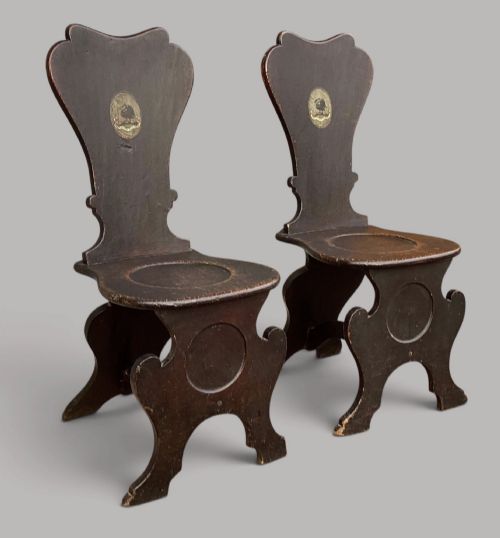
- A type of Renaissance-style hall chair featuring flat side supports instead of standard legs. They often display painted armorial crests.
Traditional Wood Furniture: Frequently Asked Questions
How do I date traditional wood furniture?
Dating relies upon timber choices, construction techniques, and stylistic markers recorded in the piece. Georgian items often display distinct proportions, while Victorian pieces utilise denser mahoganies and machine-assisted joinery.
Secondary woods inside drawers and the style of brass handles provide further clues to the exact period of manufacture.
What is the difference between oak and mahogany furniture?
Oak is a heavy, durable native timber utilised heavily in early rustic and revival pieces. Mahogany is an imported hardwood prized for its rich grain and suitability for formal dining tables and desks.
Both timbers respond differently to polish and wear over centuries of domestic use.
How should I care for antique wood surfaces?
Maintenance requires avoiding direct sunlight and extreme humidity fluctuations that cause timber to split or warp. Regular dusting with a dry cloth protects the polished finish without building up heavy wax layers.
Conditioning oils should be applied sparingly to maintain the natural moisture of older timbers.
Where were these pieces originally used?
These items served functional roles in period parlours, libraries, kitchens, and hallways. Dining tables and Windsor chairs populated domestic eating spaces, while pedestal desks anchored administrative rooms.
Chests of drawers provided bedroom and landing storage across townhouses and country estates.