



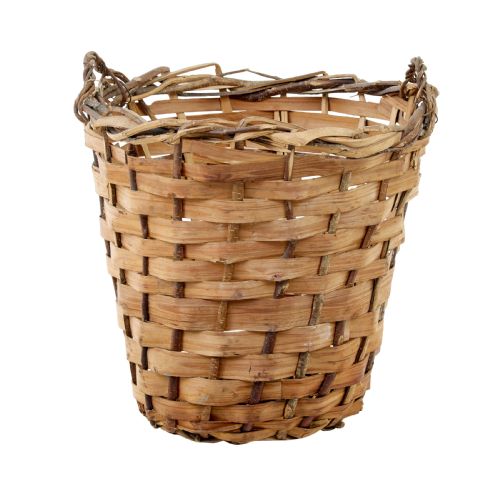


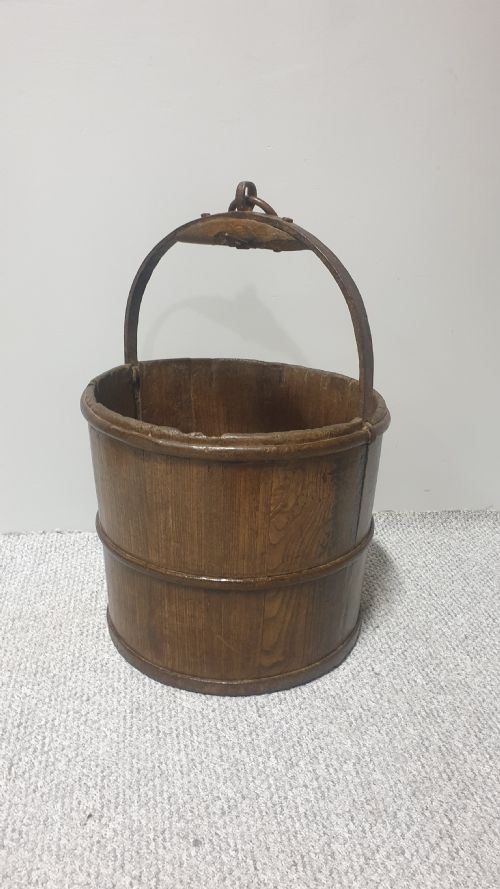
Traditional Wood Basket
A traditional wood basket brings practical utility and warmth to a fireside, offering durable storage for logs and kindling crafted from honest timber.
Traditional Wood Basket
When you search for a traditional wood basket, you encounter a variety of functional containers spanning the eighteenth, nineteenth, and early twentieth centuries. These pieces encompass rustic pine and elm carriers, woven Scandinavian designs, and sturdy oak or mahogany bins originally utilised for fireside storage.
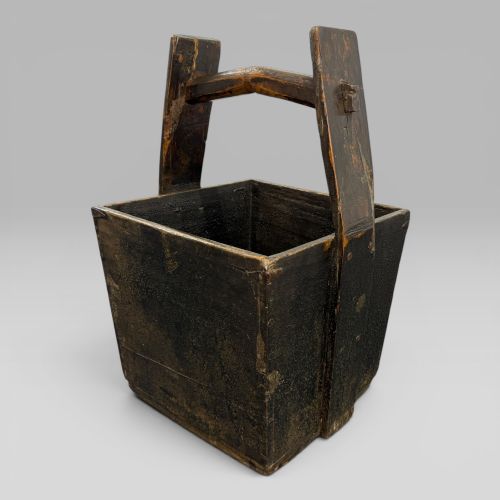
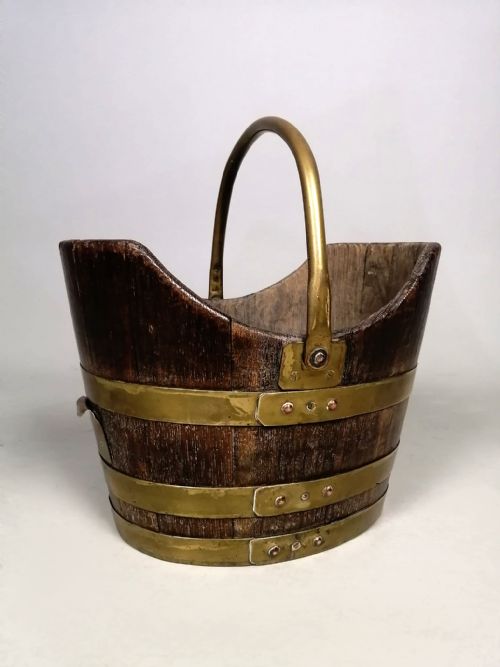
The selection on this page ranges from large nineteenth-century Swedish woven pine baskets and French grape bins to Georgian brass-banded coal buckets and oak waste bins. Form follows function closely in these objects, resulting in shapes designed specifically for hauling timber, carrying harvest, or storing household fuel.
Assessing quality in antique storage vessels
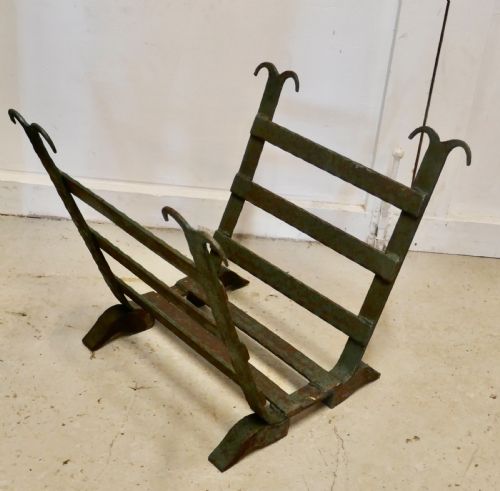
Quality rests upon the integrity of the construction, the weight of the timber, and the condition of original metal hardware such as brass banding or forged iron handles. Pieces retaining their structural stability through decades of heavy utility demonstrate superior initial craftsmanship.
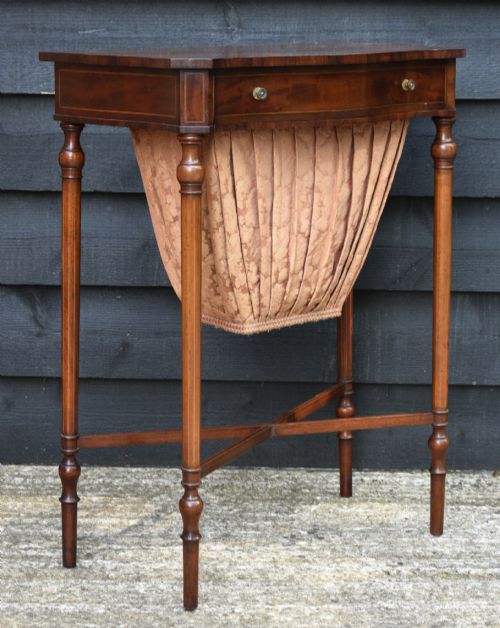
The refinement of the surface grain and the subtlety of joinery separate utilitarian farm baskets from refined domestic furnishings like mahogany canterburys or inlaid sewing tables. Original patina developed through age and use enhances the visual appeal of these utilitarian objects.
Listings feature eighteenth and nineteenth-century forms including pine log baskets, elm harvest baskets, and mahogany canterburys.
The Traditional Wood Basket Glossary
- Trug
- A shallow horticultural container traditionally made from strips of wood. Hand-woven examples serve as durable carriers for garden produce and kindling.
- Canterbury
- A low wooden stand fitted with partitions, designed originally for holding sheet music. Nineteenth-century examples often incorporate drawers and carrying handles.
- Serpentine
- A curved line or shape featuring a convex centre flanked by concave sides. This undulating profile appears on finer decorative tables and storage pieces.
- Splint
- A thin strip of wood soaked and interwoven to form flexible basketry walls. These strips provide the structural lattice for traditional woven carriers.
Traditional Wood Basket: Frequently Asked Questions
How do I maintain an antique log basket?
Keep wooden baskets away from direct heat sources and excessive moisture to prevent the timber from warping or splitting. Occasional application of a suitable natural wax helps nourish dry antique surfaces.
Line the interior with a durable canvas bag if you intend to carry rough logs daily, minimising direct abrasion against the old wooden base and sides.
Were these baskets originally used for firewood?
Many sturdy pine and iron-bound containers served hearth duties, while others fulfilled agricultural roles such as harvesting grapes or carrying rice. Versatile forms meant owners frequently adapted vessels for general household storage.
Distinguishing between domestic fireside bins and farm carriers depends largely on the presence of metal reinforcements, soot marks, and overall scale.
What is the difference between a pine basket and a hardwood bin?
Pine baskets typically rely on flexible woven splints or lighter staves suited for carrying tasks and regional farm work. Hardwood bins utilise dense oak, elm, or mahogany assembled with rigid joinery for stationary storage.
While woven pine offers lighter portability, solid hardwood bins provide robust containment for heavy coal and large timber.
How can I date an older wooden container?
Examine the fastening methods, tool marks, and wood shrinkage patterns to estimate the age of a piece. Hand-forged iron nails and saw marks left by pit saws point firmly towards nineteenth-century or earlier production.
Check for the characteristic mellow patina and wear patterns around handles and bases, which accumulate gradually through decades of physical handling.