



Traditional Wedding Ring
A traditional wedding ring represents an enduring symbol of commitment, crafted from yellow gold, rose gold, and platinum across the Victorian, Edwardian, and mid-century periods.
Traditional Wedding Ring
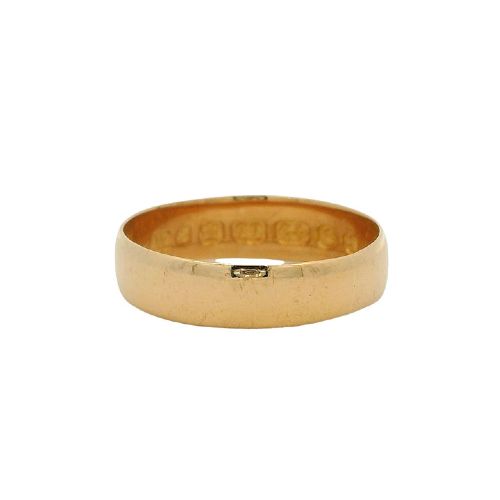
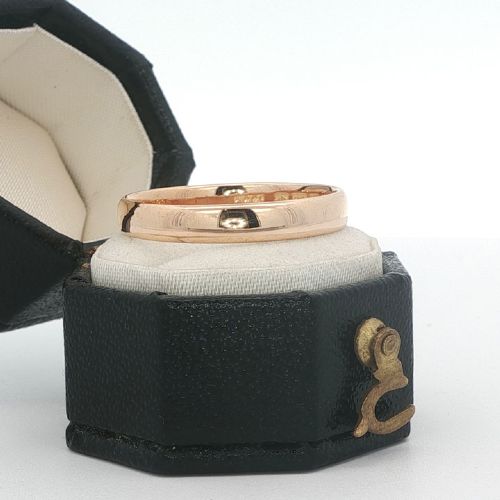
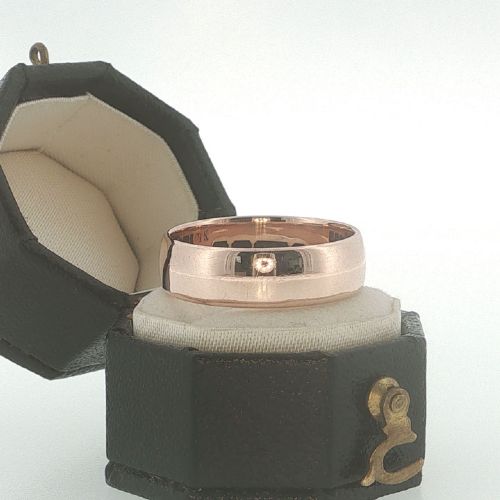
A traditional wedding ring is typically a plain or lightly engraved band designed to sit comfortably on the finger as a daily marker of marriage. When searching for a traditional wedding ring, collectors and couples encounter simple bands alongside stone-set designs.
The pieces available span multiple eras, including Victorian, Edwardian, Art Deco, and mid-century styles. Plain gold bands form the core of what appears, alongside variations featuring diamonds and sapphires.
How they were made
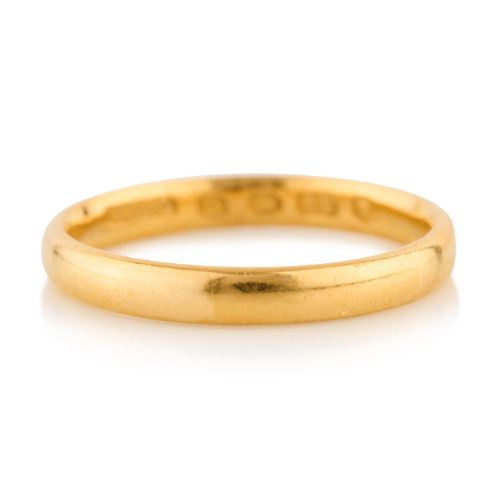
The materials recorded in the evidence centre heavily on precious metals, notably twenty-two carat gold, eighteen carat gold, nine carat rose gold, and platinum. These metals are shaped into solid bands or combined with stones such as diamonds.
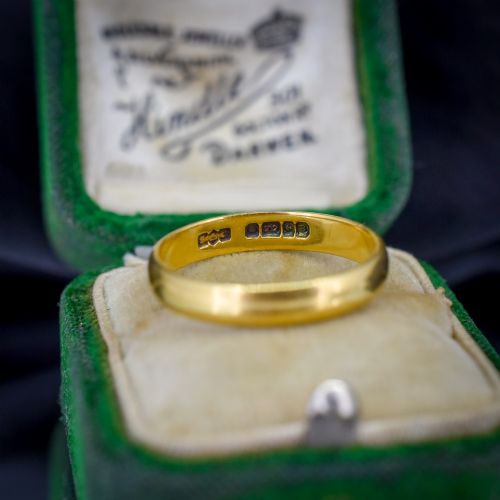
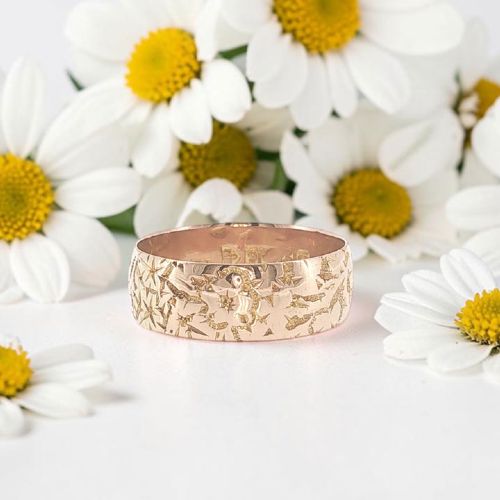
Techniques range from plain metal casting and hand-finishing to detailed engraving, as seen on Victorian examples. Hallmarks stamped into the metal indicate assay offices such as London and Chester, alongside specific dates.
Traditional Wedding Ring Retail Price Guide 2026
Typical asking prices for traditional wedding ring among the pieces listed under this phrase on Sellingantiques today, from the lower quarter to the upper quarter. They describe what is for sale here now, not the wider market.
Recorded hallmarked pieces demonstrate the involvement of regional assay offices including London and Chester.
What varies in quality
Quality in these bands relates to the purity of the metal and the weight retained over decades of wear. Higher carat gold, such as twenty-two carat, offers a richer colour and denser substance compared to lower carats.
The crispness of original hallmarks and any hand-engraving also distinguishes finer examples. Stone-set variations depend on the secure setting of diamonds and sapphires within the gold band.
W. E. D. L
The Traditional Wedding Ring Glossary
- Hallmark
- An official stamp indicating the purity of the metal, the assay office of origin, and the date of manufacture. These marks provide historical context for antique jewellery.
- Carat
- A measure of the purity of gold used in the ring, with twenty-two carat representing a higher gold content than nine carat. It affects both colour and weight.
- Band
- The continuous circular loop of metal forming the core of the ring. Traditional versions remain plain, whilst others feature engraving or set stones.
- Half Eternity Ring
- A band set with a row of gemstones, such as diamonds or sapphires, across the upper half of the hoop. This style emerged alongside traditional plain bands.
Traditional Wedding Ring: Frequently Asked Questions
What defines a traditional wedding ring?
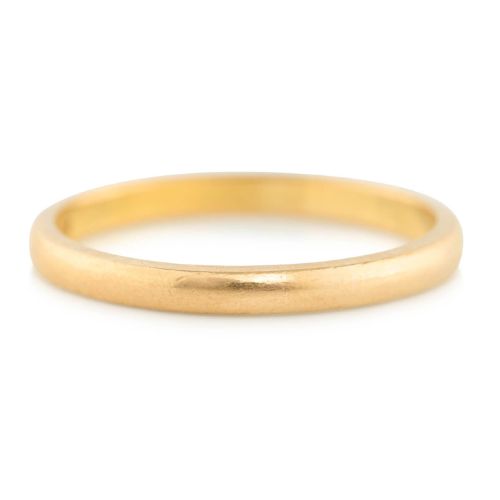
A traditional wedding ring is typically a solid metal band worn to signify marriage, appearing in plain yellow gold, rose gold, or platinum.
These pieces often feature simple profiles or subtle surface engraving, originating from periods spanning the Victorian era to the mid-twentieth century.
How do I know the age of a gold ring?
The age of an antique ring is usually determined by official hallmarks stamped into the interior of the metal band. These marks often include assay office symbols and date letters that pinpoint the year of creation.
Specific style indicators, such as Victorian engraving or mid-century proportions, also help identify the era.
What is the difference between carat golds?
Carat measurements indicate the proportion of pure gold present in the metal alloy used to form the ring. Higher carats, such as twenty-two carat, contain more pure gold and display a deeper colour.
Lower carats, like nine carat, offer increased durability for everyday wear while retaining a lighter golden hue or a rose tint.
Can these rings be worn daily?
Solid gold and platinum bands are designed for continuous daily wear, having already endured decades of use. Their robust metal construction makes them practical for everyday pairing.
Stone-set variants require slightly more attention to ensure the secure setting of diamonds and sapphires over time.