

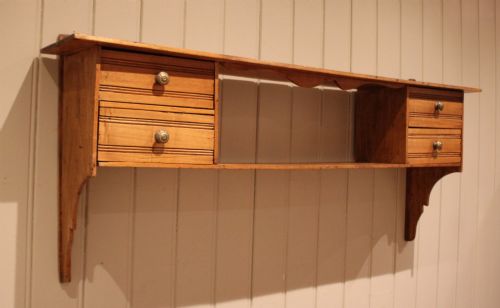
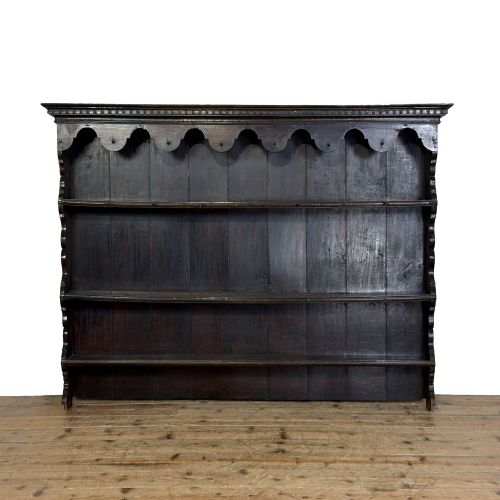
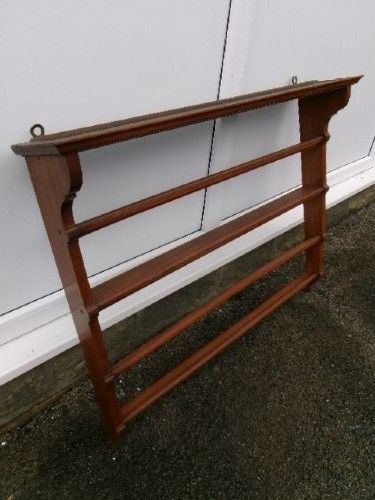

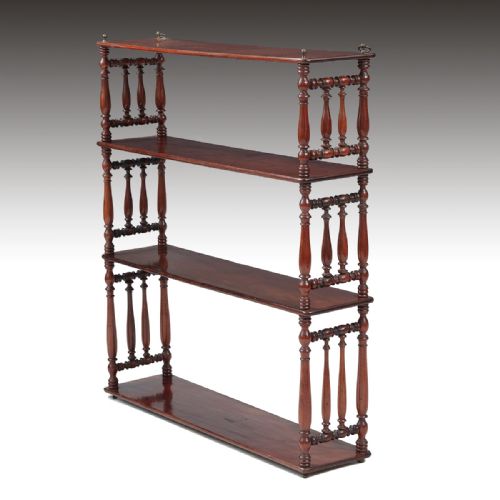

Traditional Wall Shelf
Traditional wall shelf designs organise a room with timber tiers that display plates or books against a wall.
Traditional Wall Shelf
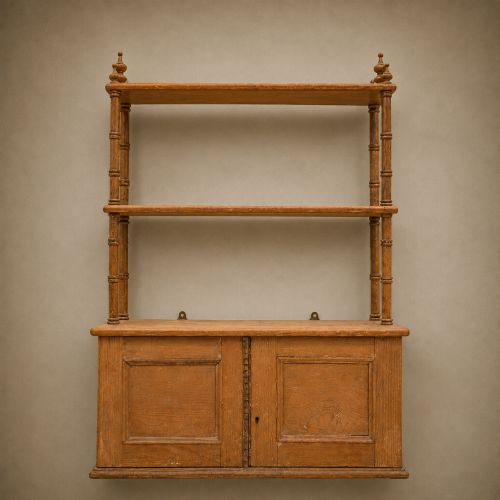
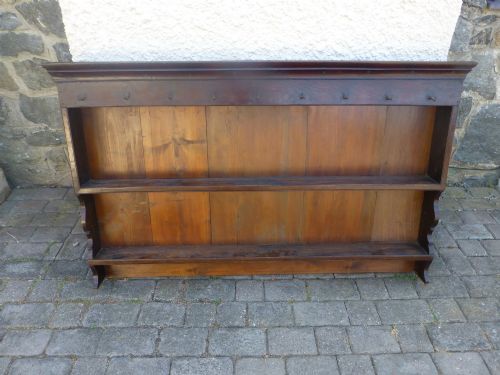
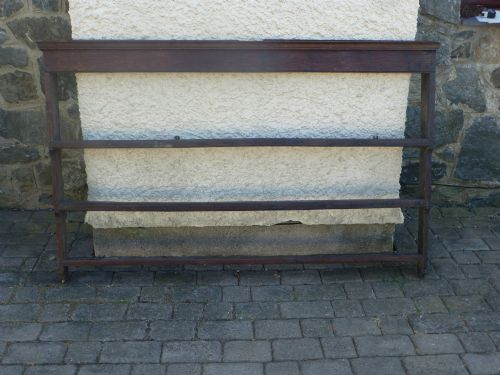
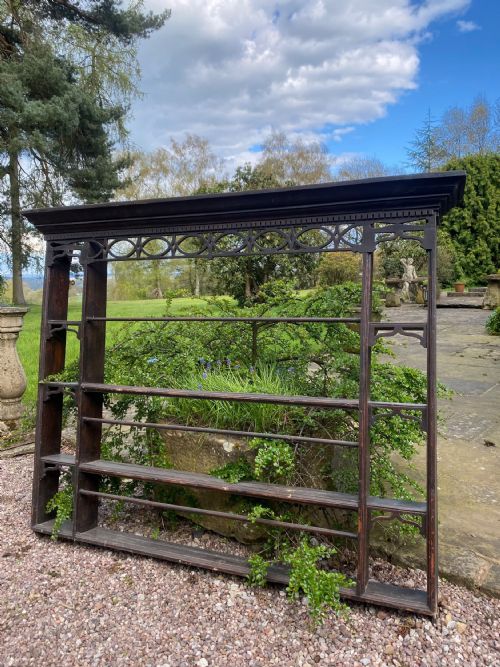
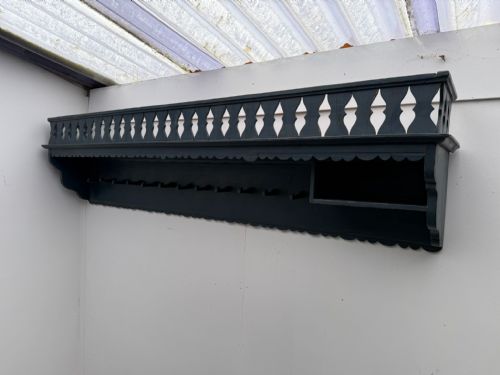
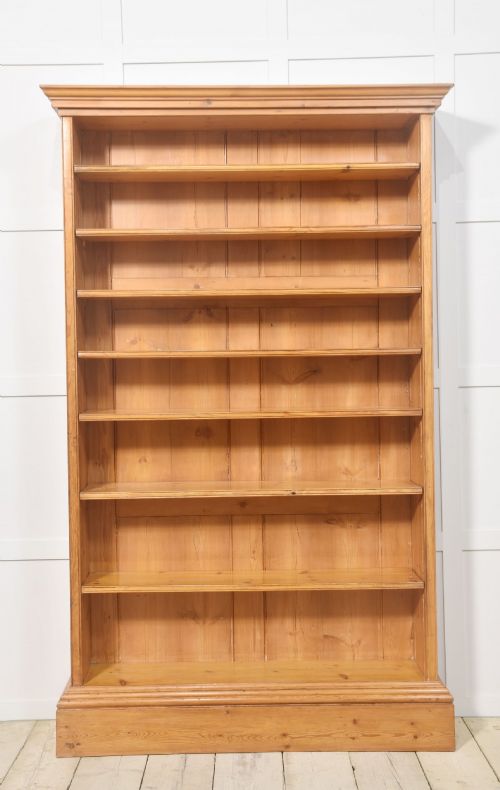
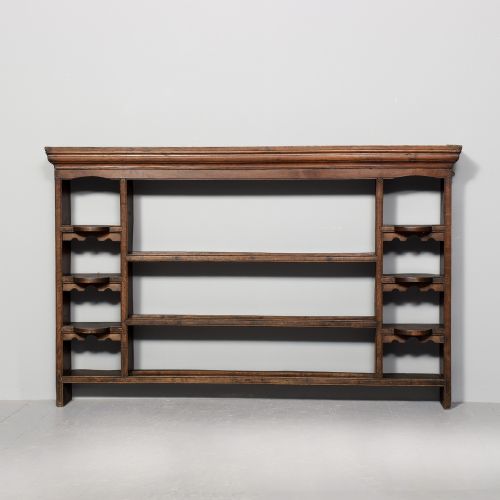
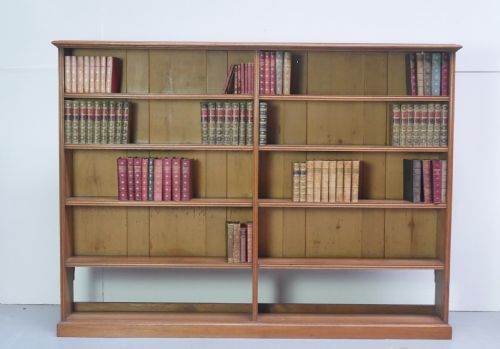
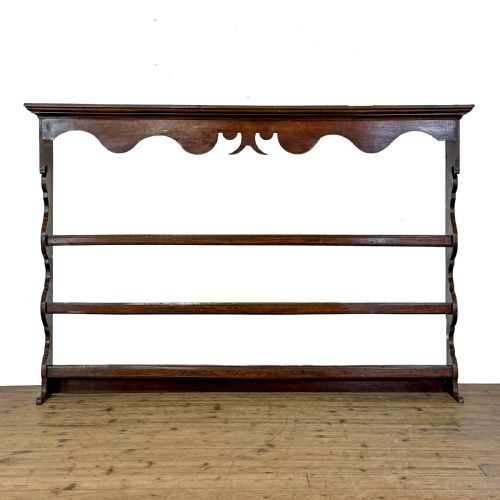
A traditional wall shelf groups hanging rack formats, plate racks and open bookcases spanning the eighteenth, nineteenth and early twentieth centuries. These timber fittings serve to store books or display ceramics in domestic spaces.
The most frequent examples on this page are oak and pine plate racks alongside mahogany hanging shelves from the Georgian and Victorian eras. These pieces attach directly to walls or hang from integrated brackets to save floor space.
Makers shaped these utilitarian fixtures in regional English country styles as well as more formal Regency and Gothic Revival designs. Smaller hanging shelves sit alongside larger dresser racks meant for kitchen crockery.
Materials and construction
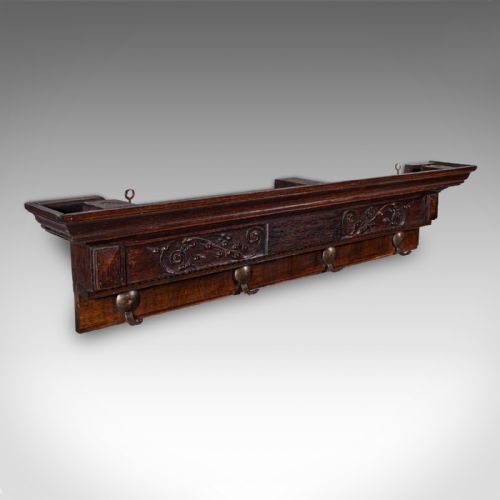
Makers constructed these pieces principally from solid oak, pine and mahogany, often utilising brass or iron for supporting brackets and hooks. Timber selection dictated the weight and grain structure of each hanging shelf.
Carpenters joined boards using traditional methods, incorporating shaped shelves, peg fixings and marquetry inlays on specific nineteenth-century examples. Painted finishes appear on select country pine pieces alongside polished hardwood surfaces.
Traditional Wall Shelf Retail Price Guide 2026
Typical asking prices for traditional wall shelf among the pieces listed under this phrase on Sellingantiques today, from the lower quarter to the upper quarter. They describe what is for sale here now, not the wider market.
Regional styles include English country pine alongside formal Georgian mahogany designs and Arts and Crafts wall hanging shelves.
Distinctions in quality
Quality rests in the selection of figured timber, such as dense oak or rich mahogany, compared to standard pine utility boards. Subtlety in edge moulding and the crispness of shaped bracket supports separate accomplished cabinet work from basic workshop output.
Proportion and structural integrity define the better examples, where original hanging points and uncompromised shelves remain intact. The harmony between the backboards and the projecting tiers reveals the care taken by the original maker.
The Traditional Wall Shelf Glossary
- Plate rack
- A wall-mounted timber frame fitted with narrow slats or grooves designed to hold dinner plates upright. These pieces commonly feature in eighteenth-century country kitchens.
- Hanging shelves
- A set of open timber tiers suspended from wall fixings rather than standing on the floor. Georgian and Edwardian examples utilise this format for books and decorative objects.
- Marquetry
- The art of forming decorative patterns on wood surfaces using thin veneers of different timbers. Nineteenth-century variants occasionally apply this technique to wall racks.
- Bracket
- A projecting support member fixed to a wall to hold up a shelf or clock. Cast iron, bronze and carved wood serve this structural purpose.
- Dresser rack
- The upper superstructure of a kitchen dresser, detached and hung on a wall to display ceramic plates and pewter. Eighteenth-century oak versions dominate this category.
Traditional Wall Shelf: Frequently Asked Questions
How do I hang a heavy oak wall shelf safely?
Secure the piece directly into wall studs or masonry using appropriate heavy-duty fixings suited to the weight of the timber.
Verify that the original hanging brackets or plates on the back of the shelf remain structurally sound before mounting.
What is the difference between a plate rack and a bookcase?
A plate rack includes narrow slats or vertical divisions specifically meant to keep plates upright without sliding.
Bookcases feature deeper, flat shelves proportioned for volumes rather than ceramic tableware.
Are these shelves suitable for modern plaster walls?
Modern walls require fixings that distribute the load across internal framing rather than relying solely on plasterboard.
Lighter pine or mahogany hanging shelves manage well when mounted correctly to structural supports.
How do I clean antique pine and mahogany?
Dust the timber regularly with a dry lint-free cloth to prevent dirt accumulation in the grain.
Aply occasional specialist wax polish to maintain the finish without saturating older joins.