


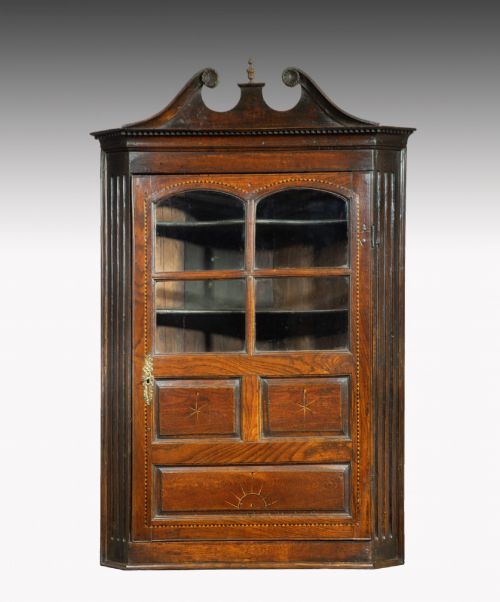
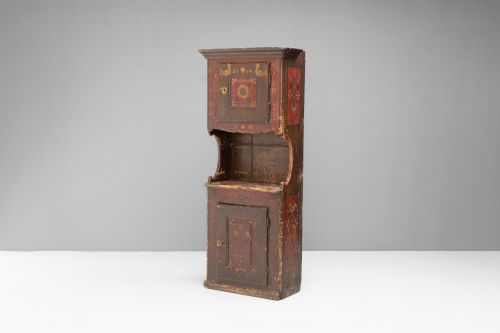
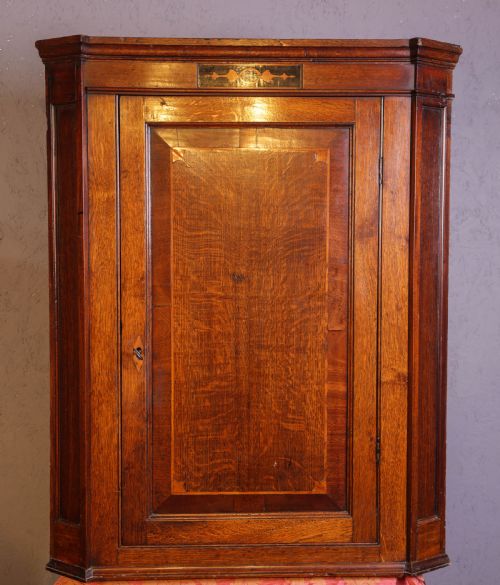


Traditional Wall Cupboard
A traditional wall cupboard is a space-saving timber hanging cabinet built to hold provisions or display household goods in period rooms.
Traditional Wall Cupboard
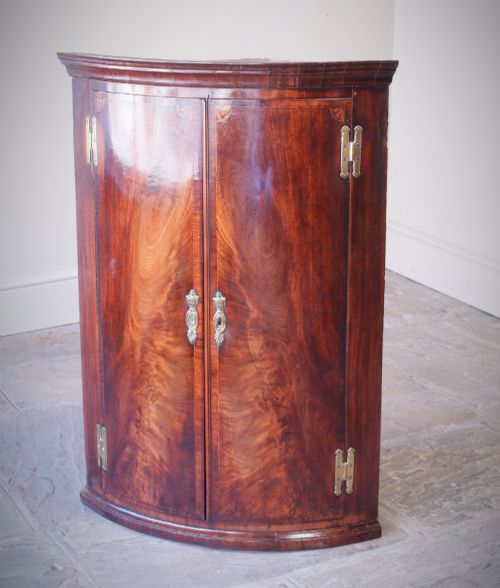
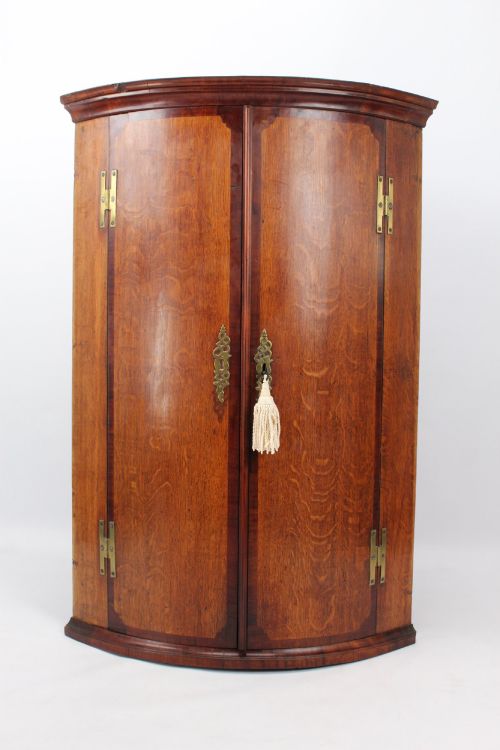
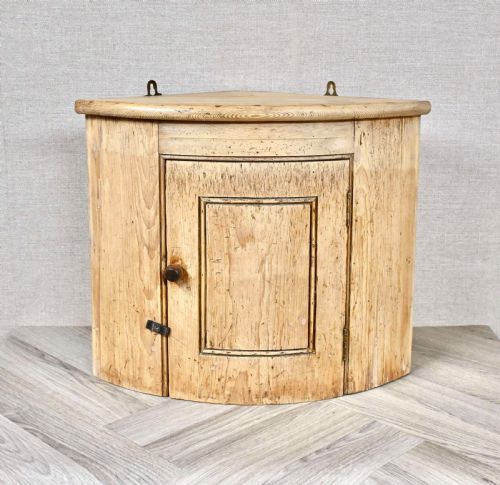
A traditional wall cupboard is most frequently encountered as an oak or pine corner cabinet dating from the Georgian period or the eighteenth and nineteenth centuries. These pieces were designed to utilise awkward angles in domestic rooms, turning unused junctions into practical storage with single or panelled doors.
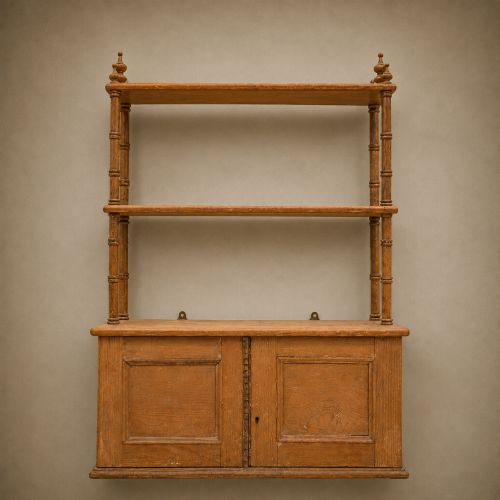
The selection ranges from small hanging corner cupboards and wall shelves with integrated cabinets to French provincial fruitwood or oak cupboards and Swedish painted wall pieces. Many incorporate bow fronts or glass panes for display, alongside simpler rustic farmhouse variants built for utility.
Makers across British, French, and Scandinavian regions adapted these forms for rural and urban interiors alike, resulting in both unpretentious pine pieces and finely figured mahogany or walnut examples.
How they were made
Cabinet makers built traditional wall cupboards primarily using solid oak, pine, and mahogany, often pairing timber frames with brass hinges, escutcheons, and iron hardware. Construction relied on traditional joinery methods such as mortise and tenon joints to ensure stability when the heavy timber units were hung upon domestic walls.
Surface treatments varied from simple painted finishes and natural wax polishes to decorative inlays and carved details. Glazed doors utilised lead or wooden muntins to hold individual glass panes for display purposes.
Traditional Wall Cupboard Retail Price Guide 2026
Typical asking prices for traditional wall cupboard among the pieces listed under this phrase on Sellingantiques today, from the lower quarter to the upper quarter. They describe what is for sale here now, not the wider market.
Current listings feature traditional wall cupboards spanning the seventeenth, eighteenth, and nineteenth centuries, constructed primarily from oak, pine, mahogany, and walnut.
What varies in quality
The quality of a traditional wall cupboard rests upon the selection of timber, such as deeply figured mahogany or quartersawn oak, and the precision of its original joinery. Finer examples display carefully matched grain patterns on bow fronts and subtle decorative inlays that reflect the maker's skill.
Proportion and architectural integrity also separate standard regional pieces from superior cabinet work, with well-balanced cornices and intact original brass or iron hardware elevating a piece's standing.
The Traditional Wall Cupboard Glossary
- Bow front
- A convex, outwardly curved front profile commonly found on eighteenth and nineteenth-century corner cabinets. This curved design softens room angles and provides additional internal depth.
- Corner cupboard
- A triangular cabinet specifically constructed to fit snugly into the internal corner of a room. These space-saving units maximise floor space while offering secure wall storage.
- Escutcheon
- A protective plate surrounding a keyhole, frequently cast from brass or iron. It prevents the timber around the lock from sustaining wear and tear during daily use.
- Panetière
- A traditional French wall-mounted bread store featuring turned spindles for ventilation. Originally designed to keep loaves away from household pests in rural kitchens.
- Muntin
- A vertical or horizontal strip of wood separating panes of glass within a glazed cabinet door. Finer pieces employ slender muntins to maximise light transmission.
Traditional Wall Cupboard: Frequently Asked Questions
How do I hang a heavy oak wall cupboard safely?
These timber cupboards are heavy and require secure fixing directly into wall studs or masonry using appropriate brackets.
Professional installation ensures the weight is distributed properly without straining the historic joints of the cabinet.
Can I use an antique corner cupboard in a modern room?
Their compact triangular footprints allow these cupboards to fit neatly into contemporary corners without dominating limited floor space.
They function effectively as storage solutions in hallways, dining rooms, and home offices.
How do I identify a Georgian period corner cupboard?
Georgian examples frequently feature premium timbers like mahogany or oak, often finished with dentil mouldings, bow fronts, and brass H-hinges.
Construction details on the interior backboards and dovetail joints in drawers provide further clues to eighteenth-century origins.