

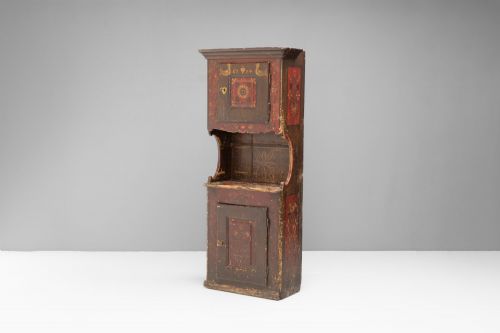


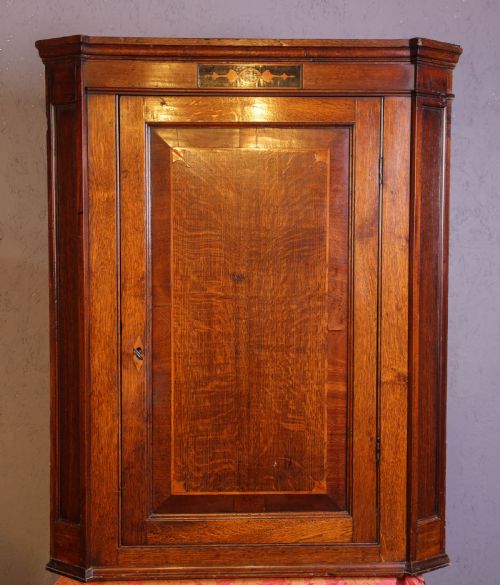


Traditional Wall Cabinet
A traditional wall cabinet brings functional timber storage to unused vertical space, offering Georgian and Victorian character for the home.
Traditional Wall Cabinet
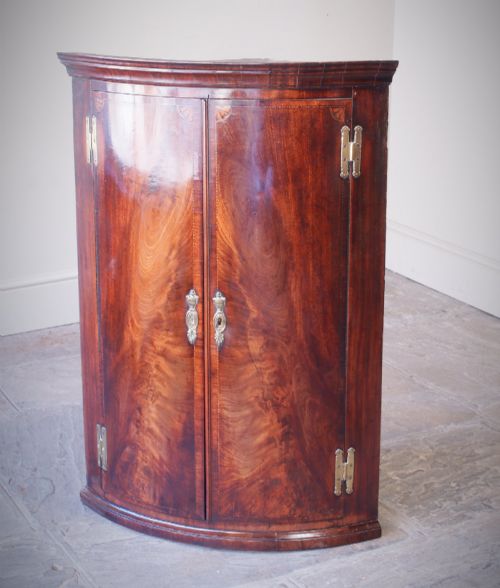
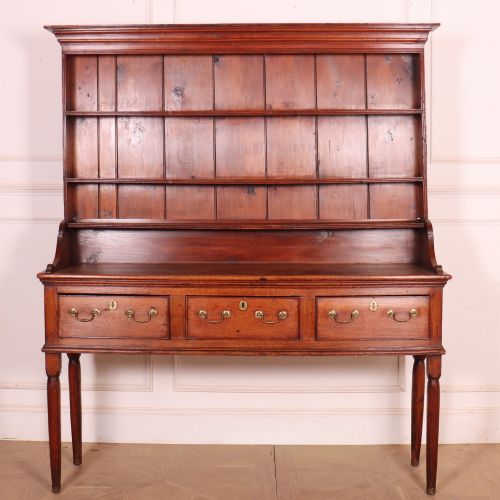
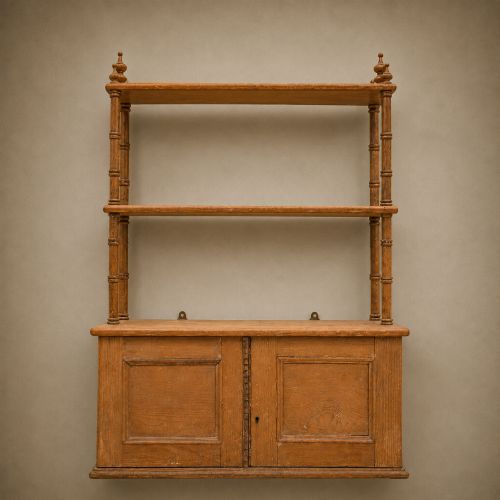
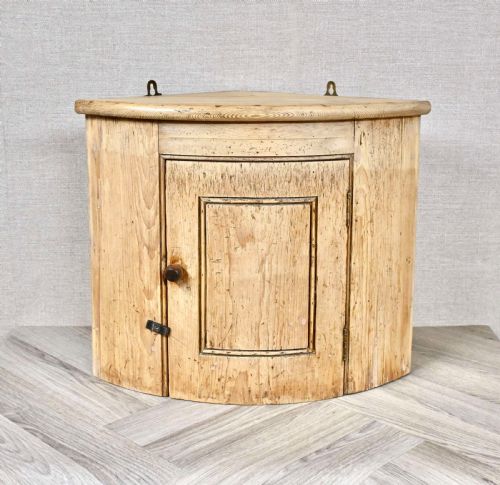
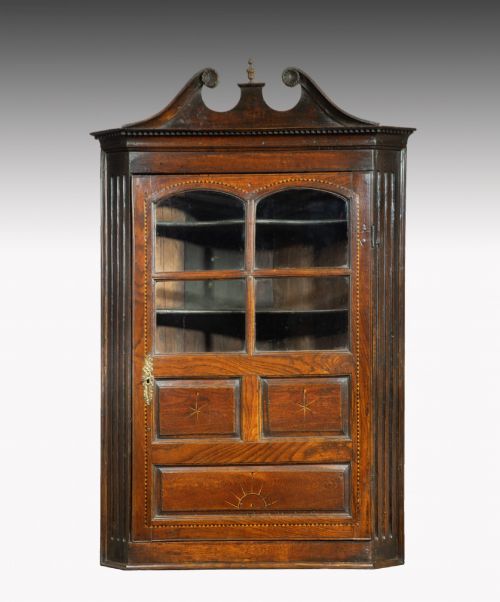
A traditional wall cabinet typically takes the form of a hanging corner cupboard or wall-mounted storage unit designed to utilise room corners or flat walls. Buyers searching for a traditional wall cabinet frequently encounter sturdy oak, mahogany, or pine examples dating from the eighteenth and nineteenth centuries.
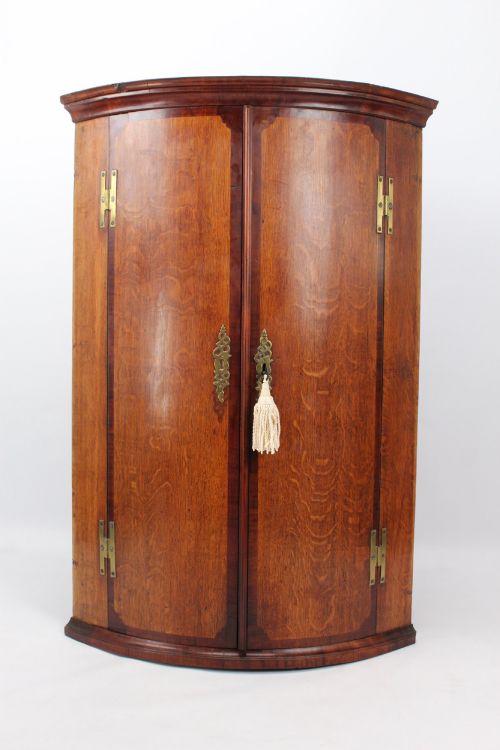
The selection here encompasses Georgian and Victorian corner cabinets, wall-hanging spice boxes, and French provincial cupboards. Many feature bow fronts, glazed display doors, or simple panelled timber construction suited to period interiors.
How they were made
Cabinet makers relied primarily on solid timbers such as oak, mahogany, and pine, often combining woods within a single piece like an oak and mahogany corner cupboard. Construction techniques involved traditional joinery, panelled doors, and shaped shelving to support domestic storage needs.
Surface detailing included inlaid wood, painted finishes, and brass hardware such as hinges and escutcheons. Glazed doors appeared on display cabinets, while simpler kitchen and spice racks utilised open shelving or solid timber doors.
One listed French manoir cellar cupboard carries the quiet echoes of centuries spent guarding farmhouse provisions.
What varies in quality
The grade of timber and the sophistication of the cabinet making determine the standing of each piece, distinguishing simple utilitarian cupboards from fine Georgian reception room furniture. Selection of figured mahogany or well-grained oak marks out superior examples.
Original brass fittings, fine inlay work, and well-proportioned bow fronts elevate the craftsmanship of a cabinet. The integrity of the structural timber and the retention of original surface patination remain central to the character of these wall-mounted items.
The Traditional Wall Cabinet Glossary
- Bow front
- A convex curved cabinet front popular in Georgian design. This shape softens room angles and provides additional interior depth.
- Corner cupboard
- A triangular storage unit built to fit into the corner of a room. These pieces make efficient use of otherwise neglected space.
- Panetière
- A traditional French wall-hanging bread store featuring spindle or slatted sides. Designed to keep bread ventilated and away from household pests.
- Overmantel mirror
- A large decorative mirror designed to hang above a fireplace mantel. Edwardian examples often incorporated wood framing and display shelves.
Traditional Wall Cabinet: Frequently Asked Questions
Where should I hang a corner cabinet?
A corner cabinet fits neatly into the junction of two walls, making it ideal for dining rooms, hallways, or kitchens where floor space is limited.
Ensure the wall structure can support the weight of solid timber and its contents by fixing securely into studs or masonry.
Can these cabinets hold heavy items?
Most traditional wall cabinets were built to store glassware, ceramics, or spices using solid timber shelves fixed within the carcase.
While sturdy, the load capacity depends on the condition of the historical fixings and the thickness of the original shelving.
What is the difference between oak and pine cabinets?
Oak cabinets generally represent formal or country fine furniture with dense grain and rich brown tones, often seen in Georgian pieces.
Pine cupboards typically offer a more rustic, painted, or lighter appearance associated with domestic utility and provincial kitchen use.