

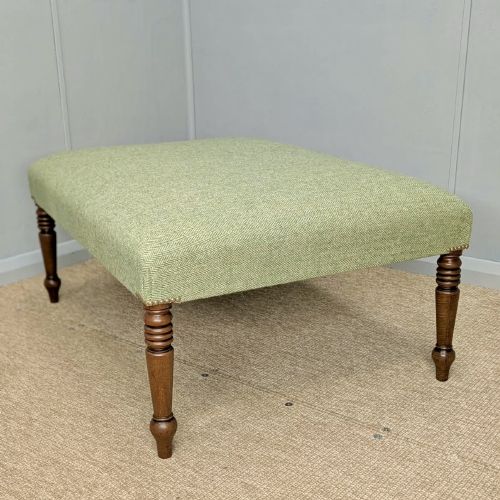

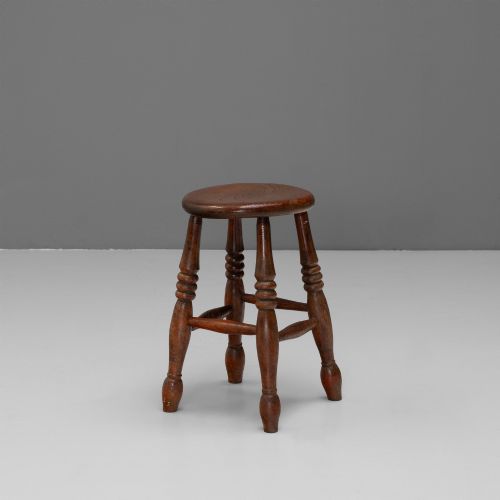
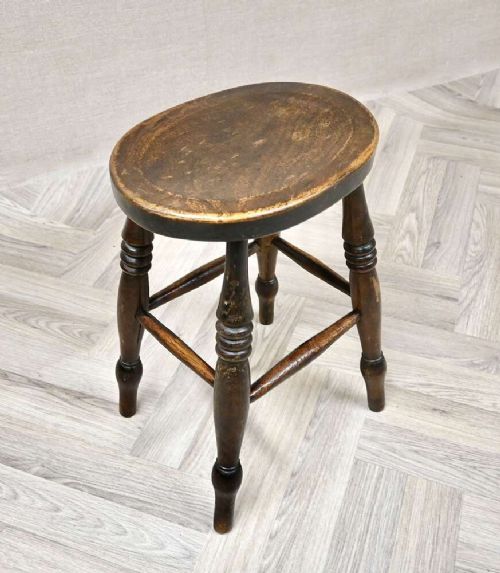
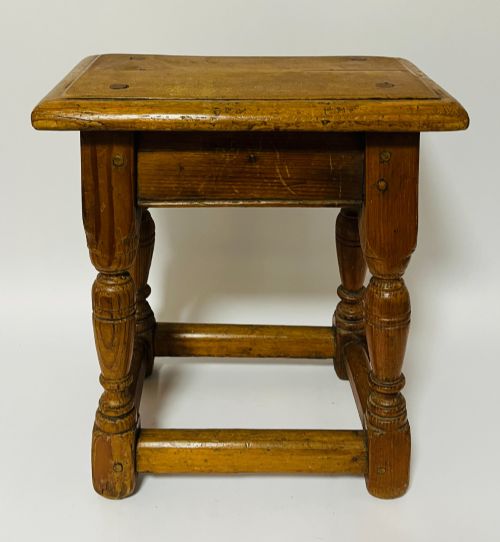

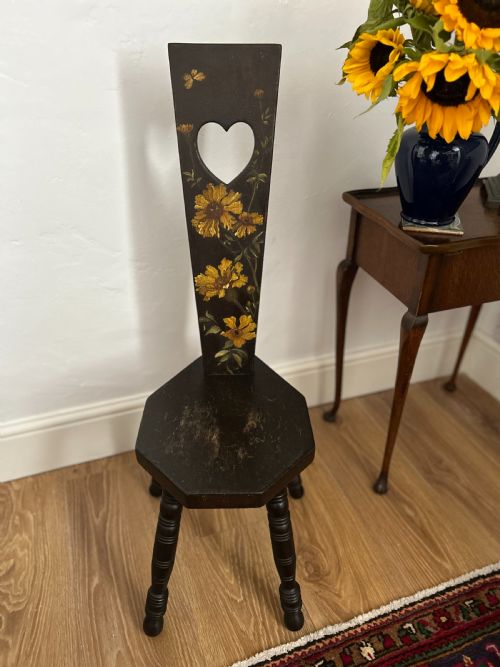


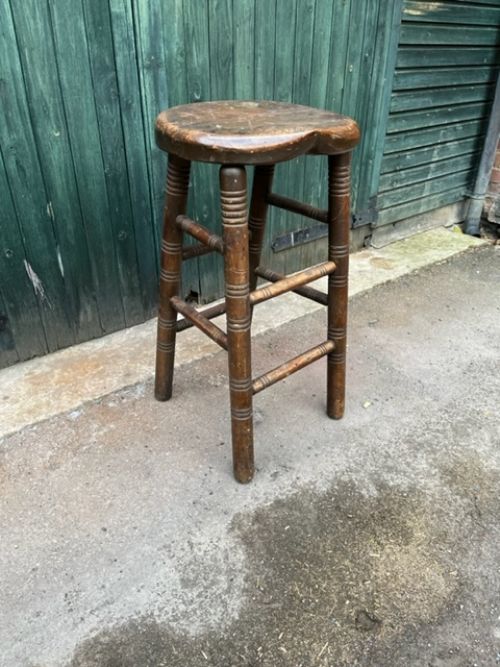


Traditional Turned Timber Stool
These traditional turned timber stool examples bring honest utility and historic character to any room, offering robust seating shaped by generations of country makers.
Traditional Turned Timber Stool
A traditional turned timber stool is a foundational item of vernacular seating, shaped to serve practical daily work in homes, pubs, and workshops. These pieces appear across several eras, spanning the Georgian period, the nineteenth century, and into the early twentieth century.
The versions most commonly met on this page include simple three-legged country stools, robust joint stools, and pub or tavern seating. Many feature Windsor-style construction or turned supports, reflecting local craftsmanship rather than grand urban design.
How they were made
These stools rely on native hardwoods such as elm, ash, beech, sycamore, and oak, often paired with rush for seating surfaces. Makers selected timber for its natural strength and grain, turning legs on a lathe and joining them directly into solid seats.
Construction techniques remain straightforward yet durable, utilising pegged joints, wedged tenons, and simple framing. Surfaces often display the tool marks of the carpenter, alongside the rich patina earned through decades of domestic use.
Traditional Turned Timber Stool Retail Price Guide 2026
Typical asking prices for traditional turned timber stool among the pieces listed under this phrase on Sellingantiques today, from the lower quarter to the upper quarter. They describe what is for sale here now, not the wider market.
Certain nineteenth-century examples feature ball feet, giving a surprisingly playful finish to otherwise stern tavern seating.
What varies in quality
Quality in a traditional turned timber stool rests upon the harmony of proportions, the selection of timber, and the integrity of the joinery. Superior examples display balanced turning on the legs and seats shaped with careful attention to comfort and grain.
Lesser items show clumsy repairs or replacement parts that disrupt the historic balance of the object. The best pieces retain their original surface finish and structural tightness, showing honest wear without losing their native grace.
The Traditional Turned Timber Stool Glossary
- Turned
- Shaped on a lathe by rotating timber against cutting tools. This method creates cylindrical legs, stretchers, and spindles.
- Joint stool
- A sturdy wooden seat constructed with mortise and tenon joints fastened by wooden pegs. These pieces predate lighter chair designs.
- Windsor
- A style of seating where legs and back spindles are wedged directly into a solid carved seat. This construction offers notable strength.
- Vernacular
- Everyday objects made by local tradesmen for practical use rather than following high-style academic design. These pieces reflect regional traditions.
- Rush seating
- Woven marsh grass utilised to form a resilient and flexible seat pad. This technique appears on vernacular stools and chairs.
Traditional Turned Timber Stool: Frequently Asked Questions
What are traditional turned timber stools?
These pieces are historic vernacular seats built by local carpenters for daily domestic or workplace tasks. They rely on solid timber construction and turned legs.
Such objects include pub stools, low three-legged seats, and joint stools originating from the Georgian era through the nineteenth century.
How were traditional stools used?
Historic households and commercial spaces utilised these versatile seats around farmhouse tables, at tavern counters, or near hearths. Their compact form allowed them to be easily moved where needed.
Makers designed them for hard daily service rather than formal display, which accounts for their robust build.
How do I date a timber stool?
Dating relies on observing tool marks, timber species, wear patterns, and construction methods. Nineteenth-century examples often show distinct lathe work and standard regional forms.
Earlier Georgian or eighteenth-century pieces typically display heavier scantlings and hand-shaped components that differ from later production.
How should I care for antique stools?
Preserving these wooden items requires keeping them away from direct heat sources and sudden humidity changes. This protects the dry timber from splitting.
Applying a light coat of natural wax periodically helps maintain the historic surface sheen without altering the patina.