



Traditional Timekeeper
A traditional timekeeper anchors a room with mechanical precision, offering a tactile connection to domestic history that modern digital displays simply cannot replicate.
Traditional Timekeeper
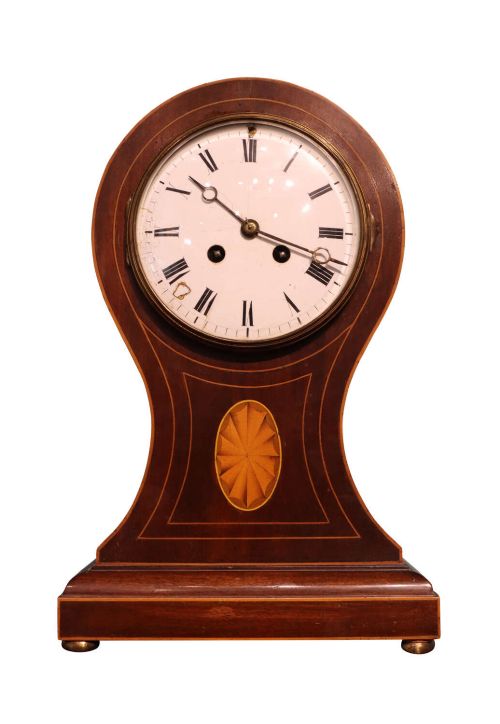
A traditional timekeeper encompasses mechanical clocks designed for walls, brackets, and mantelpieces from the nineteenth and early twentieth centuries. These objects served as essential household utilities before becoming decorative focal points in domestic interiors.
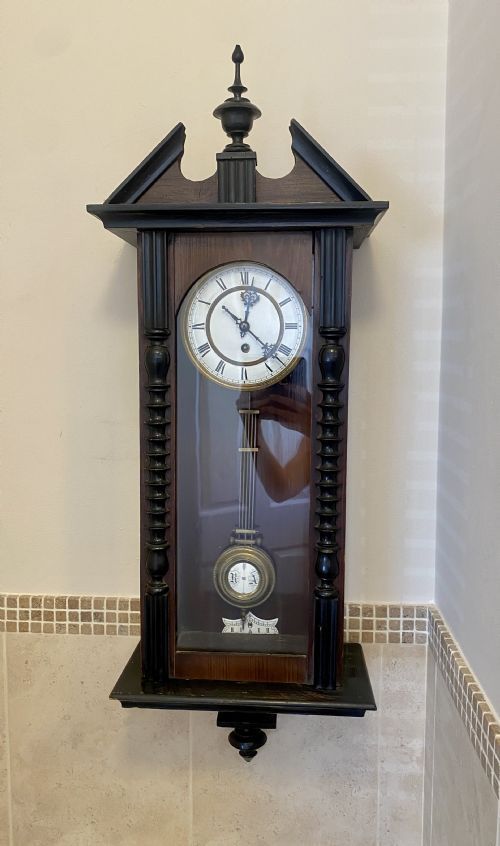
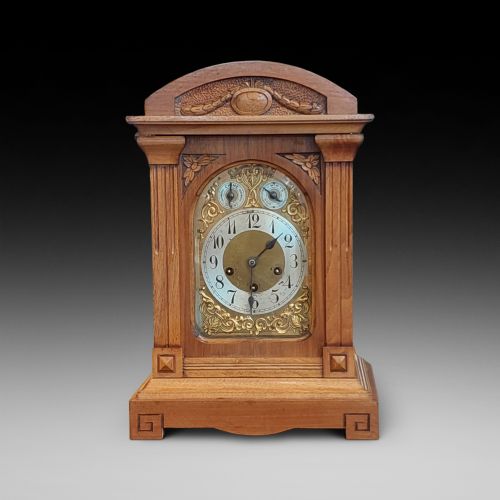
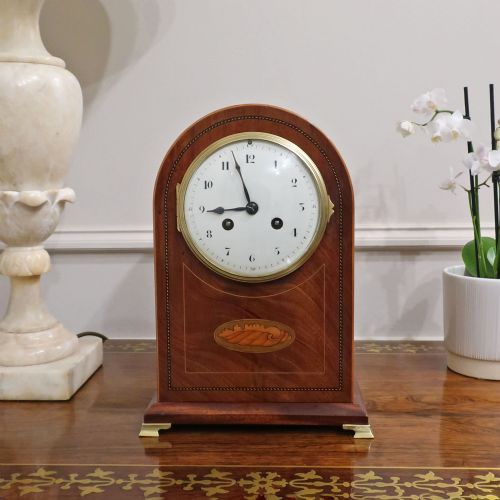
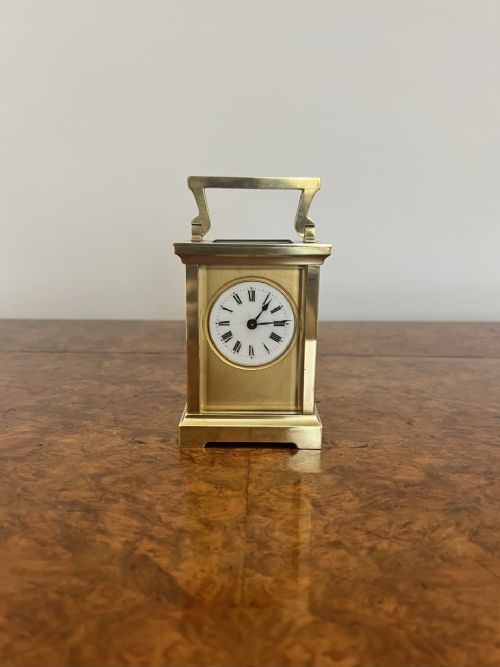
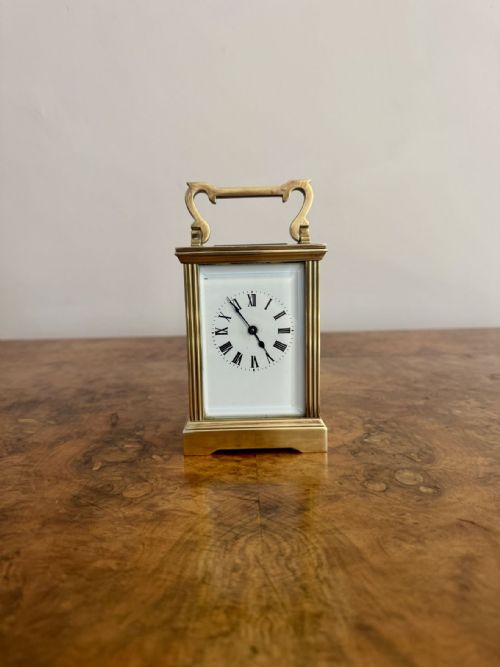
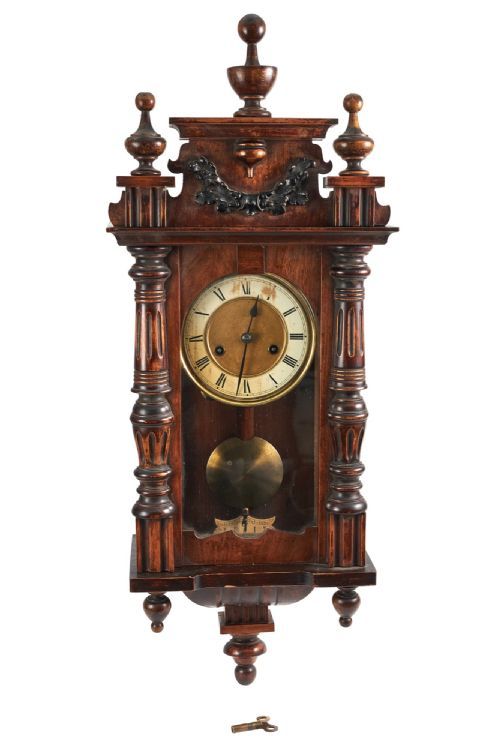
You will most frequently encounter mantel clocks and carriage clocks housed in mahogany, walnut, or brass cases, alongside dial wall clocks built during the Victorian and Edwardian eras. French and English workshops dominate the origins of these pieces, reflecting established horological centres of the period.
How they were made
Cases combined solid timbers such as mahogany, walnut, and oak, often decorated with satinwood inlay or brass mounts. These woods were selected for stability and appearance, then polished by hand to a deep lustre.
Dial construction utilised enamelled metal or brass, paired with glass viewing panels for carriage and bracket models. Mechanical movements relied on brass gears and steel springs or weights, assembled by skilled clockmakers.
Traditional Timekeeper Retail Price Guide 2026
Typical asking prices for traditional timekeeper among the pieces listed under this phrase on Sellingantiques today, from the lower quarter to the upper quarter. They describe what is for sale here now, not the wider market.
Some carriage clocks include a repeat mechanism, allowing tired owners to pull a cord in the dark and hear the last hour struck again.
What varies in quality
Superior examples distinguish themselves through the crispness of case carving, the subtlety of wood grain, and the refinement of brass dial ornamentation. Maker attribution also elevates a piece, particularly when movements bear signatures from established workshops.
The sophistication of the internal movement dictates working longevity, with eight-day durations and specialised escapements representing higher manufacturing standards than basic utility models.
John Morley·W. Burton·Piggin Norwich·Walker and Hall·Mathias Bauerle·Garrard and Co
The Traditional Timekeeper Glossary
- Fusee
- A conical pulley used in mechanical clocks to maintain even tension on the gear train as the mainspring unwinds. This mechanism ensures consistent timekeeping accuracy throughout the power reserve.
- Carriage clock
- A portable spring-driven timepiece developed for travel during the nineteenth century, typically featuring a brass case with glass sides. They often include carrying handles and leather travelling cases.
- Bracket clock
- A large table or mantel clock originally designed to sit on a wall bracket to aid projection of sound. Later versions functioned independently on mantelpieces and desks.
- Lantern clock
- An early form of weight-driven brass chamber clock originating in the seventeenth century and produced in later revival styles. They feature prominent bell domes and hanging feet.
- Drop dial wall clock
- A wall-mounted timepiece featuring an extended wooden trunk below the circular dial to accommodate a swinging pendulum. These were common in offices, stations, and domestic halls.
Traditional Timekeeper: Frequently Asked Questions
Where should I place a wall clock?
Select an interior wall free from dampness, direct sunlight, and excessive vibration from heavy footsteps or doors. A stable mounting surface ensures the pendulum hangs plumb and beats evenly.
Keep mechanical clocks away from heating vents and draughty windows to protect wooden cases and delicate internal lubricants from rapid temperature changes.
How do I date a Victorian clock?
Examine the timber species, case styling cues like inlay patterns, and any maker signatures stamped on the backplate or dial. Victorian pieces often combine robust mahogany or walnut construction with neoclassical or revival design motifs.
Internal movement stamps and registration marks can provide further clues to the decade of manufacture, matching the production standards of nineteenth-century English and French workshops.
Why does my clock need servicing?
Over decades, the natural oils used to lubricate brass gears dry out and accumulate dust, causing friction that slows or stops the movement. Professional cleaning and oiling prevent premature wear on metal pivots.
A horologist can also check the escapement and suspension spring, ensuring the timekeeper maintains accurate beats over its multi-day power reserve.