






Traditional Timber Hall Stand
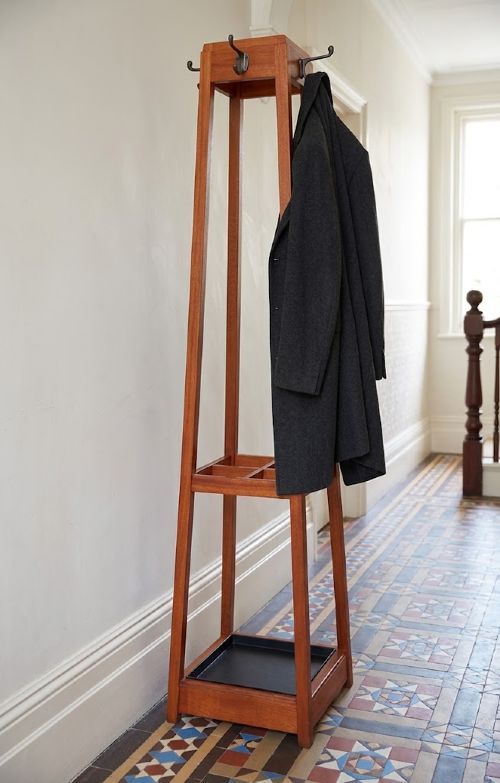
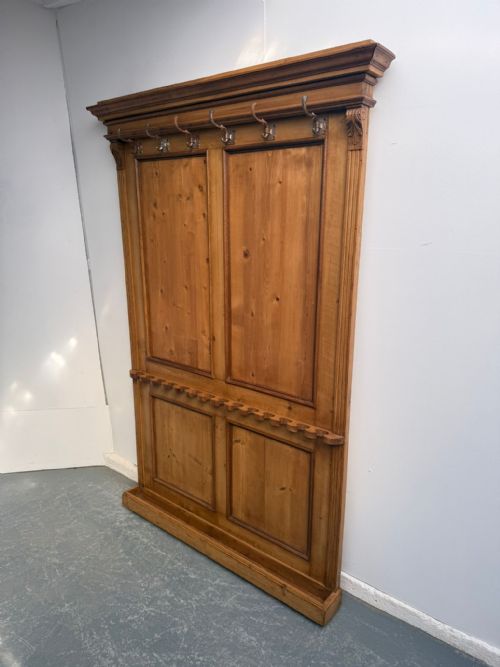
A traditional timber hall stand organises an entranceway with pegs, mirrors and umbrella wells, offering practical utility dressed in period wood.
Traditional Timber Hall Stand
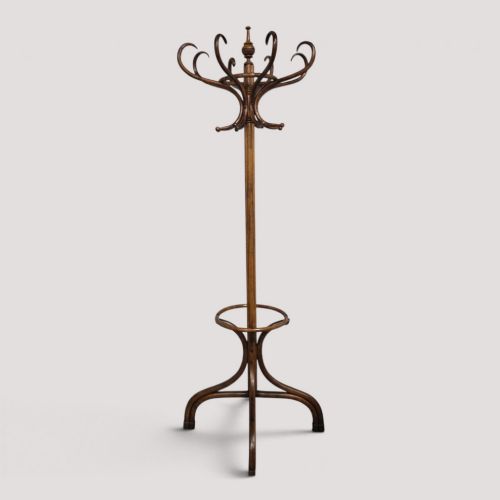
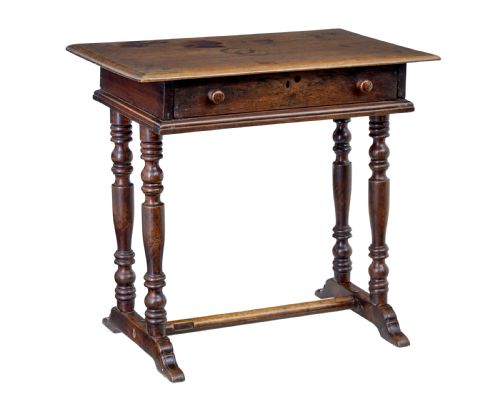
Buyers encountering this selection will find standard hall stands alongside umbrella stick stands, bentwood coat hat stands and even related forms such as side tables and longcase clocks. These pieces reflect specific stylistic traditions ranging from English country house and Victorian country to Chinese Qing dynasty work.
How they were made
Makers utilised solid timbers including oak, elm, pine and solid mahogany, shaping the wood through traditional carpentry and carving techniques. Metal and brass hardware such as coat hooks were securely fastened to the wooden structures.
Glass mirrors and drip pans in metal were integrated into the designs to handle wet umbrellas and check appearances before stepping outside.
Traditional Timber Hall Stand Retail Price Guide 2026
Typical asking prices for traditional timber hall stand among the pieces listed under this phrase on Sellingantiques today, from the lower quarter to the upper quarter. They describe what is for sale here now, not the wider market.
Many a Victorian umbrella stand retains its original metal drip tray, having caught countless rainy day puddles over the centuries.
What varies in quality
The distinction between standard and superior pieces rests upon the choice of timber and the depth of craftsmanship shown in the carving and joinery. Finer examples display thoughtful proportion and rich natural grain in woods like mahogany or oak, alongside well-preserved original mirrors and metal fittings.
Provenance and stylistic purity also influence worth, where pieces adhering strictly to recognised periods like the Georgian or Edwardian eras command greater attention from discerning collectors.
John Wylde Nottingham
The Traditional Timber Hall Stand Glossary
- Hall stand
- A piece of hallway furniture designed for hanging coats, storing umbrellas, and holding hats. These often incorporate a mirror and a small shelf or drawer.
- Bentwood
- Wood heated with steam until pliable, then bent into curved shapes. This technique defines the construction of nineteenth-century coat and hat stands.
- Solid mahogany
- A durable, heavy tropical hardwood prized for its deep reddish-brown colour and smooth grain. Cabinetmakers utilised this material for high-end furniture.
- Umbrella stick stand
- A specialised holder designed specifically for walking sticks, parasols, and wet umbrellas. They frequently feature metal liners or drip trays at the base.
Traditional Timber Hall Stand: Frequently Asked Questions
What is a traditional timber hall stand used for?
A traditional timber hall stand serves as a central hub for hallway organisation, providing designated spots for outerwear, hats, and walking accessories.
Historically, they kept wet weather gear and everyday outdoor garments tidy and accessible right by the front door.
How do I identify an Edwardian hall stand?
Edwardian hall stands typically showcase lighter timbers and more restrained decoration compared to their heavily carved Victorian predecessors.
They frequently combine bevelled mirrors with brass or metal hooks and integrated umbrella wells.
Where should I place a hall stand in my home?
These pieces belong in an entrance hall or boot room where guests first enter and outdoor garments are shed.
Ensure there is sufficient clearance for doors to open and enough wall space to accommodate the height and width of the timber frame.
What woods were used in antique hall stands?
Cabinetmakers relied on durable woods such as oak, elm, pine, and solid mahogany to construct these sturdy entryway furnishings.
Selection depended on the period and the regional workshop traditions of the maker.