








Traditional Tavern Furniture
Traditional tavern furniture brings solid timbers and utilitarian domestic craftsmanship straight into domestic spaces.
Traditional Tavern Furniture
Traditional tavern furniture comprises heavy wooden seating, sturdy tables, and utilitarian benches designed for public houses and domestic service. Buyers searching for traditional tavern furniture encounter robust forms built to withstand decades of heavy daily use in taprooms and rural settings.
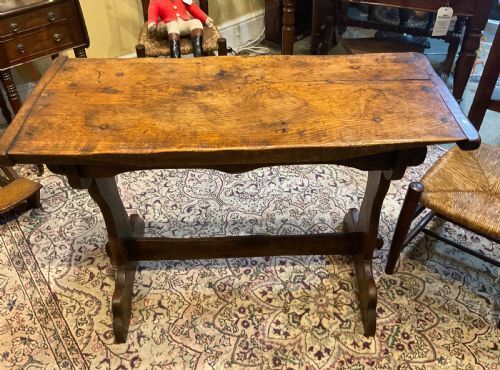
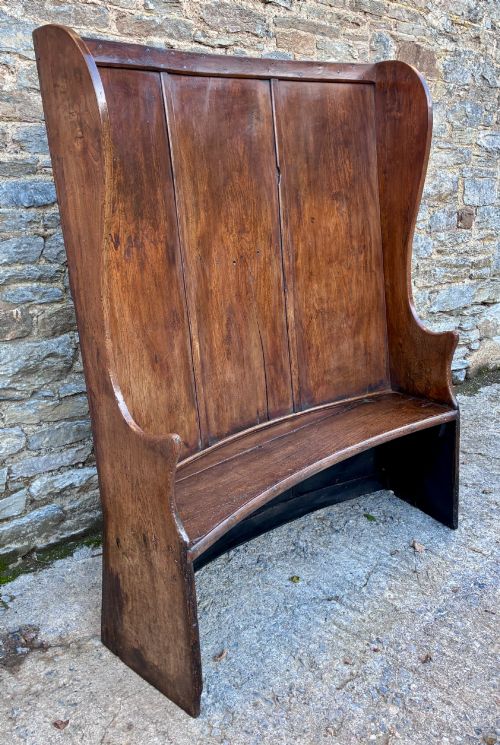
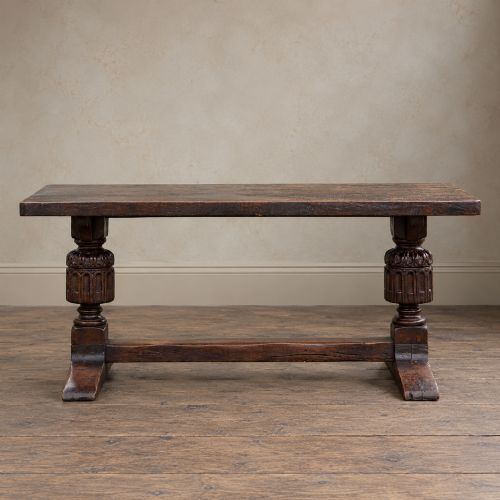
The selection ranges from sturdy oak refectory tables and three-legged cricket tables to high-backed pine settles and Windsor armchairs. Pieces originating from the seventeenth, eighteenth, and nineteenth centuries dominate the listings, showcasing regional English and Alpine country vernacular styles.
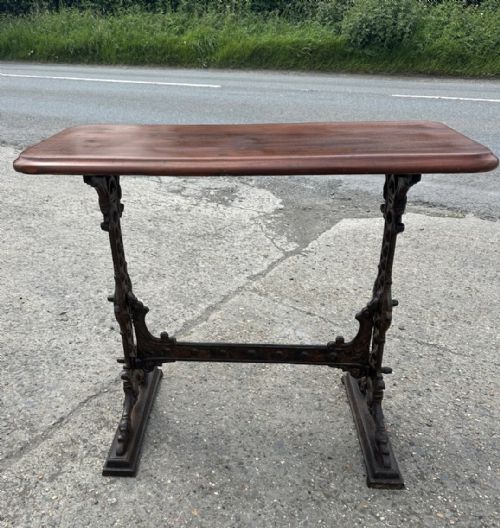
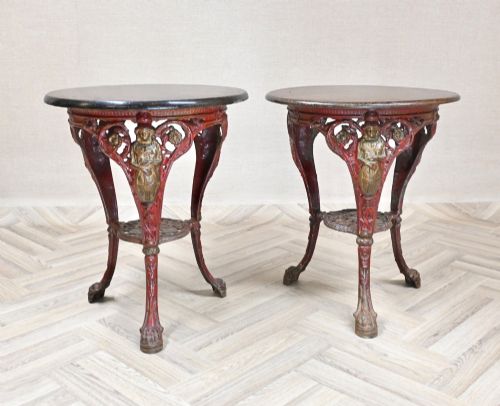
Long benches and painted tavern settles provide the primary seating options alongside cast iron pub tables featuring mahogany tops. These items combine practical communal seating with straightforward construction methods suited to bustling social spaces.
How traditional tavern furniture was made
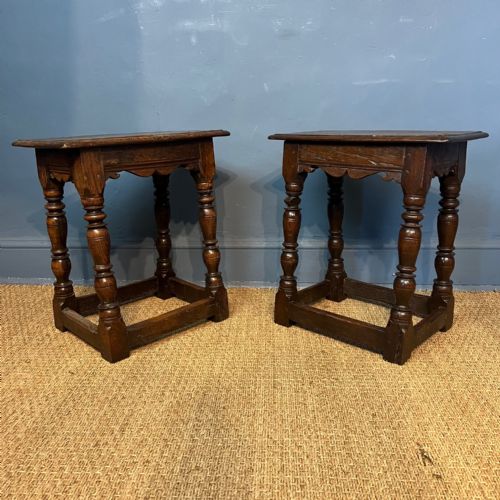
Construction relies heavily on native timbers such as oak, elm, pine, and sycamore, chosen for local availability and durability. Joinery methods prioritise straightforward strength, utilising pegged mortise and tenon joints for tables and solid plank construction for benches.
Turned legs, single plank tops, and Windsor framework techniques provide structural integrity without excessive ornamentation. Painted finishes frequently protect softer woods like pine, while cast iron bases emerge in later nineteenth-century table designs to add substantial weight.
Traditional Tavern Furniture Retail Price Guide 2026
Typical asking prices for traditional tavern furniture among the pieces listed under this phrase on Sellingantiques today, from the lower quarter to the upper quarter. They describe what is for sale here now, not the wider market.
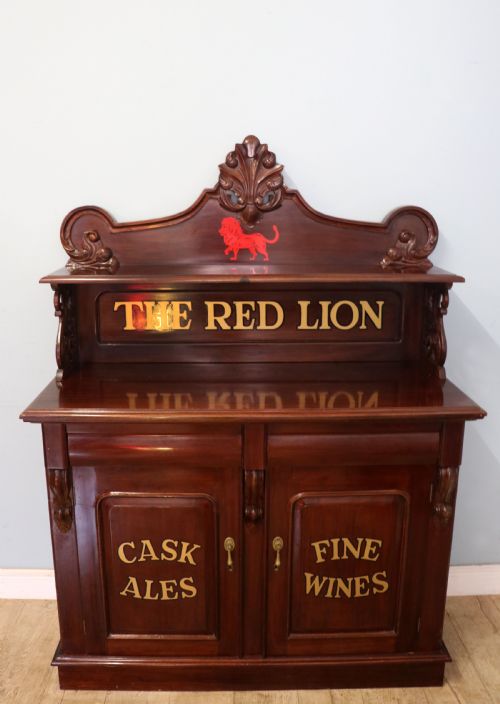
One mahogany sideboard carries later sign-writing for the Red Lion public house, ready to pour pints.
What varies in quality
Quality rests primarily in the integrity of the timber, the honesty of the construction, and the survival of original surfaces. Pieces retaining genuine patination from generations of use display a depth of character absent in over-restored examples.
Structural soundness in weight-bearing joints separates superior tables and benches from weaker counterparts that have suffered from damp or woodworm. The balance between utilitarian function and thoughtful regional craftsmanship dictates the standing of individual items.
The Traditional Tavern Furniture Glossary
- Cricket table
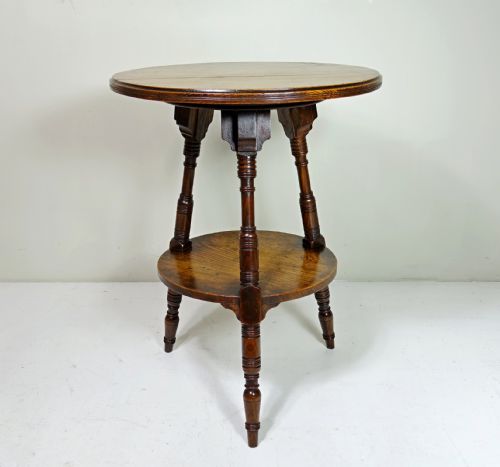
- A small, lightweight occasional table typically featuring three splayed legs to maintain stability on uneven floors. This form frequently appears in pine, sycamore, or oak.
- Settle
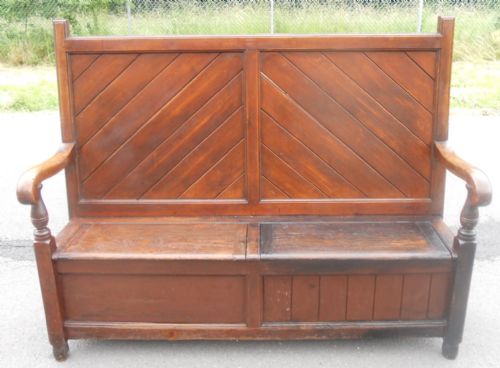
- A wooden bench with a high back, solid arms, and often a storage box beneath the seat, designed to block draughts in public houses. These items were essential fixtures beside tavern fireplaces.
- Refectory table
- A long, narrow dining table traditionally built for communal dining and heavy commercial use. Examples utilise robust trestle or four-leg frames with thick single plank tops.
- Windsor armchair
- A chair constructed with a solid wooden seat into which the legs and back spindles are separately bored. The design offers ergonomic support through steam-bent elements.
- Cast iron Britannia base
- A heavy moulded metal table pedestal featuring classical or patriotic motifs, introduced during the Victorian era for commercial hospitality settings. These bases support polished timber tops.
Traditional Tavern Furniture: Frequently Asked Questions
How do I care for antique tavern tables?
Maintain timber surfaces by applying natural beeswax sparingly and avoiding excessive moisture or direct heat sources.
Protect the historic patination by using coasters and dusting regularly with a soft cloth rather than modern chemical polishes.
Where were settle benches used?
Settle benches stood near firesides in public houses to shield patrons from cold draughts entering through doorways.
High panelled backs and enclosed bases trapped warmth while providing private seating within bustling taprooms.
What wood is best for tavern furniture?
Oak and elm offer exceptional durability for heavy tables and seating exposed to constant daily wear in public houses.
Pine and sycamore provide lighter alternatives often found in cricket tables and painted settles from regional workshops.
How do I date a cricket table?
Examine the leg fixings, tool marks, and timber shrinkage to determine whether construction methods align with eighteenth or nineteenth-century practices.
Original painted surfaces and vernacular joinery details provide further clues regarding the geographic origin and age of the piece.