




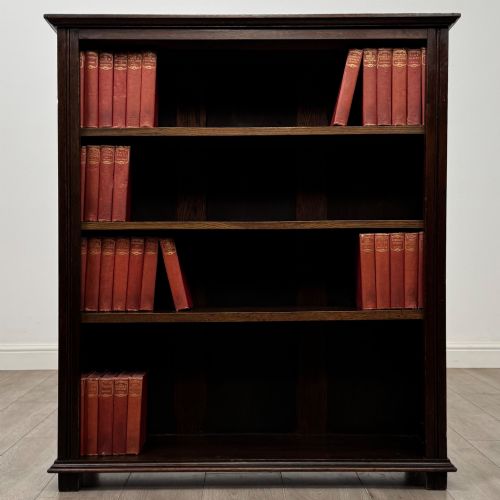
Traditional Standing Bookshelf
A traditional standing bookshelf brings orderly timber presence to a room, offering sturdy open tiers for daily reading.
Traditional Standing Bookshelf
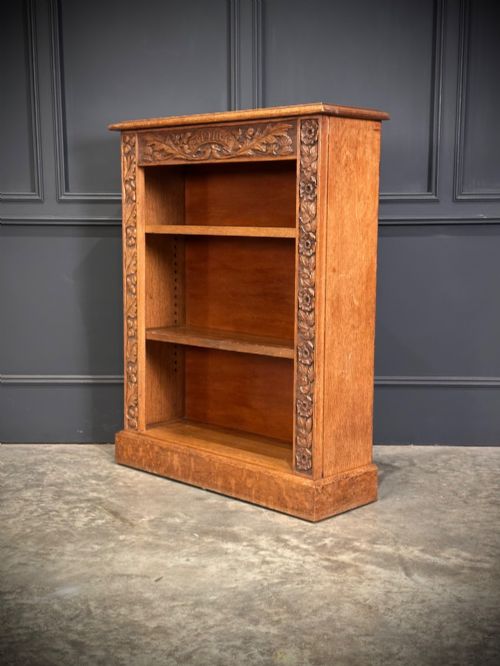
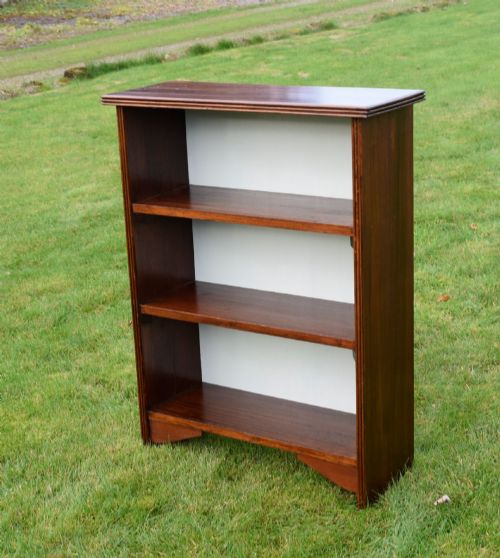
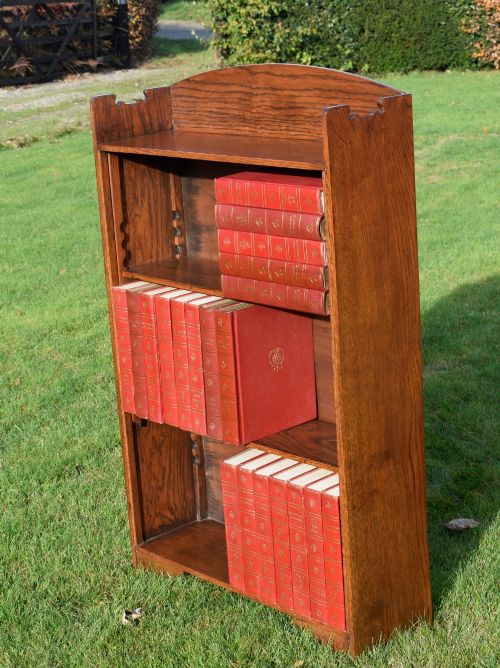
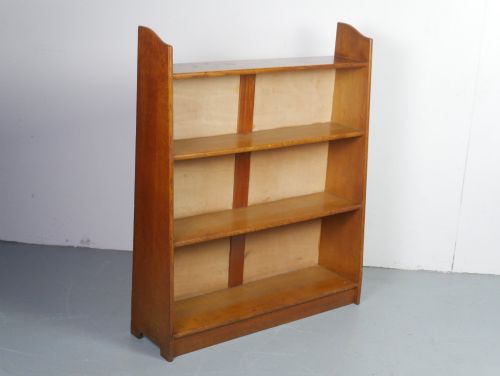
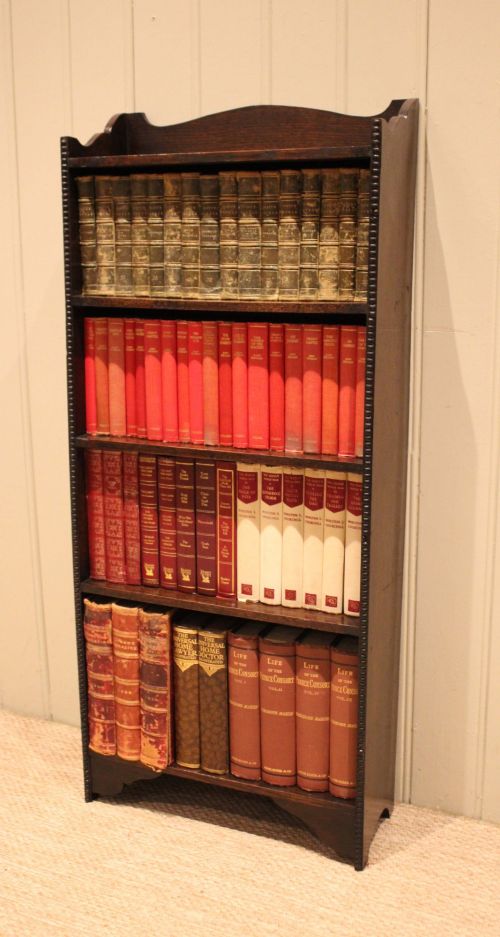
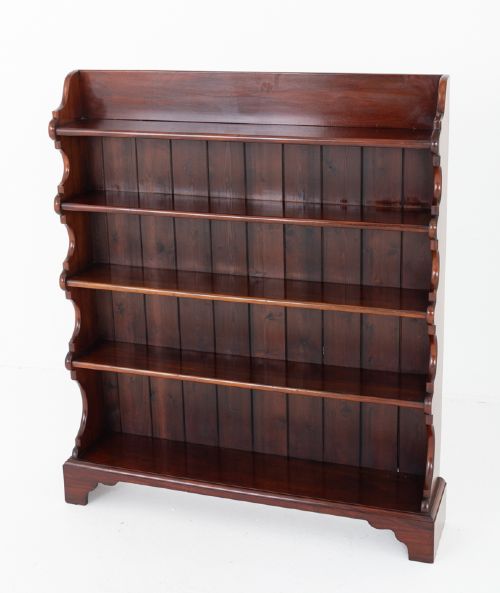
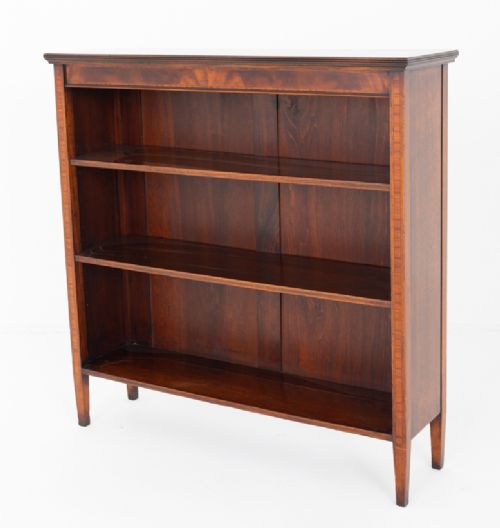
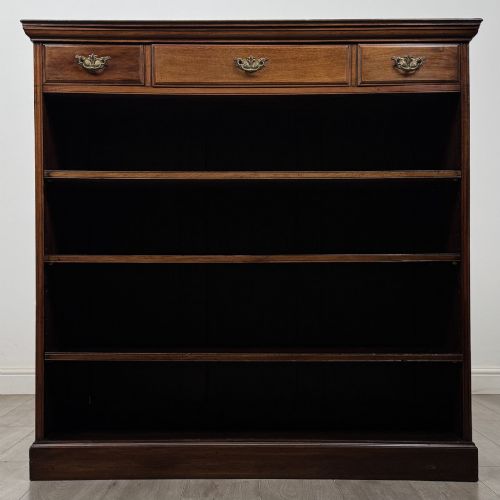
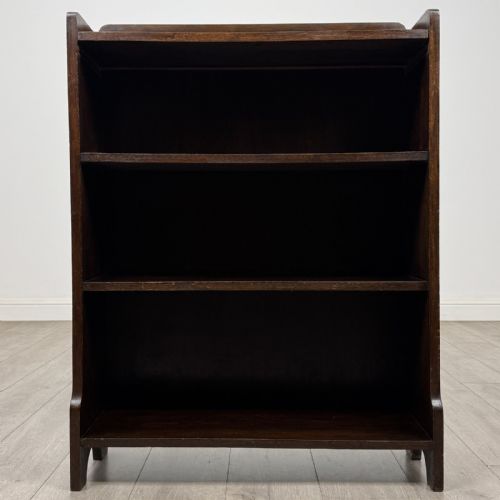
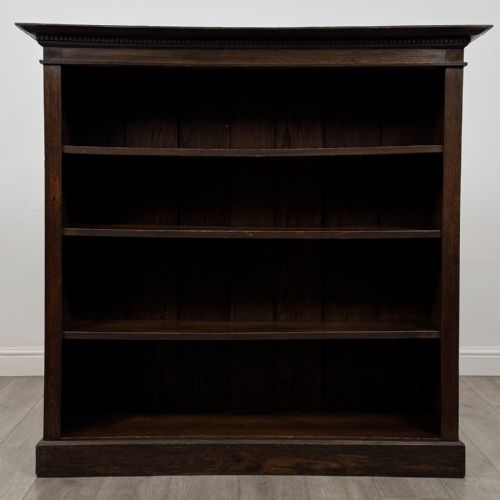
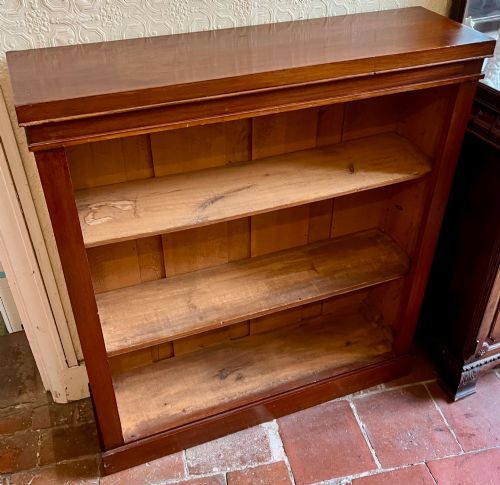
A traditional standing bookshelf provides accessible open storage for volumes, ranging from compact small oak editions to larger mahogany cabinets. Buyers searching for a traditional standing bookshelf encounter open-fronted frameworks designed to stand independently against a wall.
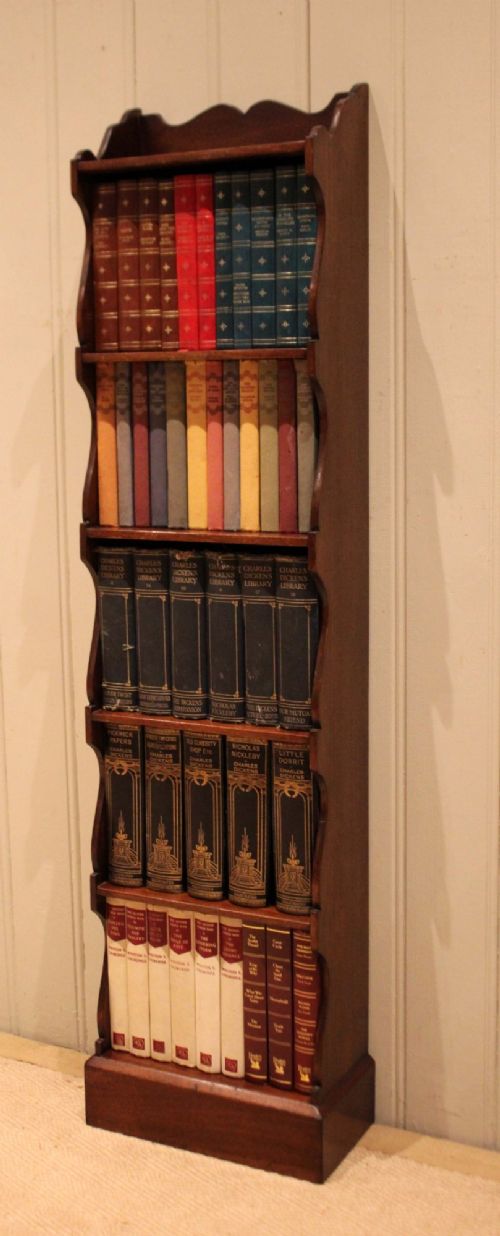
The selections span Victorian, Edwardian, and early 20th century periods, alongside revival styles like Jacobean, Regency, and Georgian. Most pieces utilise straightforward open shelving, though variants incorporate adjustable planks, drawers, or waterfall tiers.
Originating predominantly from the late 19th and early 20th centuries, these items prioritise utility and display. Oak and mahogany appear most frequently, giving buyers durable timber frames suited to domestic libraries and studies.
Materials and construction methods
Makers relied heavily on solid oak and mahogany, applying them to upright freestanding carcases with fixed or adjustable shelves. Grain patterns such as figured walnut and golden oak added visual warmth to the timber surfaces.
Detailing often included beaded edges, carved motifs, and occasional ebonised finishes on timber. Brass hardware appears on fitted components, while structural joints relied on traditional cabinetmaking techniques suited to heavy book storage.
Traditional Standing Bookshelf Retail Price Guide 2026
Typical asking prices for traditional standing bookshelf among the pieces listed under this phrase on Sellingantiques today, from the lower quarter to the upper quarter. They describe what is for sale here now, not the wider market.
Listings feature periods spanning from the Victorian era through the 1930s, constructed predominantly in oak, mahogany, and walnut.
Distinctions in construction and timber selection
Quality rests in the choice of timber and the crispness of execution, distinguishing figured walnut and dense mahogany from standard utility pine or plain wood. Superior examples display careful grain matching across breakfront forms and well-fitted adjustable shelving mechanisms.
The integrity of the standing frame dictates longevity, separating solid, stable carcases from those showing structural fatigue at the base. Refined mouldings and clean beaded edges demonstrate a higher standard of workshop joinery than plain, unadorned utility pieces.
The Traditional Standing Bookshelf Glossary
- Waterfall bookcase
- A tiered shelving unit where each successive shelf steps back from the one below it, creating a cascading silhouette popular in mahogany and yew wood.
- Breakfront
- A piece of furniture whose central section projects forward from the flanking wings, often seen on larger walnut and mahogany bookcases.
- Beaded edge
- A narrow rounded moulding carved along the border of a shelf or frame, adding subtle definition to oak and mahogany structures.
- Open bookcase
- A freestanding storage unit without doors, providing direct access to books across fixed or adjustable timber shelves.
Traditional Standing Bookshelf: Frequently Asked Questions
What is a traditional standing bookshelf?
A traditional standing bookshelf is an independent timber shelving unit designed to rest against a wall without built-in wall fixtures. These pieces provide accessible open storage for books and display items.
Most examples date from the Victorian, Edwardian, and early 20th century periods, constructed in woods like oak and mahogany. They range from slim single-bay units to wider breakfront designs.
How do I care for antique oak?
Antique oak benefits from regular dusting with a dry, soft cloth to prevent particulate buildup on the timber surface. Avoid placing wooden furniture near direct heat sources or in fluctuating humidity.
Periodic application of suitable beeswax helps nourish the grain and maintain a natural sheen. Avoid silicone-based sprays that can penetrate and damage historic finishes.
Are shelves usually adjustable?
Many traditional standing bookshelves feature fixed shelves, though certain Edwardian and 20th century models incorporate adjustable shelving systems. These adjustable versions use wooden support brackets or metal pins to alter tier heights.
Checking the specific listing details reveals whether a unit accommodates varying book heights. Fixed shelves typically offer greater structural rigidity in older oak and mahogany carcases.
How do I identify Edwardian oak?
Edwardian oak furniture often displays a lighter, golden tone compared to the darker finishes common in earlier Victorian pieces. Workshops frequently utilised quarter-sawn oak, which highlights distinctive medullary ray flecks in the grain.
Construction from this era commonly reflects Arts and Crafts simplicity or Georgian revival styles. Pieces from this period generally emphasise clean lines and functional open storage.