
Traditional Side Table Drawer
A traditional side table drawer brings compact utility and period character to a room, offering surface space alongside concealed storage.
Traditional Side Table Drawer
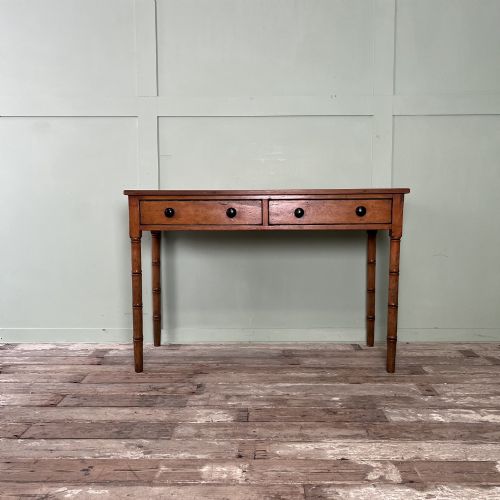
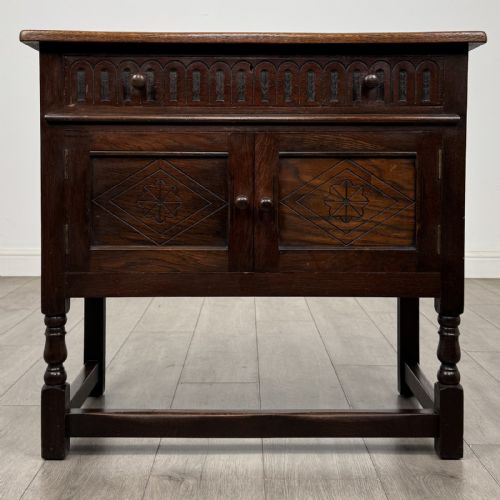
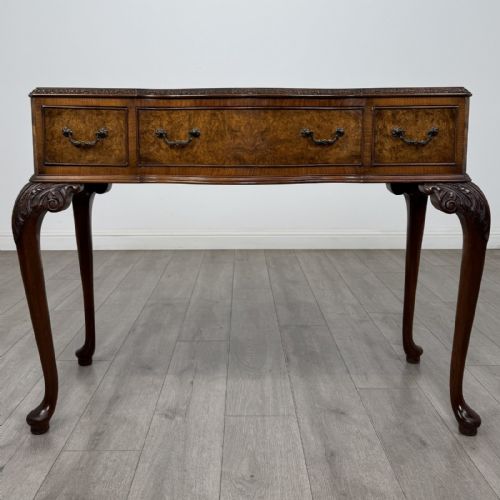
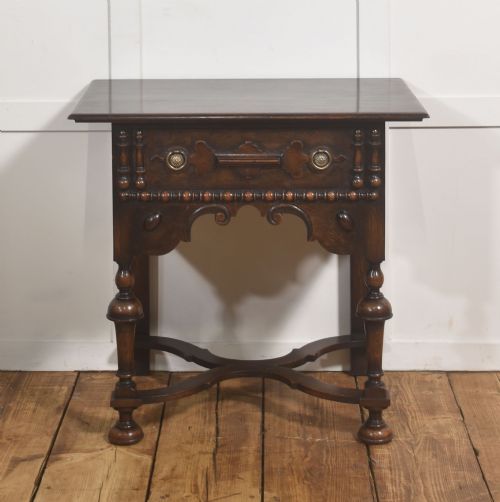
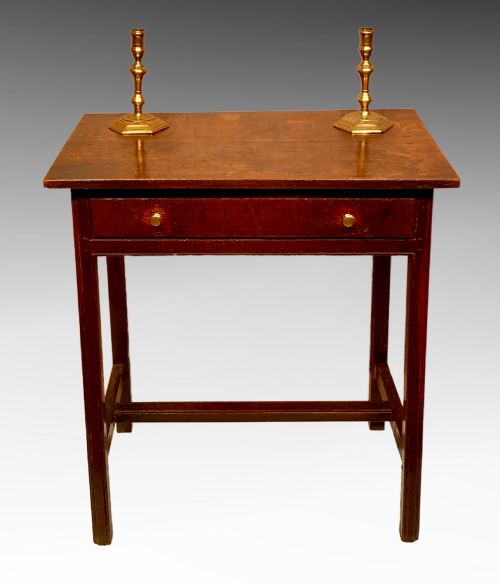
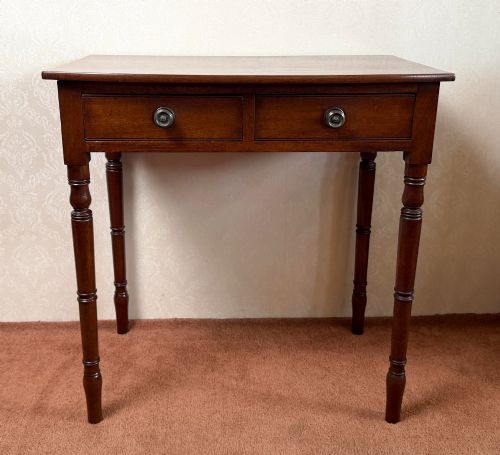
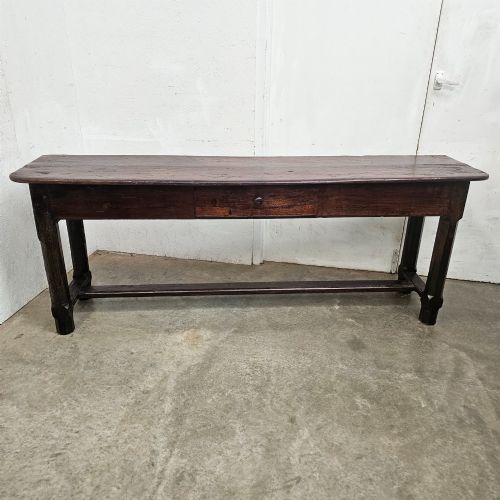
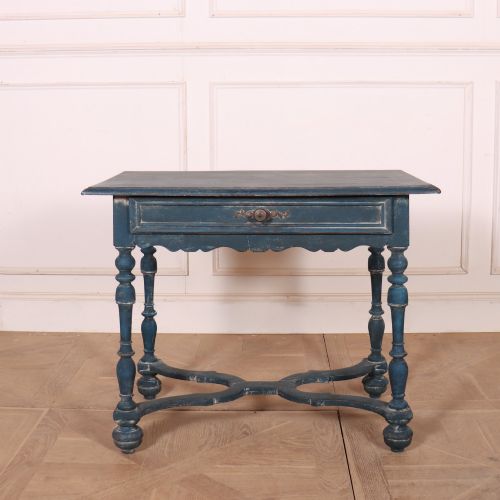
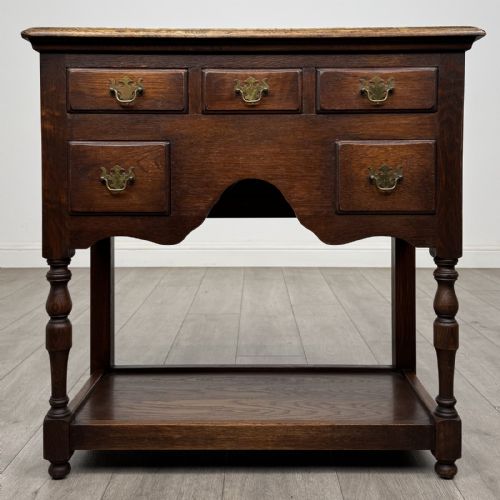
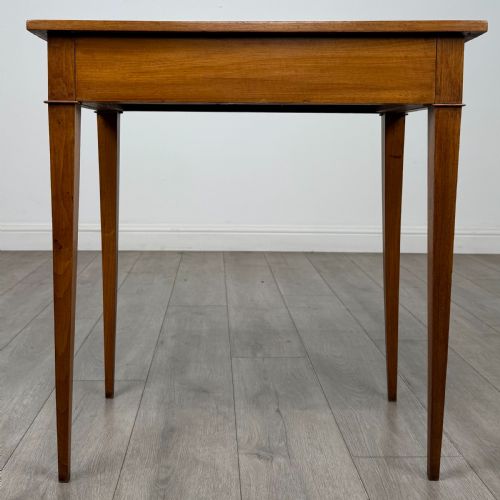
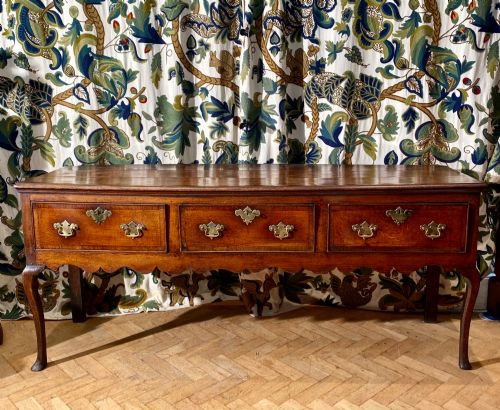
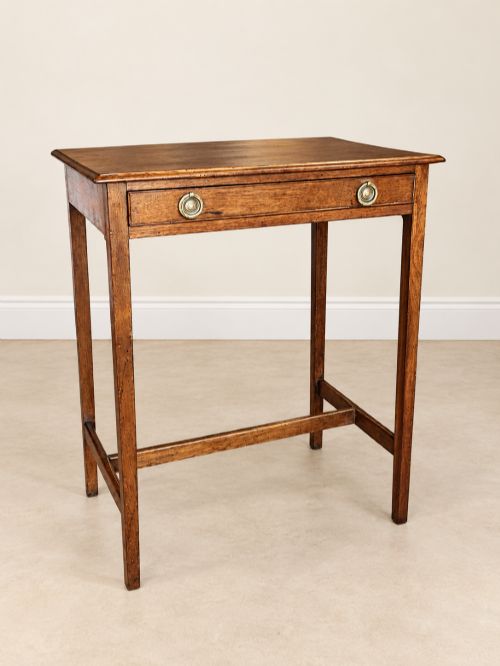
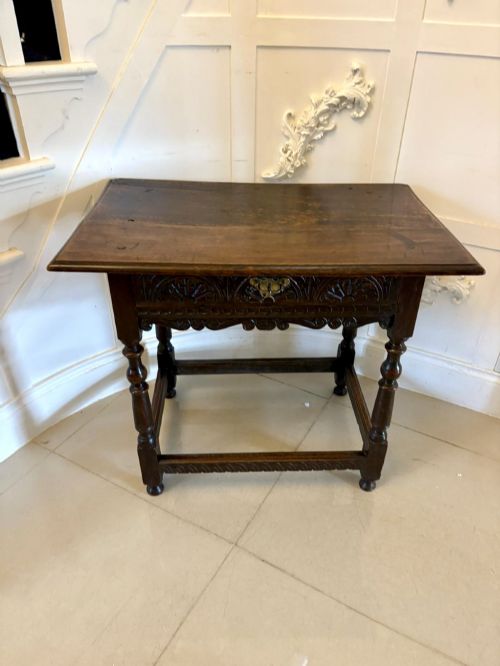
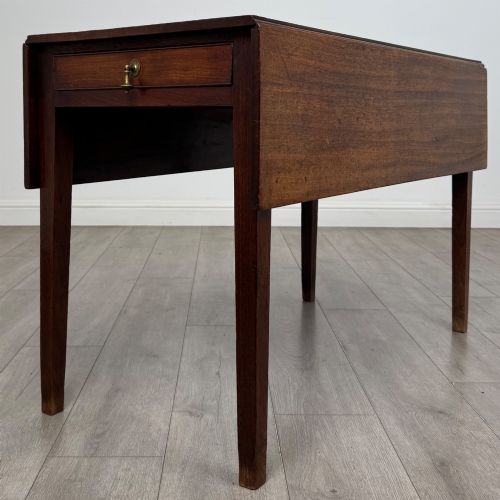
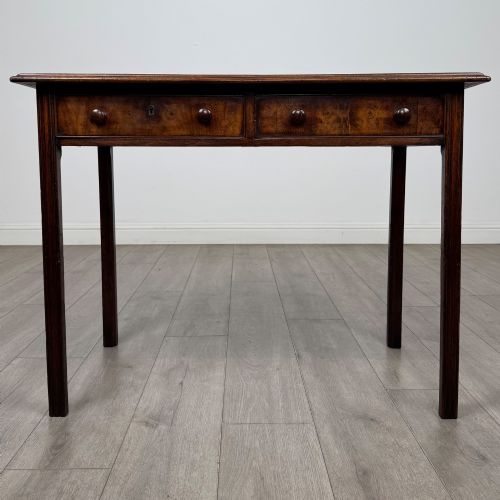
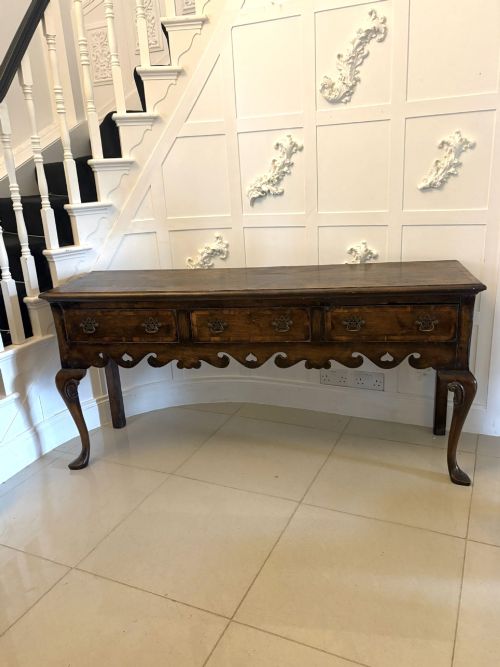
A traditional side table drawer encompasses a broad category of domestic furnishings designed for practical daily use across living spaces, hallways and bedrooms. When searching for a traditional side table drawer, buyers encounter various formats ranging from compact oak lamp tables to larger mahogany writing desks and lowboys.
The pieces available span multiple centuries and stylistic revivals, with particular emphasis on 19th-century designs alongside Edwardian and Georgian examples. Oak and mahogany predominate among these listings, frequently featuring integrated drawers suited for organising small household items.
Makers and craftsmen utilised regional timbers to construct versatile tables that functioned as console surfaces, bedside chests, or writing desks. The selection includes simple farmhouse tables in pine as well as highly figured burr walnut pieces displaying cabriole legs or barley twist supports.
Materials and Construction
Cabinet makers relied heavily on solid hardwoods such as English oak and rich mahogany, alongside softer pine for utilitarian farmhouse pieces. Burr walnut surfaces appeared on finer examples, selected for their intricate grain patterns and decorative visual appeal.
Construction techniques involved traditional joinery methods to house drawers securely within the main frame, often incorporating brass hardware or turned wooden pulls. Tables frequently combined structural oak or pine frames with decorative veneers on primary display surfaces.
Some dairy tables managed to survive centuries of splashing milk without losing their charm.
Distinctions in Standard
Quality separates through the selection of timber and the precision of the cabinetwork, particularly in how smoothly drawers operate within their housings. Superior pieces display thoughtful grain matching and well-executed carved details such as barley twist legs or cabriole supports.
The integrity of the original hardware and the preservation of surface patination distinguish finer examples from standard utilitarian items. Masterful construction ensures that even narrow or small tables retain structural rigidity across decades of daily use.
Gillows
The Traditional Side Table Drawer Glossary
- Lowboy
- A small oak or walnut table with one or more rows of drawers, commonly used as a dressing table or side table in 18th-century interiors.
- Dresser base
- A sturdy lower sideboard structure featuring multiple drawers, typically constructed from solid oak during the Georgian and Victorian periods.
- Cabriole leg
- A furniture leg that curves outward and then tapers inward, inspired by animal limbs and frequently seen on Queen Anne style pieces.
- Barley twist
- A type of turned wooden furniture leg resembling a twisted rope, popular during the 17th century and revived in later periods.
- Partners desk
- A large writing table designed with drawers on opposing sides to accommodate two individuals working face to face.
Traditional Side Table Drawer: Frequently Asked Questions
How were side table drawers used historically?
These tables served multiple domestic purposes, holding writing materials in studies, linens in bedrooms, or everyday items in hallways. Their integrated drawers provided discreet storage while the top surface held lamps or decorative objects.
Over successive periods, households adapted these versatile pieces to suit changing daily routines. They moved freely between reception rooms, dining areas, and sleeping quarters as required.
What woods should I expect to find?
Oak and mahogany form the foundation of the majority of these listings, chosen for their durability and attractive natural grain. Pine appears frequently in regional farmhouse pieces, offering a lighter alternative.
Finer decorative items utilise burr walnut veneers to create striking patterns on tabletops and drawer fronts. Brass fittings often complement these darker hardwoods.
How do I date a traditional table?
Dating relies on observing construction methods, timber choices, and stylistic traits associated with specific eras like the Georgian or Edwardian periods. Tool marks, joint types, and secondary woods offer physical clues to the decade of manufacture.
Revival styles can sometimes complicate dating, as Edwardian makers frequently copied earlier Queen Anne or Georgian forms. Examining the interior construction of the drawer helps clarify its true age.
How do I care for antique wooden tables?
Maintain timber surfaces by dusting regularly with a dry cloth and avoiding placement near direct heat sources or strong sunlight. Natural waxes applied sparingly will nourish the wood and preserve the historic finish.
Protect the surface from moisture by using coasters under drinks and placing protective pads beneath heavy decorative objects.