






Traditional Scottish Furniture
Traditional Scottish furniture spans robust vernacular seating and refined mahogany cabinetry from the eighteenth century to the twentieth century.
Traditional Scottish Furniture
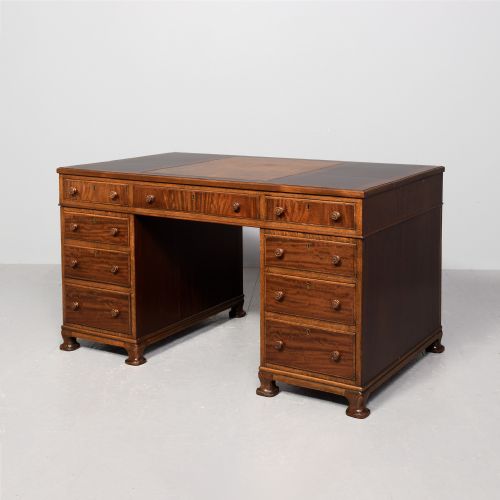
Traditional Scottish furniture covers a wide span of domestic items, from utilitarian pine shoe racks and farmhouse dresser bases to grand mahogany desks and library tables. Buyers seeking traditional Scottish furniture will frequently encounter nineteenth century pieces alongside twentieth century designs by notable Edinburgh makers.
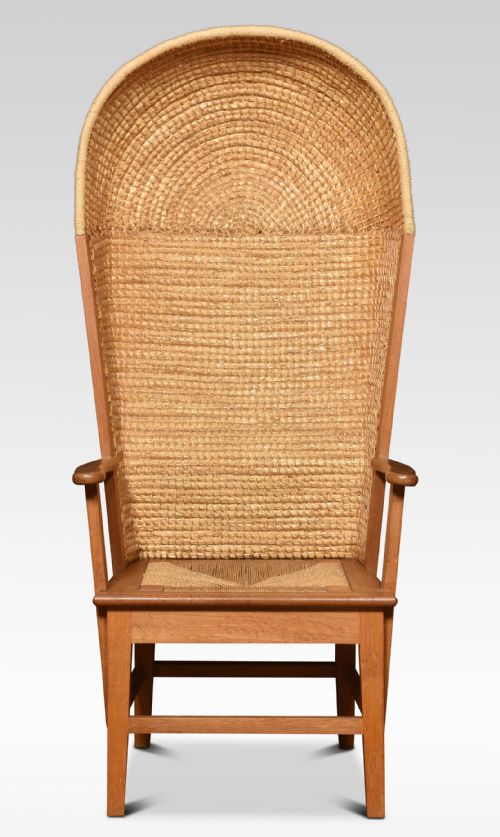
Regional forms hold a distinct place in this category, notably Orkney chairs with their characteristic straw backs and Fair Isle crofter armchairs. These pieces reflect domestic life in northern and island communities, utilising native materials suited to local conditions.
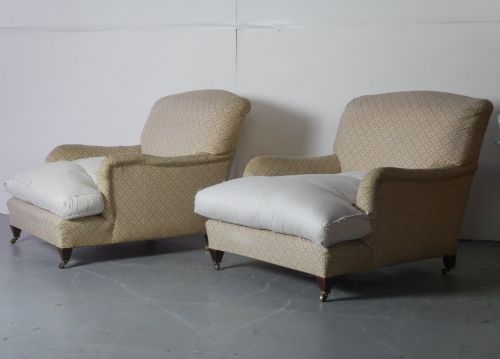
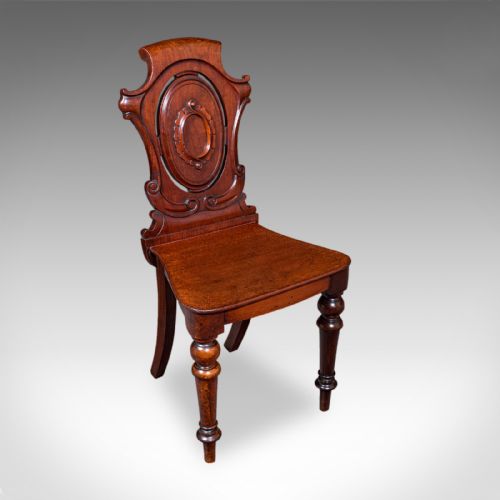
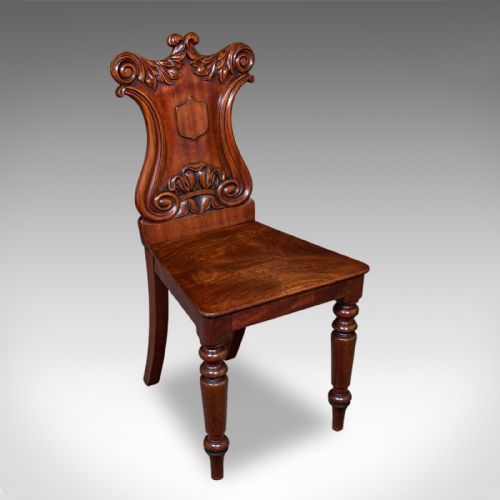
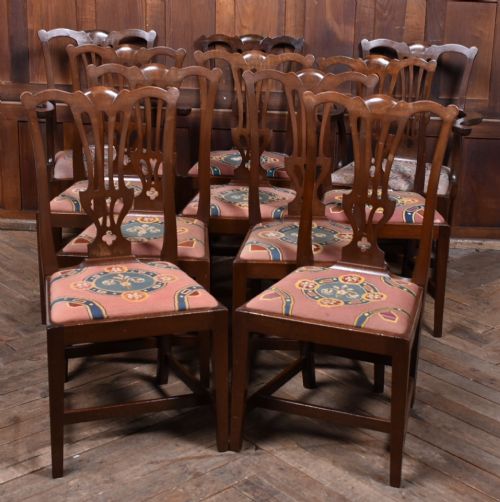
Formal seating and case furniture also feature strongly, including sets of dining chairs, hall chairs, and walnut chests of drawers. Victorian examples mingle with Georgian revivals and Edwardian pieces, showing both country house scale and urban cabinet making.
How traditional Scottish furniture was made
Makers relied heavily on native timbers such as oak, pine, and walnut, alongside imported mahogany for finer urban commissions. Straw was woven for specific regional seating forms like the Orkney chair, while brass hardware often finished desks and chests of drawers.
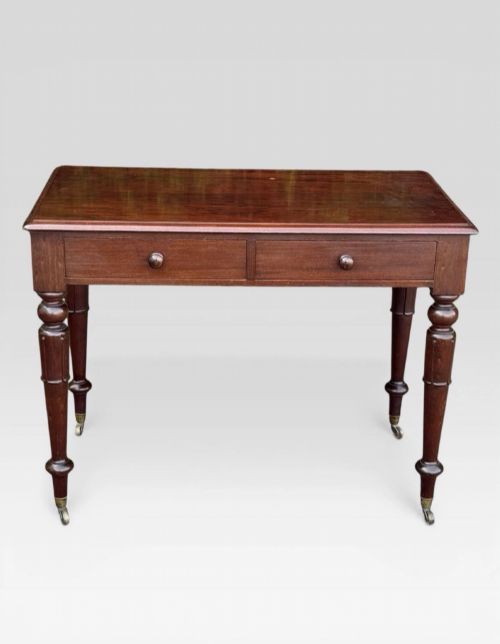
Construction methods combined sturdy vernacular joinery with sophisticated cabinet making techniques seen in pieces by firms like Whytock and Reid or Morison and Co. Crossbanding and specialised turning distinguished finer tables and desks from simpler farmhouse storage bases.
Traditional Scottish Furniture Retail Price Guide 2026
Typical asking prices for traditional scottish furniture among the pieces listed under this phrase on Sellingantiques today, from the lower quarter to the upper quarter. They describe what is for sale here now, not the wider market.
Listings span periods from the eighteenth century through the Victorian era to the nineteen thirties, utilising mahogany, oak, pine, walnut, and straw.
What varies in quality
Quality separates everyday utility pieces from high status commissions through the selection of timber, such as figured mahogany or well chosen walnut, and the precision of the cabinet work. Maker attribution through stamps or labels also elevates certain desks, armchairs, and tables above standard workshop production.
Proportion and decorative restraint dictate the distinction in vernacular items like dresser bases and Orkney chairs. The integrity of regional weaving techniques and original timber frames determines the standing of rural pieces within the broader tradition.
Whytock and Reid·Morison and Co·J A Mein·Wheelers of Arncroach·R H and J Simpson
The Traditional Scottish Furniture Glossary
- Potboard dresser base
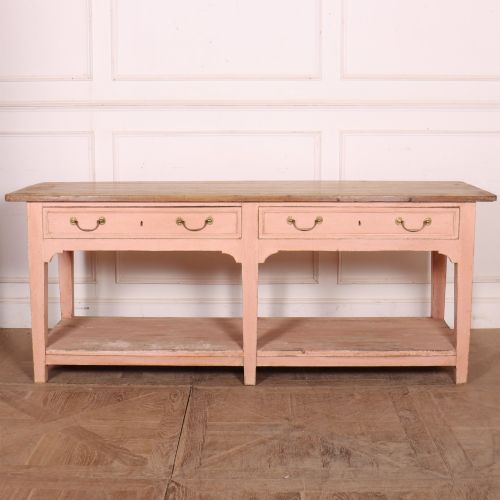
- A kitchen or dining storage unit featuring an open lower shelf for pots and pans beneath drawers or cupboards. These heavy pine and oak pieces formed the heart of the traditional farmhouse interior.
- Orkney chair
- A distinctive regional armchair featuring a low wooden frame with a high, woven oat straw back. They were designed to protect the sitter from draughts in exposed island homes.
- Crofter armchair
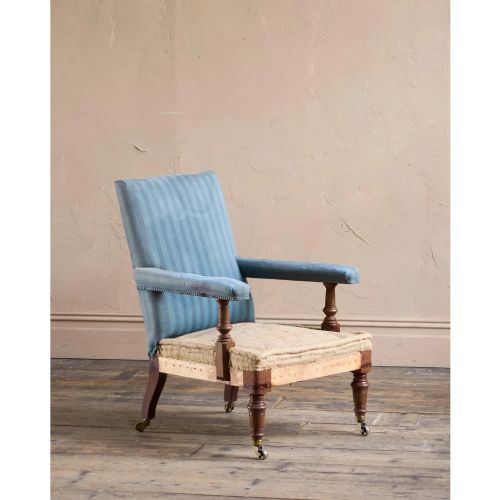
- A simple vernacular seat originating from rural communities, built for daily domestic use. They demonstrate straightforward local woodworking traditions without urban ornamentation.
- Crossbanding
- A decorative technique where a border of veneer is applied to the edges of a table top or drawer front with the grain running perpendicular to the main surface. This highlights the outline of fine mahogany and walnut case pieces.
- Shield back
- A chair back design shaped like a classical shield, popular in late eighteenth century and revival dining and hall chairs. It requires skilled joinery to achieve the curved upper rail.
Traditional Scottish Furniture: Frequently Asked Questions
How do I identify Scottish furniture?
Scottish furniture is often identified through specific regional forms like potboard dresser bases and crofter armchairs, alongside maker stamps from Edinburgh firms. Woods such as native oak and Scots pine frequently point to local manufacture.
Cabinet work from the nineteenth and twentieth centuries may also carry labels or stamps from workshops such as Whytock and Reid. Comparing construction methods to known urban and rural styles helps confirm origin.
Where were these pieces used?
These items served various roles across Scottish society, from rural crofts and farmhouses to grand country estates and Edinburgh townhouses. Dresser bases and pine shoe racks equipped domestic kitchens and utility spaces.
Meanwhile, large mahogany desks, pedestal tables, and sets of dining chairs furnished formal reception rooms and libraries. Vernacular seating like Orkney chairs found a place by the hearth in exposed northern dwellings.
How do I care for traditional timber furniture?
Traditional timber furniture requires stable environmental conditions away from direct heat sources and dramatic humidity fluctuations. Regular gentle dusting preserves the finish of mahogany, oak, and walnut surfaces.
A light application of appropriate wax polish helps nourish older wood without building up heavy residues. Careful handling of woven straw components on regional chairs ensures their long term survival.