







Traditional Post Bed
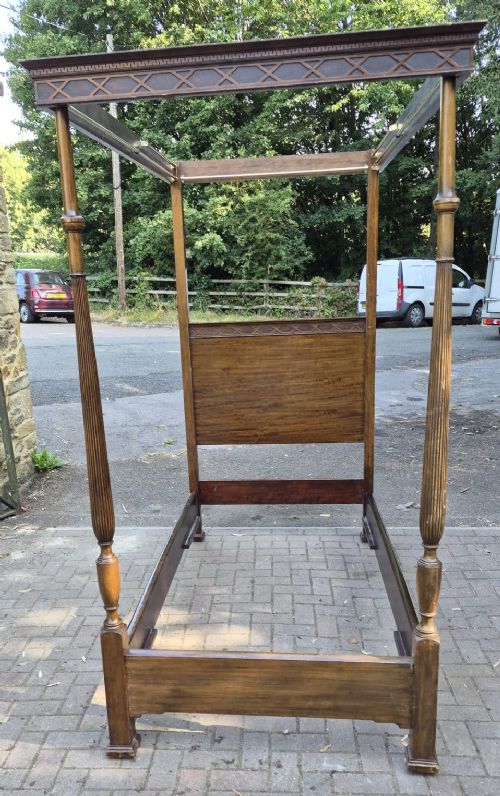
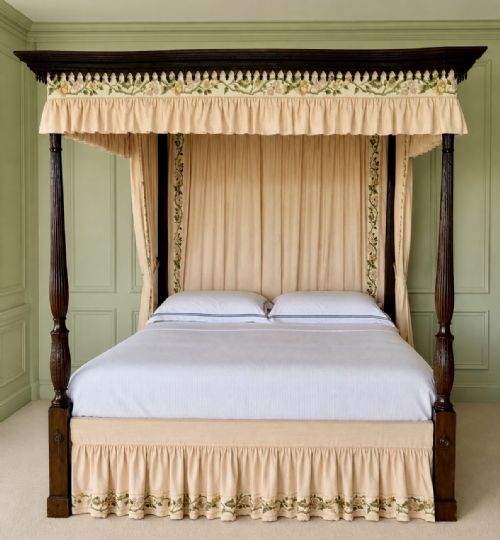
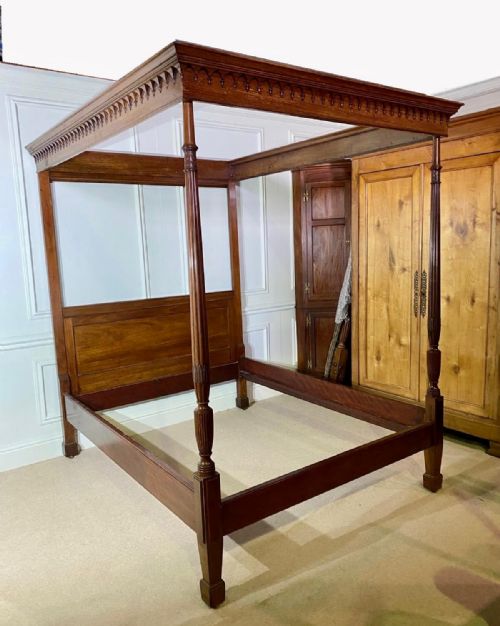
These traditional post bed examples bring architectural presence to a bedroom, pairing substantial timber frames with classic upright posts.
Traditional Post Bed
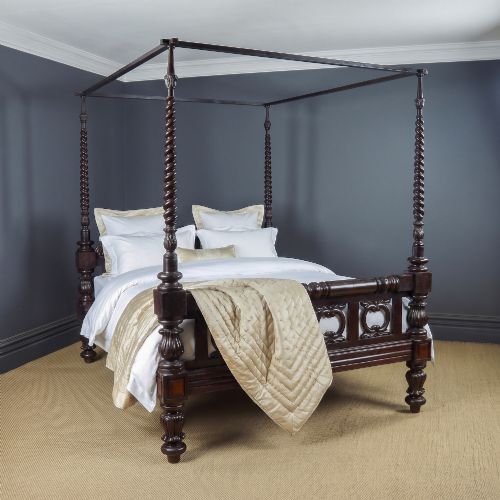
A traditional post bed provides a grand focal point for the sleeping quarters, rooted in historical cabinet-making traditions from the Georgian, Regency, and Victorian eras. These substantial frames establish a strong vertical element in a room, often taking the form of four poster beds, tester beds, or variations featuring pronounced upright posts.
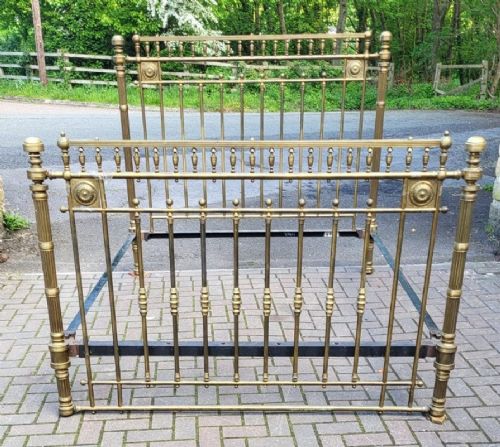
Buyers browsing this selection will frequently encounter mahogany and timber constructions from the nineteenth century, alongside later revivals reflecting Georgian or Regency tastes. The inventory also includes brass and iron interpretations from the later Victorian period, plus occasional colonial, Anglo-Indian, and folk-art related pieces.
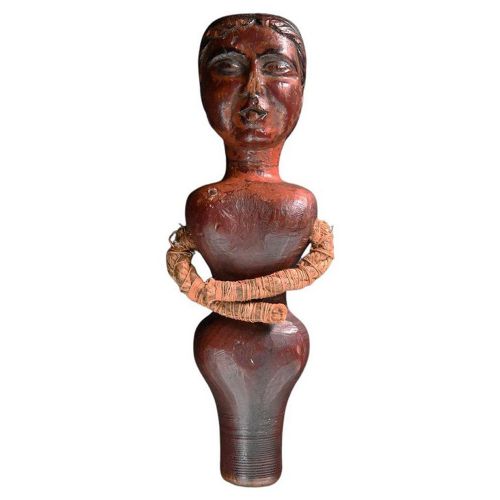
Beyond standard bed frames, the category encompasses related forms such as single bedheads and sculptural bedpost figures. Most pieces reflect traditional British or colonial furniture-making practices, balancing functional sleep support with decorative presence.
Materials and construction methods
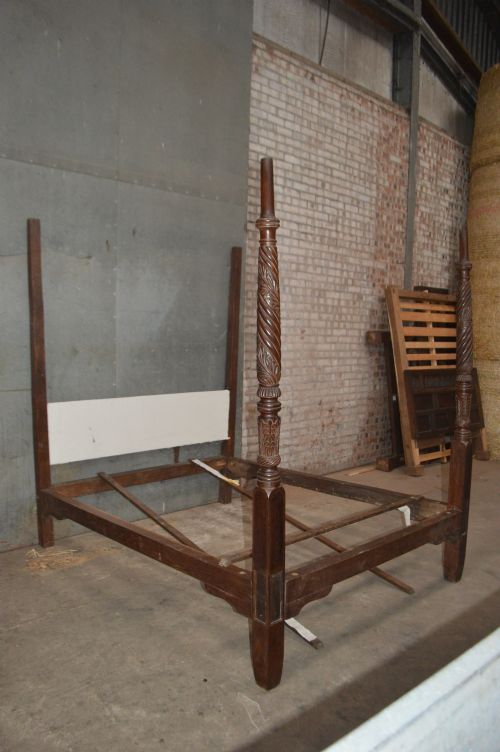
Makers relied heavily on dense hardwoods like mahogany and tiger maple, utilising timber's natural strength to support tall, upright posts and overhead testers. Carved wood details were executed by hand, creating fluted, reeded, or panelled surfaces on the structural uprights.
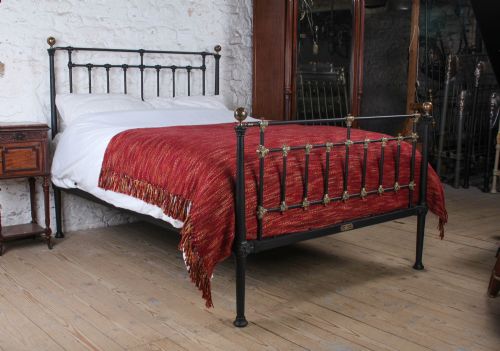
Metal alternatives emerged through the use of brass and iron, particularly in later nineteenth-century examples featuring tapered posts and exposed metal components. Fabric and textiles were frequently integrated to dress the testers and headboards, complementing the painted or polished wood finishes.
Traditional Post Bed Retail Price Guide 2026
Typical asking prices for traditional post bed among the pieces listed under this phrase on Sellingantiques today, from the lower quarter to the upper quarter. They describe what is for sale here now, not the wider market.
A solitary carved bedpost figure stands ready to hold up the ceiling entirely on its own terms.
Distinguishing quality in construction
The standard of a traditional post bed is dictated by the depth of timber selection and the execution of carved elements on the posts. Superior examples display crisp, deliberate carving and stable joinery that maintains structural integrity across large tester frames.
Proportion and scale distinguish finer iterations, where the relationship between the height of the posts and the breadth of the frame remains balanced. The integration of secondary materials, from quality brass fittings to appropriate textile elements, further separates standard pieces from exceptional ones.
Howard and Sons·Winfield
The Traditional Post Bed Glossary
- Tester
- The overhead canopy frame supported by the upright posts of a bed. This wooden or fabric-covered structure defines the classic four poster design.
- Four poster bed
- A bed featuring four vertical columns at each corner that support a canopy or tester frame. These pieces dominate the bedroom space with architectural scale.
- Anglo-Indian
- Furniture made in the Indian subcontinent during the British colonial period, often combining local dense timbers with traditional European forms.
- Tiger maple
- A decorative timber showing distinct transverse stripes resembling tiger stripes. It was favoured by American and British makers for figured grain surfaces.
- Regency style
- A design aesthetic reflecting the British Regency era, characterised by classical restraint, proportion, and influence from ancient Roman and Greek forms.
Traditional Post Bed: Frequently Asked Questions
How do I fit a modern mattress?
Many historical frames require custom mattress sizing or internal slat adjustments to accommodate contemporary dimensions securely.
Consulting with a specialist carpenter ensures the internal rails support modern weights without altering the visible exterior structure.
Are these beds easy to assemble?
Traditional frames utilise heavy timber posts and side rails connected by historical bolt systems or joint pins. Assembly requires patience and multiple pairs of hands to balance the upright posts and tester canopy.
Professional installation is often recommended to ensure the frame remains square and structurally stable.
How do I care for mahogany posts?
Maintain polished mahogany surfaces with gentle dusting using a soft, dry cloth to preserve the natural timber grain. Avoid placing the frame near direct heat sources or strong sunlight to prevent wood shrinkage and finish fading.
Applying appropriate wax feeds the timber periodically without building up excessive residue.
What is the difference between Georgian and Victorian styles?
Georgian designs emphasise classical proportion, restrained carving, and rich mahogany tones derived from eighteenth-century architectural principles. Victorian iterations often increase the scale, incorporating heavier mouldings, bolder turned posts, and occasionally mixed metal elements.
Revival pieces from the late nineteenth century frequently blend these historical design vocabularies.