



Traditional Pine Coffee Table
These traditional pine coffee table pieces combine sturdy timber construction with utilitarian history, giving living spaces warmth and practical surface area.
Traditional Pine Coffee Table
A traditional pine coffee table brings rustic charm into modern rooms through low-slung timber forms. Buyers searching for a traditional pine coffee table encounter sturdy tables alongside converted blanket boxes, chests, and low work tables adapted for daily living.
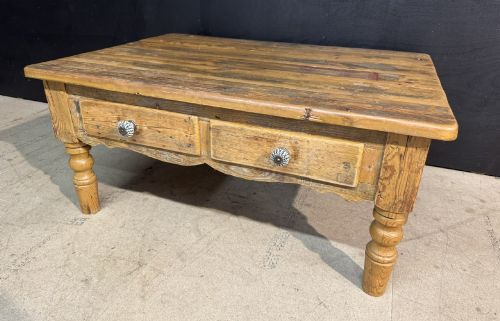
The pieces on this page span the nineteenth century, Edwardian era, and early twentieth century. Common formats include turned leg designs, low rustic tables, and painted surfaces originating from English country and farmhouse traditions.
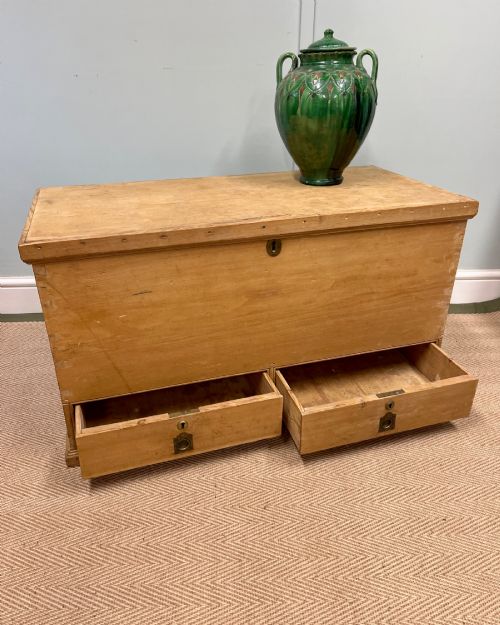
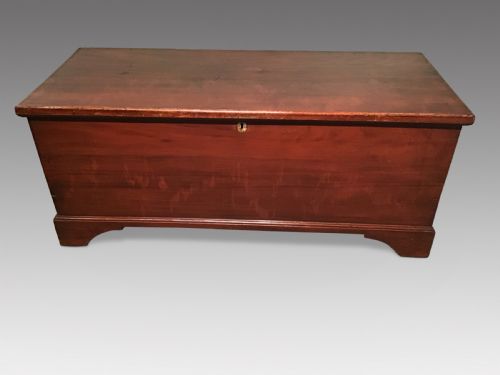
Many items begin life as carpenter's chests, blanket boxes, or work tables before finding new purpose as coffee tables. This adaptive history means proportions vary from long bench-like trunks to square proportions suited to sitting areas.
Materials and construction methods
Construction relies primarily on solid pine timber, selected for its workable grain and durability. Workshops join structural elements using traditional joinery appropriate for utilitarian furniture intended for heavy daily use.
Surface finishes range from simple wax polish that highlights the natural wood to original paint layers that record decades of domestic or workshop life. Metal details such as brass or iron handles, hinges, and corner brackets appear on pieces adapted from storage trunks and tool chests.
Turned wooden legs provide support on dedicated tables, whilst box forms rely on solid plank sides and bracket feet. The working history of these pieces often leaves visible tool marks and surface wear that demonstrate authentic period craftsmanship.
Traditional Pine Coffee Table Retail Price Guide 2026
Typical asking prices for traditional pine coffee table among the pieces listed under this phrase on Sellingantiques today, from the lower quarter to the upper quarter. They describe what is for sale here now, not the wider market.
Some tables began working life as carpenter's tool chests before retiring to hold tea cups.
Assessing quality in period pine
Quality rests upon the integrity of the timber and the honesty of the conversion from storage piece to table. Tables retain greater appeal when structural alterations respect the original proportions and character of the wood.
The condition of the surface finish dictates visual success, distinguishing between honest patination earned through decades of use and heavy-handed modern intervention. Original paint layers and traditional wax finishes command attention for their visual depth.
Hardware details such as original brass or iron fixtures elevate the execution of storage conversions. Well-executed examples balance the utilitarian roots of a carpenter's chest or blanket box with stable height and surface utility.
The Traditional Pine Coffee Table Glossary
- Pine
- A softwood timber widely utilised in British vernacular furniture for its accessibility and strength. It takes wax and paint finishes readily, developing a deep patina over centuries.
- Patina
- The surface sheen and colour acquired by wood through age, handling, and regular polishing. It serves as a visual indicator of authenticity and careful stewardship.
- Blanket box
- A deep storage chest traditionally used for linens and textiles, frequently converted into a coffee table due to its convenient flat top and substantial proportions.
- Turned leg
- A structural support shaped on a lathe to create decorative cylindrical or bulbous profiles. This method appears frequently on nineteenth-century tables.
- Carpenter's chest
- A robust wooden storage trunk built for transporting tools, often fitted with internal compartments and robust iron or brass hardware.
Traditional Pine Coffee Table: Frequently Asked Questions
Are these coffee tables converted from old chests?
Many items listed originate as Victorian or Edwardian blanket boxes, tool trunks, or work tables rather than purpose-built coffee tables. Carpenters and modern handlers adapt these low storage pieces to serve living rooms while preserving their original timber and hardware.
This adaptive history explains why some examples feature hinged lids, internal compartments, or robust iron and brass handles alongside standard table heights.
How do I care for a waxed pine table?
Maintain waxed pine surfaces by applying a traditional beeswax polish when the timber begins to look dry or dull. Buffing the wood regularly preserves the soft sheen and protects the grain from moisture and daily wear.
Avoid placing hot cups or wet items directly on the bare timber to prevent marking the historic wax finish.
How can I date a pine table?
Dating relies on examining construction marks, timber characteristics, and hardware styles across the piece. Nineteenth-century examples often display hand-cut joinery and aged iron fittings, whilst Edwardian pieces show shifts in manufacturing methods.
The presence of original paint or early wax polish further helps anchor a piece within the Victorian or twentieth-century timeline.
What is a pig scratch table?
A pig scratch refers to a specific regional or vernacular form of rustic table associated with nineteenth-century farmhouse settings. These pieces feature simple, utilitarian construction intended for heavy agricultural or domestic work.
Today, their low profiles and robust pine construction make them sought-after alternatives to standard coffee tables.