


Traditional Painting Stand
These pieces known as a traditional painting stand appear across periods from the Georgian era through the Victorian and Edwardian years in wood, brass, and iron forms.
Traditional Painting Stand
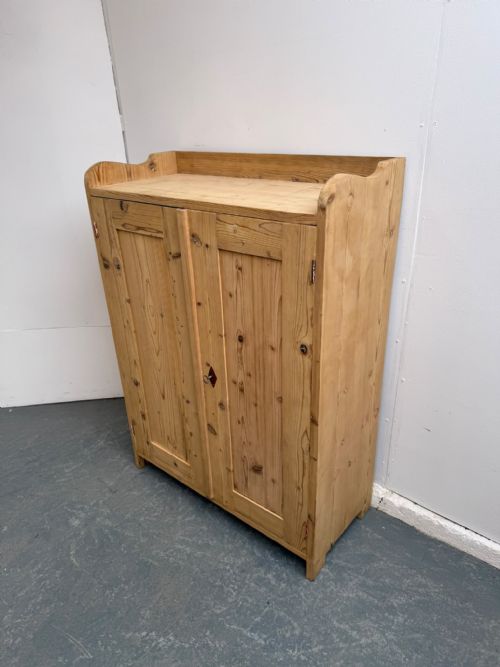
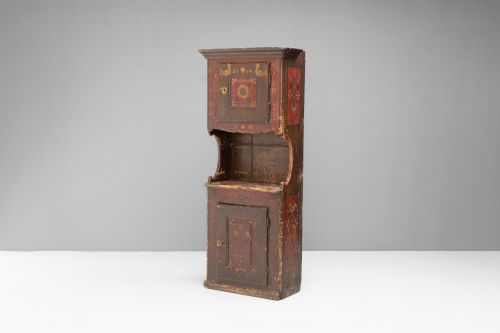
A traditional painting stand covers a diverse assortment of furniture items, clocks, and household accessories found across Georgian, Victorian, and Edwardian periods. Buyers searching for this phrase encounter various wooden and painted objects rather than a single uniform category of artist equipment.
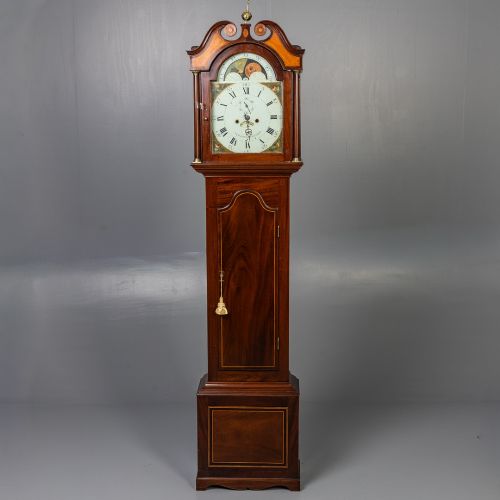
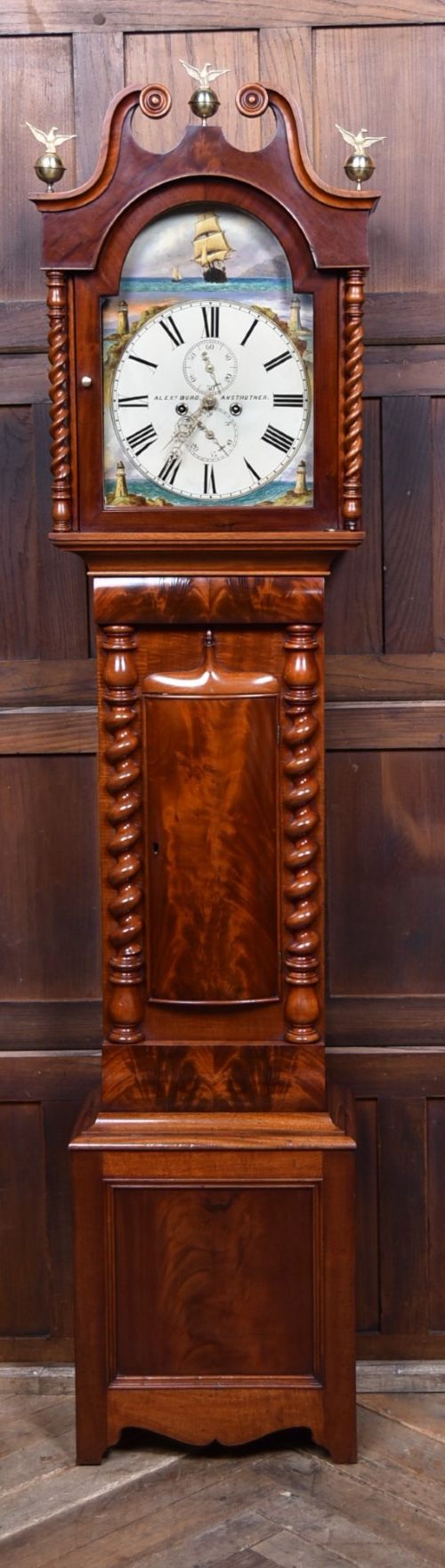
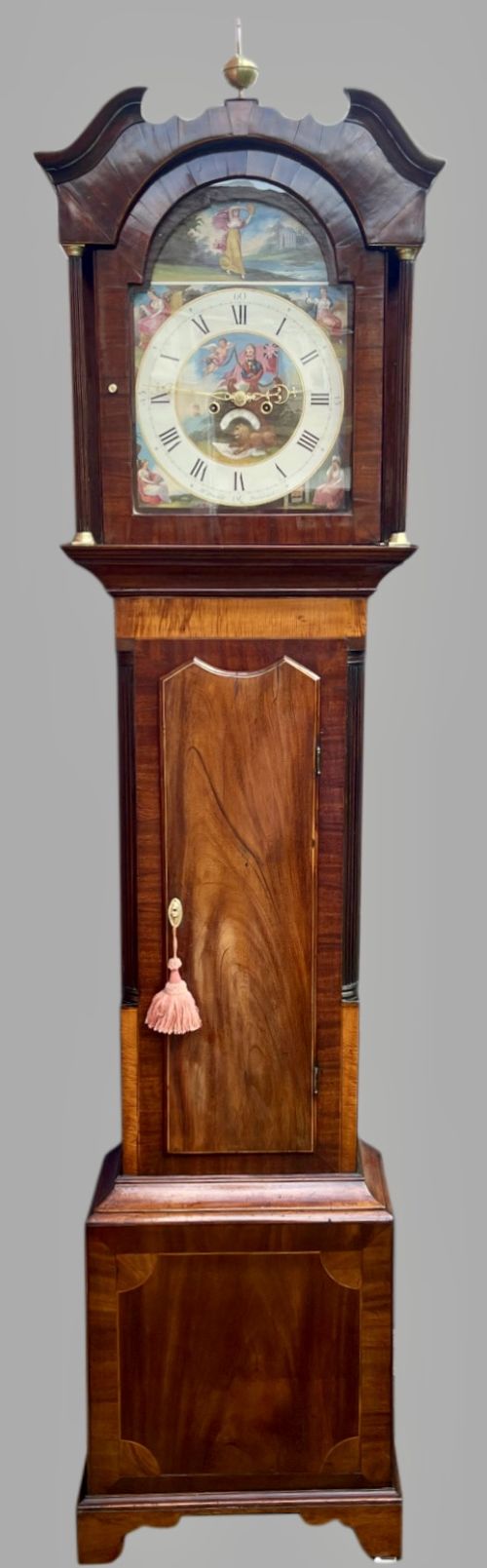
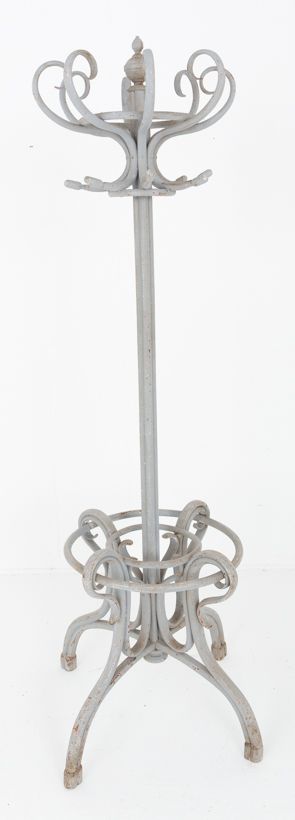
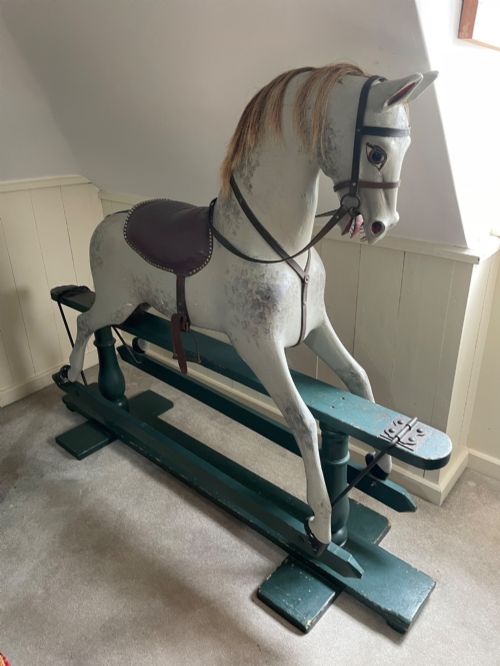
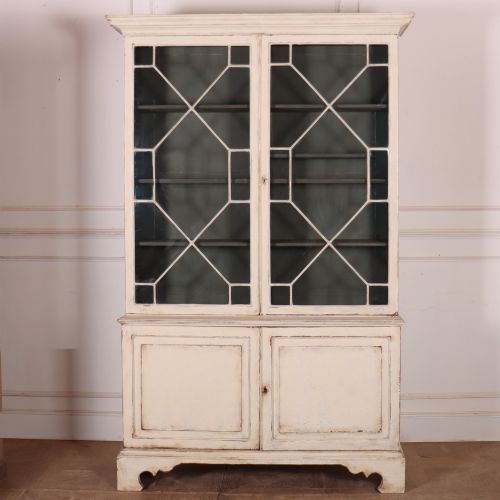
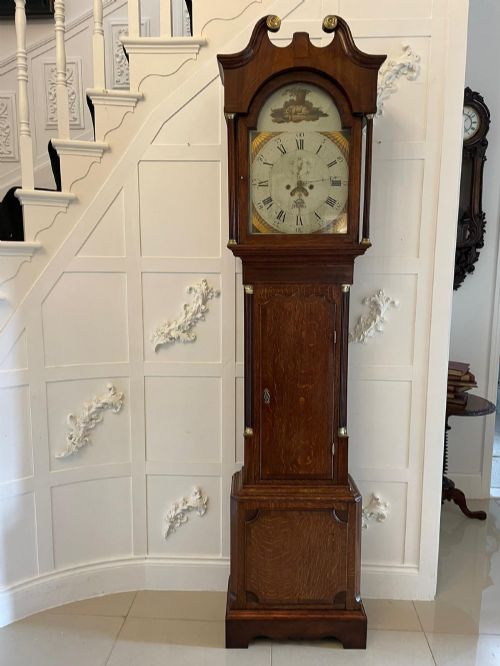
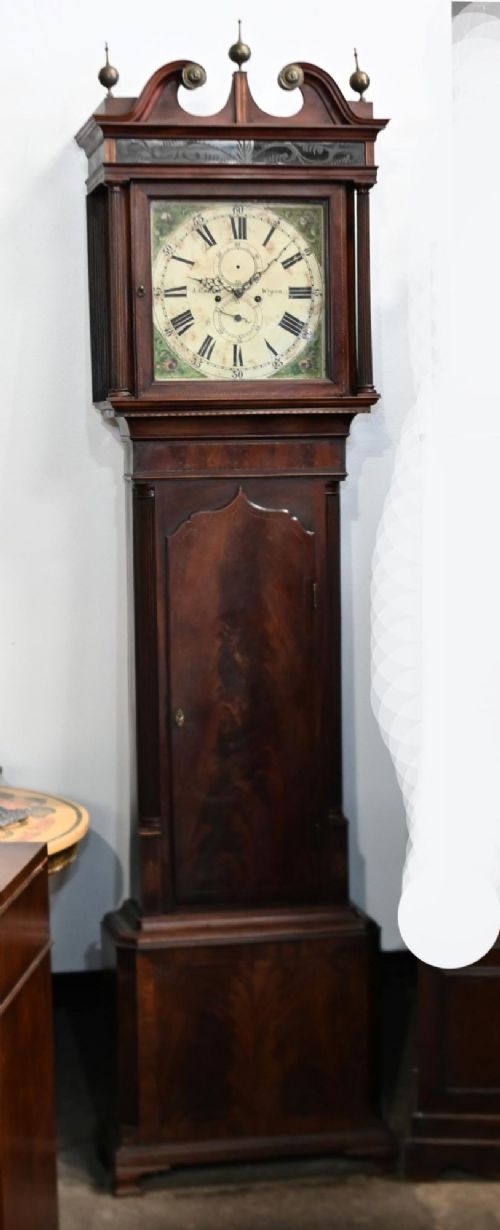
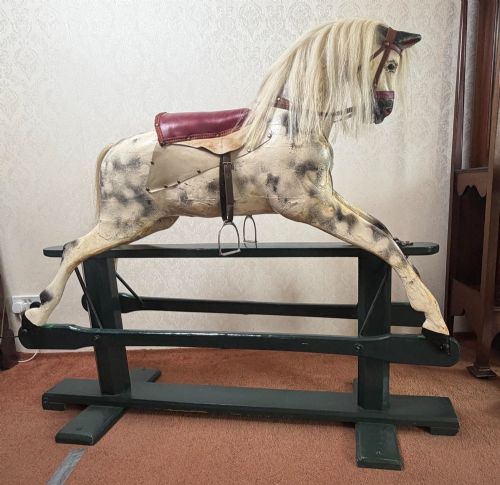
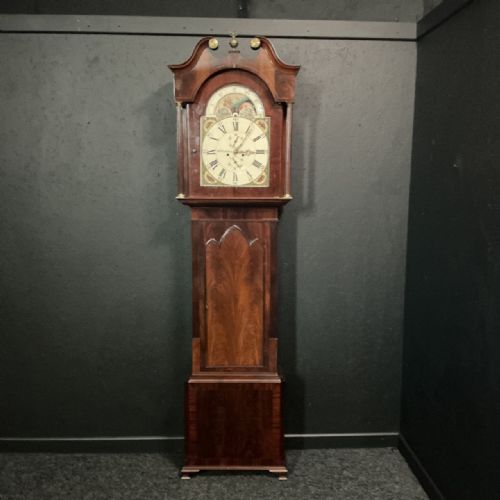
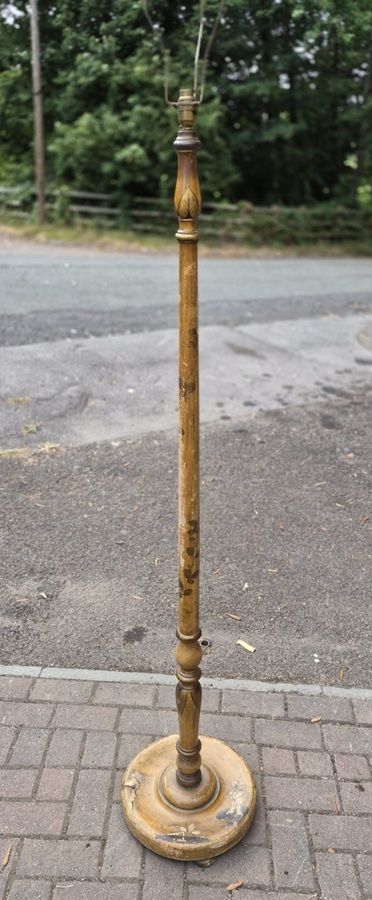
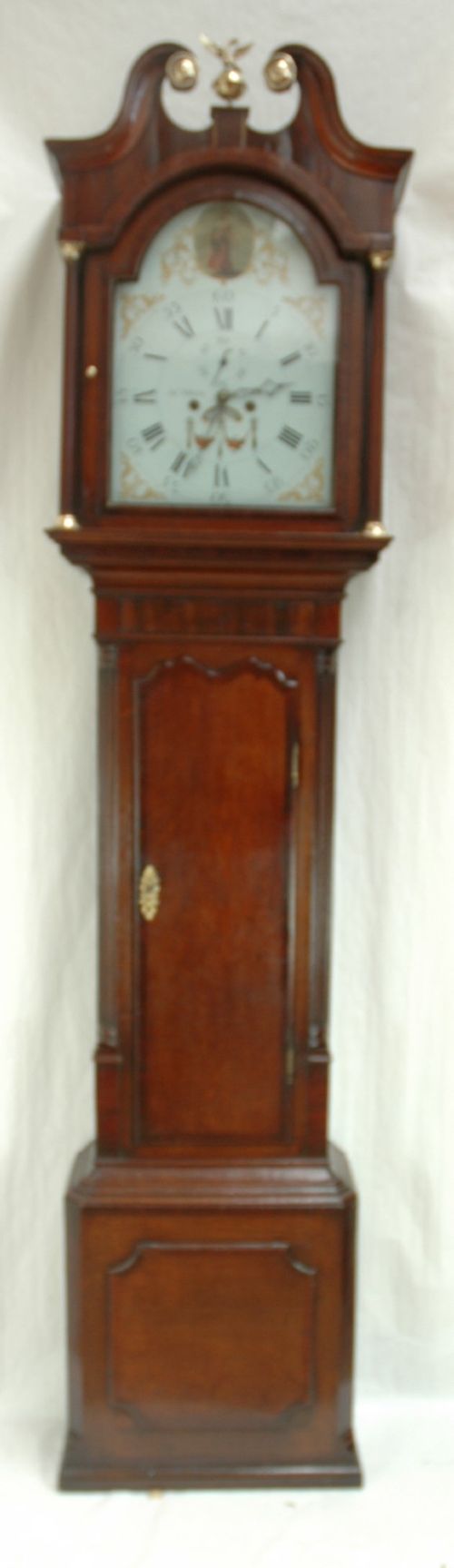
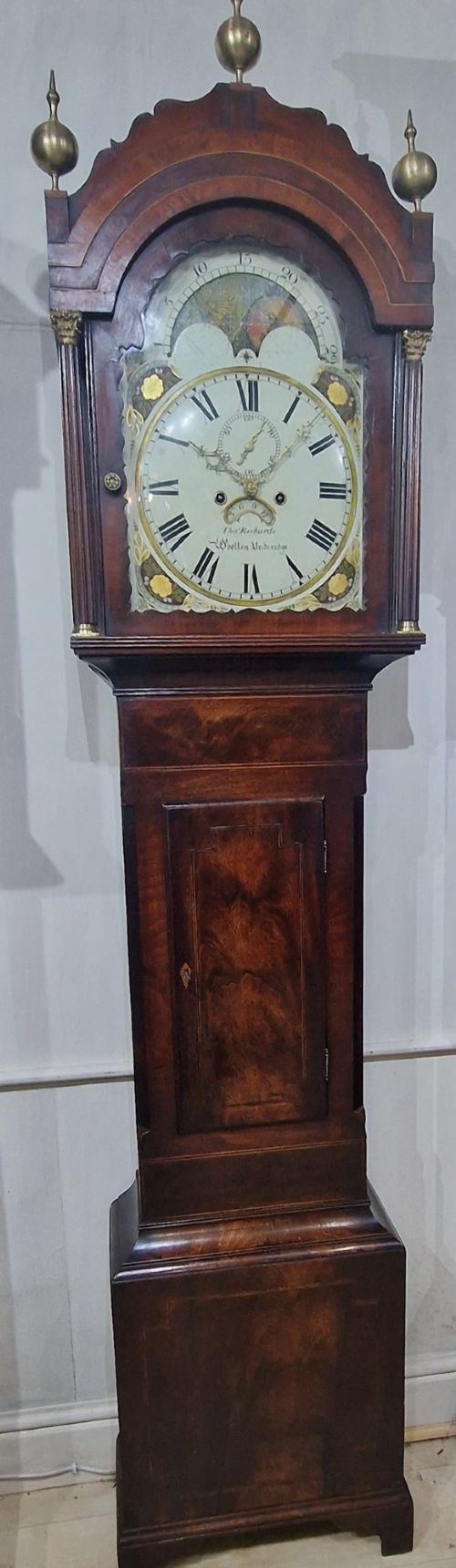
The items span practical household forms including longcase clocks, rocking horses, bookcases, umbrella stands, floor lamps, and storage cupboards. Mahogany and oak pieces dominate the selection alongside painted finishes and occasional brass details.
Origin variations include English, Scottish, Dutch, and Scandinavian pieces reflecting regional cabinet-making traditions from the eighteenth to the twentieth centuries.
Materials and construction methods
Makers utilised solid timbers such as mahogany and oak, frequently combining them with glass panels, iron hardware, and brass fixtures. Surfaces often display original paint, ebonised treatments, or polished wood grains.
Joinery techniques span traditional cabinet-making practices seen in clock cases, bookcases, and framed stands dating from the eighteenth century onward.
Traditional Painting Stand Retail Price Guide 2026
Typical asking prices for traditional painting stand among the pieces listed under this phrase on Sellingantiques today, from the lower quarter to the upper quarter. They describe what is for sale here now, not the wider market.
Several rocking horses preserve their original rockers, ready to gallop straight out of the nineteenth century.
Distinctions in quality
Quality rests on the integrity of the original materials, the skill of the carving or inlay work, and the survival of early or original painted finishes. Pieces retaining their original rockers, glazing, or movement components sit higher in the range.
Proportion and regional craftsmanship set finer examples apart from standard utility items. The presence of documented maker signatures on clock dials or cabinet structures further defines superior execution.
Coats of Wigan·Walker of Nantwich·Thwaites London·David Craig Ford Path head·F.H. Ayres
The Traditional Painting Stand Glossary
- Longcase clock
- A tall pendulum clock enclosed in a wooden case, commonly referred to as a grandfather clock.
- Grandfather clock
- An alternative term for a tall weight-driven longcase clock housed in an oak or mahogany case.
- Chinoiserie
- A decorative style reflecting European interpretations of Chinese and East Asian artistic traditions, often executed in lacquer.
- Bentwood
- Wood heated and bent into curved shapes, frequently utilised in Victorian hall stands and seating.
- Faience
- Tinned-glazed earthenware typically decorated with blue and white designs as seen in late nineteenth-century desk items.
Traditional Painting Stand: Frequently Asked Questions
What periods do these pieces span?
The selection encompasses items originating from the Georgian and Victorian eras, extending through Edwardian times and into the early twentieth century. Workmanship reflects the prevailing design standards of each respective period.
Materials range from traditional mahogany and oak to painted finishes, brass, and iron elements.
How were longcase clocks housed?
Longcase clocks are enclosed in tall wooden housings constructed primarily from oak or mahogany. These cases protect the delicate weights and pendulum mechanisms inside.
Regional cabinet makers built these housings to display the clock dials created by notable horologists.
What painted finishes appear on these items?
Surfaces feature original paint layers, ebonised treatments, and decorative Chinoiserie black lacquer. Some pieces exhibit distressed mottled blue finishes or glazed treatments.
These decorative surfaces highlight the aesthetic preferences of eighteenth and nineteenth-century workshops.
Where do these pieces originate?
Origins include English, Scottish, Dutch, and Scandinavian workshops and makers. Regional variations in timber choice and decorative style distinguish pieces from different areas.
Scottish longcase clocks and Dutch faience items represent this geographical diversity.