

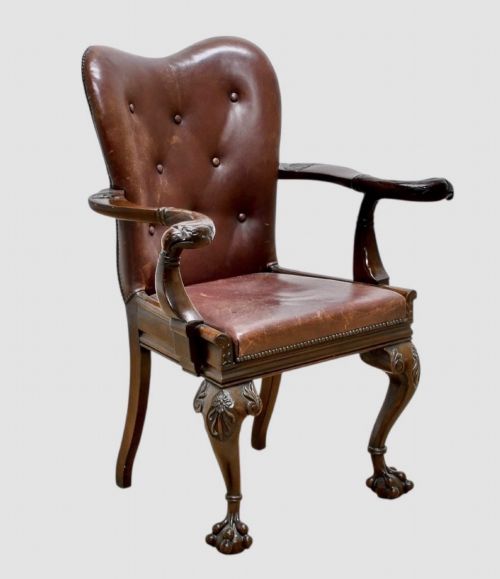

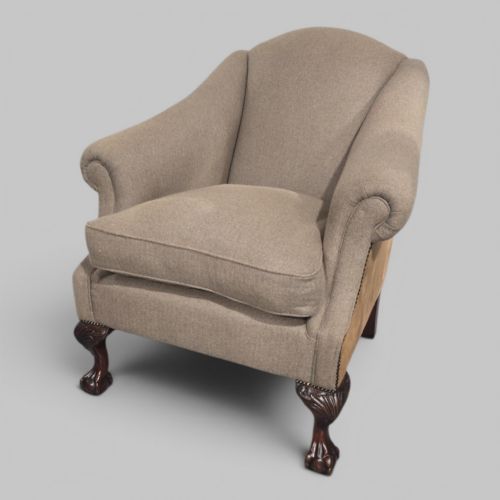


Traditional Occasional Armchair
A traditional occasional armchair brings character and practical seating to a room, offering compact comfort rooted in historical design.
Traditional Occasional Armchair
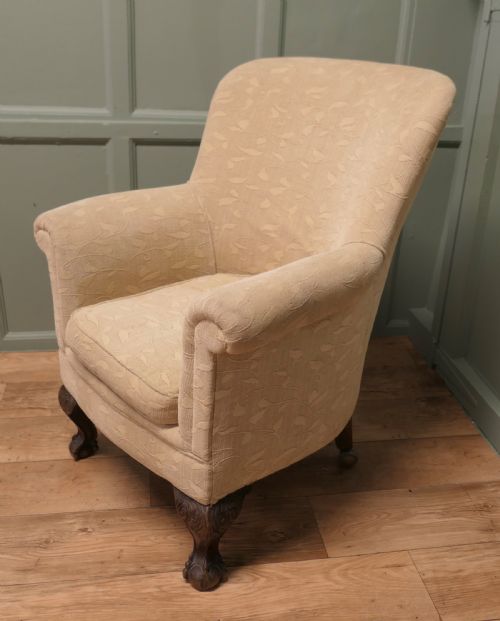
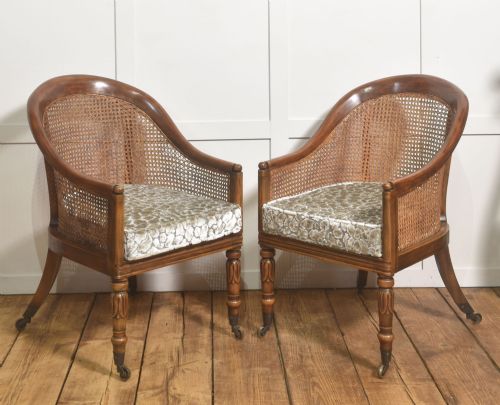
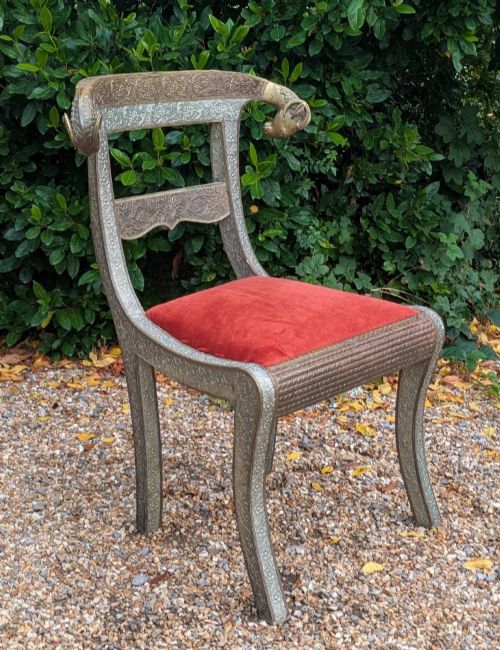
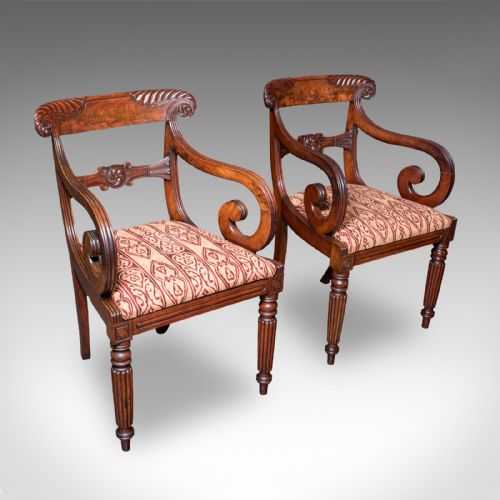
A traditional occasional armchair encompasses a diverse group of smaller seating forms designed for specific rooms rather than primary fireside lounging. These pieces emerge across the nineteenth and twentieth centuries, including Victorian, Edwardian, and Regency Revival examples that span domestic and overseas workshops.
The selections on this page feature varied forms such as tub chairs, elbow chairs, slipper chairs, nursing chairs, and rocking chairs. Materials range from mahogany, walnut, oak, and beech to hardwood, alongside upholstered finishes in fabric, leather, and velvet.
How they were made
Construction relies upon traditional cabinet-making timbers such as mahogany, walnut, oak, beech, and assorted hardwoods. Frames are frequently shaped through turning, carving, or inlay work to achieve specific period aesthetics.
Upholstery techniques integrate sprung or padded interiors covered in fabric, leather, or velvet. Metal elements like brass appear as decorative accents or hardware details on specific regional variations.
Traditional Occasional Armchair Retail Price Guide 2026
Typical asking prices for traditional occasional armchair among the pieces listed under this phrase on Sellingantiques today, from the lower quarter to the upper quarter. They describe what is for sale here now, not the wider market.
Listings feature mahogany, walnut, oak, and beech frames combined with brass details and upholstery in velvet, leather, and fabric.
What varies in quality
Quality rests upon the structural integrity of the timber frame and the precision of hand-carved or inlaid details. Finer pieces demonstrate careful timber selection, robust joinery, and harmonious proportions.
The standard of upholstery work and the durability of the covering materials, whether leather, velvet, or woven fabric, influence the overall execution of the piece. Period accuracy in revival styles also distinguishes superior examples.
Wheelers of Arncroach
The Traditional Occasional Armchair Glossary
- Tub chair
- An upholstered armchair characterised by a low, rounded back that curves continuously into the arms. This compact form provides enclosed seating suitable for studies and bedrooms.
- Slipper chair
- A low-seated upholstered chair originally designed for bedrooms to assist with dressing. The low profile makes it distinct from standard armchairs.
- Elbow chair
- A seating piece with supportive arms, often used as a reception or desk chair. It provides intermediate support without the full bulk of a library armchair.
- Giltwood
- Wood that has been treated with a thin layer of gold leaf or gilt powder. This finish appears on decorative revival frames.
Traditional Occasional Armchair: Frequently Asked Questions
Where should I place an occasional armchair?
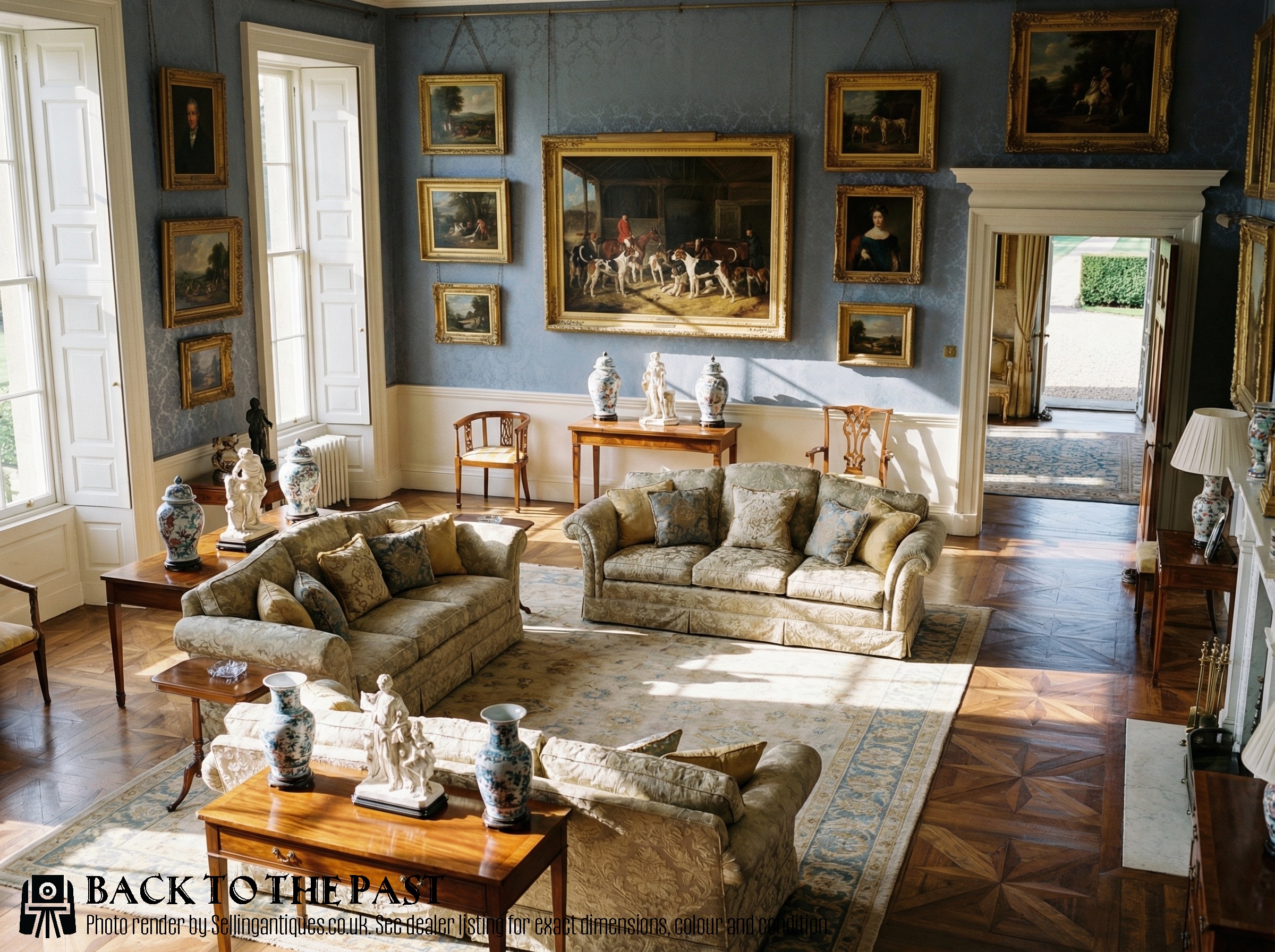
These chairs suit secondary living spaces, bedrooms, hallways, or studies where full-sized seating is impractical. Their modest scale allows them to fit into corners or beside tables without crowding the room.
Because they originate from diverse styles like Edwardian inlaid mahogany or Victorian tub designs, they easily complement existing furniture. Selecting a piece that matches the room's primary period or wood tone ensures visual harmony.
How do I identify a Victorian occasional chair?
Victorian examples often employ dense timbers such as mahogany or walnut, accompanied by deep buttoning or carved details. Common forms include nursing chairs, slipper chairs, and library armchairs.
Reviewing the construction methods and upholstery styles helps confirm the period. Examining the grain of the wood and the type of joinery provides further clues to its nineteenth-century origin.
Are these chairs suitable for daily use?
Many of these pieces were built for practical domestic use from the nineteenth century onward, utilising sturdy hardwoods like oak and beech. Their primary purpose was occasional seating, but robust frames support regular sitting.
Checking the stability of the joints and the condition of the internal upholstery ensures the chair remains comfortable for everyday living. Lighter decorative models require more care than heavy library or reception chairs.