
Traditional Oak Wooden Table
A traditional oak wooden table brings honest utility and enduring grain into a room, offering the robust surface demanded by daily life.
Traditional Oak Wooden Table
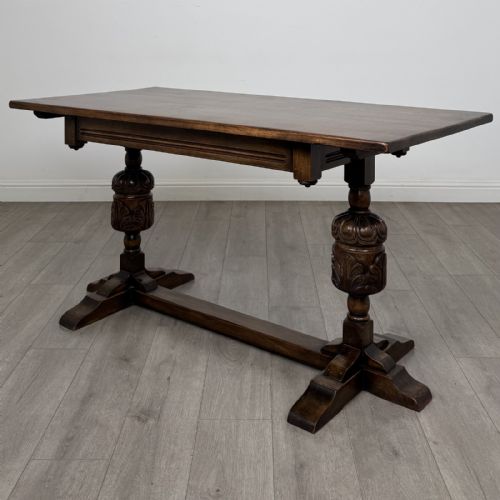
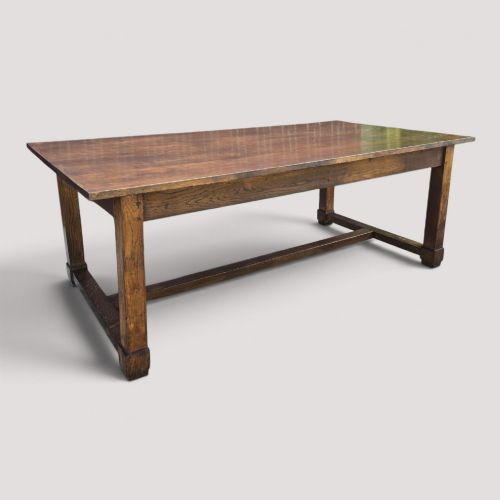
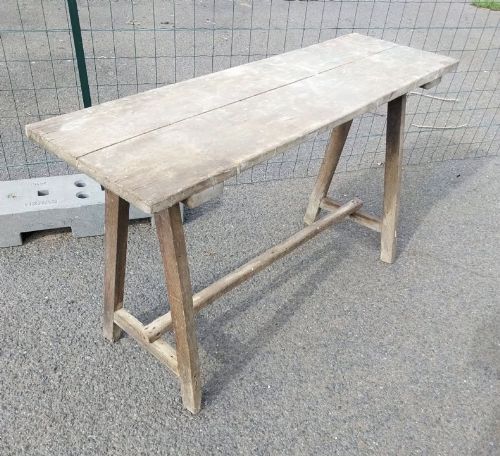
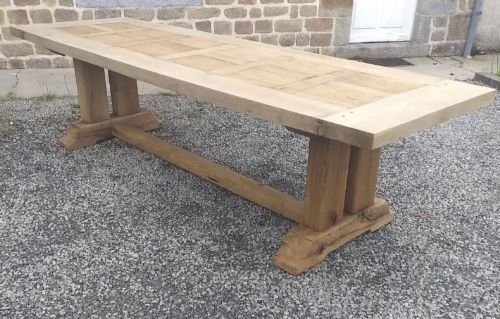
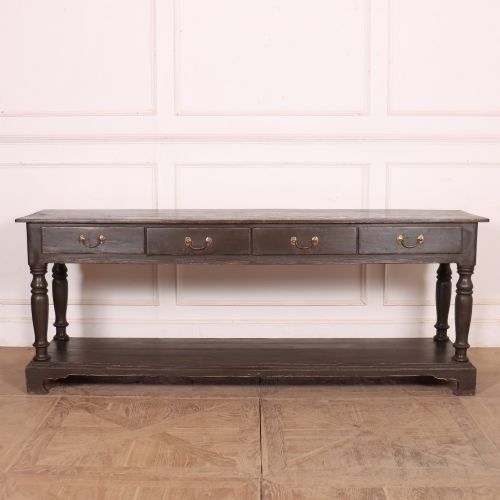
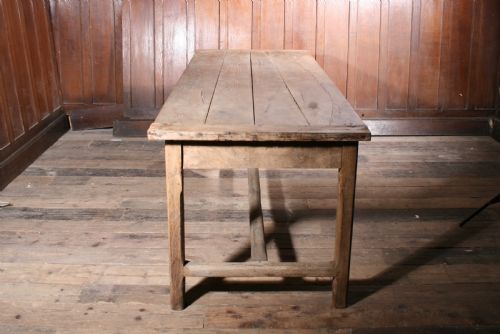
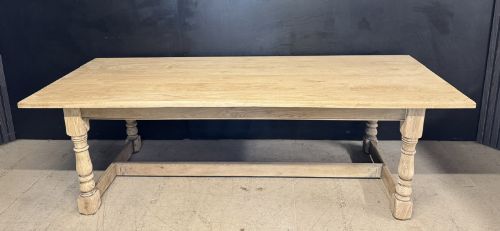
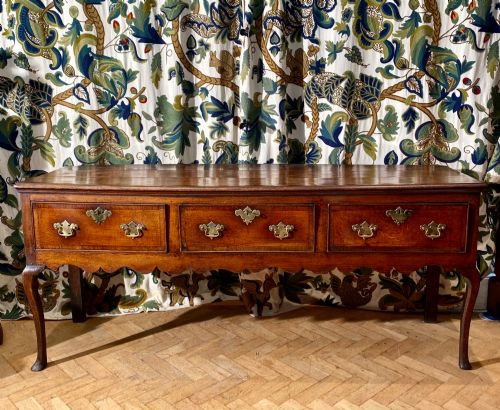
A traditional oak wooden table covers a wide domestic terrain, from sturdy refectory dining boards to compact side tables and coffee tables. These pieces emerge predominantly from the nineteenth century, the Edwardian era, and the early twentieth century.
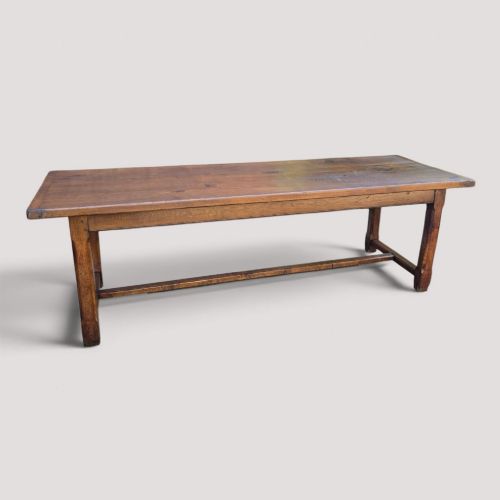
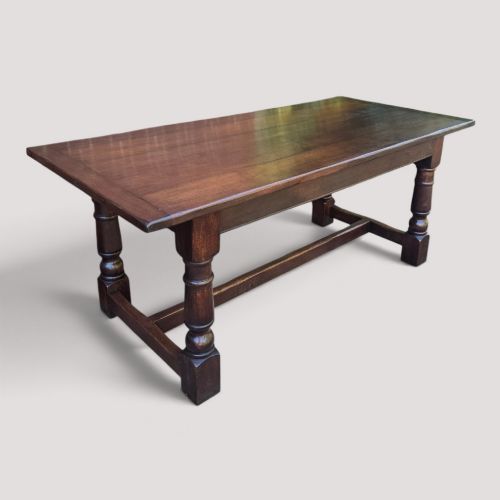
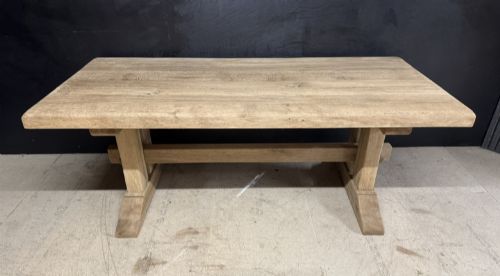
The heavy refectory table with trestle ends or tapered legs represents the core of what turns up here. Alongside these large dining formats, buyers encounter smaller iterations like nest of tables, gateleg side tables, and serving tables.
Makers drew on diverse regional styles such as rustic farmhouse, Jacobean revival, and French provincial. The resulting variety matches large kitchen spaces as closely as modest hallways.
Materials and construction
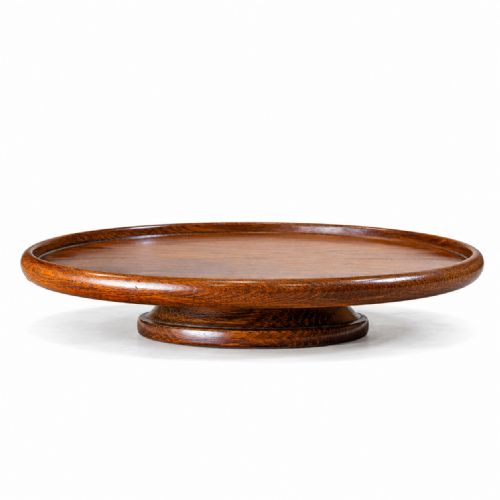
Solid oak provides the primary structural backbone for these tables, often paired with secondary timbers like beech or chestnut for legs and internal framing. Brass fittings, iron brackets, and occasional metal elements appear on operational components like draw leaves and tray stands.
Joinery methods rely on traditional jointing techniques that accommodate the natural movement of timber over decades. Surfaces finished in wax or left as pale and bleached oak show the grain without heavy synthetic varnishes.
Among the serious dining boards, a freestanding oak skittles game waits quietly to liven up a rainy afternoon.
Assessing construction and timber
The distinction between ordinary utility items and superior examples lies in the selection of the timber and the integrity of the joinery. Dense, mature oak with consistent graining and substantial thickness denotes a higher grade of piece than lighter, pieced-together alternatives.
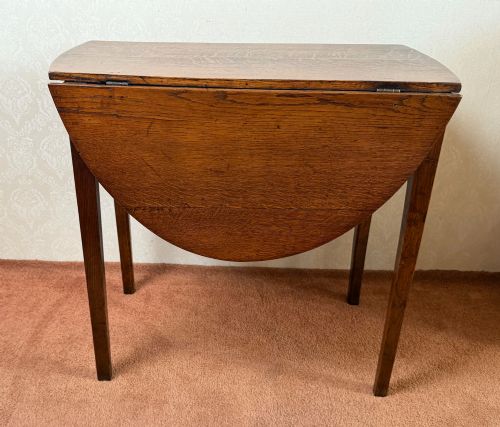
Stability under load and the smooth operation of mechanical elements, such as draw leaf extensions or drop leaves, separate well-engineered tables from those that have suffered from poor upkeep or drying timber.
George Wadham
The Traditional Oak Wooden Table Glossary
- Draw leaf table
- A table equipped with under-leaves that pull out from beneath the main top to extend the surface area. This mechanism allows the table to accommodate more diners quickly.
- Gateleg table
- A drop-leaf table where the hinged legs swing out like a gate to support the folded leaves when raised. It offers a space-saving footprint when closed.
- Joint stool
- A sturdy wooden stool constructed using mortise and tenon joinery held together with wooden pins. These pieces frequently double as small stands or side supports.
- Bobbin leg
- A furniture leg turned on a lathe to resemble a series of wooden bobbins or spools stacked end to end. This decorative turning style appears frequently on nineteenth-century pieces.
Traditional Oak Wooden Table: Frequently Asked Questions
How do I care for an oak table surface?
Regular applications of natural wax help maintain the moisture balance in old timber and protect the grain from spills. Avoid placing solid oak tables near direct heat sources to prevent the wood from splitting.
Cleaning should involve only a soft, dry cloth rather than harsh chemical sprays that strip historic finishes. Preserving the surface patina relies on gentle maintenance over many years.
Can I use a refectory table for daily family meals?
These large tables were originally built for heavy daily use and easily handle modern family life. Their solid oak construction stands up well to regular gathering and dining.
Protecting the wood with simple linens or placemats prevents deep staining while allowing the natural character of the timber to remain visible. The sturdy build ensures stability even on uneven floors.
How do I spot a draw leaf mechanism?
Look underneath the main top for sliding panels that tuck away neatly beneath the primary surface. When pulled, these leaves rise slightly to level with the main board.
This clever design lets you expand the seating capacity without storing loose boards elsewhere. Check that the runners slide smoothly without catching on the frame.
What is the difference between solid oak and veneered pieces?
Solid oak means the entire visible structure consists of genuine oak timber through its full thickness. This allows the wood to be sanded down and refinished over generations.
Veneered furniture applies a thin layer of fine oak over a secondary wood base. While stable, it lacks the deep tactile quality and longevity of solid construction.