




Traditional Oak Storage Table
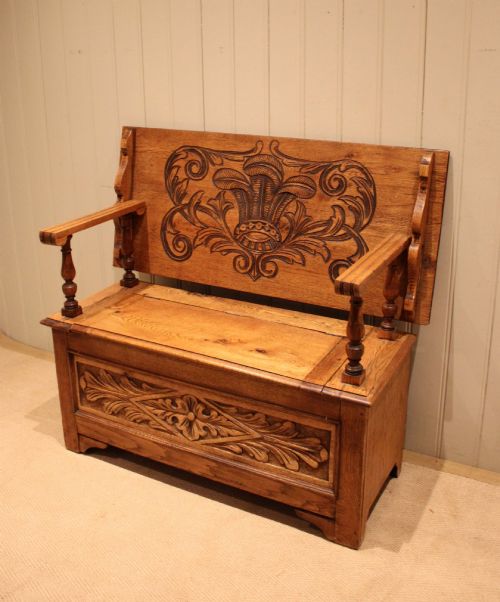
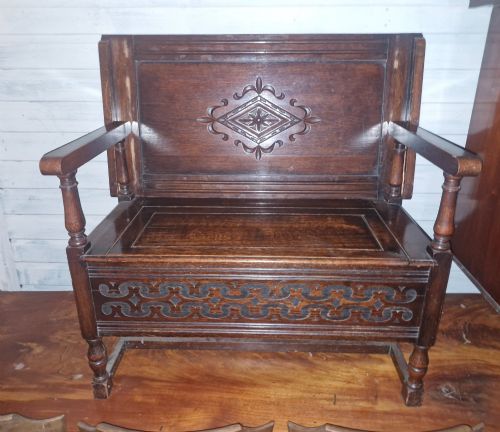
A traditional oak storage table gives you robust timber utility and hidden compartment space, most commonly found as a convertible monk's bench.
Traditional Oak Storage Table
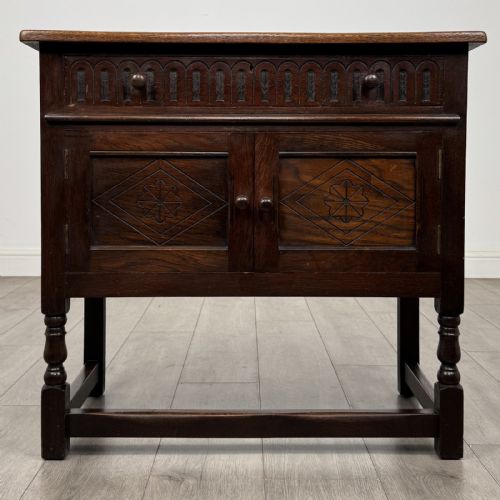
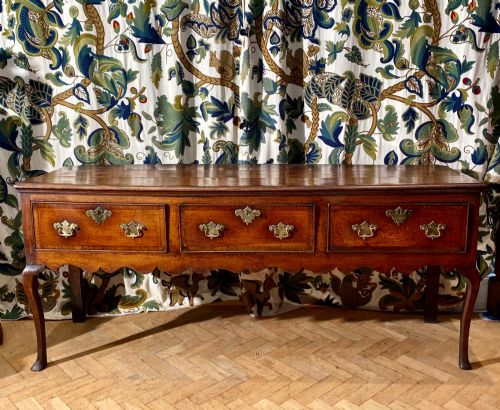
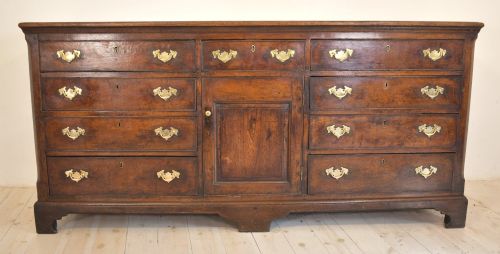
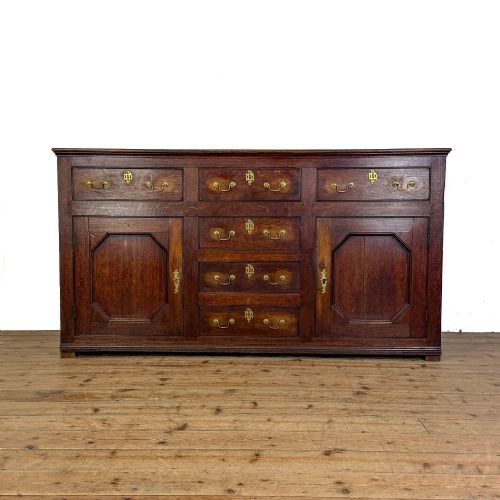
When you search for a traditional oak storage table, you meet a variety of practical furniture forms designed to keep household belongings concealed. The selection spans from 18th century Lancashire dresser bases to Edwardian linenfold cupboards and 1920s hall seats with lift-up lids. These pieces combine flat upper surfaces for serving or display with internal compartments beneath.
The most common form you encounter on this page is the oak monk's bench, featuring a hinged back that folds over to create a table top. Alongside these convertible seats, the listings include side cabinets, box stools, and dressers built to hold household goods. Their origins trace across the 18th, 19th, and early 20th centuries, reflecting durable regional craftsmanship.
Makers utilised heavy timber construction to ensure these utility items withstood daily domestic demands in hallways and living spaces. Styles range through Georgian simplicity, Victorian carving, Jacobean revival, and Tudor revival details. Each object serves a dual purpose, offering a stable surface alongside concealed storage for linens, boots, or papers.
Judging the quality of the timber and design
Quality rests on the selection of solid oak timber and the crispness of the hand-carved panels or linenfold details. Superior pieces display harmonious proportions and tight joinery that keeps heavy flip-tops and cupboard doors aligned over decades of use. Lesser examples might show coarser timber selection or later alterations to the original hardware.
Traditional Oak Storage Table Retail Price Guide 2026
Typical asking prices for traditional oak storage table among the pieces listed under this phrase on Sellingantiques today, from the lower quarter to the upper quarter. They describe what is for sale here now, not the wider market.
Listings feature oak storage pieces spanning from the 18th century through to the 1930s, incorporating brass, iron, and marble elements.
The Traditional Oak Storage Table Glossary
- Monk's bench
- A multi-functional seat featuring a hinged back that folds down flat over the arms to form a table top. Beneath the seat lies a box compartment for storage.
- Dresser base
- A low wooden sideboard fitted with drawers and cupboards, historically used for food preparation and storing dining utensils in the kitchen or dining hall.
- Linenfold
- A style of carved wooden panelling that resembles folded vertical folds of fabric, popular in Tudor and revival cabinetry.
- Settle
- A wooden bench with high backrests and solid arms, often built with a hinged seat concealing a storage chest underneath.
- Jacobean revival
- An architectural and furniture style popular in the 19th and early 20th centuries that imitates the heavy, geometric carved oak designs of the early 17th century.
Traditional Oak Storage Table: Frequently Asked Questions
What is a monk's bench?
A monk's bench is a dual-purpose piece of furniture that functions as a seated bench with a high backrest. The back is hinged so it can pivot downward to rest on the arms, creating a flat table surface.
Beneath the seat, a concealed box provides storage space for household items. This clever design saved space in historical hallways and living quarters.
How do I date an oak storage piece?
Dating relies on examining the construction methods, tool marks, and stylistic vocabulary used in the woodwork. Pieces from the 18th century often display hand-sawn timber and vernacular joinery, while 20th-century items frequently adopt Jacobean or Gothic revival styles with machine assistance.
Hardware components like hinges and handles also offer clues, though original brass fittings can be replaced over time. Comparing the panel construction and overall proportions helps align the piece with its period.
Where should I place a hall seat?
Hall seats and monk's benches suit entranceways, corridors, and living rooms where floor space allows for their dual functionality. They provide a convenient spot to sit while putting on shoes, alongside hidden storage for boots, scarves, or umbrellas.
Because they often feature decorative carved backs, placing them against a wall lets the craftsmanship stand out while keeping pathways clear.
How do I care for antique oak furniture?
Antique oak benefits from stable indoor humidity levels and protection from direct sunlight, which can dry out or bleach the timber. Regular dusting with a soft, dry cloth keeps the surface clean without needing harsh chemical polishes.
Applying a traditional beeswax occasionally helps nourish the wood grain and preserves the natural lustre of the finish over years of use.