
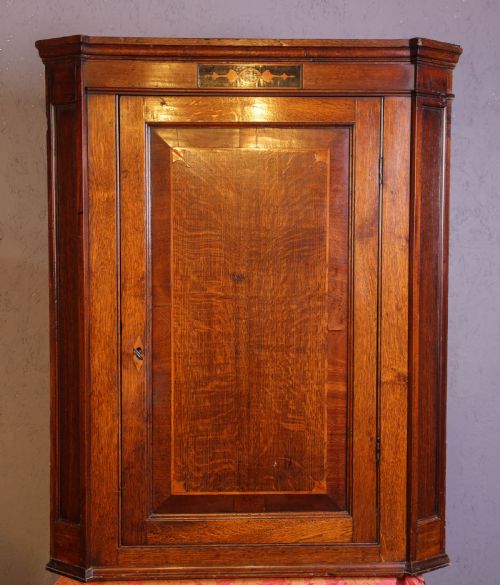


Traditional Oak Hanging Cupboard
A traditional oak hanging cupboard is a sturdy wall-mounted piece designed to store provisions or tableware while saving floor space.
Traditional Oak Hanging Cupboard
A traditional oak hanging cupboard serves as a practical storage solution, frequently taking the form of a corner cabinet or wall-mounted cupboard designed to fit snugly into a room. These pieces utilise sturdy construction methods suited to domestic life across centuries.
The selections span multiple eras, notably the 17th century, 18th century, and 19th century, with significant representation from the Georgian period. Buyers will commonly encounter regional variations including Welsh vernacular styles, French provincial examples, and Georgian country designs.
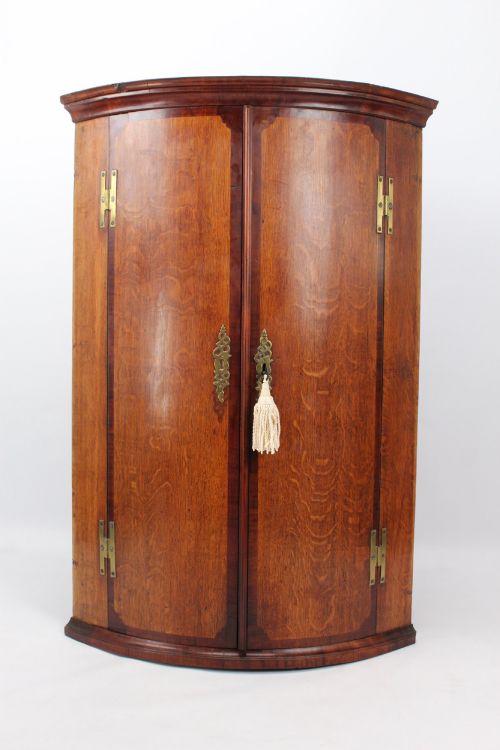
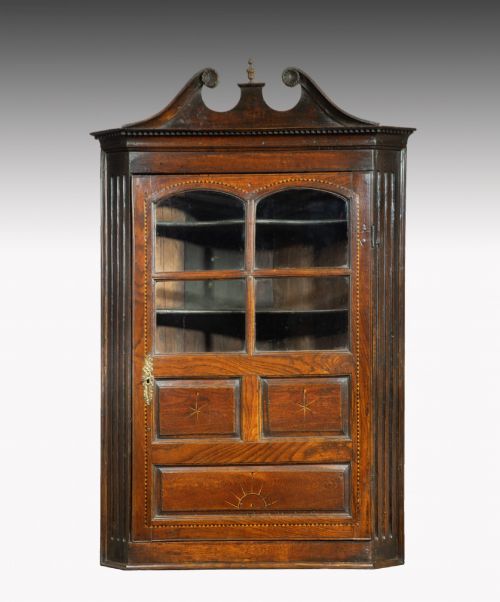
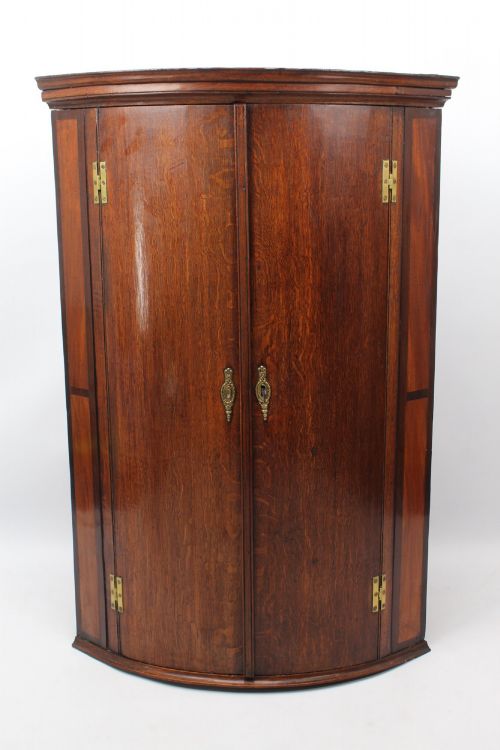
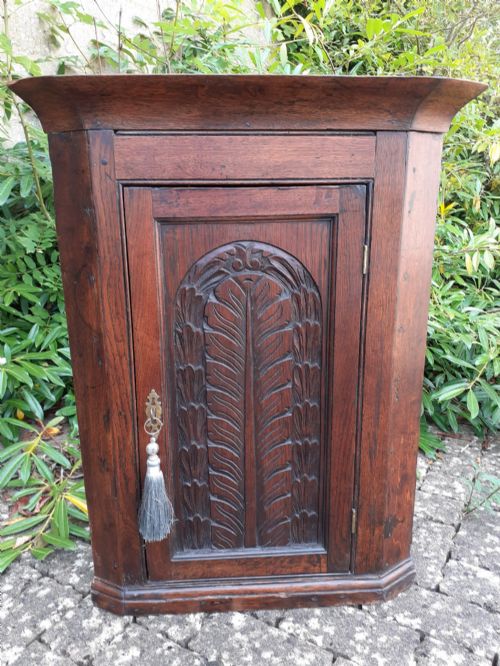
Forms vary between bow-fronted profiles, alcove units, and cabinets featuring single doors with interior shelving. Some pieces incorporate lower drawers or decorative inlays alongside painted finishes.
Materials and Construction
Makers built these cupboards primarily using solid oak, sometimes combining it with secondary woods such as mahogany for contrasting details or veneer work. Structural integrity relied on traditional joinery methods appropriate for wall-hung weights.
Metalwork played a functional role in assembly and operation, utilising brass for hinges and escutcheons, alongside wrought iron and steel for structural fastenings. Decorative enrichment often involved wood inlay and carved detailing applied to the timber surfaces.
Several French provincial cupboards spent centuries guarding cellar provisions in old manoirs before heading indoors.
Assessing Craftsmanship and Condition
Quality in these pieces depends on the selection of timber and the precision of the joinery, particularly where panels meet and doors hang true. Finer examples display thoughtful integration of decorative inlays and well-proportioned mouldings.
The condition of the original brass hardware and the stability of the hanging fixings influence the integrity of the piece. Alterations to shelves, painted surfaces, or door configurations alter the historical character of the woodwork.
The Traditional Oak Hanging Cupboard Glossary
- Bow front
- A convexly curved front section that projects outward from the corners of the cabinet. This design softens the profile of a corner cupboard.
- Corner cabinet
- A triangular-shaped piece built specifically to fit into the ninety-degree angle of a room. It maximises spatial efficiency in smaller chambers.
- Veneer
- A thin layer of finer wood applied to a primary timber base for decorative effect. It appears on select refined surfaces.
- Escutcheon
- A protective plate surrounding a keyhole, usually fashioned from brass. It prevents the wood around the lock from sustaining wear.
Traditional Oak Hanging Cupboard: Frequently Asked Questions
How were hanging cupboards used originally?
These cupboards typically held food, tableware, or valuable personal items off the floor to protect them from dampness and pests. Their placement on walls preserved precious floor space in compact rooms.
In domestic settings, corner versions utilised unheated angles of a room, keeping contents dry and secure behind panelled doors.
How do I hang a heavy oak cupboard safely?
Secure wall mounting requires locating solid studs or masonry behind the plaster to bear the considerable weight of old oak and its contents. Modern concealed fixings combined with original hanging brackets provide stable support.
Consulting a professional installer ensures the wall structure can sustain the load without pulling away over time.
How do I tell an 18th-century cupboard apart from a later revival?
Examination of the timber reveals tool marks, timber shrinkage, and hand-cut joinery consistent with period production methods. Later revivals often display uniform machine milling and different interior construction techniques.
Hardware placement and the ageing of the oak grain offer further clues to the actual decade of manufacture.
Will an oak cupboard fit in a modern corner?
Most traditional corner cupboards adhere to standard ninety-degree wall angles, though older handmade pieces can possess slight variations. Measuring wall clearances and door swing radiuses before purchase prevents fitting issues.
Checking the depth of the cornice ensures the top mouldings clear picture rails or skirting boards.