



Traditional Oak Form
A traditional oak form offers straightforward seating built from sturdy timber, bringing time-tested utility and honest craft to any room.
Traditional Oak Form
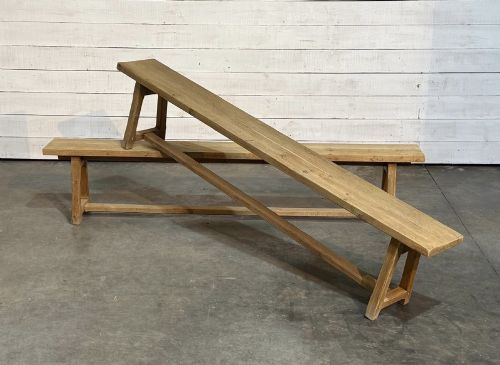
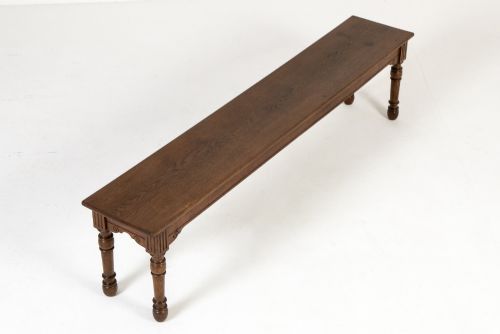
A traditional oak form provides robust seating through long benches and refectory styles, often stretching to generous lengths for communal dining or hallway use. You are most likely to meet pieces from the eighteenth and nineteenth centuries, including vernacular farmhouse benches and architectural examples originating from historic palaces in York.
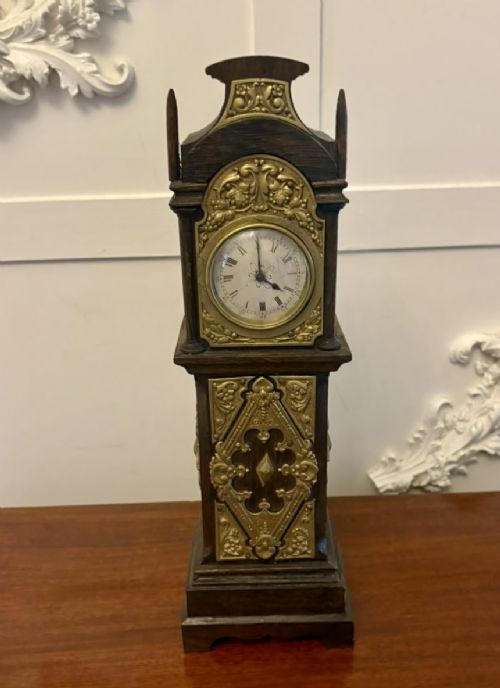
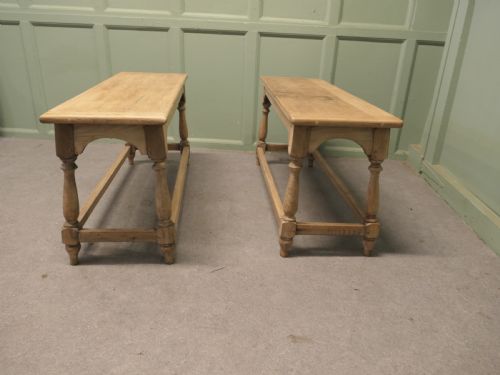
Beyond standard seating, the listings encompass related forms such as joint benches in bleached oak, milliners hat forms in mixed woods, and carved folk art candlesticks. These items span periods from the seventeenth-century style up to the Edwardian era, reflecting both rustic country living and formal domestic interiors.
Construction and materials
Makers relied on dense hardwoods, predominantly utilising solid oak alongside occasional bleached oak, walnut, and mixed carved wood. These durable materials were joined to withstand heavy daily use in domestic, palatial, and garden settings.
Construction techniques focus on structural integrity, evident in trestle ends, jointed frames, and substantial refectory table frameworks. Carpenters shaped the timber to create functional long benches and specialised items without relying on superfluous ornamentation.
Traditional Oak Form Retail Price Guide 2026
Typical asking prices for traditional oak form among the pieces listed under this phrase on Sellingantiques today, from the lower quarter to the upper quarter. They describe what is for sale here now, not the wider market.
Distinctions in quality
Quality rests upon the provenance and architectural significance of the timber, separating standard utilitarian seating from pieces with documented institutional histories such as Bishopthorpe Palace. Superior examples display thoughtful proportions, such as well-balanced lengths spanning up to nine feet, and superior timber selection.
The degree of hand-carving and regional vernacular detail also divides ordinary items from exceptional folk art pieces. Subtle variations in the turning of legs, the crispness of edge moulding, and the integrity of the original joints define the upper tiers of these works.
The Traditional Oak Form Glossary
- Joint bench
- A sturdy wooden bench constructed with mortise and tenon joints, often associated with early vernacular furnituremaking. These items provide stable, rigid seating through straightforward wooden joinery.
- Refectory table
- A long dining table traditionally used in monasteries and large halls, frequently accompanied by matching long benches. This form prioritises length and communal dining utility.
- Bleached oak
- Oak timber treated to lighten its natural dark tone, creating a pale surface finish. This treatment appears on nineteenth-century and later seating.
- Folk art
- Utilitarian objects and decorative carvings produced by self-taught or traditional artisans outside formal academic traditions. These pieces often depict figurative subjects like poachers carrying game.
- Hat form
- A wooden block or stand used in millinery for shaping and displaying hats. These functional studio items utilise turned wood and structural carpentry.
Traditional Oak Form: Frequently Asked Questions
What is a traditional oak form?
A traditional oak form is a solid wooden bench or structural seating piece built from sturdy oak timber. These items are designed for long-term utility in domestic, ecclesiastical, or agricultural settings.
They range from simple refectory benches to architectural seats sourced from historic palaces, offering enduring structural honesty.
How were these benches used historically?
Historically, these long wooden seats served communal dining needs around large refectory tables and provided practical seating in great halls. Their robust construction allowed them to handle heavy daily wear in busy households and institutions.
Over time, similar forms also found places in gardens, orangeries, and hallways as functional resting spots.
How do I style an oak form in a modern home?
An oak form works naturally alongside large dining tables, where its linear profile maximises seating capacity without visual clutter. It also functions as a standalone hall bench for placing bags and shoes.
The natural wood grain brings warmth and historical texture to contemporary or traditional interior schemes alike.
How can I tell the period of an oak bench?
Dating relies on observing construction methods, tool marks left by early carpenters, and the specific patina accumulated on the timber over centuries. Eighteenth-century examples often display deep surface weathering and pegged joinery.
Later Victorian and Edwardian pieces show more uniform milling while retaining traditional forms and heavy oak construction.