





Traditional Metal Bench
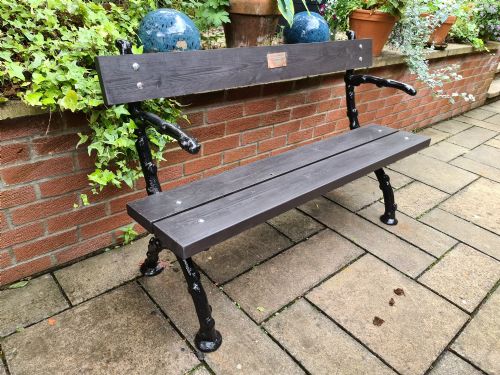
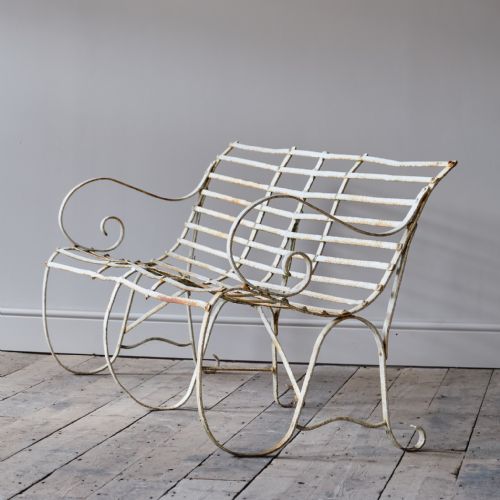
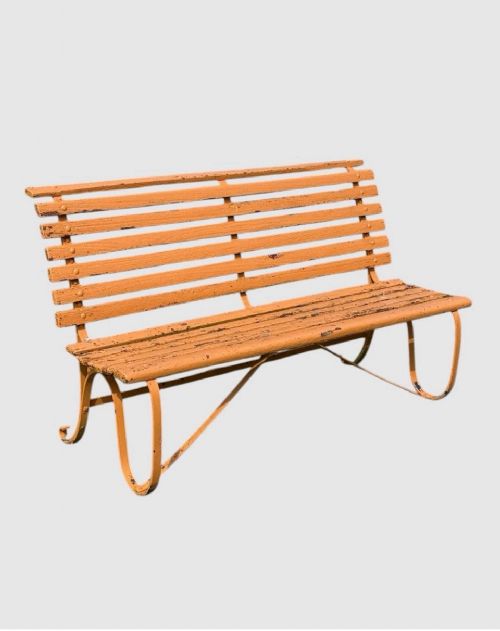
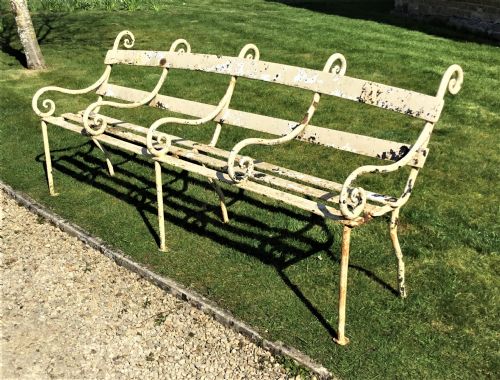
These traditional metal bench selections combine sturdy iron, steel, and timber construction with enduring Victorian and early twentieth-century designs for indoor or outdoor seating.
Traditional Metal Bench
A traditional metal bench encompasses both robust garden seating and hearthside club fenders constructed from durable metals like cast iron, wrought iron, and steel. Buyers seeking a traditional metal bench will encounter sturdy park benches alongside upholstered club fenders designed for fireplaces.
The selections span the nineteenth century into the mid-twentieth century, featuring Victorian rustic forms alongside early twentieth-century steel and leather hearth seating. Garden variants typically pair cast or wrought iron frames with timber slats, while interior pieces incorporate leather seating pads.
Victorian and Edwardian influences dominate the aesthetic, with strapwork patterns and cast details frequently defining the framework. These pieces serve functional seating roles in gardens, patios, and country house drawing rooms alike.
Materials and construction methods
Makers utilised durable metals including cast iron, wrought iron, and steel to form the structural framework of each traditional metal bench. These metallic elements were frequently paired with timber, oak, or painted surfaces for exterior garden use.
Interior club fenders combined brass, steel, and silvered metals with upholstered leather seating pads. Wrought iron strapwork and detailed cast iron components provided both structural stability and decorative character to the finished pieces.
Traditional Metal Bench Retail Price Guide 2026
Typical asking prices for traditional metal bench among the pieces listed under this phrase on Sellingantiques today, from the lower quarter to the upper quarter. They describe what is for sale here now, not the wider market.
Some club fenders allowed muddy squires to warm their shins while keeping guests firmly at a polite distance from the flames.
Distinctions in craftsmanship
Quality in these pieces rests upon the crispness of iron castings and the finesse of wrought iron strapwork. Superior examples display clean lines and well-preserved structural joins without excessive pitting in the metal.
Interior hearth pieces are elevated by the quality of their leather upholstery and the finish of brass or silvered frames. Garden variants demonstrate craftsmanship through the harmonious integration of timber slats with heavy metallic bases.
The Traditional Metal Bench Glossary
- Cast iron
- Iron poured into a mould to create rigid structural components with decorative relief. It forms the heavy frames of many nineteenth-century garden seats.
- Wrought iron
- Iron beaten and worked by hand into specific shapes, offering greater flexibility than cast iron. It frequently appears in strapwork patterns on benches.
- Club fender
- A low, padded seat surrounding a fireplace hearth, often constructed from brass, steel, and leather. They originated in country houses during the Victorian period.
- Strapwork
- Ornamental flat bands or scrolls applied in interlaced patterns. This technique decorates the metal framework of traditional outdoor seating.
Traditional Metal Bench: Frequently Asked Questions
Where should a club fender be placed?
Club fenders are specifically designed to sit around the perimeter of an open fireplace in a drawing room or study. They provide low seating directly adjacent to the hearth.
Ensure adequate clearance between the fender and the fire source, particularly when the structure incorporates leather upholstery.
Are these benches suitable for outdoor use?
Many of the listed forms are garden benches built with cast iron, wrought iron, and timber designed to withstand exterior weather conditions. Regular maintenance helps preserve the painted surfaces and wooden slats.
Interior club fenders utilising leather and brass require protection from moisture and direct precipitation.
How do I identify a Victorian piece?
Victorian pieces often feature heavy cast iron frames with ornate decorative motifs and traditional strapwork. The materials and manufacturing techniques reflect nineteenth-century industrial capabilities.
Compare the specific joinery and weight of the metal against known nineteenth-century examples to confirm the period.
What maintenance do metal frames require?
Metal frames benefit from periodic cleaning and the maintenance of protective painted or polished finishes to prevent corrosion. Steel and iron components should be kept dry when kept outdoors.
Leather seats on interior fenders require specialised conditioning to maintain suppleness over time.