




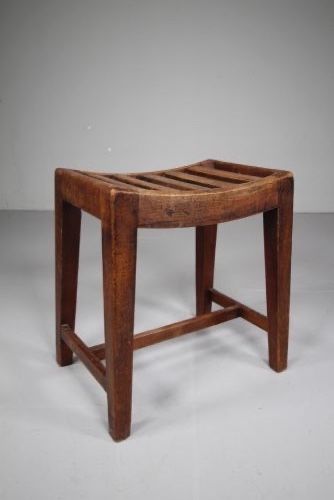


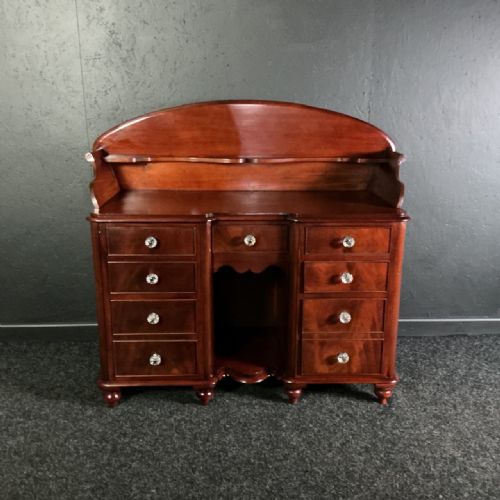


Traditional Mahogany Vanity
Traditional mahogany vanity pieces bring rich wood tones and functional elegance to the bedroom, spanning dressing tables, mirrors, and stools.
Traditional Mahogany Vanity
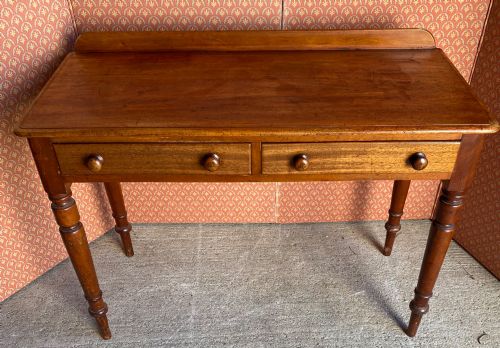
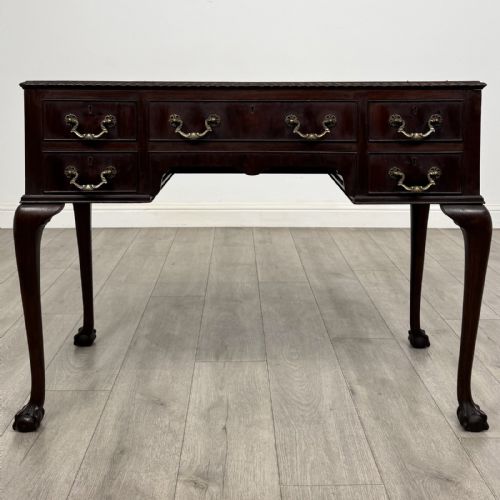
Traditional mahogany vanity encompasses various bedroom furniture pieces designed for grooming and writing, most notably dressing tables, dressing mirrors, and stools. These items appear across 18th-century, 19th-century, Regency, Victorian, and Edwardian periods.
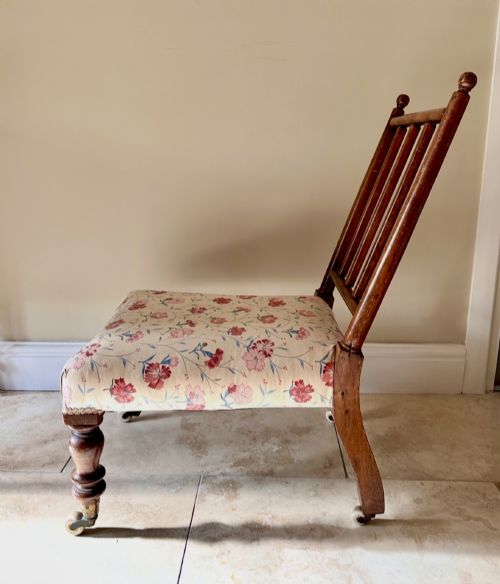
Stools form a significant portion of the selection, frequently upholstered in fabric, velvet, tapestry, or textile. Writing desks and washstands also populate the range, alongside hanging and tabletop mirrors.
The objects frequently display stylistic influences from the Georgian era, Chippendale designs, and George II style. Pieces range from simple 19th-century bathroom washstands to elaborate pedestal dressing tables.
Materials and construction
Makers utilised solid mahogany and flame mahogany veneers over structural timbers, often accentuating the grain with polished finishes. Inlaid details and satinwood accents appear on later Edwardian items.
Brass fittings such as handles, hinges, and revolving mechanisms provide functional hardware on desks and mirrors. Glass constitutes the reflective plates in wall mirrors and swing dressing mirrors.
Seating frames incorporate textiles, velvet, tapestry, and original fabrics for upholstered seats. Marble tops appear on specific washstands from the Edwardian period.
Traditional Mahogany Vanity Retail Price Guide 2026
Typical asking prices for traditional mahogany vanity among the pieces listed under this phrase on Sellingantiques today, from the lower quarter to the upper quarter. They describe what is for sale here now, not the wider market.
Listings feature mahogany furniture across the 18th and 19th centuries, alongside Edwardian and Regency periods, incorporating brass and glass elements.
Distinctions in quality
The refinement of carved details, such as cabriole legs and shaped or slatted frames, separates standard furniture from finer examples. Cabinetry execution, including the neatness of dovetail joints in drawers, marks superior construction.
The choice of timber grain, particularly the use of figured flame mahogany, elevates the visual appeal of a desk or table. Original upholstery fabrics and intact glass plates in period mirrors also influence the character of the piece.
The Traditional Mahogany Vanity Glossary
- Flame mahogany
- A veneer cut from timber where the grain creates a distinctive flame-like pattern. This decorative wood was favoured for drawer fronts and table tops.
- Cabriole leg
- A furniture leg that curves out and then narrows inward, terminating in a foot. It is a defining feature of many 18th-century and revival stools and tables.
- Kneehole desk
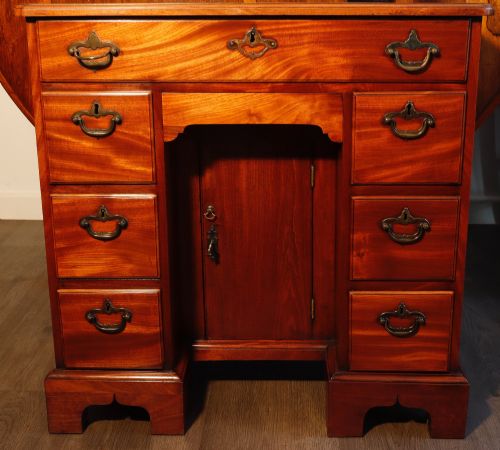
- A compact writing desk with a central recessed space for the legs, flanked by pedestals of drawers. Georgian examples often feature serpentine or straight fronts.
- Washstand
- A piece of furniture designed to hold a basin and pitcher for washing, sometimes fitted with a marble top. 19th-century versions frequently utilise mahogany construction.
- Toilet mirror
- A smaller mirror designed to sit on top of a dressing table or chest of drawers. These often feature adjustable swing frames supported by upright arms.
Traditional Mahogany Vanity: Frequently Asked Questions
How do I identify a Georgian style stool?
Georgian style stools often feature mahogany frames with shaped or slatted designs, cabriole legs, and upholstered seats. Upholstery materials include period textiles, tapestry, and velvet.
Maker details are rarely marked, so identification relies on period construction methods, timber choice, and stylistic characteristics like Chippendale influence.
What is the difference between a washstand and a dressing table?
A washstand is built to accommodate washing basins and jugs, sometimes featuring a marble top for water resistance. Dressing tables are designed primarily for personal grooming and writing.
Both pieces utilise mahogany timber, but dressing tables frequently incorporate drawers and paired swing mirrors.
How do I care for mahogany bedroom furniture?
Mahogany furniture benefits from consistent indoor humidity and protection from direct sunlight to prevent timber fading. Regular dusting with a soft, dry cloth preserves the polished surface.
Avoid placing damp items directly on wooden surfaces, particularly on antique washstands and table tops lacking marble inserts.