
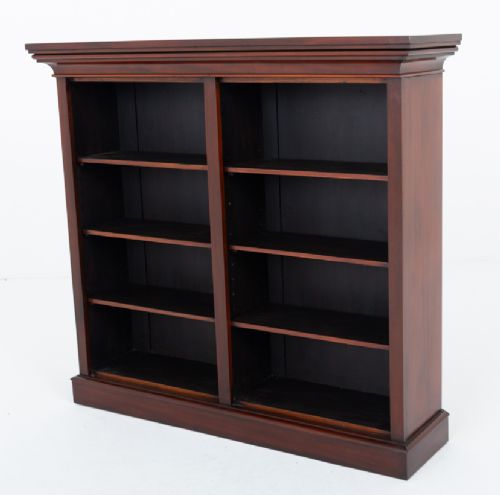
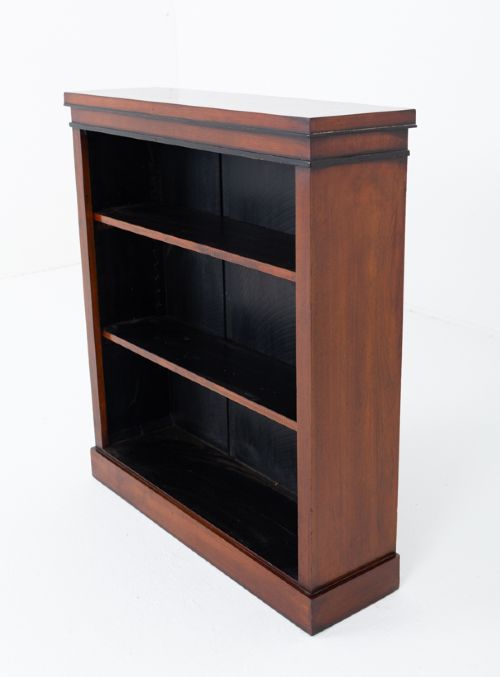
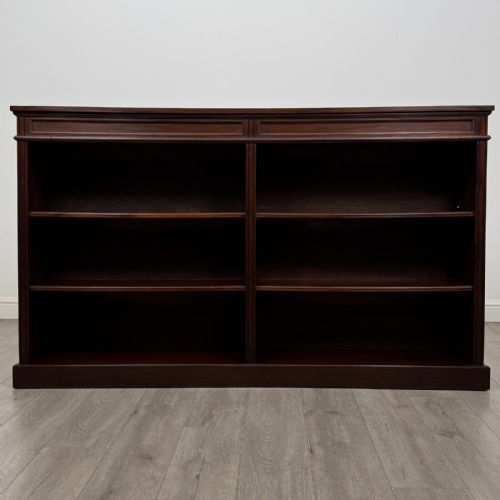
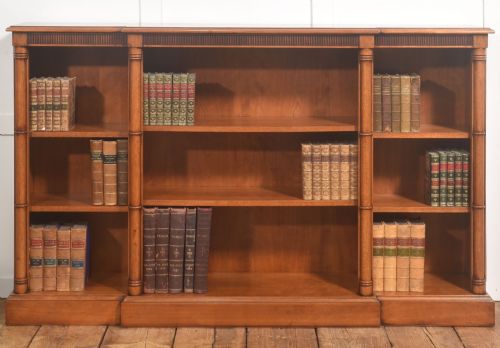
Traditional Mahogany Shelf
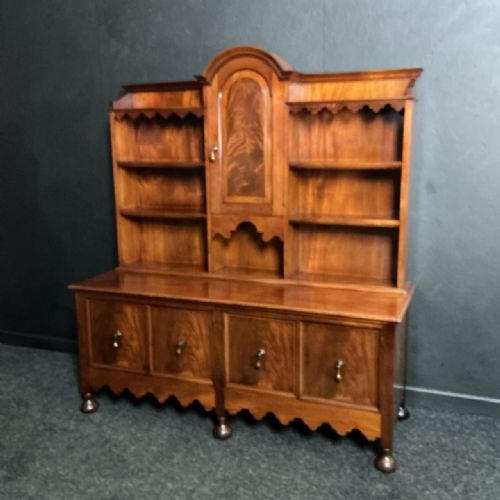
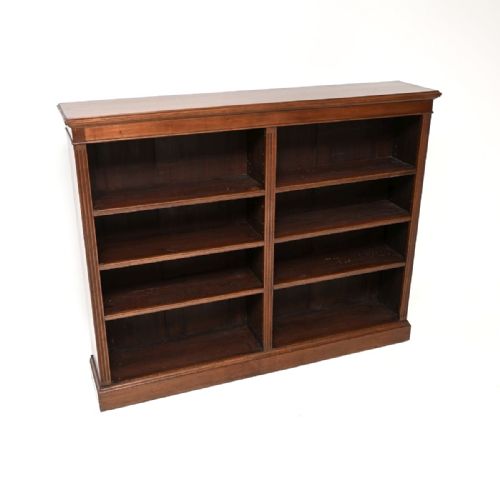
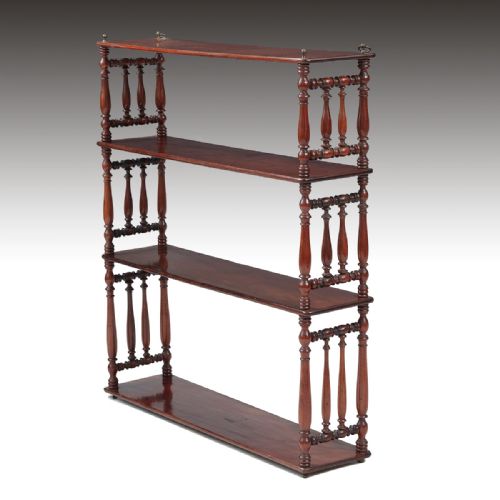
A traditional mahogany shelf brings warm timber tones and practical display space to a room, offering sturdy ledges for books and ornaments.
Traditional Mahogany Shelf
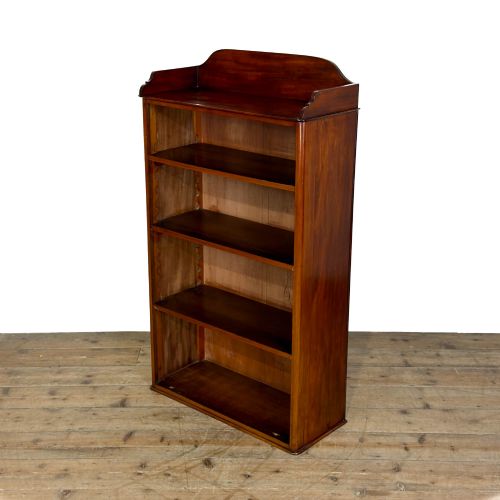
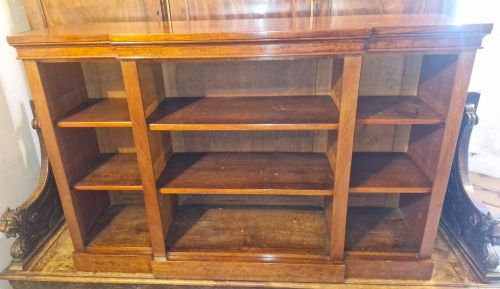
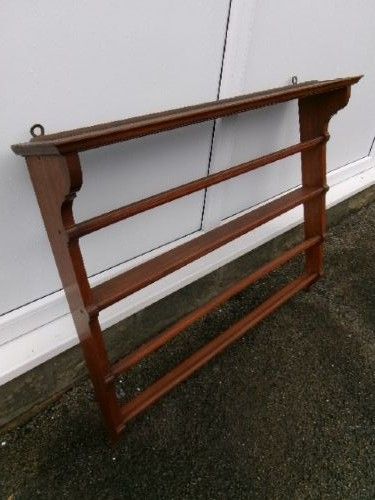
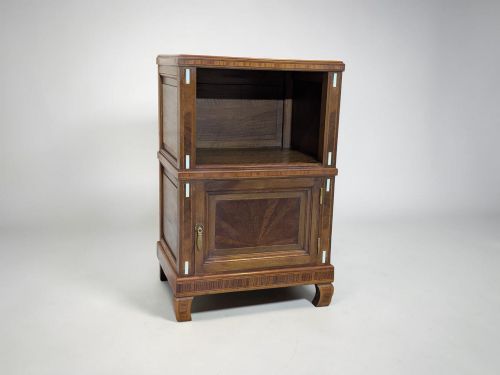
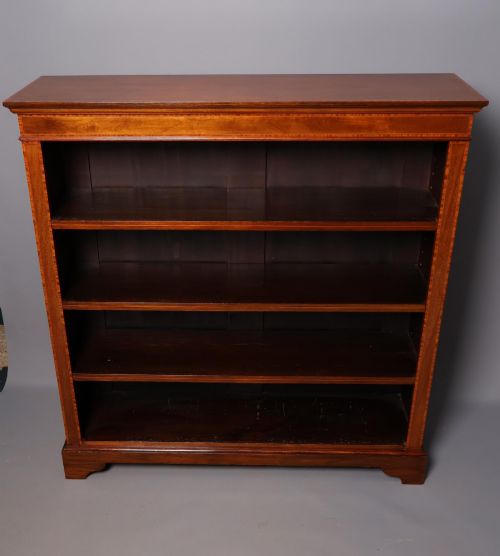
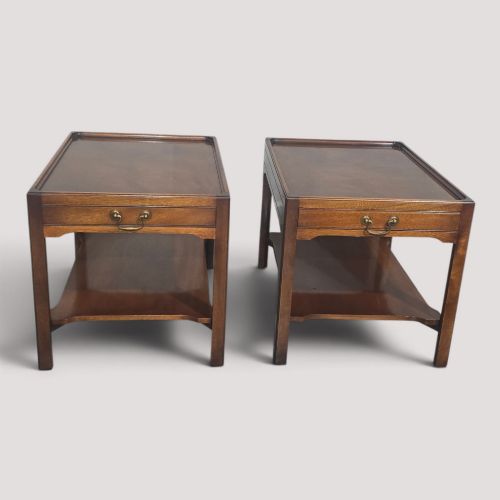
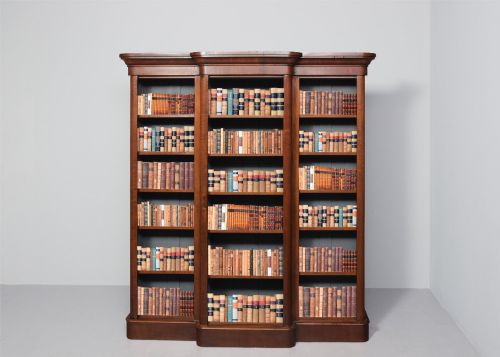
When searching for a traditional mahogany shelf, buyers typically encounter open bookcases, hanging shelves, and wall-mounted storage units dating from the Victorian and Edwardian eras. These pieces range from simple hanging shelves to large breakfront library bookcases and stacking barrister designs.
The majority of these pieces originate from the nineteenth and early twentieth centuries, spanning Victorian, Edwardian, and Regency periods. Makers utilised rich timbers to create functional wall fixtures and standing bookcases that suit both period and contemporary interiors.
How they were made
Craftsmen built these shelves primarily using solid mahogany and flame mahogany veneers over secondary timbers, frequently incorporating brass fittings and glass elements in associated breakfront or glazed bookcases. Selected pieces feature delicate satinwood inlay work to accent the rich red-brown grain of the primary wood.
Construction techniques evolved from handcrafted joinery in nineteenth-century workshops to early twentieth-century production methods, maintaining structural integrity through solid shelving boards and sturdy wall brackets.
Listings feature mahogany, brass, glass, oak, and satinwood across Victorian, Edwardian, and Regency periods.
What varies in quality
The choice of timber creates the primary distinction between standard items and superior examples, with figured flame mahogany and crisp inlay work marking out the finer pieces. Heavier solid construction and balanced proportions elevate certain bookcases and wall shelves above utilitarian storage.
Attention to detail in the edge mouldings, backboards, and original brass or glass components dictates the overall calibre of a piece, reflecting the workshop standards of its period.
Brockbanks And Atkins·Waring And Gillows
The Traditional Mahogany Shelf Glossary
- Mahogany
- A durable tropical hardwood known for its deep reddish-brown colour and fine grain. It forms the primary structural material for these shelves and bookcases.
- Flame mahogany
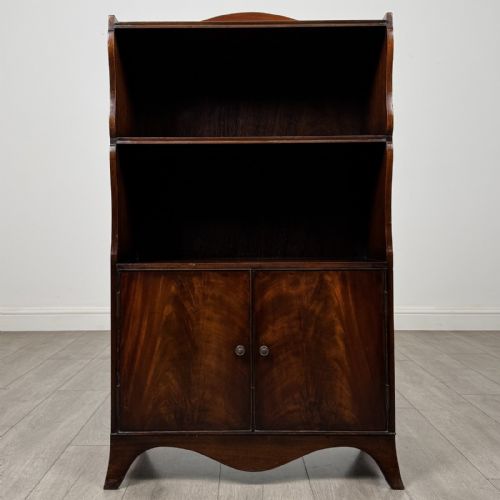
- A highly figured veneer exhibiting a distinctive flame-like pattern across the timber surface. Cabinetmakers utilised this to create decorative visual appeal on prominent drawer fronts and panels.
- Breakfront
- A large piece of furniture where the central section projects forward from the flanking wings. This architectural form adds depth and shadow to bookcases and dressers.
- Inlay
- The technique of inserting contrasting strips of wood, such as satinwood, into recesses made in the primary mahogany surface. It provides geometric or floral ornamentation.
- Waterfall bookcase
- A tiered shelving unit where each successive shelf is set slightly further back than the one below, following a stepped profile.
Traditional Mahogany Shelf: Frequently Asked Questions
What is a traditional mahogany shelf?
A traditional mahogany shelf is a wall-mounted or standing timber ledge system designed for displaying books and ornaments, originating mainly from the Victorian and Edwardian periods.
These pieces utilise rich mahogany timber and often feature period details like brass brackets or satinwood inlay work.
How do I date a mahogany bookcase?
Dating relies on examining construction methods, timber selection, and stylistic markers such as Regency curves or Edwardian inlay patterns. Nineteenth-century examples typically show hand-cut joinery and heavy solid timber boards.
Later pieces from the early twentieth century often incorporate machine-finished components while retaining traditional aesthetic proportions.
Where should I place wall shelves?
Wall shelves suit studies, living rooms, and hallways where extra display space is required without taking up floor area. Secure wall fixings are essential to support the weight of solid mahogany and the books placed upon it.
Keeping timber away from direct heat sources prevents the wood from drying out or splitting over time.
How do I maintain mahogany furniture?
Maintenance involves dusting with a soft cloth and occasionally applying a quality beeswax to nourish the timber grain. Avoid using silicone-based sprays that can build up a cloudy residue on the antique surface.
Positioning the shelf out of direct sunlight preserves the deep red tone characteristic of traditional mahogany.