
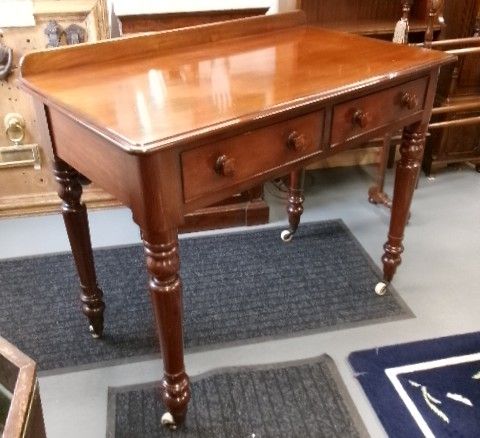


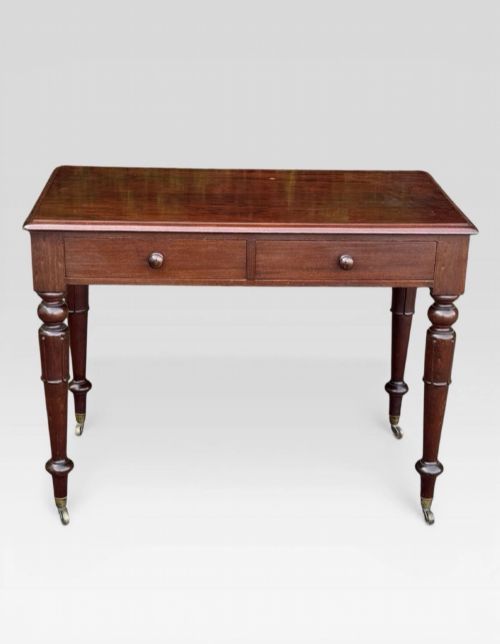
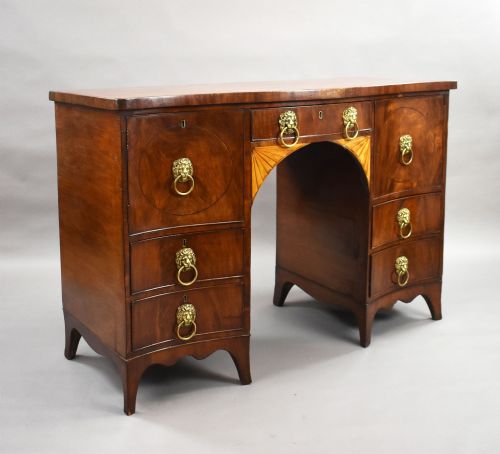
Traditional Mahogany Dressing Table
A traditional mahogany dressing table brings deep timber grain and formal proportion to a bedroom, offering a surface for morning routines with refined period character.
Traditional Mahogany Dressing Table
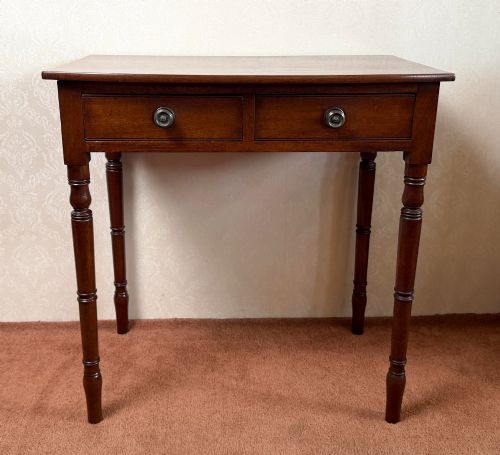
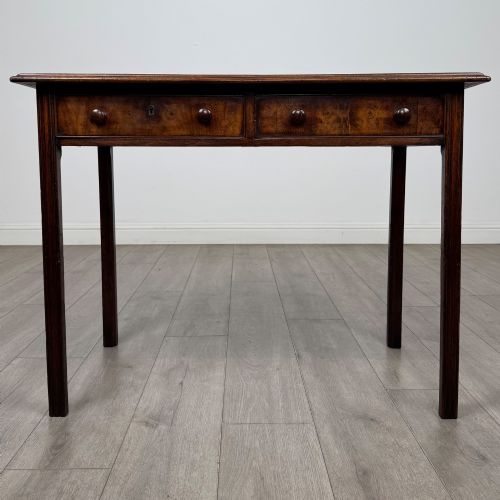
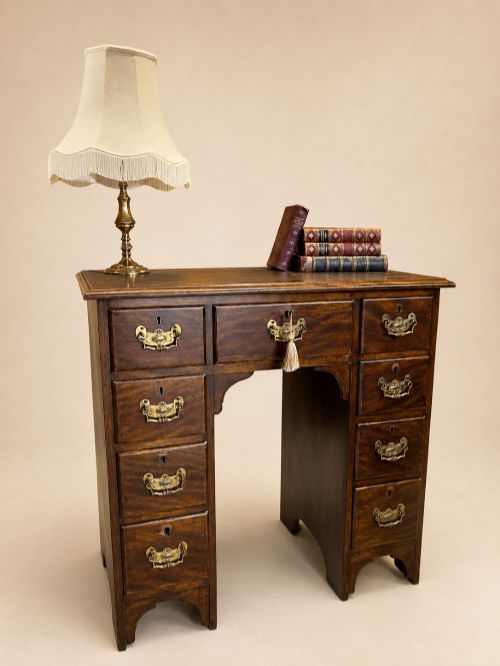
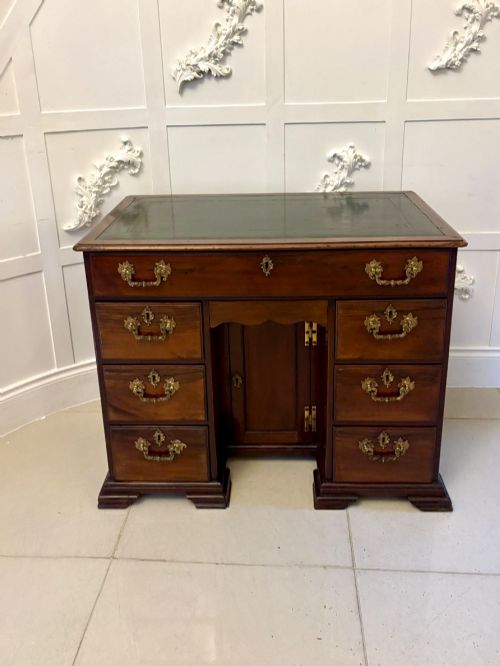
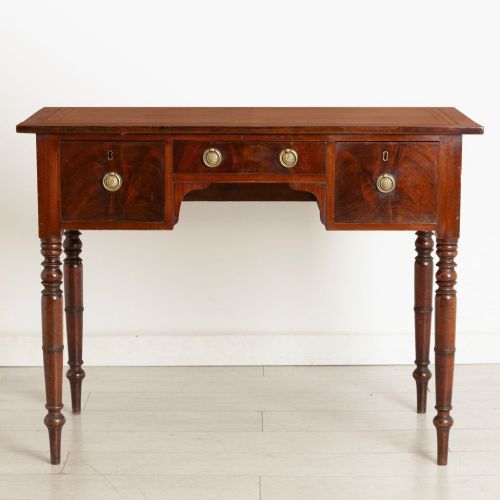
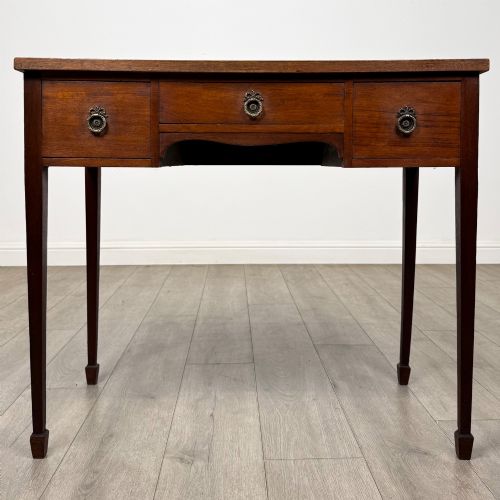
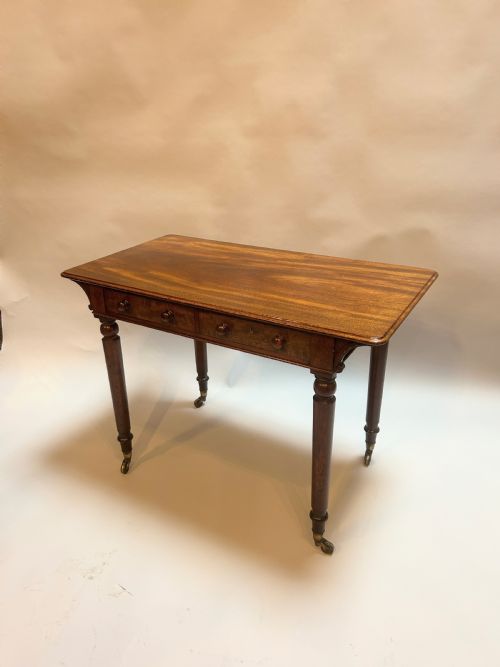
A traditional mahogany dressing table sits within a wider family of case pieces and writing furniture found on this page, spanning Georgian, Victorian, and Edwardian eras. While dedicated dressing tables and mirrors appear alongside kneehole desks and side tables, they share the same architectural language and domestic purpose.
Buyers will encounter various formats ranging from pedestals and lowboys to cheval mirrors and side tables utilised for grooming. The selection draws heavily on 18th-century forms and later revivals, reflecting a continuous tradition of British cabinet making.
Materials and Construction
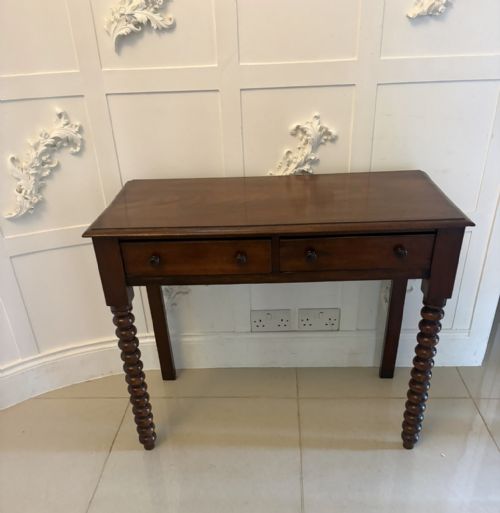
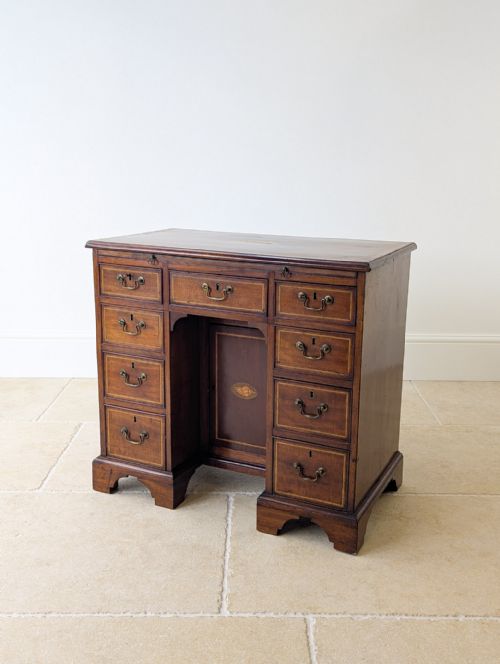
Joinery techniques include finely dovetailed drawers and turned or cabriole legs, sometimes accented with barley twist detailing or inlaid satinwood. The application of polished finishes highlights the rich grain patterns inherent in the timber.
Listings feature mahogany, brass, leather, glass, fabric, ceramic, oak, and pine across Georgian, Victorian, and Edwardian periods.
Assessing Quality
Quality rests in the choice of timber figure, particularly the depth of flame mahogany veneers, and the crispness of carved details such as Chippendale-style motifs or moulded edges. Substantial secondary woods and substantial brass hardware rather than plated substitutes mark out superior execution.
Proportion and structural integrity distinguish finer examples from standard production pieces. Well-balanced drawer proportions and smooth running mechanism indicate skilled workshop origins.
Gillows·Waring and Gillows·J A Mein Edinburgh
The Traditional Mahogany Dressing Table Glossary
- Flame mahogany
- A veneer cut from the fork of the mahogany tree, creating a distinctive flamed or feather-like pattern that was prized for drawer fronts and table tops.
- Lowboy
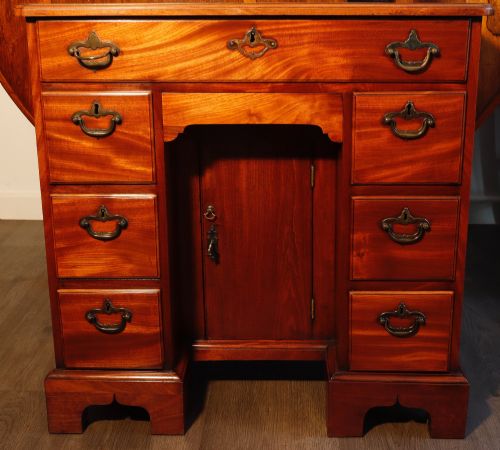
- A small kneehole table with one or more rows of drawers, commonly used as a dressing table or side table during the 18th century.
- Kneehole desk
- A formal desk or dressing table featuring a central recessed space for the legs, flanked by pedestals containing multiple small drawers.
- Serpentine
- A curved shape featuring a convex centre flanked by concave sides, frequently employed on the front edges of Georgian and Victorian case furniture.
- Toilet mirror
- A smaller tabletop mirror mounted on a pivoting frame above a miniature drawer base, historically placed atop a dressing chest or table.
Traditional Mahogany Dressing Table: Frequently Asked Questions
How do I distinguish a Georgian piece from a Victorian revival?
Georgian pieces generally display hand-cut joinery, lighter internal construction, and timber patination developed over centuries of use. Revival items from the Victorian or Edwardian periods often utilise heavier secondary woods and machine-finished components.
Examining the drawer linings and backboards helps reveal the true age of the piece, as timber preparation methods shifted significantly during the 19th century.
Were these tables originally used for writing or grooming?
Many forms overlapped in domestic life, with lowboys and side tables serving multiple functions depending on the room and the owner's needs. Kneehole designs accommodated both correspondence and morning grooming routines.
Fitted interiors with small compartments and associated mirrors point specifically towards dressing use, whereas leather inserts indicate a writing purpose.
How do I care for a polished mahogany surface?
Keep mahogany furniture away from direct sunlight and heat sources to prevent the timber and veneer from drying out or fading. Regular dusting with a soft, dry cloth maintains the lustre without building up heavy wax layers.
Applying a traditional beeswax polish occasionally will nourish the grain and protect the finish from minor surface moisture.
Can I use a dressing table as a compact desk?
Kneehole dressing tables and lowboys provide adequate knee clearance and surface area for laptop use or letter writing. Their shallow drawer configurations accommodate modern stationery neatly.
Ensure that any attached mirror is stable or can be detached safely if the piece is to be utilised primarily for seating work.